Combining CBD with antihistamines is not automatically dangerous, but it isn’t automatically safe either. The two main concerns are additive sedation and metabolic interactions through the liver’s CYP450 enzyme system. Second‑generation options like cetirizine, loratadine, and fexofenadine generally carry lower risk than older sedating antihistamines, though no combination is guaranteed problem‑free. Speak to your GP or pharmacist before combining the two.
TL;DR:
- CBD may elevate blood levels of antihistamines that rely on liver enzymes CYP3A4 and CYP2C19, increasing the risk of side effects.
- First-generation antihistamines like chlorphenamine pose a higher sedation risk when combined with CBD, especially in sensitive groups like older adults.
- Second‑generation antihistamines such as cetirizine, loratadine, and fexofenadine carry lower baseline sedation risk but can still interact with CBD and cause added drowsiness.
- Combining CBD with antihistamines is riskier for individuals on multiple medicines, with liver conditions, or taking high doses of CBD over 300 mg daily.
- Starting with low doses of oral CBD products, avoiding inhaled forms, and consulting healthcare providers minimizes interaction risks.
Table of Contents
- Which antihistamines carry more risk with CBD?
- How CBD may interact with antihistamines: the mechanisms
- What does the evidence actually say?
- How to reduce risk if you take antihistamines and want to try CBD
- When to speak to a GP or pharmacist (and what to ask)
- Choosing a lab‑tested CBD product that reduces uncertainty
- A straight‑talking view on where the real risk sits
- Choosing a lab‑tested CBD option once you’ve had that conversation
- Where this article’s guidance comes from
- Sources
- FAQ
Which antihistamines carry more risk with CBD?
Antihistamines split into two broad camps, and the split matters more than most allergy sufferers realise. First‑generation antihistamines like chlorphenamine (sold as Piriton) cross into the brain freely and cause noticeable drowsiness on their own. Add CBD, which the Harvard Health blog notes can heighten sedation when paired with other drowsiness-inducing substances, and the combined effect on alertness can be considerably stronger than either substance alone.
Second‑generation antihistamines were designed specifically to avoid that brain penetration. Cetirizine and loratadine cause far less drowsiness in most people, and NHS guidance separates these newer options from the sedating older generation on exactly this basis. Fexofenadine goes a step further: it’s minimally metabolised by the liver and largely excreted unchanged, which limits the routes through which CBD could interfere with it pharmacokinetically.
That said, “non‑drowsy” is a population average, not a personal guarantee. A meaningful minority of people still feel some sedation from second‑generation antihistamines, and that sedation risk climbs when CBD enters the picture.
Risk also isn’t evenly distributed across the population:
- Older adults metabolise drugs more slowly and are more sensitive to sedation generally, so the combined effect of CBD and any antihistamine is often more pronounced.
- Anyone on multiple medicines (polypharmacy) faces a higher chance that one of those drugs shares a metabolic pathway with CBD, compounding interaction risk.
- People with liver conditions should be especially cautious, since CBD’s main metabolic route runs through the liver.
- Chlorphenamine users face the clearest sedation risk, given its established drowsy profile even without CBD in the mix.
How CBD may interact with antihistamines: the mechanisms
CBD is broken down largely by two liver enzymes, CYP3A4 and CYP2C19, and it doesn’t just pass through them quietly. It actively inhibits both, which means it can slow the breakdown of other drugs that rely on the same pathways. A comprehensive pharmacological review lists antihistamines among the medicine classes where CBD’s CYP3A4 inhibition could push blood levels of the other drug higher than intended.
Think of CYP3A4 as a checkout queue that clears drugs out of your bloodstream. CBD doesn’t close the queue, but it does slow it down, so the antihistamine you took can linger longer and hit a higher peak concentration than it would on its own.
That’s the metabolic story. Additive sedation is a separate and, frankly, more immediate practical risk. It doesn’t require any enzyme interaction at all. Two substances that both cause drowsiness will often produce more drowsiness together, regardless of how either one is broken down in the liver.
Transporters add a third layer worth knowing about. Proteins like P‑glycoprotein and OATP move drugs across cell membranes, and CBD can influence their activity too. This matters specifically for fexofenadine, which relies heavily on transporters rather than liver enzymes for its journey through the body, so even a “low CYP risk” drug isn’t automatically free of every interaction pathway.

A key figure to remember: CBD’s interaction potential centres on two enzymes, CYP3A4 and CYP2C19, which is why the same caution applies broadly across many prescription medicines, not just antihistamines.
What does the evidence actually say?
Most of what’s known about CBD and antihistamines comes from pharmacology and mechanistic reasoning rather than large human trials testing the combination directly. That distinction matters for how confidently anyone can speak about real‑world risk.
The strongest evidence sits at the mechanistic level. The same PMC review identifies CYP3A4 involvement clearly and lists it as a plausible route for elevated drug concentrations across a range of medicines, antihistamines included. That’s laboratory and pharmacokinetic evidence, not a clinical trial showing what happens when a person actually takes both together over weeks.
On the guidance side, authorities are consistent in one respect:
- No UK health body publishes an official “safe to combine” list for CBD and specific antihistamines.
- The NHS antihistamines page recommends checking with a pharmacist or GP before adding any new supplement, without singling CBD out as uniquely risky or uniquely fine.
- Clinical guidance summarised on NCBI Bookshelf recommends medication reconciliation, meaning a pharmacist reviewing your full drug list, before starting CBD alongside routine prescriptions.
The gap in the evidence isn’t about whether CYP450 interactions are real; the pharmacology on that is solid. The gap is human outcome data: how often these interactions actually cause a noticeable clinical problem in someone taking a normal antihistamine dose. That specific question hasn’t been answered by large trials.
Evidence on CBD treating allergy symptoms directly is thinner still. Findings summarised by Healthline point to mostly preclinical or small preliminary studies, not robust human trials, which means CBD shouldn’t be treated as a stand‑in for your antihistamine, particularly for anyone managing severe reactions.
How to reduce risk if you take antihistamines and want to try CBD
If you’ve spoken to a clinician and decided to go ahead, a few practical habits lower the odds of an unpleasant surprise.
- Start low and go slow. Begin with a small oral dose rather than jumping to whatever amount looked most convenient online. Our dosing guidance for beginners walks through sensible starting points and how to titrate upward.
- Choose oral formulations over inhaled ones where predictable dosing matters. Oils and capsules give you a clearer sense of exactly how much you’ve taken and when.
- Don’t rely on spacing doses apart as a safety strategy. CYP450 inhibition doesn’t disappear just because you took the antihistamine at breakfast and the CBD at dinner; enzyme effects can persist across the day. A clinician review beats guesswork on timing.
- Check for a current certificate of analysis (COA) before buying, and favour products with third‑party lab testing and a verified zero‑THC result. Unregulated or synthetic products carry risks that go well beyond antihistamine interactions.
- Treat yourself as sedated until proven otherwise. Don’t drive or operate machinery the first few times you combine CBD with any antihistamine, even a “non‑drowsy” one.
Pro Tip: Keep a simple log for the first two weeks, noting dose, time, and how alert you felt an hour later. Patterns of unexpected drowsiness show up faster on paper than in memory.
When to speak to a GP or pharmacist (and what to ask)
Certain situations tip the balance firmly toward getting professional input first, rather than experimenting alone.
Book a review if you’re on multiple prescribed medicines, have a diagnosed liver condition, are taking more than 300 mg of CBD daily, are pregnant, are caring for children, or notice any unexpected symptom after starting CBD. In each of these, the margin for error shrinks.
Useful questions to bring to the appointment:
- “Does CBD affect the other medicines I’m currently taking?”
- “Should I have liver function tests before or during use?”
- “Which antihistamine is least likely to interact with CBD, given what I’m on?”
A pharmacist can usually check drug interactions against your current list within minutes, on the spot, without an appointment. A GP visit is more appropriate for baseline liver function tests or when polypharmacy makes the picture genuinely complicated.
Choosing a lab‑tested CBD product that reduces uncertainty
Product quality is where a lot of unnecessary risk creeps in. Reports from Harvard Health note that many over‑the-counter CBD products don’t match their label claims, which turns “How much CBD am I actually taking?” into a guessing game before interactions even enter the conversation.
A proper COA answers three questions: how much CBD is actually in the product, whether contaminants like heavy metals or pesticides are present, and what the true THC level is. Broad‑spectrum products retain beneficial plant compounds while keeping THC at verified non‑detectable levels, which matters for anyone managing allergy symptoms who want to avoid intoxicating effects or added terpene sensitivities that full‑spectrum products can introduce.
- Look for a current, batch‑specific COA, not a generic one pulled from an old production run.
- Confirm third‑party testing, meaning a lab independent of the manufacturer ran the analysis.
- Check whether the THC result is genuinely zero, not just “below the legal threshold.”
A straight‑talking view on where the real risk sits
The mechanistic case for CBD interacting with antihistamines is solid; the human evidence proving how often that actually causes problems at typical doses is thin. That gap gets flattened in a lot of online advice, which either overstates certainty or dismisses the risk entirely. Neither extreme serves you well. Read the wellness checklist for a fuller rundown on safe use before you start, and treat a pharmacist conversation as the actual first step, not an optional extra.
— Mike
Choosing a lab‑tested CBD option once you’ve had that conversation
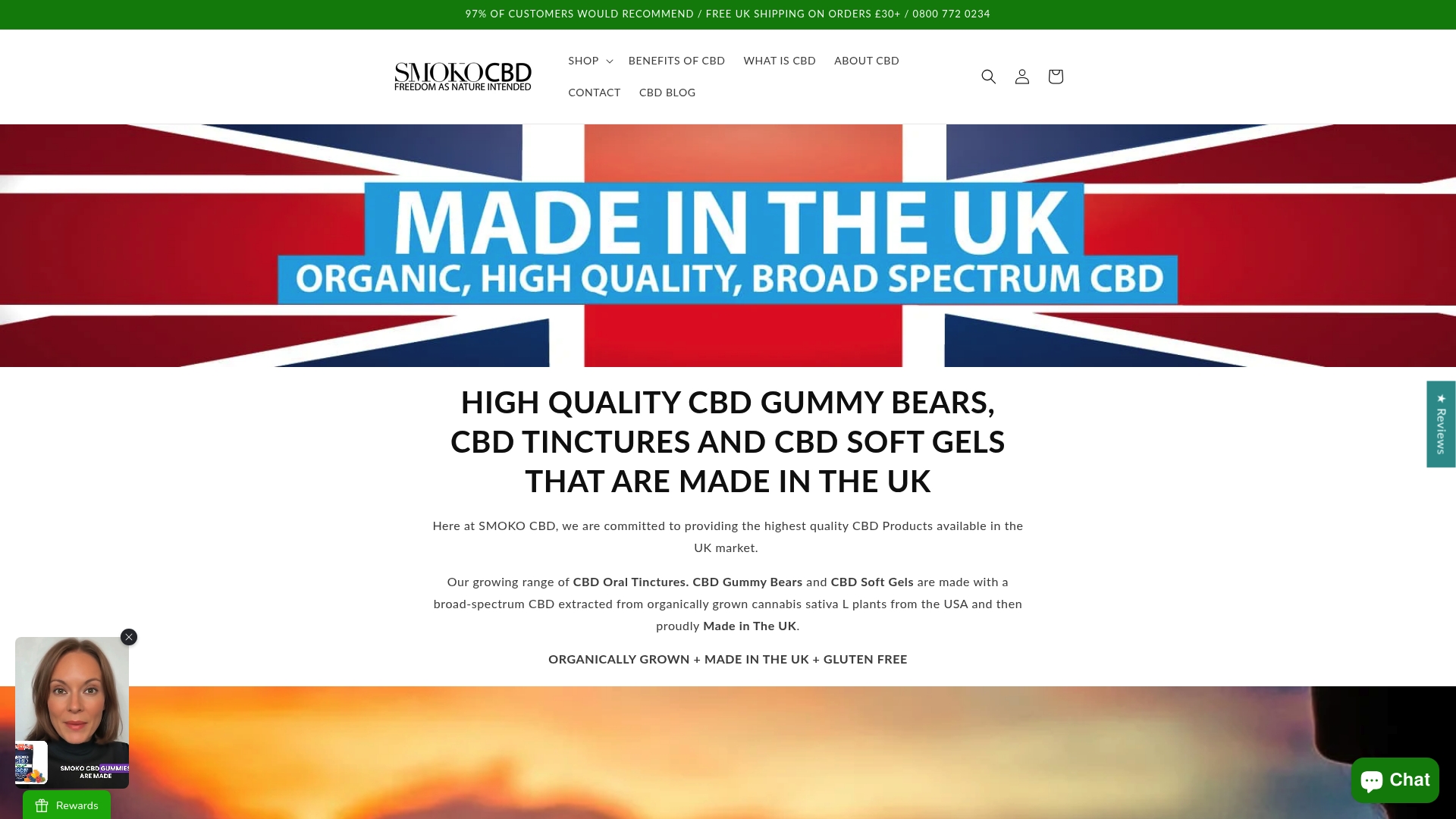
If your GP or pharmacist gives the go‑ahead, the product you choose matters as much as the decision itself. Smokocbd’s Mint 2000mg Broad Spectrum CBD Tincture is made in the UK from organically grown hemp, with third‑party lab testing confirming zero‑THC and a certificate of analysis available for anyone who wants to check potency before they buy.
Oral drops give you the dosing control that matters most when you’re starting low and monitoring for sedation, unlike vapes or edibles where the onset and intensity are harder to predict. A sensible starting point is a small measured drop under the tongue, held briefly, then adjusted only after you know how it affects you alongside your antihistamine. Broader guidance on how to use CBD safely alongside anti‑inflammatory approaches is covered in our comparison of anti‑inflammatory foods and CBD, useful reading before your first dose. For a wider view on CBD’s evidence base beyond allergies, the partner guide on CBD for pain relief is worth a look too. Confirm with your pharmacist first, then visit the product page to check the current COA before ordering.
Where this article’s guidance comes from
- NHS antihistamines page for drug classification and side‑effect profiles.
- PMC pharmacological review for CYP3A4/CYP2C19 interaction mechanisms.
- NCBI Bookshelf clinical guidance on liver monitoring and medication reconciliation.
- Harvard Health on additive sedation risk with CBD.
These sources back the mechanisms, risk classifications, and safety advice covered throughout this piece.
This article is general information, not a substitute for advice from a qualified doctor. Consult a qualified healthcare professional about your own circumstances before acting on anything here.
Sources
- Cannabidiol interactions with medications, illicit substances, and alcohol: a comprehensive review
- CBD and other medications: Proceed with caution — Harvard Health
- Antihistamines — NHS
- Cannabidiol (CBD) in clinical care — StatPearls / NCBI Bookshelf
FAQ
What medications should you not mix with CBD?
CBD can interact with any drug metabolised through CYP3A4 or CYP2C19, including some blood thinners, epilepsy medicines, and certain antihistamines, so check with a pharmacist before combining it with regular prescriptions.
What should you not mix with antihistamines?
Avoid combining antihistamines, particularly sedating ones like chlorphenamine, with alcohol, other sedatives, or CBD, since all three can compound drowsiness and impair coordination.
What drugs should not be taken with CBD according to the NHS?
The NHS doesn’t publish a specific banned list for CBD but advises checking with a GP or pharmacist before combining it with any prescribed medicine, given its broad CYP450 interaction potential.
Can CBD help with seasonal allergies directly?
Evidence for CBD easing allergy symptoms directly is limited to preclinical and small preliminary studies, so it shouldn’t replace antihistamines or other standard allergy treatments.
Is it safer to use CBD with second‑generation antihistamines like cetirizine or loratadine?
Second‑generation antihistamines generally carry lower sedation and interaction risk than first‑generation ones, but individual response varies, so professional advice is still recommended before combining either with CBD.