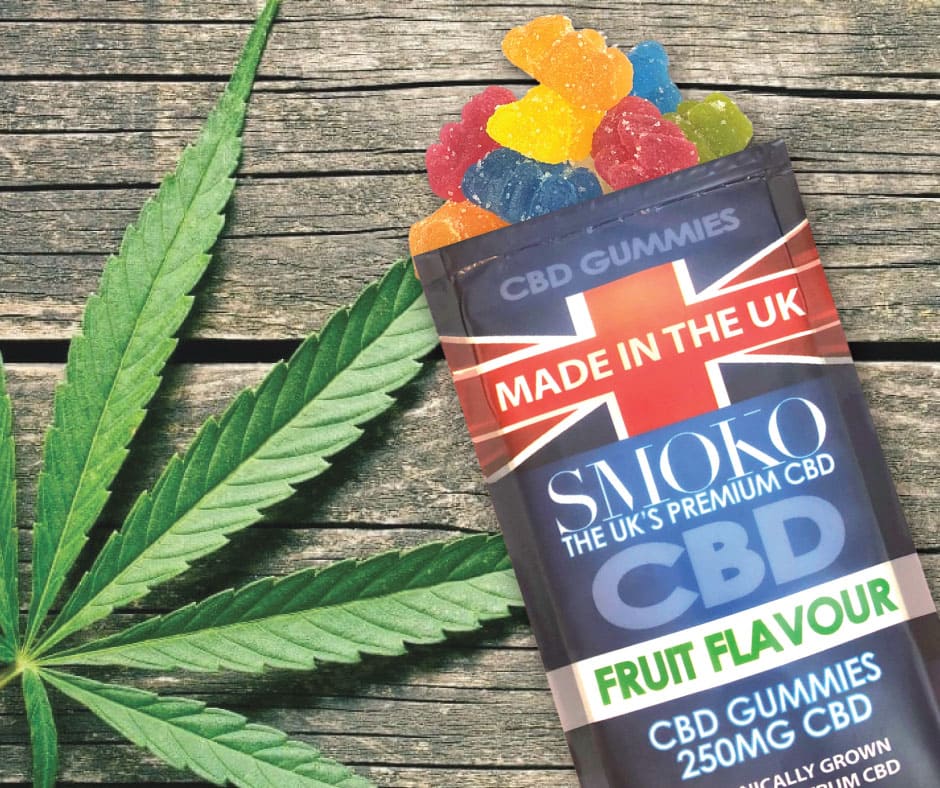
Finding the right CBD product for your wellness needs can feel overwhelming with countless options flooding the UK market. Many adults turn to CBD seeking natural relief from pain, anxiety, or sleep troubles, yet choosing safe, effective products requires careful consideration of dose, quality, and personal health factors. This article provides a practical checklist to guide you through selecting CBD products that align with your wellness goals whilst staying within UK safety guidelines, helping you make informed decisions with confidence.
Table of Contents
- How To Evaluate Your Needs And Set Criteria For Cbd Wellness Use
- Exploring Cbd Options For Pain, Anxiety And Sleep: Doses And Effects
- Comparing Cbd Product Types And Quality Markers
- Making The Right Cbd Choice: Checklist And Tips For Safe, Effective Use
- Explore High-Quality Cbd Products To Support Your Wellness Journey
Key takeaways
| Point | Details |
|---|---|
| Daily safety limit | The UK FSA recommends healthy adults limit CBD intake to 70mg per day without medical supervision. |
| Condition specific doses | Anxiety relief typically requires 10-50mg daily, sleep support 15-30mg before bed, whilst pain relief doses vary. |
| Quality markers matter | Choose third-party lab tested broad spectrum products with clear ingredient labels and zero THC content. |
| Check contraindications | Avoid CBD during pregnancy, lactation, or if you have a history of psychosis; consult your doctor if taking medications. |
How to evaluate your needs and set criteria for CBD wellness use
Before selecting any CBD product, identify your primary wellness goal. Are you seeking relief from chronic pain, looking to manage anxiety symptoms, or hoping to improve sleep quality? Each condition responds to different CBD approaches, so clarifying your objective helps narrow suitable products and doses. Understanding your specific need creates a foundation for making targeted choices rather than trying random products.
The UK Food Standards Agency recommends healthy adults do not exceed 70mg CBD per day without medical supervision. This safety threshold applies to all CBD consumption combined, whether from tinctures, gummies, or capsules. Staying within this limit protects you from potential side effects whilst allowing therapeutic benefits. Track your total daily intake across all CBD products to maintain safe usage.
Consider your personal health profile carefully before starting CBD. Certain conditions and circumstances create contraindications that make CBD unsuitable or require medical consultation. Review any prescription medications you take, as CBD can interact with drugs metabolised by liver enzymes. Assess whether you fall into high-risk categories that should avoid CBD entirely, such as pregnancy or lactation.
Set clear criteria for product selection focusing on quality markers. Prioritise these factors when evaluating options:
- Third-party laboratory testing certificates confirming cannabinoid content and purity
- Broad or full spectrum formulations for enhanced therapeutic effects
- Transparent sourcing information about hemp origin and extraction methods
- Clear labelling showing exact CBD concentration per serving
- Zero THC content to ensure legal compliance and avoid psychoactive effects
Pro Tip: Create a wellness journal to track your CBD use, recording doses, timing, and effects on your target symptoms. This data helps you identify patterns and optimise your approach over several weeks.
Understanding CBD dosage UK guidelines and safe limits ensures you start your wellness journey with appropriate expectations and safety measures in place.
Exploring CBD options for pain, anxiety and sleep: doses and effects
Different wellness goals require distinct CBD dosing strategies backed by research evidence. Anxiety management typically responds well to moderate doses, with studies showing 10-50mg daily producing improvements in 79% of cases. Most people find relief at the lower end of this range, starting around 10-15mg and gradually increasing if needed. The anxiolytic effects often appear within 30-60 minutes of consumption, making CBD useful for both ongoing anxiety management and situational stress.

Sleep improvement follows different parameters than anxiety relief. Research indicates 15-30mg taken before bed supports better rest when combined with good sleep hygiene practices. The timing matters significantly, take CBD 30-60 minutes before your target sleep time to allow absorption and onset of calming effects. Studies show 45% of sleep-focused CBD research demonstrates positive outcomes, though individual responses vary considerably.
Pain relief represents the most complex application for CBD dosing. Whilst many users report benefits, current evidence remains less definitive about optimal doses compared to anxiety and sleep applications. Some individuals find relief at lower doses around 20-30mg, whilst others require higher amounts approaching the UK safety limit. The type of pain matters too, neuropathic pain may respond differently than inflammatory conditions.
Key dosing considerations for each condition include:
- Anxiety: Start at 10mg, increase by 5mg weekly until symptoms improve or you reach 50mg
- Sleep: Begin with 15mg one hour before bed, adjust up to 30mg if needed after one week
- Pain: Trial 20mg twice daily, monitor effects over two weeks before adjusting dosage
- Combination symptoms: Address your primary concern first, then evaluate secondary benefits
Understanding CBD for anxiety and natural relief approaches helps you set realistic expectations for symptom improvement timelines. Similarly, learning how CBD works for sleep clarifies why timing and consistency matter for rest quality.
Comparing CBD product types and quality markers
CBD products come in several formats, each offering distinct advantages for different users and situations. Tinctures provide the most flexible dosing, allowing you to adjust intake precisely by measuring drops. They absorb quickly under the tongue, delivering effects within 15-30 minutes. Soft gel capsules offer convenience and consistent pre-measured doses, ideal for people who prefer simplicity over customisation. Gummies combine ease of use with discrete consumption, though they take longer to work due to digestive processing.
Product format comparison:
| Format | Onset Time | Duration | Dose Flexibility | Best For |
|---|---|---|---|---|
| Tinctures | 15-30 minutes | 4-6 hours | High | Custom dosing, rapid relief |
| Soft gels | 45-90 minutes | 6-8 hours | Low | Consistent daily use |
| Gummies | 60-120 minutes | 6-8 hours | Medium | Discrete use, taste preference |
| Topicals | 10-20 minutes | 2-4 hours | N/A | Localised pain only |
Quality markers separate effective products from substandard options. Third-party laboratory testing represents the gold standard for verification, confirming that products contain advertised CBD levels without contaminants. UK CBD registries show improvements in patient-reported outcomes but emphasise choosing high-quality products for reliable results. Request certificates of analysis showing cannabinoid profiles, heavy metal testing, pesticide screening, and microbial analysis.
Ingredient transparency matters significantly for safety and efficacy. Quality products list all components clearly, including carrier oils, flavourings, and additional botanicals. Broad spectrum formulations contain multiple cannabinoids and terpenes whilst eliminating THC, offering enhanced therapeutic potential through the entourage effect. Full spectrum products include trace THC amounts under 0.2%, legal in the UK but unsuitable for people who must avoid any THC exposure.
Drug interactions require careful consideration before starting CBD. The compound affects CYP450 enzymes in your liver, potentially altering how your body processes certain medications. Blood thinners, antidepressants, and seizure medications commonly interact with CBD. Review CBD testing certificates to verify product purity, and consult CBD drug interaction guidance if you take prescription medications.
Pro Tip: Choose products with batch-specific testing rather than generic certificates. Each production batch can vary slightly, so current testing ensures the product you receive matches quality claims.
Making the right CBD choice: checklist and tips for safe, effective use
Successful CBD use begins with thorough health assessment before your first dose. Avoid CBD if pregnant, lactating, or you have a history of psychosis, as these conditions create significant safety concerns. People with liver conditions should exercise particular caution, as CBD metabolism occurs primarily in the liver. If you take prescription medications, especially those metabolised by CYP450 enzymes, consult your healthcare provider before starting CBD.
Starting with conservative doses protects you from unwanted effects whilst allowing you to gauge individual response. Begin at the lower end of recommended ranges for your target condition, typically 10-15mg daily. Maintain this initial dose for at least one week, monitoring effects carefully in your wellness journal. Only increase by small increments of 5mg when needed, staying well within the UK 70mg daily limit.
Follow this step-by-step checklist for safe CBD selection and use:
- Identify your primary wellness goal and research appropriate dose ranges for that condition
- Verify you have no contraindications or medication interactions that preclude CBD use
- Select a product format that matches your lifestyle and dosing needs
- Confirm the product has third-party lab testing with current certificates of analysis
- Check that CBD concentration per serving aligns with your target dose range
- Start at the minimum effective dose and maintain it for one week minimum
- Track effects systematically, noting timing, dose, and symptom changes
- Adjust dose gradually only after establishing baseline response patterns
- Review total daily intake across all CBD products to stay within safety limits
- Schedule regular check-ins with your healthcare provider if using CBD long-term
Pro Tip: Take CBD at consistent times daily to establish stable blood levels and more predictable effects. Morning doses suit anxiety management, whilst evening timing works better for sleep support.
“The key to successful CBD use lies not in finding the highest dose, but in discovering the minimum effective amount that addresses your specific wellness needs whilst respecting safety boundaries.”
Understanding UK CBD regulatory compliance and legal requirements ensures you source products from legitimate providers who follow proper standards. This knowledge protects you from substandard or illegal products that could compromise your health.
Explore high-quality CBD products to support your wellness journey
SMOKO offers lab-tested broad spectrum CBD products designed to meet the quality criteria discussed throughout this checklist. Their range includes customisable tincture options and convenient pre-dosed formats to suit different wellness needs and preferences.
The SMOKO CBD mint flavour 1000mg tincture provides flexible dosing for people who want to adjust their intake precisely as they find their optimal amount. For those starting with lower doses, the SMOKO CBD citrus flavour 500mg tincture offers an accessible entry point. If you prefer discrete, pre-measured servings, SMOKO CBD gummy bears with 25mg per piece deliver consistent doses in a convenient format. All products undergo third-party testing to verify purity and potency, supporting your commitment to safe, effective CBD use.
FAQ
Can CBD cause drug interactions?
Yes, CBD can interact with medications metabolised by liver enzymes in the CYP450 family, potentially altering how your body processes these drugs. Common medications affected include blood thinners, certain antidepressants, and seizure medications. Always consult your doctor before combining CBD with prescription medications to avoid dangerous interactions. Review detailed CBD drug interaction guidance for comprehensive safety information.
Is CBD legal to use in the UK for wellness?
CBD is legal in the UK provided products contain less than 0.2% THC and meet regulatory standards set by the Food Standards Agency. Only purchase from compliant providers who can demonstrate third-party testing and proper licensing. Understanding CBD legal status in the UK helps you source products confidently whilst avoiding illegal or substandard options.
How do I find the right CBD dose for my needs?
Begin with a low dose at the bottom of the recommended range for your target condition, typically 10-15mg daily. Monitor effects for at least one week before adjusting, then increase gradually by 5mg increments if needed. Stay within the UK safety limit of 70mg per day and track your total intake across all CBD products. Follow step-by-step CBD dosing guidance for UK users to optimise your approach safely.
What is the difference between broad spectrum and full spectrum CBD?
Broad spectrum CBD contains multiple cannabinoids and terpenes but has THC completely removed, whilst full spectrum includes trace amounts of THC under the legal 0.2% limit. Both offer entourage effect benefits from multiple compounds working together. Choose broad spectrum if you must avoid all THC exposure for employment testing or personal preference, or select full spectrum if you want the complete cannabinoid profile for potentially enhanced effects.
How long does CBD take to work for anxiety or sleep?
CBD tinctures typically produce effects within 15-30 minutes when absorbed under the tongue, making them suitable for acute anxiety relief. For sleep support, take CBD 30-60 minutes before your target bedtime to allow onset of calming effects. Capsules and gummies require longer, usually 45-120 minutes due to digestive processing. Consistent daily use over several weeks often produces more pronounced benefits than single doses for chronic conditions.