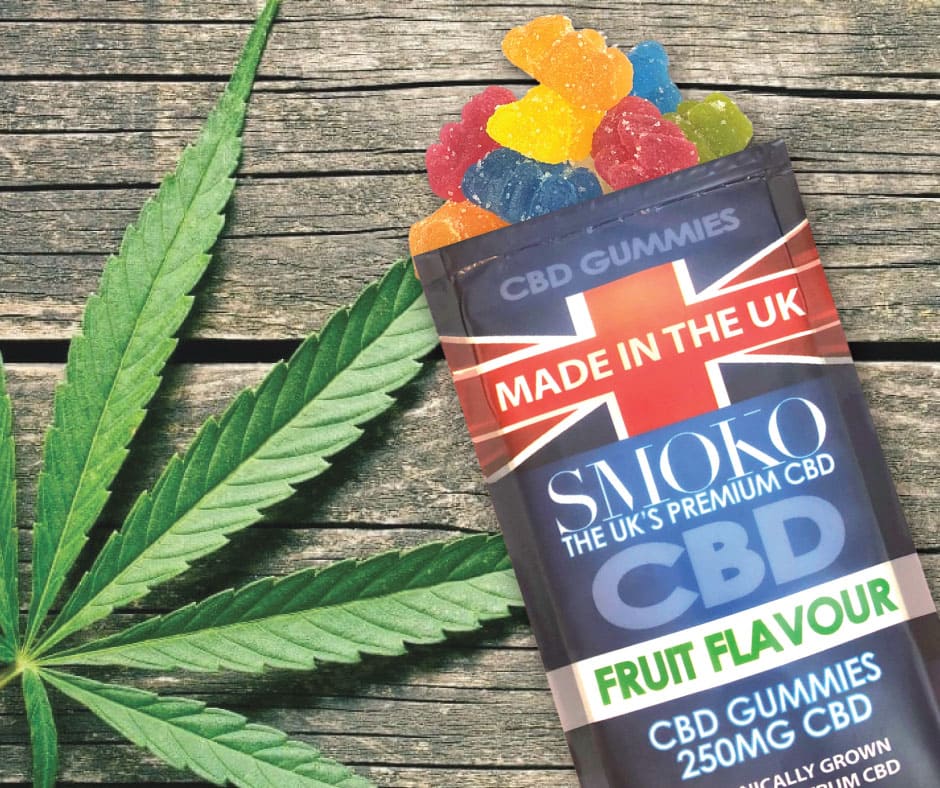
Chronic pain affects millions across the UK, prompting many to seek natural alternatives beyond conventional pharmaceuticals. CBD has emerged as a promising option, yet navigating the crowded marketplace can feel overwhelming. With varying product types, dosages, and quality standards, understanding how CBD interacts with your body becomes essential. This guide clarifies the science behind CBD’s pain relief potential, compares it with other natural options, and provides practical criteria to help you make informed decisions. Whether you’re managing inflammation or persistent discomfort, you’ll discover how to assess CBD products effectively and use them safely within UK regulations.
Table of Contents
- How To Evaluate CBD For Pain Relief: Key Criteria
- Top CBD Pain Relief Benefits Explained
- Comparing CBD With Other Natural Pain Relief Options
- Safety, Dosing And Regulatory Considerations For CBD In The UK
- Discover High-Quality CBD Products At SMOKO CBD
- Frequently Asked Questions
Key takeaways
| Point | Details |
|---|---|
| CBD modulates pain pathways | CBD interacts with endocannabinoid receptors to influence pain signals and reduce inflammation. |
| Product composition matters | Full-spectrum CBD may deliver enhanced benefits compared to isolate due to the entourage effect. |
| UK regulations are strict | The FSA recommends 10mg daily CBD intake and prohibits health claims on CBD products. |
| Quality and testing essential | Third-party lab testing ensures purity, potency, and compliance with zero THC requirements. |
| Consult healthcare professionals | Individual health conditions and potential drug interactions require professional guidance before use. |
How to evaluate CBD for pain relief: key criteria
Choosing the right CBD product requires understanding several critical factors that directly impact safety and effectiveness. The UK market offers numerous options, but not all products meet the same standards.
First, examine the cannabinoid composition. Full-spectrum products contain multiple hemp compounds including terpenes and flavonoids, whilst isolates provide pure CBD alone. Research suggests full-spectrum formulations may offer superior benefits through synergistic interactions between compounds. However, heterogeneity in study designs makes definitive conclusions challenging, so individual responses vary.
Dosage guidelines in the UK have recently become more conservative. The Food Standards Agency now recommends limiting daily CBD intake to 10mg, particularly for vulnerable populations. Start with lower doses and increase gradually whilst monitoring your response. Keep a journal tracking dosage, timing, and pain levels to identify what works best for your situation.
Product quality separates reputable brands from questionable ones. Look for companies that provide third-party lab certificates confirming cannabinoid content, absence of contaminants like pesticides or heavy metals, and zero THC levels. Organic hemp sourcing from regulated farms adds another layer of quality assurance.
Your individual health profile matters significantly. Certain medications interact with CBD, particularly blood thinners and drugs metabolised by liver enzymes. Pregnant individuals, those with liver conditions, and people taking multiple medications should exercise extra caution. Always discuss CBD use with your GP before starting, especially if you manage chronic conditions.
Pro Tip: Request lab certificates before purchasing any CBD product. Legitimate brands readily provide these documents, whilst evasive responses signal potential quality issues.
Top CBD pain relief benefits explained
Understanding how CBD works biologically helps explain its potential for managing pain and inflammation. The science centres on the endocannabinoid system, your body’s regulatory network controlling pain perception, immune response, and inflammatory processes.
Cannabinoids interact with the ECS to potentially reduce pain and inflammation through multiple mechanisms. CBD binds to CB1 receptors in the nervous system and CB2 receptors in immune cells, modulating how these systems communicate. This interaction can dampen pain signals before they reach conscious awareness.
Inflammation drives much chronic pain, and CBD reduces inflammatory markers like TNF-alpha and IL-6. These proteins trigger inflammatory cascades that sensitise nerve endings and perpetuate pain cycles. By lowering their activity, CBD may break this cycle and provide sustained relief rather than temporary masking.
Research highlights CBD’s promise for specific pain types:
- Musculoskeletal pain from arthritis or injury responds to CBD’s anti-inflammatory properties
- Neuropathic pain caused by nerve damage may improve through modulation of pain pathways
- Chronic pain conditions benefit from CBD’s ability to reduce central sensitisation
- Post-exercise inflammation decreases with consistent CBD use, supporting recovery
One compelling benefit involves opioid reduction. Some studies suggest CBD helps patients lower opioid dependence for pain management, offering a safer long-term alternative. Opioids carry significant addiction risks and side effects, whilst CBD presents a gentler profile for sustained use.
“CBD’s interaction with CB1 and CB2 receptors creates a multi-targeted approach to pain relief, addressing both the sensation and inflammatory source simultaneously.”
The biological mechanisms explain why CBD doesn’t simply mask pain like conventional analgesics. Instead, it influences the underlying processes generating discomfort. This fundamental difference makes CBD particularly valuable for chronic conditions requiring ongoing management rather than acute symptom relief.

You might experience benefits within days for inflammation-related pain, whilst neuropathic conditions may require several weeks of consistent use. Patience and proper dosing prove essential for achieving optimal results.
Comparing CBD with other natural pain relief options
Evaluating CBD alongside other natural compounds provides perspective on its relative effectiveness and helps you make informed choices based on your specific pain type.
THC, CBD’s psychoactive cousin, actually demonstrates superior effectiveness for neuropathic pain in clinical comparisons. However, THC remains largely restricted in the UK due to its intoxicating effects and legal status. CBD offers pain relief without cognitive impairment, making it suitable for daily use whilst maintaining normal function.
Capsaicin, derived from chilli peppers, excels for anxiety accompanying chronic pain rather than the pain itself. This distinction matters because psychological factors significantly influence pain perception. Combining approaches that address both physical and emotional dimensions often yields better outcomes than single interventions.
The entourage effect suggests CBD works more effectively alongside other hemp compounds. Full-spectrum products containing terpenes, flavonoids, and trace cannabinoids may deliver enhanced benefits compared to pure CBD isolate. This synergy creates a sum greater than individual parts.
| Compound | Primary Benefit | Onset Time | UK Legal Status |
|---|---|---|---|
| CBD | Inflammation and pain modulation | 30 minutes to 2 weeks | Legal with restrictions |
| THC | Neuropathic pain relief | 15 minutes to 1 hour | Restricted, prescription only |
| Capsaicin | Anxiety reduction | Immediate to several days | Widely available |
| Turmeric | Anti-inflammatory | Several weeks | Widely available |
Side effects differ considerably between options. CBD typically causes mild effects like drowsiness or digestive changes, whilst THC produces cognitive impairment unsuitable for work or driving. Capsaicin creates burning sensations that some find intolerable, particularly during initial applications.
Consider your lifestyle when choosing interventions. CBD suits individuals needing consistent relief without functional impairment. Those with severe neuropathic pain might require prescription cannabinoids containing THC. Combination approaches often prove most effective, using CBD as a foundation supplemented by targeted interventions for specific symptoms.
Pro Tip: Start with CBD alone for two weeks before adding other natural compounds. This baseline period reveals CBD’s individual effects, making it easier to assess whether additional interventions provide meaningful benefits.
Safety, dosing and regulatory considerations for CBD in the UK
Navigating UK regulations and safety guidelines ensures you use CBD responsibly whilst maximising potential benefits and minimising risks.
CBD products face strict regulation as novel foods, with companies prohibited from making medical claims. The FSA recently reduced recommended daily intake to 10mg, reflecting evolving safety data. This conservative guidance aims to protect consumers, particularly vulnerable groups, whilst research continues establishing long-term safety profiles.
Dosing recommendations vary based on individual factors including body weight, metabolism, pain severity, and product concentration. The step-by-step approach involves starting low and increasing gradually. Begin with 5mg daily for one week, then increase by 5mg increments weekly until achieving desired relief. Never exceed 70mg daily without medical supervision.
Certain populations should avoid cannabis and cannabinoids due to potential harms:
- Pregnant or breastfeeding individuals face unknown risks to foetal development
- People with psychosis or severe mental health conditions may experience symptom worsening
- Those with cardiovascular disease should exercise caution due to potential blood pressure effects
- Individuals under 25 should avoid regular use as brain development continues
Inhaled cannabis receives specific caution for chronic pain management. Smoking or vaping introduces respiratory risks and unpredictable dosing compared to oral products. Tinctures and capsules provide precise, measurable doses without lung exposure.
Product quality vigilance protects your health. Verify third-party testing certificates confirm zero THC content, accurate CBD concentration, and absence of contaminants. Reputable brands transparently share these documents, whilst evasive companies raise red flags about product integrity.
Drug interactions require professional assessment. CBD inhibits certain liver enzymes metabolising medications, potentially increasing drug levels in your bloodstream. Blood thinners, anti-seizure medications, and some antidepressants particularly warrant caution. Your pharmacist can review your medication list for potential interactions.
Monitor your response carefully during initial weeks. Keep notes tracking pain levels, sleep quality, mood changes, and any side effects. This documentation helps identify optimal dosing and provides valuable information for healthcare discussions.
Discover high-quality CBD products at SMOKO CBD
Finding trustworthy CBD products that meet UK standards whilst delivering genuine wellness benefits requires careful supplier selection. SMOKO CBD specialises in broad-spectrum formulations designed specifically for natural pain relief and inflammation management.
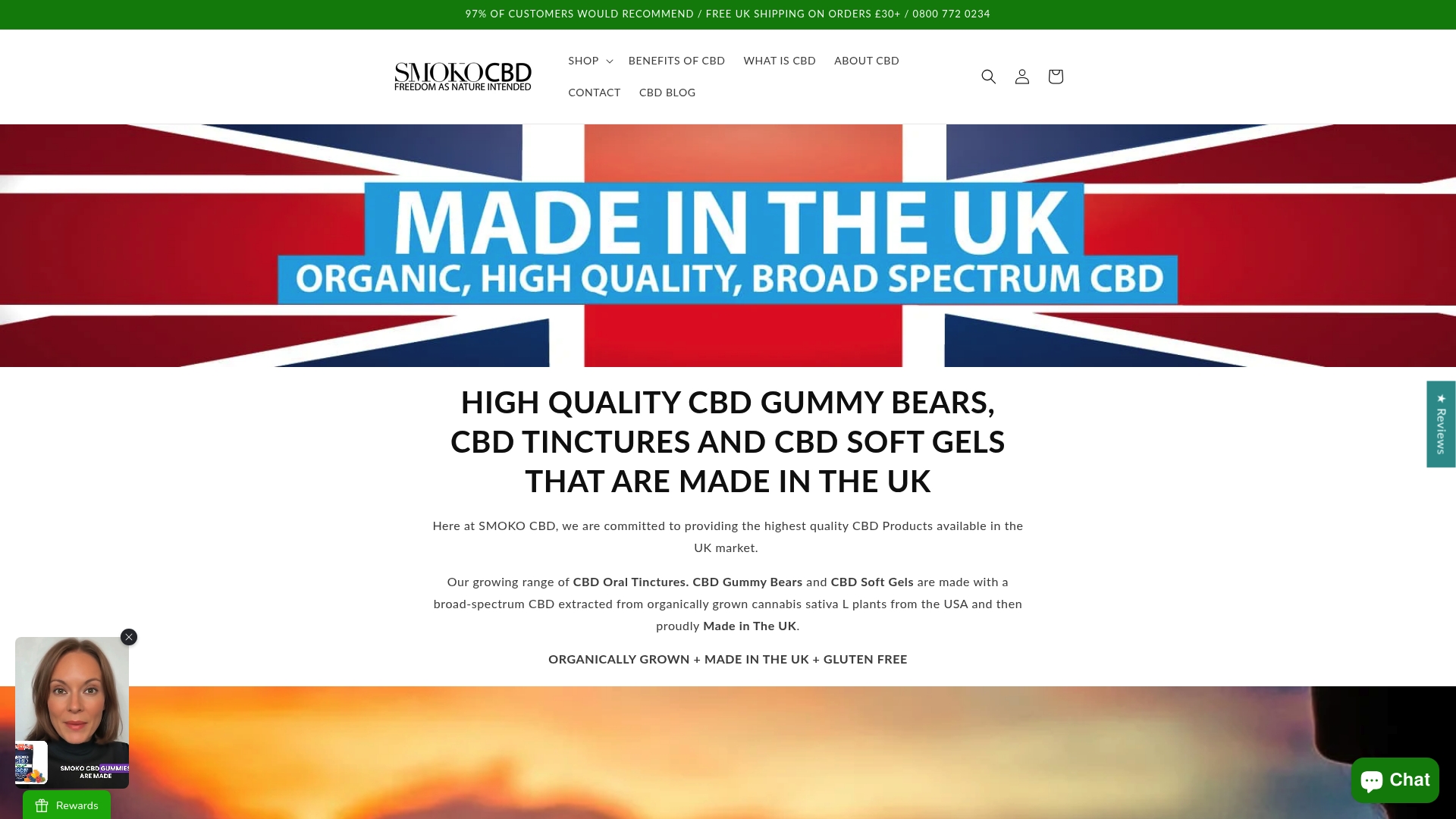
Their mint flavour tinctures provide precise dosing control with 1000mg concentration, allowing you to adjust intake according to your individual needs. The MCT oil base enhances absorption, whilst the refreshing mint taste makes daily use pleasant. Each bottle includes clear dosing instructions aligned with UK safety guidelines.
For those preferring capsules, the 750mg soft gels and gummies combination offers convenient pre-measured doses perfect for consistent daily routines. Soft gels suit individuals wanting tasteless administration, whilst gummies provide an enjoyable alternative with the same quality standards.
Every SMOKO CBD product comes with comprehensive testing certificates verifying purity, potency, and zero THC content. This transparency demonstrates their commitment to quality and regulatory compliance, giving you confidence in what you’re consuming. The broad-spectrum formulation preserves beneficial hemp compounds whilst eliminating THC, optimising the entourage effect within legal requirements.
Frequently asked questions
Can CBD cure chronic pain completely?
CBD does not cure chronic pain but may significantly reduce symptoms and improve quality of life. It works by modulating pain pathways and reducing inflammation rather than addressing underlying disease causes. Most research shows CBD as a management tool requiring ongoing use, similar to other chronic pain treatments. Expectations should focus on symptom relief and functional improvement rather than complete elimination of pain.
What dosage of CBD is recommended for pain relief in the UK?
The FSA currently recommends limiting CBD intake to 10mg daily as a precautionary measure, though individual needs vary considerably. Many people find effective relief at doses between 20mg and 40mg daily, but starting low and increasing gradually remains the safest approach. Proper dosing guidance helps you find your optimal level whilst respecting safety boundaries. Always consult healthcare professionals before exceeding recommended limits, particularly if you take other medications or manage chronic conditions.
Are there any safety concerns or side effects with using CBD for pain?
Clinical studies report mild side effects including drowsiness, digestive changes, and appetite fluctuations in some users. Vulnerable groups including pregnant individuals, those with mental health conditions, and people with liver disease should avoid CBD without medical supervision. Quality matters significantly, as contaminated products pose additional risks beyond CBD itself. Start with low doses and monitor your response carefully, discontinuing use if concerning symptoms develop.
How does full-spectrum CBD differ from CBD isolate for pain relief?
Full-spectrum products contain multiple hemp compounds including terpenes, flavonoids, and trace cannabinoids that work synergistically, whilst isolates provide pure CBD alone. The entourage effect suggests combined compounds enhance overall effectiveness compared to isolated CBD. However, broad-spectrum formulations offer a middle ground, preserving beneficial compounds whilst removing THC entirely. Individual responses vary, so experimentation may reveal which formulation works best for your specific pain type and personal biochemistry.