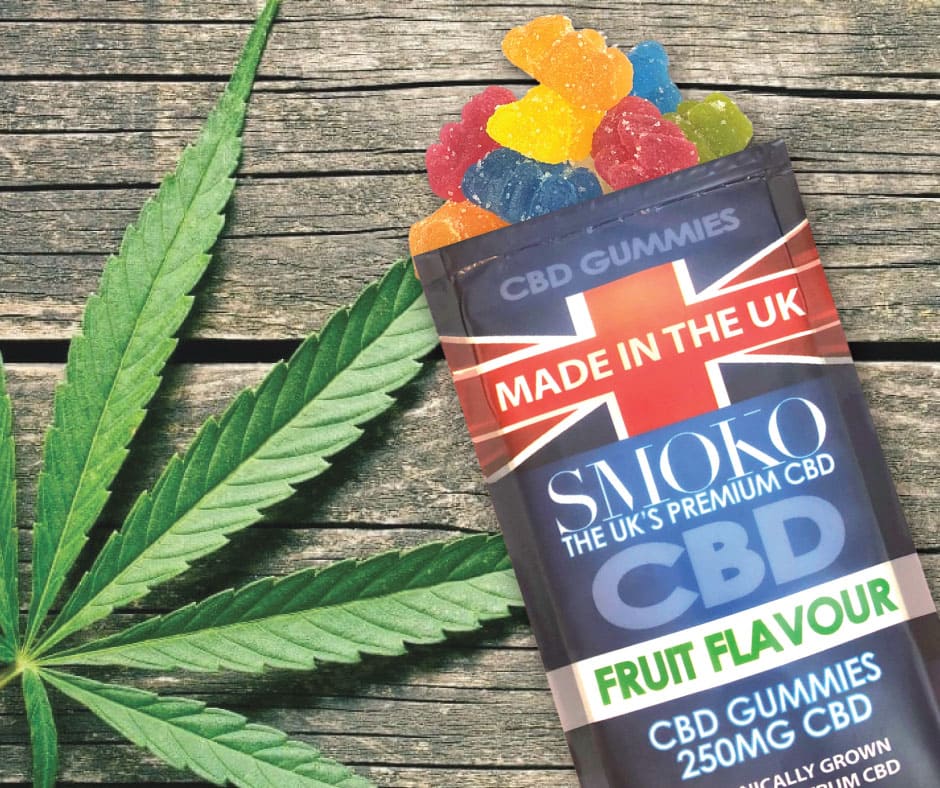
Anxiety affects millions of adults in the UK, yet finding natural, effective relief remains a persistent challenge. Many turn to CBD as a promising option, but without clear guidance, results can feel uncertain. This guide presents a proven, evidence-backed workflow for using CBD to manage anxiety effectively in 2026, helping you navigate product selection, dosage, and monitoring with confidence.
Table of Contents
- Understanding How CBD Interacts With Anxiety
- Preparing To Use CBD Safely For Anxiety Management
- Step-By-Step Workflow For Using CBD To Manage Anxiety
- Monitoring Progress And Knowing What To Expect From CBD
- Explore Quality CBD Products To Support Your Anxiety Relief Journey
- Frequently Asked Questions
Key takeaways
| Point | Details |
|---|---|
| CBD influences anxiety pathways | CBD interacts with the endocannabinoid system to modulate stress and anxiety responses naturally. |
| Quality and testing matter | Lab-tested, broad-spectrum CBD products ensure safety and compliance with UK standards. |
| Follow a clear workflow | Preparation, consistent use, and symptom tracking maximise CBD’s anxiety relief benefits. |
| Start low and go slow | Begin with 5-10mg daily, increasing gradually whilst monitoring effects and potential interactions. |
| Patience yields results | CBD’s multi-targeted effects require several weeks of consistent use to manifest fully. |
Understanding how CBD interacts with anxiety
Your body’s endocannabinoid system (ECS) serves as a master regulator for anxiety and stress responses. This intricate network of receptors and signalling molecules maintains emotional balance, influencing how you react to daily pressures. Endocannabinoid signalling modulates stress and anxiety-related behaviours through complex neural pathways.
CBD works by interacting with the ECS, though not in the way many expect. Rather than binding directly to cannabinoid receptors like THC, CBD influences the system more subtly. It increases levels of anandamide, often called the “bliss molecule,” which your body naturally produces to regulate mood and anxiety states. When anandamide levels rise, anxiety symptoms often decrease.
The science behind CBD’s anxiety relief extends beyond simple receptor interactions. Research shows CBD’s multifaceted mechanisms include neuroprotective and anxiolytic effects acting at multiple molecular targets. This promiscuous activity explains why CBD influences various aspects of anxiety, from racing thoughts to physical tension.
Key brain regions respond to CBD’s influence:
- The amygdala, your brain’s fear centre, shows reduced hyperactivity
- The prefrontal cortex gains improved emotional regulation capacity
- The hippocampus experiences enhanced neuroplasticity and stress resilience
- Serotonin receptors receive indirect modulation, supporting mood stability
Understanding endocannabinoid signalling in anxiety reveals why CBD offers unique therapeutic potential. Unlike pharmaceutical interventions that target single pathways, CBD’s multi-targeted approach addresses anxiety’s complex biological foundations. This makes it particularly appealing for those seeking natural alternatives.
The molecule’s ability to influence multiple systems simultaneously creates a comprehensive effect. You’re not just masking symptoms but potentially addressing underlying imbalances. This holistic action explains why many users report improvements not only in anxiety but also in sleep quality, pain perception, and overall wellbeing. For deeper insights, explore CBD for anxiety explained to understand practical applications.
“The endocannabinoid system represents a promising therapeutic target for stress-related psychiatric disorders, with CBD offering a well-tolerated intervention strategy.”
Preparing to use CBD safely for anxiety management
Before incorporating CBD into your anxiety management routine, proper preparation ensures both safety and effectiveness. Product selection forms the foundation of successful CBD use. Choose broad-spectrum or isolate CBD products with purity levels of 98% or higher. These formulations contain no THC, eliminating any psychoactive effects whilst maintaining therapeutic benefits.

Verifying product quality protects you from substandard offerings flooding the market. Always check for third-party lab testing certificates, which confirm cannabinoid content and screen for contaminants like heavy metals, pesticides, and residual solvents. Reputable brands display these certificates openly, demonstrating transparency and commitment to consumer safety.
The UK regulatory landscape requires your attention. Whilst highly purified CBD preparations have regulatory approval for specific medical uses, broader safety concerns remain under review. The Food Standards Agency continues evaluating CBD products, and CBD isolate safety assessments found insufficient data for general novel food authorisation. Stay informed about evolving regulations by reviewing UK CBD regulations guide regularly.
Dosage considerations require careful thought:
- Start with 5-10mg daily to assess individual tolerance
- Increase gradually by 5mg increments every 3-5 days
- Most anxiety relief occurs between 15-40mg daily
- Body weight, metabolism, and anxiety severity influence optimal dosing
Consulting healthcare providers becomes essential in specific circumstances. If you take prescription medications, particularly blood thinners, antidepressants, or benzodiazepines, professional guidance prevents potential interactions. Pregnant or lactating individuals should avoid CBD until more safety data emerges. Those with liver conditions need medical supervision due to CBD’s hepatic metabolism.
Pro Tip: Create a CBD journal before starting, noting baseline anxiety levels, sleep patterns, and physical symptoms. This documentation helps track progress objectively and identifies patterns you might otherwise miss.
Understanding CBD isolate guide principles helps you distinguish between product types. Isolates offer pure CBD without other hemp compounds, whilst broad-spectrum products contain additional beneficial cannabinoids minus THC. Full-spectrum products, though effective, contain trace THC and may not suit everyone in the UK market.
Preparation extends to lifestyle factors supporting CBD’s effectiveness. Maintain consistent sleep schedules, as poor sleep amplifies anxiety and reduces CBD’s benefits. Stay hydrated, as CBD metabolism requires adequate water intake. Consider timing CBD doses with meals containing healthy fats, which enhance absorption through improved bioavailability.
Step-by-step workflow for using CBD to manage anxiety
Implementing a structured approach maximises CBD’s anxiety-relieving potential. This workflow guides you through each phase, from initial assessment to consistent daily practice.
-
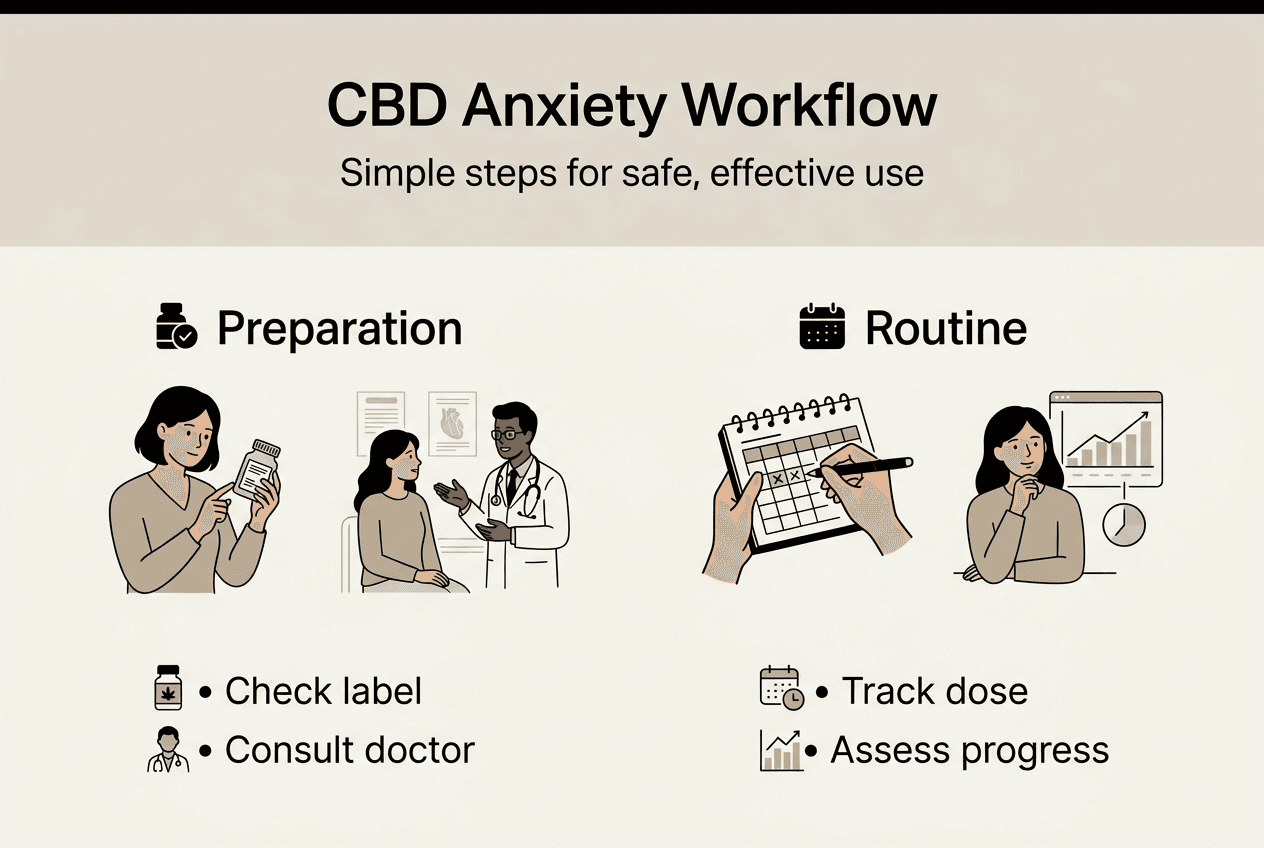
Assess your anxiety baseline: Document current anxiety severity using a simple 1-10 scale daily for one week before starting CBD. Note triggers, physical symptoms, and times of day when anxiety peaks. This baseline provides crucial comparison data later.
-
Select your CBD product format: Choose between oils, capsules, or gummies based on lifestyle preferences. Oils offer flexible dosing and faster absorption under the tongue. Capsules provide precise, convenient dosing for busy schedules. Gummies deliver enjoyable consumption but slower onset times.
-
Establish your starting dose: Begin with 5-10mg daily, taken at the same time each day. Morning dosing suits those with daytime anxiety, whilst evening use helps sleep-related anxiety. Consistency matters more than timing.
-
Create a daily routine: Integrate CBD into existing habits for better adherence. Pair it with morning coffee, lunch, or bedtime rituals. Set phone reminders until the habit solidifies naturally.
-
Track symptoms weekly: Review your anxiety journal every seven days, noting changes in intensity, frequency, and duration of anxious episodes. Record any side effects, however minor.
-
Adjust dosage methodically: If no improvement appears after one week, increase by 5mg. Continue weekly assessments and adjustments until you find your effective dose, typically between 15-40mg daily.
| Week | Starting Dose | Assessment Action | Expected Outcome |
|---|---|---|---|
| 1 | 5-10mg | Establish baseline, monitor tolerance | Minimal effects, assess side effects |
| 2-3 | 10-20mg | Increase if needed, track changes | Subtle anxiety reduction begins |
| 4-6 | 15-30mg | Fine-tune to optimal dose | Noticeable symptom improvement |
| 7+ | Maintain optimal | Continue monitoring, adjust seasonally | Sustained anxiety management |
Research confirms this methodical approach works. Studies show pharmacological augmentation of the endocannabinoid system may treat stress-related disorders effectively when applied consistently. Additionally, medicinal cannabis including CBD can improve anxiety symptoms according to high-quality meta-analyses.
Pro Tip: Take CBD sublingually by holding oil under your tongue for 60-90 seconds before swallowing. This allows direct absorption into bloodstream, bypassing digestive metabolism for faster, more efficient effects.
Consider combining CBD with complementary practices. Mindfulness meditation, regular exercise, and cognitive behavioural techniques amplify CBD’s benefits through synergistic mechanisms. The combination addresses anxiety from multiple angles, creating more robust, lasting relief than any single intervention alone.
If combining CBD with other treatments, maintain open communication with healthcare providers. Document all supplements and medications in your journal. This transparency ensures safety and helps identify which interventions contribute most to your improvement. Learn more about CBD oil impact on anxiety to understand mechanisms supporting this workflow.
Monitoring progress and knowing what to expect from CBD
Understanding CBD’s timeline and effects helps set realistic expectations whilst tracking meaningful progress. Unlike pharmaceutical anxiolytics that work within hours, CBD’s benefits unfold gradually over weeks. This slower onset reflects its mechanism of supporting natural endocannabinoid function rather than forcing immediate neurochemical changes.
Most users notice initial subtle shifts within 7-14 days. These early signs include slightly improved sleep quality, reduced physical tension, or decreased rumination intensity. Significant anxiety reduction typically emerges between weeks 3-6 of consistent use. Research demonstrates symptom relief correlates with increased anandamide levels after CBD intervention, explaining this delayed but sustained effect.
Tracking methods that reveal genuine progress:
- Daily anxiety ratings (1-10 scale) plotted weekly to visualise trends
- Sleep quality logs noting hours slept and restfulness upon waking
- Physical symptom checklists tracking tension, digestive issues, and headaches
- Functional assessments measuring work productivity and social engagement
- Mood journals capturing emotional patterns and trigger responses
Side effects, though generally mild, deserve attention. Approximately 10-15% of users experience fatigue, particularly at higher doses or when starting. Digestive changes, including diarrhoea or appetite shifts, affect fewer than 5% of users. Dry mouth occurs occasionally, easily managed with increased water intake. These effects typically diminish within 1-2 weeks as your body adjusts.
Rare but important warning signs include persistent nausea, significant fatigue interfering with daily function, or mood changes like increased irritability. If these occur, reduce your dose by half and consult a healthcare provider. Never abruptly stop CBD after prolonged use at high doses. Taper gradually over 1-2 weeks, decreasing by 25% every few days to avoid potential rebound anxiety.
Comparing CBD with other natural anxiety remedies provides perspective:
| Remedy | Onset Time | Evidence Strength | Side Effects | Cost |
|---|---|---|---|---|
| CBD | 2-6 weeks | Moderate to strong | Minimal | Moderate |
| L-theanine | 30-60 minutes | Moderate | Very low | Low |
| Ashwagandha | 2-4 weeks | Strong | Low | Low |
| Magnesium | 1-2 weeks | Moderate | Digestive (high doses) | Very low |
| Lavender oil | Immediate (aromatherapy) | Moderate | Minimal | Low |
CBD’s unique advantage lies in its multi-targeted mechanism and sustained effects without tolerance development. Unlike some herbal remedies requiring cycling or breaks, CBD maintains effectiveness with long-term use. Its interaction with the endocannabinoid system creates lasting adaptations rather than temporary symptom suppression.
Long-term success requires periodic reassessment. Every 2-3 months, evaluate whether your current dose remains optimal. Seasonal changes, life stressors, and hormonal fluctuations may necessitate temporary adjustments. Some users find they can reduce doses after 6-12 months as underlying anxiety patterns shift.
For comprehensive natural strategies, explore natural anxiety relief tips that complement CBD use. Combining approaches often produces superior results compared to relying on any single intervention, creating a robust, personalised anxiety management system.
Explore quality CBD products to support your anxiety relief journey
Now that you understand the complete workflow for using CBD to manage anxiety, accessing trusted, lab-tested products becomes your next step. SMOKO CBD specialises in broad-spectrum formulations designed specifically for natural anxiety support, all manufactured to rigorous UK safety standards.
Browse premium options including the SMOKO CBD mint 1000mg tincture for refreshing daily use, or try the SMOKO CBD citrus 500mg tincture if you prefer starting with lower concentrations. For convenient, precise dosing, SMOKO CBD 750mg soft gels offer an ideal solution for busy lifestyles. Every product undergoes third-party testing to verify purity and potency, ensuring you receive exactly what the label promises. Visit SMOKO CBD to find detailed product descriptions, usage guidance, and customer support to begin your anxiety relief journey with confidence.
Frequently asked questions
Can I take CBD with other anxiety medications?
CBD can interact with certain medications, particularly benzodiazepines, SSRIs, and blood thinners, by affecting liver enzymes that metabolise these drugs. Always consult your healthcare provider before combining CBD with prescription anxiety medications to avoid potential interactions or altered drug effectiveness. Detailed guidance appears in the CBD drug interactions guide.
How long does it take for CBD to reduce anxiety symptoms?
Most people notice subtle improvements within 7-14 days, with significant anxiety reduction emerging between weeks 3-6 of consistent daily use. CBD works by supporting your endocannabinoid system rather than forcing immediate changes, so patience and regular dosing are essential. Individual timelines vary based on anxiety severity, dosage, and metabolism.
Is CBD safe for daily use in the UK?
High-purity CBD isolate and broad-spectrum products are generally safe for daily use when sourced from reputable suppliers with third-party testing. However, UK regulators continue reviewing CBD’s novel food status, so staying informed about evolving regulations remains important. Choose products with verified lab certificates and zero THC content for maximum safety and legal compliance.
What dose of CBD should I start with for anxiety?
Begin with 5-10mg daily, taken consistently at the same time each day. After one week, increase by 5mg if needed, continuing weekly assessments until you find your effective dose. Most people achieve anxiety relief between 15-40mg daily, though individual needs vary based on body weight, metabolism, and anxiety severity.
Are there any side effects I should watch for?
Common side effects include mild fatigue (10-15% of users), digestive changes (under 5%), and occasional dry mouth, typically resolving within 1-2 weeks. Rare warning signs like persistent nausea, significant fatigue interfering with daily activities, or mood changes warrant dose reduction and medical consultation. Most users tolerate CBD well with minimal adverse effects.