TL;DR:
- Zero THC CBD products contain non-detectable or trace levels of THC, ensuring no psychoactive effects and avoiding drug test issues. They are verified through rigorous third-party lab testing with transparent Certificates of Analysis and comply with evolving regulations worldwide. These products offer wellness benefits like pain relief, anxiety reduction, and better sleep, making trust in brand transparency essential for safe and effective use.
If you’re exploring CBD for pain relief, better sleep, or calmer days but feel unsure about THC, you’re far from alone. The advantages of zero THC CBD go well beyond simply avoiding a “high.” They touch on safety, legal compliance, drug testing confidence, and the ability to take a consistent daily dose without any uncertainty about how you might feel afterwards. This article unpacks exactly what zero THC CBD is, why it matters for wellness-focused adults, and how to choose products you can genuinely trust.
Table of Contents
- Key takeaways
- 1. What zero THC CBD actually means
- 2. Purity and safety assurance
- 3. Health and wellness benefits of zero THC CBD
- 4. Avoiding psychoactive effects and drug testing risks
- 5. Comparing zero THC CBD with other types of CBD products
- 6. Practical tips for selecting and using zero THC CBD products
- My honest take on zero THC CBD after years of watching this space
- Try Smokocbd’s verified zero THC CBD products
- FAQ
Key takeaways
| Point | Details |
|---|---|
| Zero THC means no psychoactive effects | You get the full calming and pain-relieving benefits of CBD without any mind-altering results. |
| Third-party lab testing is non-negotiable | Always check a Certificate of Analysis to verify THC levels are non-detectable before buying. |
| Health benefits are well-supported | Research backs CBD’s role in reducing anxiety, easing pain, and improving sleep quality. |
| Drug test safety is a real advantage | Verified THC-free formulations prevent THC metabolites from appearing in urine screenings. |
| Choose your product form wisely | Tinctures, capsules, and gummies each suit different routines and dosage preferences. |
1. What zero THC CBD actually means
Zero THC CBD refers to CBD products that have been processed and tested to remove or exclude THC (tetrahydrocannabinol) entirely. In practice, this typically means THC registers as non-detectable (ND) on laboratory tests rather than a literal absolute zero, because chemistry at the molecular level always has a floor set by the sensitivity of the testing equipment itself.
Absolute zero THC is nearly impossible to confirm due to detection limits. What matters is that reputable products test below the limit of detection (LOD), which can be as low as 1 part per million or less. Premium CBD isolate, for example, reaches purity above 99% with THC verified below 1ppm, placing it well within safe and compliant territory.
Understanding this distinction matters because not every product labelled “THC-free” is the same. The rigour of the lab methodology, the sensitivity of the testing equipment, and the transparency of the brand all determine what that claim actually means in real terms.
2. Purity and safety assurance
Zero THC CBD products that earn genuine consumer trust are built on a foundation of rigorous manufacturing and third-party verification. Here is what to look for when assessing a product’s safety credentials:
- Certificate of Analysis (COA): A batch-specific report from an independent laboratory confirming cannabinoid content, THC levels, and the absence of contaminants such as heavy metals or pesticides.
- Limits of detection and quantification: The COA should state the LOD and LOQ (limit of quantification) so you know exactly how sensitive the test was. A THC reading of “ND” on a test with a poor LOD is far less reassuring than “ND” on a high-sensitivity instrument.
- cGMP manufacturing: Current Good Manufacturing Practice certification signals the facility meets pharmaceutical-grade production standards.
- Regulatory compliance: In the UK, CBD products must comply with UK CBD regulations governing novel food authorisation and allowable cannabinoid profiles.
Globally, regulatory frameworks are tightening. New federal rules from November 2026 in the US redefine total THC limits at 0.4 mg per container, which will push brands worldwide to reformulate and increase verification standards. For UK consumers, this signals a welcome shift towards greater transparency across the entire supply chain.
Pro Tip: Always request the COA for the specific batch number printed on your product. Brands that post only a single generic test report may not be testing every production run.
3. Health and wellness benefits of zero THC CBD
The health benefits of zero THC CBD are the main reason most people explore it in the first place. The good news is that the research increasingly supports what many users already report from personal experience.
- Pain and inflammation relief: CBD reduces inflammation and modulates pain-related pathways through the endocannabinoid system without the interference that THC can introduce. For people sensitive to any psychoactive compounds, this makes zero THC CBD a cleaner option.
- Anxiety and mood support: CBD’s anxiolytic properties operate independently of THC. Studies show cannabidiol can tone down the overactive stress response by interacting with serotonin receptors, offering a calming effect without sedation or impairment.
- Sleep quality improvement: CBD interacts with receptors regulating sleep cycles, helping to ease the transition into sleep and supporting more consistent rest throughout the night. Unlike THC, which can disrupt REM sleep over time, zero THC CBD carries no such risk.
- No risk of worsening anxiety: THC can ramp up anxiety or paranoia in some users, particularly at higher doses. Zero THC CBD removes that variable entirely, making it far more predictable for sensitive individuals.
- Consistent daily use: Without THC, there is no build-up of psychoactive compounds and no “tolerance” effect that changes how the product makes you feel over time.
Compared to full-spectrum CBD, which contains trace THC alongside other cannabinoids, zero THC broad-spectrum or isolate products offer a comparable wellness experience for most users. The so-called “entourage effect” (the theory that cannabinoids work better together) remains debated, and for many people the practical benefits of zero THC far outweigh any theoretical loss of synergy.
4. Avoiding psychoactive effects and drug testing risks
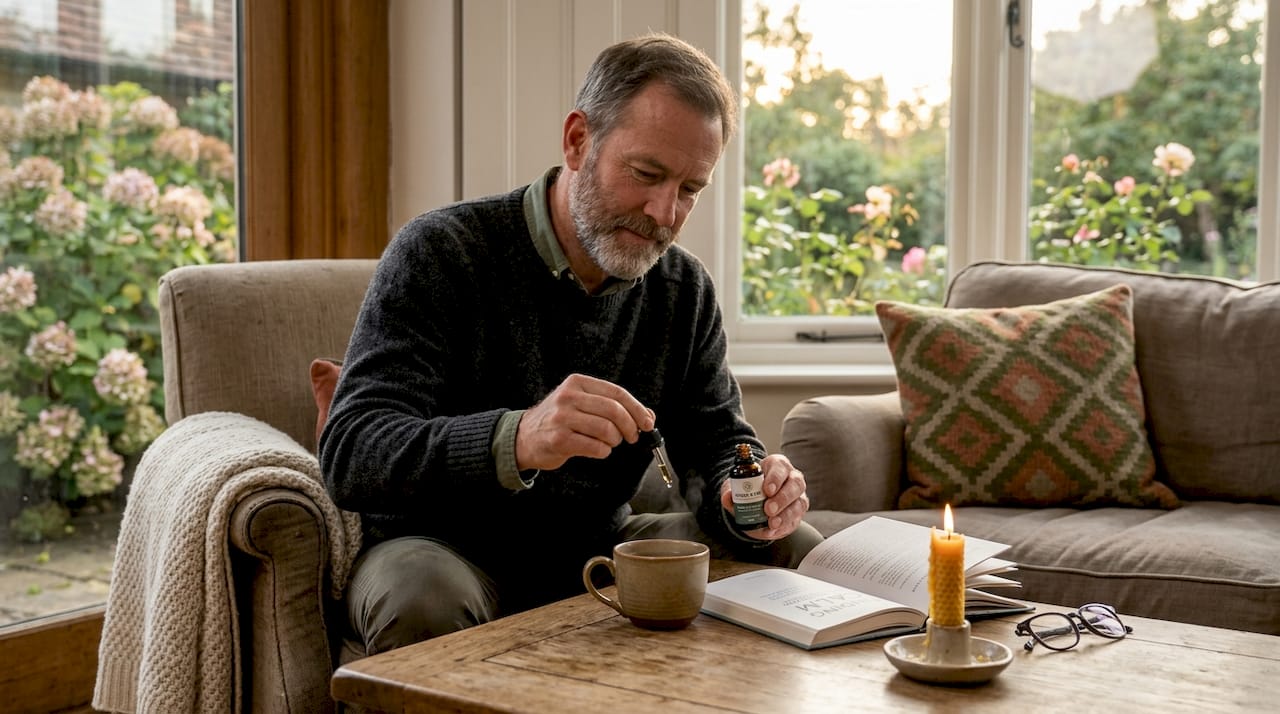
One of the clearest advantages of non-psychoactive CBD is that it produces no “high” whatsoever. This matters enormously for people who want to use CBD during the working day, while caring for children, or simply anyone who values full mental clarity at all times.
The drug testing concern is just as significant. Verified THC-free formulations prevent THC metabolites from appearing in urine screenings, which is critical for employees in safety-sensitive industries including transport, healthcare, and manufacturing. Even trace amounts of THC from a full-spectrum product, consumed consistently over weeks, can accumulate and trigger a positive result.
Here is a practical approach for anyone who needs to be absolutely certain:
- Choose products with non-detectable THC on every batch COA, not just an average test or a branded assurance.
- Check the LOD stated on the COA. A product tested to an LOD of 0.01% provides meaningfully stronger assurance than one tested to an LOD of 0.3%.
- Avoid products labelled “broad spectrum” without a supporting COA, since broad spectrum is a marketing term, not a legal definition.
- Notify your employer or occupational health team if you use CBD regularly, particularly in safety-critical roles, regardless of the THC level claimed.
Pro Tip: Understanding ‘THC-free’ labelling is not federally standardised and depends entirely on the sensitivity of the testing method used. Scrutinise the lab report, not just the packaging claim.
5. Comparing zero THC CBD with other types of CBD products
Not all CBD products are created equal, and understanding the differences helps you choose what is genuinely right for your situation.
| CBD type | THC content | Psychoactive risk | Best suited for |
|---|---|---|---|
| Full spectrum | Up to 0.2% (UK legal limit) | Very low but possible | Users wanting the full entourage effect |
| Broad spectrum | Non-detectable (varies by brand) | Negligible if verified | Most wellness users seeking balance |
| CBD isolate | Non-detectable, above 99% purity | None | Strict compliance, sensitive users, pets |
| Zero THC verified | Non-detectable with high-sensitivity LOD | None | Drug testing, professional, or medical use |
Full-spectrum CBD retains all naturally occurring cannabinoids, terpenes, and flavonoids from the hemp plant, including small amounts of THC. Many users find it effective, and it is perfectly legal in the UK when THC stays below 0.2%. However, it is not suitable for those facing drug screenings or those who simply prefer to avoid THC on principle.
CBD isolate is the purest form, stripped of everything except the CBD molecule itself. Its flavour neutrality and predictable dosing make it the safest formulation choice for applications requiring maximum purity. For a clear comparison of CBD types and their effects, the CBD vs THC guide from Smokocbd is a useful starting point.
Pro Tip: Your personal reasons for choosing CBD should drive your product type. If drug testing is a concern, verified zero THC is the only category worth considering. If you want gentle, consistent daily wellness support, a quality broad-spectrum product with a current COA works well for most people.
6. Practical tips for selecting and using zero THC CBD products
Knowing why zero THC CBD works is one thing. Knowing how to find a product worth trusting is another matter entirely.
When selecting a product, run through this checklist before purchasing:
- Does the brand publish batch-specific COAs on their website, with the batch number matching your product?
- Is THC listed as non-detectable with the LOD clearly stated?
- Is the hemp organically grown and sourced from a reputable origin?
- Does the brand hold cGMP manufacturing certification or equivalent UK compliance standards?
- Are customer reviews verified, and does the brand offer accessible support if you have questions?
On the question of dosage, the UK Food Standards Agency sets a provisional acceptable daily intake of 10 mg per day for high-purity CBD isolate. For broad-spectrum products, the FSA’s general guidance allows up to 70 mg daily for healthy adults. Starting lower and building up gradually gives your endocannabinoid system time to respond. You can find clear guidance on this in Smokocbd’s CBD dosage guide UK.
Different product forms suit different needs. Tinctures offer fast absorption and precise dose control. Capsules and soft gels suit people who prefer a fixed, tasteless dose they can take with their morning routine. Gummies are convenient and portable, though the onset is slower due to digestion. Topicals target localised discomfort without any systemic effects at all.
If you take prescription medication, particularly blood thinners or anticonvulsants, speak with your GP before starting CBD. CBD is processed by the same liver enzyme pathway as many medications, which can affect how those medicines work.
My honest take on zero THC CBD after years of watching this space
I’ve spent years reading research, speaking with users, and observing how the CBD market has matured in the UK. Here is what I’ve genuinely come to believe, beyond the standard talking points.
Most people overthink the entourage effect debate. In my experience, the realistic difference between a well-made zero THC broad-spectrum product and a full-spectrum one is negligible for the average wellness user. What is never negligible is the trust you place in a brand’s testing transparency. I’ve seen impressive-sounding products that couldn’t produce a batch-specific COA. That is a red flag every time, regardless of how good the marketing looks.
I’ve also noticed that many people start CBD with unrealistic timelines. CBD is not a fast-acting painkiller. The benefits around sleep and anxiety often build over two to four weeks of consistent use. Users who quit after three days and declare it “doesn’t work” are not giving their endocannabinoid system the time it needs to respond.
The regulation piece matters more than most people realise. As new rules around total THC content tighten in 2026 and beyond, brands that have invested in genuine zero THC verification will pull ahead. Consumers who learn to read a COA properly will be far better protected than those relying on packaging claims alone. My recommendation is always the same: trust the lab, not the label.
— Mike
Try Smokocbd’s verified zero THC CBD products
If the research in this article has confirmed what you suspected about zero THC CBD, the logical next step is finding products that live up to the standard.
Smokocbd’s broad-spectrum tinctures are formulated from organically grown hemp, third-party tested to confirm zero detectable THC on every batch, and manufactured to UK compliance standards. Whether you’re managing discomfort, looking for calmer evenings, or aiming for better sleep, there is a format to suit your routine. The 1000mg mint CBD tincture offers precise daily dosing with a clean, light flavour. For those just starting out, the 500mg citrus tincture is a gentler entry point. All products come with transparent lab reports so you can verify exactly what you’re taking before you take it.
FAQ
What is zero THC CBD?
Zero THC CBD is a CBD product formulated to contain non-detectable levels of THC, confirmed by third-party laboratory testing. It delivers the wellness benefits of CBD without any psychoactive effects.
Is zero THC CBD effective for anxiety and sleep?
Yes. Research confirms that CBD’s anxiolytic and sleep-supporting effects work independently of THC, meaning zero THC products are equally capable of delivering those benefits.
Will zero THC CBD show up on a drug test?
Verified zero THC CBD products should not trigger a positive drug test, as there are no THC metabolites present to detect. Always confirm the product’s COA shows non-detectable THC with a clearly stated limit of detection.
What is the difference between broad spectrum and CBD isolate?
Broad-spectrum CBD contains multiple cannabinoids and terpenes with THC removed, while CBD isolate contains only pure CBD at 99% or above. Both can qualify as zero THC when properly tested.
How much zero THC CBD should I take per day?
The UK FSA recommends starting conservatively. For high-purity isolate products, the provisional guidance is 10 mg per day, while healthy adults using broad-spectrum CBD can work up to 70 mg daily under general FSA guidance. Always check the CBD dosage guide for your specific product type.