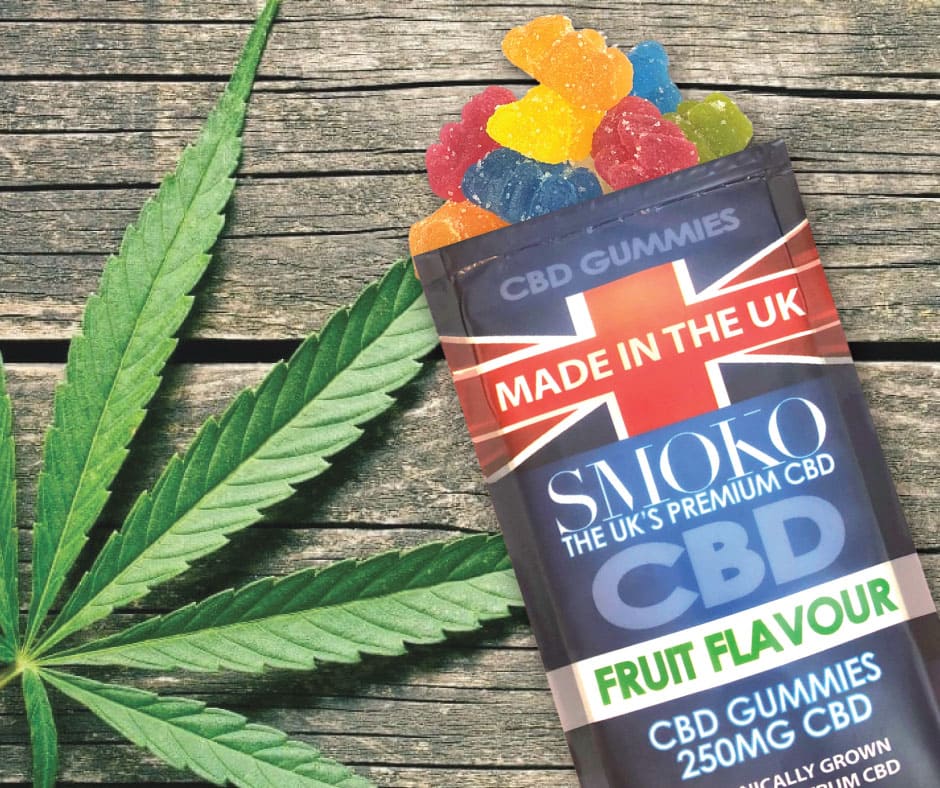
Many people remain sceptical about CBD’s role in natural wellness, questioning whether it truly delivers the benefits often claimed. Yet growing evidence and countless user experiences suggest CBD can meaningfully support pain relief, anxiety management, and improved sleep when chosen carefully and used correctly. This article clarifies what CBD actually does in your body, examines its proven applications for common wellness challenges, and guides you through selecting high-quality products that align with your personal health goals. You’ll discover practical strategies for integrating CBD safely into your daily routine and learn which product formats best suit different wellness needs.
Table of Contents
- Key takeaways
- What is CBD and how does it support natural wellness?
- Examining CBD’s role in managing pain, anxiety, and sleep
- Choosing the right CBD products for your wellness routine
- Integrating CBD safely into your natural wellness lifestyle
- Explore premium CBD products to support your natural wellness
- Frequently asked questions
Key Takeaways
| Point | Details |
|---|---|
| Pain, anxiety and sleep support | CBD can support pain, anxiety and sleep when selected carefully and used correctly. |
| Quality matters | Safe use relies on high quality hemp and verification by independent laboratory testing. |
| Third party testing crucial | Independent laboratory analysis confirms cannabinoid content, ensures legal THC limits, and screens for contaminants. |
| Formats suit different needs | Choosing product formats that align with personal preferences helps integrate CBD into daily routines. |
What is CBD and how does it support natural wellness?
CBD, or cannabidiol, is a naturally occurring compound extracted from hemp plants. Unlike THC, the psychoactive component in cannabis, CBD produces no intoxicating effects. This distinction matters enormously for anyone seeking wellness benefits without altered mental states. When you consume CBD, it interacts with the endocannabinoid system to support balance in the body, influencing processes that regulate pain perception, mood, sleep cycles, and immune responses.
Your endocannabinoid system functions as a vast regulatory network, maintaining equilibrium across multiple bodily systems. This network includes receptors throughout your brain, organs, connective tissues, and immune cells. CBD doesn’t bind directly to these receptors like THC does. Instead, it influences how your body uses its own endocannabinoids, potentially enhancing their effects and prolonging their presence in your system.
Three primary wellness areas benefit most consistently from CBD use:
- Pain management through anti-inflammatory pathways and altered pain signalling
- Anxiety reduction via effects on serotonin receptors and stress response systems
- Sleep improvement by addressing underlying causes like pain, anxiety, and disrupted circadian rhythms
Pro Tip: Start with a CBD wellness checklist to track your specific goals and responses. This helps you identify which benefits you’re actually experiencing rather than relying on general expectations.
The quality of CBD products varies dramatically across the market. Hemp plants absorb substances from soil, including heavy metals and pesticides, making sourcing and testing critical. Products derived from organically grown hemp and verified through independent laboratory analysis offer the safest and most reliable wellness support. Third-party testing confirms cannabinoid content, ensures THC levels remain within legal limits, and screens for contaminants that could undermine your health goals.
Examining CBD’s role in managing pain, anxiety, and sleep
CBD’s anti-inflammatory properties make it particularly valuable for pain management. Inflammation underlies many chronic pain conditions, from arthritis to muscle soreness. CBD supports inflammation relief which plays a role in pain management by influencing inflammatory pathways and reducing the production of pro-inflammatory compounds. Unlike conventional pain medications that often carry significant side effects or addiction risks, CBD offers a gentler approach that many find effective for daily discomfort.

For anxiety management, CBD demonstrates promising effects through multiple mechanisms. It appears to influence serotonin receptors, similar to some pharmaceutical anxiety medications but without the harsh side effects or dependency concerns. Lab-tested CBD products can help reduce anxiety safely by providing consistent, reliable doses that allow you to gauge your response accurately. Users often report feeling calmer and more centred without the mental fog or emotional numbness that conventional anti-anxiety medications can produce.
Sleep improvements represent another significant benefit area. Poor sleep often stems from underlying issues like pain, racing thoughts, or anxiety rather than being a standalone problem. CBD addresses these root causes, potentially making it easier to fall asleep and stay asleep throughout the night. Research suggests CBD may improve sleep quality as part of holistic wellness routines by regulating sleep-wake cycles and reducing factors that disrupt rest.
| Wellness goal | How CBD helps | Typical onset time | Recommended form |
|---|---|---|---|
| Chronic pain | Reduces inflammation and alters pain signalling | 30-90 minutes | Tinctures for flexibility, topicals for localised relief |
| Anxiety | Influences serotonin receptors and stress response | 15-45 minutes | Tinctures for quick onset, capsules for sustained effect |
| Sleep issues | Addresses pain and anxiety while supporting circadian rhythm | 30-60 minutes before bed | Capsules or gummies for gradual release |
Different wellness needs call for different usage approaches. Pain management often benefits from consistent daily dosing to maintain anti-inflammatory effects, whilst anxiety relief might work better with as-needed dosing during stressful periods. Sleep support typically requires taking CBD 30 to 60 minutes before bedtime to allow effects to develop as you prepare for rest.
Pro Tip: Track your pain levels, anxiety episodes, or sleep quality in a simple journal for two weeks before starting CBD, then continue tracking after you begin. This creates a clear baseline that helps you identify genuine improvements rather than relying on subjective impressions.
The key to maximising CBD’s benefits lies in matching your specific wellness challenges with appropriate products and dosing strategies. Someone dealing with localised joint pain might combine oral CBD for systemic anti-inflammatory effects with topical applications directly on affected areas. Meanwhile, someone struggling with anxiety-driven insomnia might find that a single evening dose addresses both concerns simultaneously by calming the mind and preparing the body for rest.
Choosing the right CBD products for your wellness routine
Understanding CBD product types helps you select options that align with your wellness goals and lifestyle preferences. Three main categories dominate the market: full spectrum, broad spectrum, and isolate. Full spectrum products contain all compounds found in hemp, including trace amounts of THC below legal limits. Broad spectrum products include multiple cannabinoids and terpenes but remove THC entirely. Isolate products contain pure CBD with no other cannabis compounds.
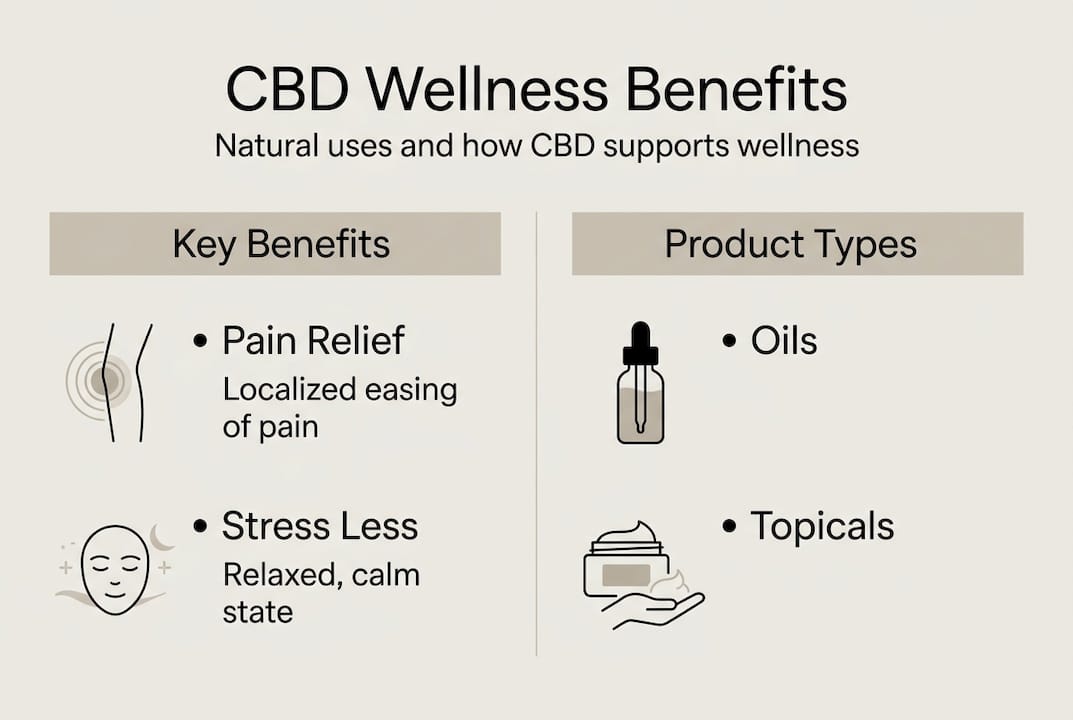
Broad spectrum CBD offers an appealing middle ground for most UK consumers. You benefit from the entourage effect, where multiple cannabis compounds work together synergistically, without any THC concerns. This matters particularly if you undergo workplace drug testing or simply prefer avoiding THC completely. Lab-tested broad spectrum CBD tinctures are effective and safe, providing reliable results without psychoactive risks.
Product formats vary significantly in how they deliver CBD:
- Tinctures offer flexible dosing and relatively quick onset when held under the tongue
- Capsules provide convenient, pre-measured doses ideal for consistent daily routines
- Gummies combine ease of use with pleasant flavours, though they take longer to absorb
- Topicals deliver localised relief directly to affected areas without entering the bloodstream
When evaluating product quality, laboratory testing certificates reveal critical information. Look for third-party tests confirming cannabinoid content matches label claims, THC levels remain below 0.2%, and no heavy metals, pesticides, or microbial contaminants appear. Reputable brands make these certificates easily accessible on their websites or product pages.
| Product type | Onset time | Duration | Best for | Key advantage |
|---|---|---|---|---|
| Tinctures | 15-45 minutes | 4-6 hours | Flexible dosing and quick relief | Adjustable doses and sublingual absorption |
| Capsules | 45-90 minutes | 6-8 hours | Consistent daily wellness | Pre-measured and convenient |
| Gummies | 60-120 minutes | 6-8 hours | Beginners and taste-sensitive users | Pleasant flavour and familiar format |
| Topicals | 15-30 minutes | 2-4 hours | Localised pain or skin issues | Targeted application without systemic effects |
Potency considerations depend heavily on your experience level and wellness needs. Beginners typically start with lower concentrations around 300 to 500mg per bottle, allowing them to find their optimal dose without overshooting. More experienced users or those with significant wellness challenges might prefer 1000mg or higher concentrations for cost-effectiveness and stronger effects.
Flavour matters more than many people initially realise. Natural hemp flavour tastes earthy and slightly bitter, which some find unpleasant. Mint, citrus, and other natural flavourings can make daily use far more enjoyable without compromising product quality. Gummies inherently solve the flavour issue, making them popular among those who struggle with hemp’s natural taste.
Delivery method selection should match your specific situation. Someone needing quick anxiety relief before a stressful event benefits most from tinctures held under the tongue. Someone building a consistent wellness routine might prefer the simplicity of morning capsules. Understanding these practical differences helps you choose products you’ll actually use consistently rather than abandoning after a few attempts.
Integrating CBD safely into your natural wellness lifestyle
Starting with low doses and gradually adjusting upward represents the safest approach to CBD integration. Begin with 10 to 15mg daily, maintaining that dose for at least a week whilst observing effects. This conservative strategy helps you identify your minimum effective dose rather than overshooting and potentially experiencing unwanted effects like drowsiness or digestive discomfort. Proper dosage and safety practices enhance CBD’s wellness benefits by ensuring you use appropriate amounts for your individual needs.
CBD works best as part of a comprehensive wellness approach rather than a standalone solution. Consider these integration strategies:
- Combine CBD with anti-inflammatory nutrition including omega-3 fatty acids, colourful vegetables, and minimal processed foods
- Maintain regular exercise appropriate to your fitness level, as physical activity enhances endocannabinoid system function
- Practise stress management techniques like meditation, deep breathing, or yoga alongside CBD use
- Establish consistent sleep hygiene with regular bed times, cool room temperatures, and minimal screen exposure before rest
- Stay hydrated throughout the day, as proper hydration supports overall wellness and may enhance CBD absorption
Drug interactions deserve serious consideration before starting CBD. The compound can affect how your liver metabolises certain medications, potentially increasing or decreasing their effectiveness. Particularly concerning interactions occur with blood thinners, some antidepressants, and medications carrying grapefruit warnings. Always consult your healthcare provider before combining CBD with prescription medications, even if you’re only using it occasionally.
Consistency matters enormously for experiencing CBD’s full benefits. Unlike pharmaceutical drugs that often work immediately, CBD may require several days or weeks of regular use to produce noticeable effects. This happens because CBD influences your endocannabinoid system gradually, building up beneficial effects over time rather than providing instant relief. Commit to at least two weeks of consistent use before deciding whether CBD works for your particular wellness needs.
Pro Tip: Create a simple tracking system noting your CBD dose, timing, and wellness markers like pain levels, sleep quality, or anxiety frequency. After two weeks, review your notes to identify patterns and determine whether adjustments might improve your results. Many people discover their optimal dose and timing through this systematic approach rather than guessing.
Combining CBD with natural stress remedies creates synergistic benefits that exceed what either approach provides alone. Techniques like progressive muscle relaxation, mindfulness meditation, or spending time in nature all support your endocannabinoid system naturally. When you add CBD to these practices, you’re essentially supporting the same biological systems through multiple pathways, potentially amplifying positive effects.
Timing your CBD intake strategically enhances its effectiveness for specific goals. Morning doses support all-day anxiety management and pain relief, whilst evening doses better address sleep concerns. Some people find splitting their daily dose between morning and evening provides more consistent coverage throughout the day. Experiment with timing whilst keeping your total daily dose constant to discover what works best for your schedule and wellness needs.
Explore premium CBD products to support your natural wellness
Now that you understand how CBD supports natural wellness, you might wonder where to find reliable products that deliver genuine benefits. SMOKO CBD specialises in broad spectrum tinctures, gummies, and soft gel capsules specifically formulated for UK consumers seeking natural solutions for pain, anxiety, and sleep challenges. Every product undergoes rigorous third-party laboratory testing to verify cannabinoid content and confirm zero THC levels, giving you confidence in what you’re putting into your body.
Whether you prefer the flexibility of mint flavour tinctures for adjustable dosing, the convenience of soft gel capsules for consistent daily use, or the pleasant taste of CBD gummies combined with tinctures, you’ll find formats suited to your lifestyle. Each product uses organically grown hemp extracts and natural ingredients, supporting your wellness goals without unnecessary additives or artificial components.
Frequently asked questions
What is the difference between full spectrum and broad spectrum CBD?
Full spectrum CBD contains all compounds naturally found in hemp, including trace amounts of THC below 0.2%. Broad spectrum includes multiple beneficial cannabinoids and terpenes but removes THC completely through additional processing. Both offer entourage effects where compounds work together, but broad spectrum eliminates any THC concerns for those who prefer complete avoidance or face drug testing.
Can I use CBD alongside my current medications?
Always consult your doctor before combining CBD with prescription medications. CBD can interact with drugs metabolised by certain liver enzymes, potentially altering their effectiveness or increasing side effects. Medications carrying grapefruit warnings particularly warrant caution, as CBD affects similar metabolic pathways. Your healthcare provider can assess your specific medication regimen and advise whether CBD poses risks.
How long does it take to feel the effects of CBD?
Effects typically appear within 15 to 90 minutes depending on the product format you choose. Tinctures held under the tongue work fastest, whilst capsules and gummies take longer due to digestive processing. For some wellness goals like inflammation reduction or anxiety management, you might need consistent daily use over several weeks to experience full benefits as CBD gradually influences your endocannabinoid system.
Is CBD legal and safe to buy in the UK?
CBD is completely legal in the UK provided products contain less than 0.2% THC and come from approved industrial hemp strains. Purchase from reputable vendors offering comprehensive third-party lab testing to ensure legal compliance and product safety. Avoid marketplace sellers lacking proper documentation, as quality and legality can vary significantly without independent verification of contents.