TL;DR:
- Choosing independently tested CBD with low THC and appropriate spectrum is essential.
- CBD can help with pain, anxiety, and sleep when used consistently and correctly.
- Certain groups like pregnant women and those on specific medications should avoid CBD without medical advice.
Finding trustworthy natural CBD advice is harder than it should be. Scroll through any wellness forum and you’ll encounter bold claims, conflicting dosage guides, and products of wildly varying quality. For UK adults dealing with persistent pain, anxious thoughts, or restless nights, that confusion can feel exhausting. The good news is that a growing body of research is cutting through the noise. This guide brings together the most practical, evidence-backed tips for using CBD to address pain, anxiety, and sleep, so you can make genuinely informed choices rather than expensive guesses.
Table of Contents
- How to choose the best natural CBD: Key criteria
- Top natural CBD tip 1: Relieving pain safely
- Top natural CBD tip 2: Reducing anxiety and stress
- Top natural CBD tip 3: Improving sleep naturally
- Essential precautions and who should avoid CBD
- Our perspective: The real value of natural CBD—beyond the hype
- Shop premium natural CBD for targeted wellness
- Frequently asked questions
Key Takeaways
| Point | Details |
|---|---|
| Choose lab-tested CBD | Pick only third-party tested oils or gummies with full or broad spectrum for safety and effectiveness. |
| Start low, personalise | Begin with small doses and increase slowly to find your best balance for pain, anxiety, or sleep. |
| Consult your GP | Seek medical guidance before using CBD, especially if you’re on medication or have health conditions. |
| Consistency matters | For anxiety and sleep, steady daily use is more effective than sporadic use. |
| CBD isn’t for everyone | It’s not suitable if you’re pregnant, under 25, or taking certain medicines, and results vary individually. |
How to choose the best natural CBD: Key criteria
With the search for reliable information underway, it’s crucial to start with what to look for in a natural CBD solution. Not all CBD products are created equal, and the criteria below give you a solid framework before spending a penny.
- Safety and testing. Always choose products that have been independently verified. Third-party tested broad-spectrum CBD oils with less than 0.2% THC are the recommended standard for natural use in the UK. Lab certificates should be easy to find on the brand’s website.
- Product form. Oils and tinctures absorb quickly under the tongue, gummies offer a measured, portable dose, and capsules suit those who prefer a no-fuss routine. Understanding types of CBD products helps you match the format to your lifestyle.
- Spectrum choice. Full-spectrum CBD contains a wider range of plant compounds, while broad-spectrum CBD removes THC entirely. Both can deliver meaningful benefits through what scientists call the “entourage effect,” where cannabinoids work better together.
- Dose and method. Start low, typically 10 to 15mg daily, and increase gradually over one to two weeks. Rushing the dose is one of the most common mistakes new users make.
- UK legal standards. Ensure any product complies with UK Food Standards Agency (FSA) novel food regulations and carries a valid authorisation number.
Pro Tip: Before buying, download the product’s Certificate of Analysis (COA). If a brand won’t share lab results, walk away.
Top natural CBD tip 1: Relieving pain safely
Once you understand how to select quality CBD, it’s time to see it in action for some of the toughest challenges: pain. Research is increasingly supportive. A randomised controlled trial found that 67mg per day of sublingual CBD reduced pain and strength loss at 48 hours following exercise-induced muscle injury, with no reported side effects compared to placebo. That’s meaningful clinical evidence, not just anecdote.
| Dose range | Best form | Onset time | Duration |
|---|---|---|---|
| 10 to 25mg | Oil/tincture | 15 to 45 minutes | 4 to 6 hours |
| 25 to 50mg | Capsule | 45 to 90 minutes | 6 to 8 hours |
| 50 to 75mg | Oil/tincture | 15 to 45 minutes | 4 to 6 hours |
For everyday aches and post-exercise soreness, a sublingual oil taken 30 minutes before or after activity tends to work well. Those managing arthritis or more persistent discomfort may benefit from a higher, consistent daily dose. You can explore more about CBD for sports recovery to see how athletes are incorporating it into their routines.
A practical checklist for pain management with CBD:
- Start at 10 to 15mg and increase by 5mg every five days
- Take sublingually (under the tongue) for fastest absorption
- Allow at least two weeks before judging effectiveness
- Note any changes in pain intensity, mobility, or sleep quality
- Check for interactions if you take anti-inflammatory medicines
For tougher pain, full-spectrum CBD benefits may offer additional support through the combined action of multiple cannabinoids.
Pro Tip: Keep a simple pain diary for the first four weeks. Note your dose, timing, and pain score out of ten. Patterns emerge quickly and help you fine-tune your approach.
Top natural CBD tip 2: Reducing anxiety and stress
Pain relief isn’t the only area where natural CBD shines. Many adults turn to it for calm and mental clarity. CBD appears to work on the serotonin system in a way that’s broadly similar to how certain antidepressants function, but with a notably gentler side effect profile. In a retrospective human study, CBD reduced anxiety by modulating serotonin and cortisol, with 78% of participants showing improvement.
“CBD’s interaction with serotonin receptors offers a natural, lower-risk pathway for managing everyday anxiety, making it a credible option alongside lifestyle changes.”
For anxiety, the approach is slightly different to pain. A morning dose of 10 to 15mg, taken as drops or a gummy, can help set a calmer baseline for the day. Many users find the gradual, gentle onset of CBD for anxiety more manageable than the immediate effects of other supplements.
Practical tips for personalising CBD for anxiety:
- Begin with a low morning dose and observe for one week before adjusting
- Gummies offer a consistent, pre-measured dose that’s easy to maintain
- Avoid taking CBD alongside stimulants like caffeine in large amounts
- Combine with breathing exercises or mindfulness for stronger results
- Track mood and stress levels in a simple journal
Consistency matters more than dose size here. The UK CBD wellness guide covers how CBD fits into a broader mental wellness plan, which is worth reading if anxiety is your primary concern.
Top natural CBD tip 3: Improving sleep naturally
Good sleep powers your health as much as pain or stress relief, and CBD offers several options for night-time tranquillity. The key is timing. Taking CBD 30 to 60 minutes before bed gives it time to reach peak effect as you wind down. Third-party tested CBD oils, including full and broad-spectrum night formulations, are consistently recommended in 2026 reviews for sleep support.

| Product type | Onset | Best for | THC level |
|---|---|---|---|
| CBD drops/tincture | 15 to 45 min | Flexible dosing, fast onset | 0% (broad-spectrum) |
| CBD gummies | 30 to 90 min | Consistent dose, easy routine | 0% (broad-spectrum) |
| CBD capsules | 45 to 90 min | Long-lasting overnight effect | 0% (broad-spectrum) |
For sleep, broad-spectrum products are particularly popular because they deliver the entourage effect without any THC. You can find a thorough breakdown in this broad-spectrum guide if you want to understand the science behind why that matters.
Best practices for CBD and sleep:
- Take your dose 30 to 60 minutes before your intended sleep time
- Keep the dose consistent each night for at least two weeks
- Avoid screens and bright light after taking your evening CBD
- Pair with a cool, dark bedroom environment for best results
- Review your progress using a CBD wellness checklist to stay on track
Consistency is genuinely the most underrated factor. Many people give up after three or four nights. Give it a full fortnight before drawing conclusions.
Essential precautions and who should avoid CBD
Even with CBD’s positive buzz, it’s important to remember not every wellness strategy fits every individual. Knowing when to pause or seek advice is just as important as knowing when to start.
- Pregnancy and breastfeeding. CBD should be avoided entirely. There is insufficient safety data for this group.
- Under 25s. The developing brain may respond differently to cannabinoids. Current guidance recommends against use in this age group.
- Medication interactions. CBD drug interactions are a genuine concern, particularly with medicines processed by the liver (such as blood thinners or epilepsy drugs) or those affecting the digestive system.
- Pre-existing liver conditions. High doses of CBD have been associated with elevated liver enzymes in some studies. Speak to your GP before starting.
- Mental health medication. If you are on prescribed antidepressants or antipsychotics, always consult your doctor before adding CBD to your routine.
As noted in guidance on CBD supplements for pain, anxiety, and sleep, you should avoid CBD if pregnant, breastfeeding, under 25, or using medicines with potential liver or gastrointestinal interactions. Always consult a GP first.
Statistic to note: While a large proportion of regular CBD users in the UK report meaningful benefits for pain, anxiety, and sleep, a significant minority experience no noticeable effect. Individual biology, dosing accuracy, and product quality all play a role. For more on CBD safe usage, the guidance is clear: start low, go slow, and stay informed.
Our perspective: The real value of natural CBD—beyond the hype
By understanding what to avoid, you’re ready for a more nuanced view of CBD’s role in modern wellness. Here’s our honest take: CBD is genuinely useful, but it works best when you treat it as one part of a broader health plan rather than a standalone solution.
Individual responses vary considerably. Two people taking the same dose of the same product can have entirely different experiences, shaped by body weight, metabolism, stress levels, and sleep habits. That’s not a flaw in CBD. It’s simply human biology.
What we consistently see is that users who approach CBD with realistic goals and a methodical mindset get far more out of it. As CBD uses for wellness research confirms, CBD is not a cure but a supplementary tool, and while survey and animal evidence are promising, regulators rightly urge caution over long-term use without further study.
Quality and regulation matter far more than marketing trends. A premium, third-party tested product used consistently at the right dose will outperform a trendy but poorly tested one every single time. Focus on the fundamentals.
Shop premium natural CBD for targeted wellness
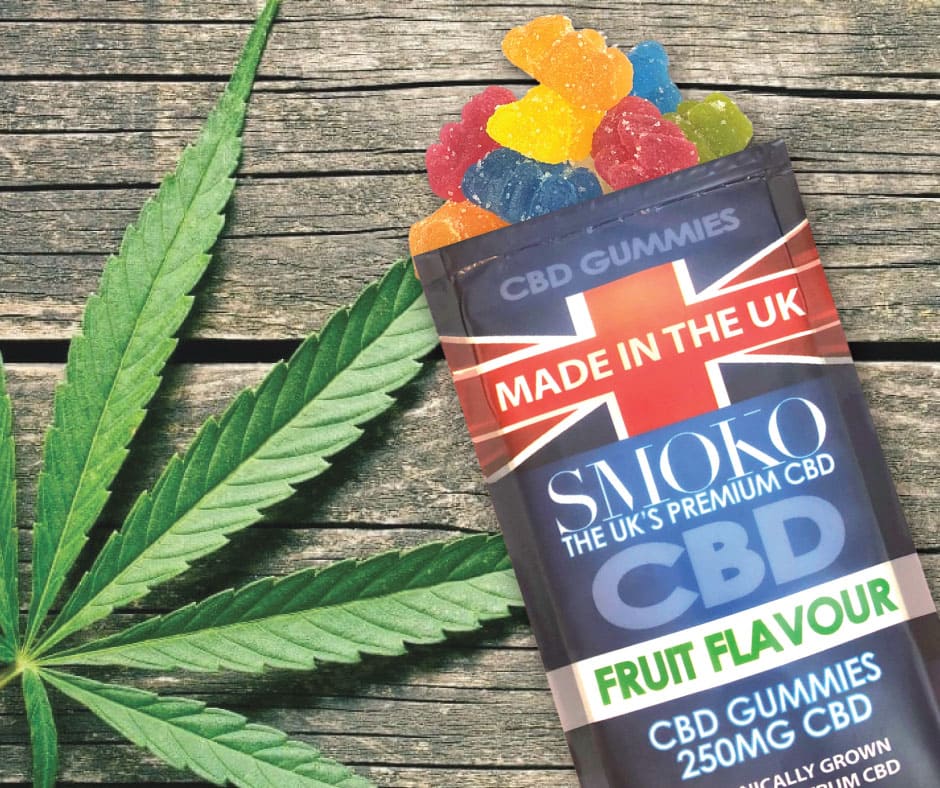
To benefit from these tips, choosing trusted sources makes all the difference. SMOKO CBD offers a focused range of lab-tested, broad-spectrum products made to UK standards, designed specifically for pain, anxiety, and sleep support.
Our broad-spectrum CBD tincture is a great starting point if you want fast, flexible dosing for pain or anxiety. For a consistent, portable option, our CBD gummies deliver a precise 25mg dose with zero THC. Every product carries a full Certificate of Analysis, so you can verify exactly what you’re taking. Apply the selection framework from this guide and you’ll know precisely what to look for.
Frequently asked questions
What is the safest natural CBD dose to start with?
Start at 10 to 15mg daily in the morning and increase only if needed, monitoring effects carefully and speaking to your doctor beforehand.
Can you take CBD with other medications?
Always consult your GP first, as CBD can interact with common medicines, particularly those affecting the liver or digestion, as highlighted in guidance on CBD supplements interactions.
Which CBD type is best for pain, anxiety, or sleep?
Full and broad-spectrum oils, independently tested with under 0.2% THC, are generally considered the best choice across all three areas.
Who should avoid using CBD altogether?
Pregnant or breastfeeding women, people under 25, and anyone on medicines with possible liver or gut interactions should avoid CBD use until they have spoken with a medical professional.