TL;DR:
- Organic hemp is cultivated without synthetic chemicals and requires a 36-month land transition process under USDA standards. It offers nutritional benefits like vitamins, omega fatty acids, and antioxidants, and supports soil health through regenerative farming practices. Choosing certified organic hemp reduces pesticide residue risk and aligns with sustainable and health-conscious values.
Organic hemp is defined as Cannabis sativa cultivated without synthetic pesticides, fertilisers, or prohibited inputs, grown under USDA organic certification standards that require a 36-month land transition free of synthetic chemicals before the first certified harvest. The advantages of organic hemp extend well beyond a label. They cover nutritional richness, environmental regeneration, and wellness support that conventional hemp simply cannot match. Whether you are exploring CBD tinctures, hemp seed oils, or natural remedies for pain and anxiety, understanding what organic certification actually means helps you make a genuinely informed choice.
1. What nutritional benefits does organic hemp offer?
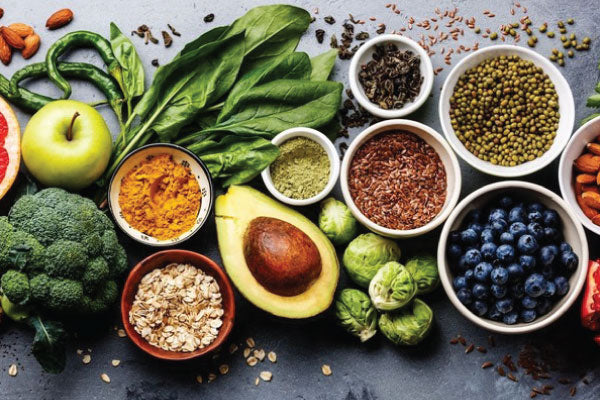
Organic hemp seeds are nutritionally dense. The Rodale Institute reports that hemp seeds contain vitamins E, D, and A alongside omega-3 and omega-6 fatty acids with documented anti-inflammatory properties. That combination is rare in a single plant food.
The omega-3 and omega-6 fatty acids in hemp seeds support heart health, reduce systemic inflammation, and contribute to skin and hair condition. These are nutrition-based effects, distinct from the pharmacological effects of cannabinoids like CBD. Separating the two matters, because the nutritional case for hemp seeds stands firmly on its own.
Hemp also contains polyphenols and terpenoids. These plant compounds act as antioxidants, helping the body manage oxidative stress. Organic cultivation preserves these compounds more reliably because the plant is not exposed to synthetic chemical residues that can interfere with its natural chemistry.
- Vitamins E, D, and A support immune function, skin repair, and vision
- Omega-3 and omega-6 fatty acids contribute to cardiovascular and skin health
- Polyphenols and terpenoids provide antioxidant and anti-inflammatory activity
- Plant protein in hemp seeds contains all nine essential amino acids
Pro Tip: If you are adding hemp seeds to your diet for nutritional benefit, look for cold-pressed hemp seed oil. Heat processing degrades the fatty acids and reduces the antioxidant content significantly.
2. How does organic hemp cultivation benefit the environment?
Organic hemp is one of the most ecologically useful crops in regenerative agriculture. Its deep root system promotes soil microbiome health and can biodegrade soil contaminants, a process known as phytoremediation. That makes it genuinely restorative rather than merely neutral.
The environmental benefits follow a clear sequence:
- Soil preparation. Hemp’s deep roots break up compacted soil and improve drainage, reducing erosion.
- Weed suppression. Hemp grows a dense canopy quickly, shading out competing weeds without herbicides.
- Microbiome support. Root activity feeds beneficial soil bacteria and fungi, improving long-term fertility.
- Contaminant breakdown. Hemp absorbs and processes heavy metals and toxins from degraded land.
- Biodiversity. Organic hemp fields support insect populations and pollinators absent from chemically treated crops.
“Hemp supports soil biodiversity and weed suppression, reducing the need for synthetic inputs in organic systems.” — Rodale Institute
The 36-month transition period required for organic certification means the land is genuinely clean before a single certified crop is harvested. That is not a marketing claim. It is a documented, inspected process. Producers who commit to it are making a multi-year investment in soil quality, not just a packaging decision.
3. What are the wellness advantages of organic hemp?
The wellness case for organic hemp is real, but it requires honest framing. A 2026 PubMed review of 21 studies found no clear evidence for 50% or greater pain relief with THC- or CBD-dominant cannabis medicines. That means strong universal claims about CBD eliminating pain are not supported by current clinical evidence.
What the research does show is more nuanced. A 2026 Nature study found that CBD produces phase- and dose-dependent effects on pain modulation, with outcomes varying depending on timing relative to other treatments and the dose used. That suggests CBD interacts with pain pathways in a context-sensitive way, which is clinically meaningful even if it resists simple headlines.
The anti-inflammatory and antimicrobial properties of organic hemp compounds are better established. Hemp seed fatty acids and skin and hair health benefits are supported by nutritional research, separate from cannabinoid pharmacology. For people managing chronic inflammation, anxiety, or sleep disruption, organic hemp products can form a useful part of a broader wellness approach.
- Pain modulation. CBD shows dose-dependent effects, but evidence for strong pain relief remains low-certainty
- Anxiety support. Cannabinoids interact with the endocannabinoid system, which regulates stress responses
- Inflammation. Omega-3 fatty acids and polyphenols reduce inflammatory markers
- Skin health. Topical and dietary hemp compounds support skin barrier function and reduce redness
- Sleep. Some people report improved sleep quality with CBD, though clinical evidence is still developing
Pro Tip: Start with a low dose of CBD and increase gradually over two to four weeks. The phase-dependent nature of CBD’s effects means consistent, measured use gives you a clearer picture of how it works for you personally.
For a thorough look at what the clinical literature actually supports, the Smokocbd guide on CBD for pain relief is worth reading before you make any purchasing decisions.
4. Organic hemp vs conventional hemp: quality and safety
The difference between organic and conventional hemp is not cosmetic. Certified organic production requires strict input controls, approved input lists, records maintained for five or more years, and regular third-party inspections. Conventional hemp faces none of those requirements.
| Feature | Organic hemp | Conventional hemp |
|---|---|---|
| Synthetic pesticides | Prohibited | Permitted |
| Synthetic fertilisers | Prohibited | Permitted |
| Land transition period | 36 months minimum | None required |
| Documentation | 5+ years of records | Not mandated |
| Third-party inspection | Required for certification | Not required |
| Pesticide residue risk | Lower | Higher |
| Traceability | Full supply chain | Variable |
Conventional hemp may carry synthetic pesticide residues that transfer into finished products including oils and capsules. That is a meaningful safety consideration for anyone taking CBD daily. Organic certification does not guarantee a perfect product, but it does guarantee a documented, inspected process that conventional labelling cannot match.
The premium price of organic hemp products reflects the genuine cost of that process. Producers absorb three years of transition costs before their first certified harvest. That supply constraint is real, and it explains why certified organic hemp products cost more than their conventional equivalents.
5. When should you choose organic hemp products?
Choosing organic hemp products makes the most sense in specific circumstances. Not every person or use case demands the premium, but certain situations make it the clear choice.
- Daily supplementation. If you take CBD oil or hemp seed oil every day, cumulative pesticide exposure from conventional products becomes a legitimate concern. Organic removes that variable.
- Sensitive health conditions. People managing autoimmune conditions, gut issues, or chemical sensitivities benefit most from the lower residue profile of certified organic hemp.
- Sustainability values. If environmental impact matters to your purchasing decisions, organic hemp’s regenerative farming credentials align directly with those values.
- Children and older adults. These groups are more vulnerable to chemical residues. Organic certification provides an additional layer of assurance.
- Verifying claims. Always check for a recognised certification mark, not just the word “organic” on the label. Genuine certification is backed by inspection records and approved input lists.
The CBD wellness checklist from Smokocbd covers practical guidance on choosing and using CBD products safely, including what to look for on product labels.
Pro Tip: Ask the brand directly for their Certificate of Analysis (COA) from a third-party laboratory. A legitimate organic hemp product will have both a COA confirming cannabinoid content and zero THC, and a certification document from an accredited organic certifier.
Key takeaways
Organic hemp’s advantages are grounded in certified cultivation practices, nutritional density, and context-dependent wellness support rather than marketing claims.
| Point | Details |
|---|---|
| Certification is rigorous | USDA organic requires a 36-month land transition, inspections, and five-plus years of records. |
| Nutritional value is distinct | Hemp seeds provide vitamins E, D, and A plus omega-3 and omega-6 fatty acids with anti-inflammatory effects. |
| Environmental benefits are real | Hemp’s deep roots restore soil microbiome health and suppress weeds without synthetic herbicides. |
| Wellness evidence is nuanced | CBD shows dose-dependent pain effects, but current clinical evidence does not support strong universal claims. |
| Safety advantage is measurable | Organic hemp prohibits synthetic pesticides, reducing residue risk compared to conventional products. |
Why I think the organic label matters more than most people realise
People often treat “organic” as a lifestyle preference rather than a technical standard. That misreads what certification actually involves. A producer cannot simply decide to call their hemp organic. They must manage their land without prohibited inputs for three full years before a single certified crop leaves the farm. That timeline changes how you think about supply, pricing, and trust.
The wellness benefits of organic hemp are genuine, but they require realistic expectations. CBD does not switch off pain like a medication. What the research shows is a compound that interacts with the endocannabinoid system in ways that are dose-sensitive and context-dependent. For people managing chronic discomfort, anxiety, or inflammation, that kind of modulation can be genuinely useful. It just works differently from a painkiller, and that distinction matters.
The environmental story is the one I find most compelling and most underreported. Hemp restores degraded soil. It suppresses weeds without herbicides. It supports pollinators. When you buy certified organic hemp products, you are supporting a farming system that actively improves the land it uses. That is a meaningful difference from conventional agriculture, and it is worth paying for.
My advice: verify the certification, read the COA, and set realistic expectations about what hemp can do for your health. The benefits are real. They are just not magic.
— Mike
Smokocbd’s organic hemp CBD range
Smokocbd sources its broad-spectrum CBD products from organically grown hemp and backs every product with third-party laboratory testing to confirm zero THC levels. That combination of organic sourcing and independent verification is exactly what the research supports as the standard worth looking for.
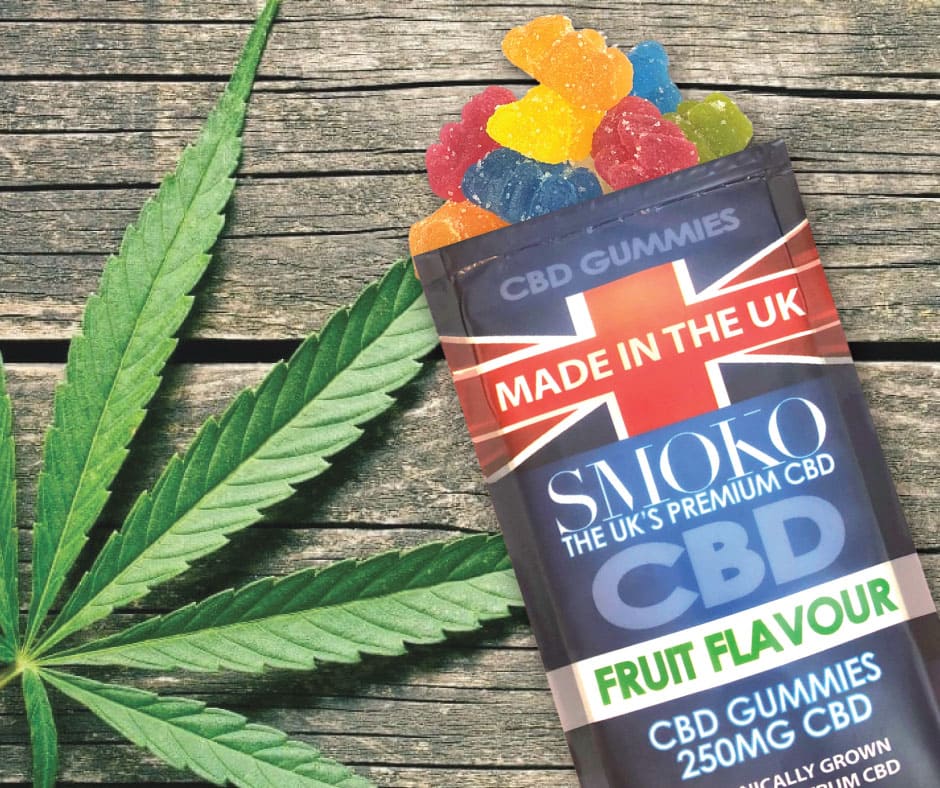
The 1000mg mint CBD tincture is a strong starting point for daily supplementation, with a clean flavour and a well-measured dose per serving. For those who prefer something lighter, the 500mg citrus tincture offers a lower-strength option. The CBD gummy bears provide a convenient, pre-dosed format for people who prefer not to measure oil. All products are made in the UK and designed for people who want natural wellness support without compromise on quality.
FAQ
What makes hemp “organic” under UK and US standards?
Organic hemp must be grown without synthetic pesticides or fertilisers on land that has been managed organically for at least 36 consecutive months before certification. Producers must maintain records for five or more years and pass regular third-party inspections.
Is organic hemp better for you than conventional hemp?
Organic hemp carries a lower risk of synthetic pesticide residues, which matters most for people using hemp products daily. The nutritional profile of hemp seeds is similar across both types, but the absence of chemical inputs in organic farming provides a measurable safety advantage.
Does organic hemp CBD actually relieve pain?
CBD shows phase- and dose-dependent effects on pain modulation, but a 2026 PubMed review found low-certainty evidence overall. CBD may support pain management as part of a broader approach, but it does not replace medical treatment.
What are the main uses of organic hemp?
Organic hemp is used in CBD oils, tinctures, capsules, and edibles for wellness support, as well as in hemp seed oil and seeds for nutritional benefit. Its uses span dietary supplementation, skin care, and as a base ingredient in broad-spectrum CBD products.
How do I verify that a CBD product uses certified organic hemp?
Ask the brand for their organic certification document from an accredited certifier and a Certificate of Analysis from an independent laboratory. A genuine organic product will have both documents readily available, not just the word “organic” on the packaging.