MCT oil is the carrier of choice in most quality tinctures because medium-chain triglycerides are absorbed faster than heavier oils, have a neutral taste that does not overpower your formula, and stay liquid at room temperature for consistent dropper dosing. The result is a tincture that delivers fat-soluble cannabinoids and herbal extracts more reliably than alternatives like olive oil or whole coconut oil.
At a glance, the practical reasons are:
- Faster uptake: MCTs travel directly to the liver via the hepatic portal system, bypassing the slower lymphatic route used by long-chain fats
- Neutral flavour: won’t compete with terpenes or herbal notes in your formula
- Room-temperature liquidity: stays pourable and flows cleanly through a dropper at UK ambient temperatures
- Predictable dosing: low viscosity means each drop is consistent, making mg/mL calculations reliable
- Shelf stability: resists oxidation better than many seed oils, extending usable life without refrigeration
A note before you read on: if you take prescription medicines, have a liver or heart condition, are pregnant, or are breastfeeding, speak with your GP or pharmacist before adding an MCT-based tincture to your routine. This article is general information, not medical advice.
Key takeaways
MCT oil is used in tinctures because its direct hepatic absorption pathway, neutral taste, and room-temperature liquidity make it the most consistent and practical carrier for fat-soluble cannabinoids and herbal extracts.
| Point | Details |
|---|---|
| Faster absorption pathway | MCTs travel directly to the liver via the hepatic portal system, bypassing the slower lymphatic route used by long-chain fats. |
| Sublingual onset window | Holding an MCT tincture under the tongue for 60–90 seconds typically produces onset in the 15–45 minute range. |
| Safety and GP consultation | People on prescription medicines, with liver or heart conditions, or who are pregnant should consult a GP before use. |
| Storage essentials | Store in amber glass, away from light and heat; fractionated MCT typically remains stable for 1–2 years when stored correctly. |
| Smokocbd’s tested option | Smokocbd’s 2000 mg MCT tincture is third-party lab tested with a COA confirming zero THC, available for UK buyers. |
Table of Contents
- Why MCT oil in tinctures comes down to how your body digests fat
- How MCT oil compares with other carrier options for tinctures
- Onset, dosing, and how to take an MCT tincture for best results
- Risks, side effects, and UK safety guidance for MCT tinctures
- How MCT tinctures are made: a practical overview
- How to choose MCT oil for tinctures and store it properly in the UK
- Why Smokocbd’s approach to MCT tinctures is worth understanding
- Smokocbd’s MCT-based CBD tincture for UK buyers
- Sources
Why MCT oil in tinctures comes down to how your body digests fat
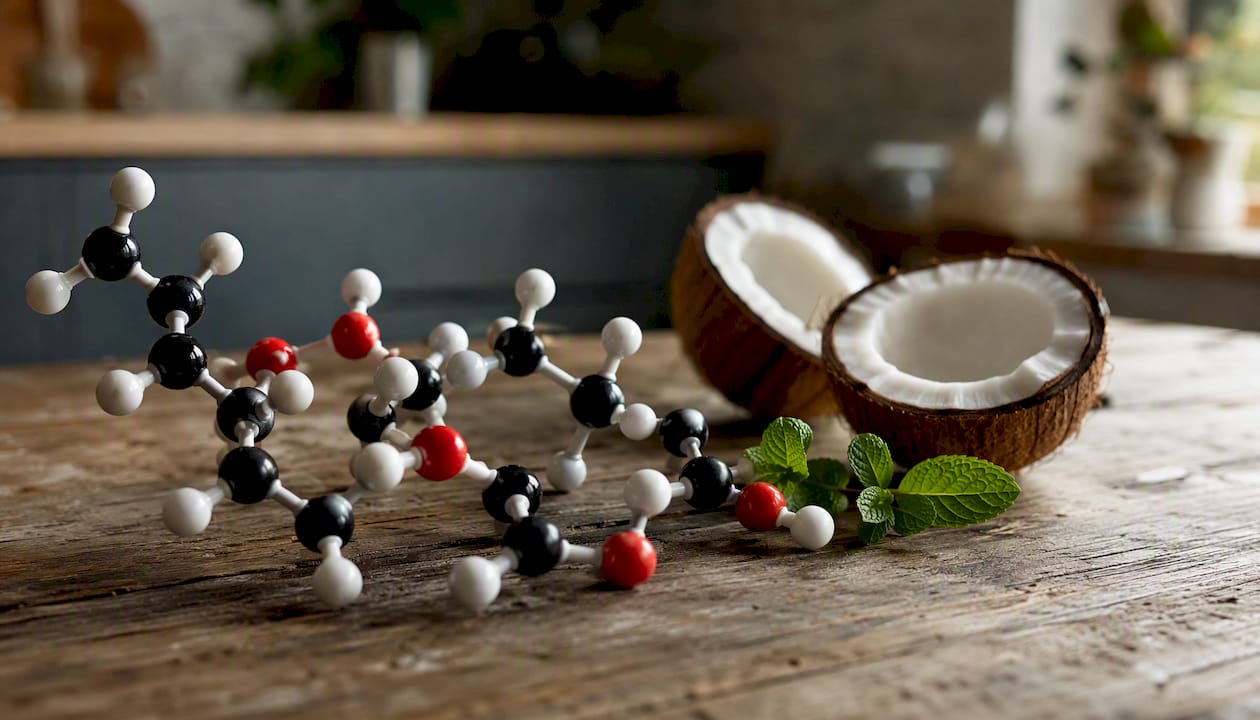
Medium-chain triglycerides are fatty acids with a carbon chain length of 6–12 carbons. Fractionated MCT oil, the type used in tinctures, is refined from coconut oil to isolate primarily C8 (caprylic acid) and C10 (capric acid), removing the longer-chain fats and the solid fraction that makes whole coconut oil set at cooler temperatures.
The digestion difference matters. Long-chain triglycerides (found in olive oil, hemp seed oil, and most cooking fats) require bile salts, pancreatic enzymes, and lymphatic transport before they reach the bloodstream. MCTs skip most of that process. According to IFIC’s nutrition guidance, MCTs bypass some normal digestive steps and are transported directly to the liver via the hepatic portal system, making them more rapidly available as an energy source. Research indexed on PubMed confirms that MCTs are absorbed more rapidly than long-chain triglycerides precisely because of this direct hepatic route.
For tinctures, that speed translates directly to faster onset. Cannabinoids and fat-soluble herbal compounds are lipophilic — they dissolve in fat, not water. A pharmacokinetics review on PMC confirms that lipid matrices can improve oral and sublingual bioavailability of lipophilic cannabinoids. Pairing them with an MCT carrier means the fat vehicle itself moves quickly, carrying the active compounds with it.
Key properties of fractionated MCT oil:
- Derived primarily from coconut (occasionally palm) oil through fractional distillation
- Remains fully liquid at temperatures as low as around 0°C, unlike whole coconut oil which solidifies below 24°C
- Virtually odourless and tasteless, preserving the natural character of herbal or cannabis extracts
- C8 is metabolised faster than C10; formulators note that the C8/C10 ratio influences uptake speed, and higher C8 blends are favoured where rapid onset is the priority
You can read more about CBD bioavailability and how carrier choice affects how much active compound your body actually uses.
How MCT oil compares with other carrier options for tinctures
Different carriers suit different goals. The table below covers the main options you’ll encounter in herbal and cannabis tinctures.
| Carrier | Absorption speed | Taste impact | Shelf stability | Dosing consistency |
|---|---|---|---|---|
| Fractionated MCT oil | Fast (hepatic portal route) | Neutral | Excellent | High (low viscosity, liquid at room temp) |
| Whole coconut oil | Moderate | Mild coconut | Good | Lower (solidifies below ~24°C) |
| Hemp seed oil | Moderate | Earthy, nutty | Moderate (oxidises faster) | Good when fresh |
| Olive oil | Slower | Grassy, strong | Good | Moderate (thicker viscosity) |
| Ethanol/alcohol | Fast sublingually | Sharp, burning | Excellent | High |
As PharmalinkFHI’s carrier guidance notes, MCT oil is flavourless, remains liquid at room temperature, and gives thin viscosity for consistent dropper dosing — three properties that matter enormously in a daily-use product.
Where MCT oil wins:
- Speed and consistency of delivery for fat-soluble compounds
- Neutral taste that lets the extract’s own character come through
- No solidification issues in UK winters (unlike whole coconut oil)
- Long shelf life without refrigeration
Where other carriers have the edge:
- Ethanol extracts a broader spectrum of cannabinoids and terpenes during the infusion process and has an even longer shelf life. For traditional herbal tinctures where extraction breadth matters, alcohol remains the standard. The trade-off is the sharp taste and the fact that alcohol-based products aren’t suitable for everyone.
- Hemp seed oil brings its own nutritional profile (omega-3 and omega-6 fatty acids) and is a popular choice for those who want a whole-plant approach. It oxidises faster than MCT, though, and its earthy flavour is noticeable.
- Olive oil suits culinary infusions and is widely available, but its thicker viscosity makes precise dropper dosing harder, and the flavour is pronounced.
For a deeper look at how coconut oil and hemp seed oil differ in practice, Smokocbd’s guide covers the key distinctions clearly.
Onset, dosing, and how to take an MCT tincture for best results
Sublingual administration — holding the oil under your tongue — is the fastest route with an MCT-based tincture. The mucous membranes under the tongue allow some direct absorption into the bloodstream, and the MCT carrier’s low viscosity helps it spread across that tissue quickly. Typical sublingual onset with an MCT tincture is often cited as relatively fast, though individual variation is real. Swallowing the oil or mixing it into food shifts the process to full gastrointestinal digestion, which generally pushes onset to 1–2 hours but may extend duration.
Practical dosing considerations:
- Start low, go slow. Begin with the lowest suggested dose on your product’s label and wait at least 90 minutes before considering a second dose.
- Hold sublingually for 60–90 seconds before swallowing to allow mucosal absorption. Smokocbd’s sublingual method guide walks through the technique step by step.
- Record your effects. Keep a simple log of dose, time, and how you feel. Responses to herbal and cannabinoid tinctures vary considerably between individuals.
- Understand your label. A 10 mL bottle labelled 2000 mg contains 200 mg per mL. If a standard dropper holds 1 mL, that’s your per-dose reference point. Smokocbd’s article on drops per millilitre explains the maths clearly.
- Food and fat intake can increase absorption when you swallow the tincture. Taking it alongside a meal containing healthy fats may raise uptake of fat-soluble compounds.
Pro Tip: For the most consistent results, take your MCT tincture at the same time each day, in the same way (sublingual vs. swallowed). Consistency in method matters as much as consistency in dose when you’re trying to understand how a product affects you.
Risks, side effects, and UK safety guidance for MCT tinctures
MCT oil is generally well tolerated in small amounts, but it isn’t without risks, particularly at higher doses or for people with specific health conditions.
Common side effects (more likely at higher doses):
- Nausea, stomach cramps, and loose stools or diarrhoea
- Bloating and an uncomfortable feeling of fullness
- Vomiting in some cases, especially when taken on an empty stomach
The Cleveland Clinic notes that gastrointestinal side effects are more common at higher doses and recommends a graduated approach: start with a small amount and increase slowly to allow your digestive system to adjust.
Who should take extra care:
- Liver conditions: MCTs are processed directly by the liver. People with liver disease, fatty liver, or compromised hepatic function should seek medical advice before use.
- Heart conditions: the evidence on MCTs and cardiovascular health is mixed; those with existing heart disease should discuss use with their GP.
- Pregnancy and breastfeeding: safety data is limited; consult a GP or midwife before use.
- Prescription medicines: cannabinoid-containing tinctures in particular may interact with medicines metabolised by the CYP450 enzyme system, including some anticoagulants, antiepileptics, and antidepressants.
UK guidance: if you are on any regular prescription medicine or have a chronic health condition, speak with your GP or a pharmacist before starting an MCT-based tincture. This applies especially to blood thinners, epilepsy medicines, and immunosuppressants. The NHS and MHRA are the appropriate UK bodies for up-to-date regulatory guidance on CBD products.
For age-specific safety considerations, Smokocbd’s guide for senior adults covers dosing caution and GP consultation in more detail.
How MCT tinctures are made: a practical overview
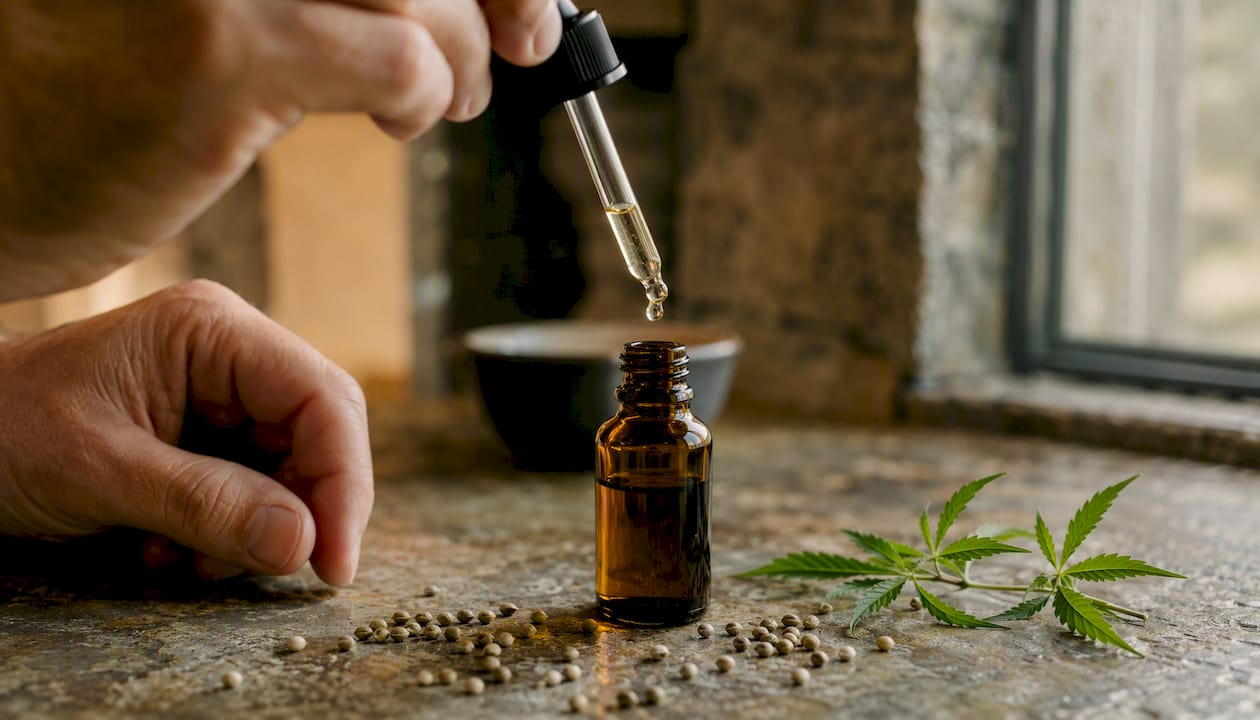
Whether you’re curious about what goes into a commercial product or considering a home infusion, the core process follows a similar logic.
Typical home infusion workflow:
- Decarboxylation (for cannabis): heat the plant material in an oven (typically 110–120°C for 30–45 minutes) to activate cannabinoids. Herbal extracts may not require this step.
- Infusion: combine the decarboxylated material with fractionated MCT oil in a sealed jar. Use a slow cooker or double boiler at low heat (around 60–70°C) for 2–4 hours, stirring occasionally.
- Straining: filter through a fine-mesh sieve lined with cheesecloth or a dedicated filter bag to remove all plant material.
- Bottling: pour into clean, dry amber glass dropper bottles. Label with the date and estimated potency.
- Storage: keep in a cool, dark place. Refrigeration extends life further.
Home vs. commercial practice:
- Home: accessible equipment, but no way to verify potency or confirm cannabinoid content without third-party testing.
- Commercial: producers use controlled-temperature infusion or direct dilution of a tested extract into MCT oil, followed by nitrogen flushing of bottles to displace oxygen and extend shelf life. Formulation stability reviews support nitrogen flushing and amber glass as best practice for oil-based herbal extracts.
Equipment checklist:
- Home: oven thermometer, double boiler or slow cooker, cheesecloth, amber dropper bottles, kitchen scales
- Commercial: temperature-controlled mixing vessels, inline filtration, nitrogen flushing equipment, HPLC testing, certificate of analysis (COA) generation
How to choose MCT oil for tinctures and store it properly in the UK
Not all MCT oils are equal, and the difference matters when you’re using it as a carrier for active compounds.
Buying checklist for UK shoppers:
- Fractionated MCT, not whole coconut oil. Fractionated MCT stays liquid at all UK ambient temperatures and has a more neutral taste.
- Declared C8/C10 ratio. A product that lists its caprylic (C8) and capric (C10) acid content is more transparent. Higher C8 content is associated with faster uptake.
- Third-party testing or COA. For any MCT oil used in a tincture you’re consuming, a certificate of analysis from an independent lab confirms purity and the absence of contaminants. This is especially relevant for THC content verification in CBD-based products.
- Source and sustainability. Most MCT oil is derived from coconut or palm oil. Palm-derived MCT raises sustainability concerns; look for coconut-sourced MCT with a credible supply chain statement.
- Food-grade labelling. Confirm the product is food-grade, not cosmetic-grade, if you’re using it in an ingestible tincture.
Storage tips:
- Store in a cool, dark location away from direct sunlight. A kitchen cupboard away from the hob works well.
- Amber glass bottles protect against UV degradation, which can break down both the MCT oil and the active compounds it carries.
- Once opened, most fractionated MCT oils remain stable for 1–2 years when stored correctly, though always check the manufacturer’s guidance.
- Signs of rancidity: an off or sour smell, cloudiness that doesn’t clear at room temperature, or a noticeably bitter taste.
Smokocbd’s MCT oil shelf life and storage guide goes into further detail on how to spot deterioration and when to replace your oil.
Why Smokocbd’s approach to MCT tinctures is worth understanding
The choice to use MCT oil as a carrier isn’t just a formulation convenience. It reflects a commitment to giving you a product where the delivery mechanism is as well-considered as the active ingredient itself.
Smokocbd uses MCT oil in its tinctures because it aligns with the goal of consistent, predictable dosing for UK adults. A neutral carrier that stays liquid, resists oxidation, and supports the uptake of fat-soluble cannabinoids means the product performs the same way whether you take it at 8am on a Monday or a Saturday evening. That consistency is what makes it possible to understand how a product is actually working for you.
Third-party lab testing sits at the centre of Smokocbd’s quality process. Every batch is tested by an independent laboratory, with certificates of analysis confirming cannabinoid content and verifying zero THC levels. That matters in the UK market, where THC content in CBD products is a genuine regulatory and personal concern for many buyers. Clear mg/mL dosing information on every product means you’re not guessing at your intake.
Smokocbd’s MCT-based CBD tincture for UK buyers
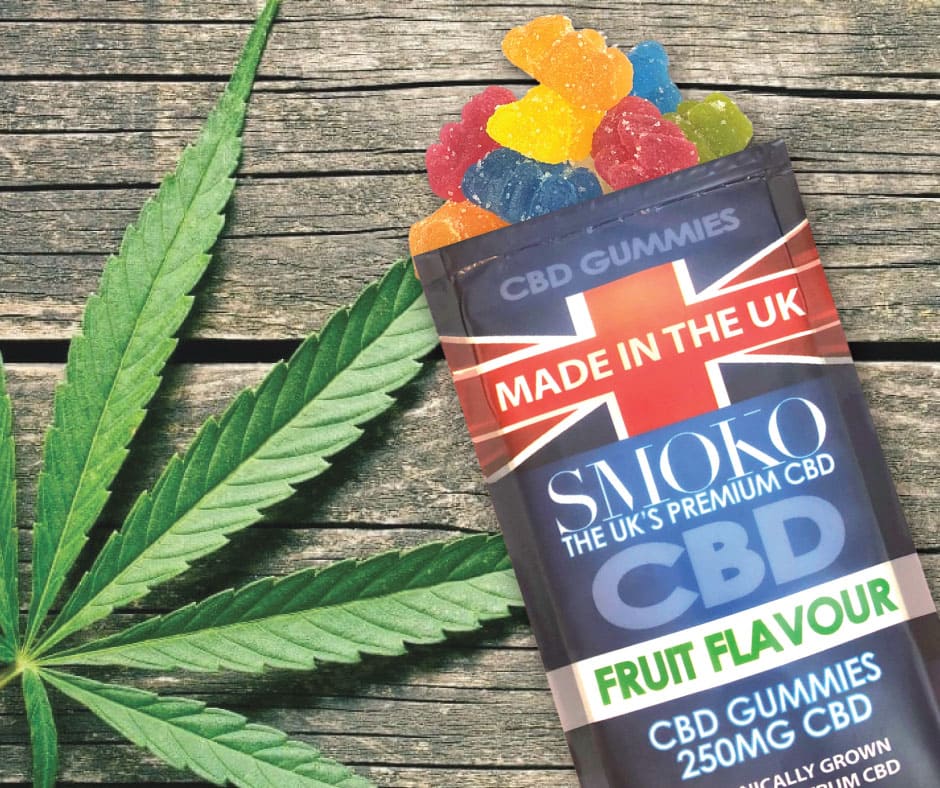
If you’d rather buy a tested, ready-to-use MCT tincture than make your own, Smokocbd’s 2000 mg Broad Spectrum CBD Mint Tincture is a practical starting point. It uses fractionated MCT oil as the carrier, comes in a 10 mL amber dropper bottle, and is backed by third-party lab testing with a COA available to verify zero THC content. The mint flavour makes the sublingual hold noticeably more pleasant than unflavoured oils.
For those who prefer a capsule format, the 750 mg Broad Spectrum Soft Gel Capsules offer the same broad-spectrum extract in a pre-measured dose. If you have questions about which strength suits your situation, Smokocbd’s customer support team can help, and the potential health benefits page provides further context. Always consult your GP if you’re on prescription medicines or have an existing health condition before starting any new supplement.
Sources
- The perfect pairing: MCTs and CBD
- PMC review relevant to cannabinoid pharmacokinetics (PMC8290527)
- MCT oil benefits — Cleveland Clinic
- The basics of MCT oil - IFIC
- MCT coconut oil as a CBD carrier — Stillroot / PharmalinkFHI
This article is general information only and is not a substitute for professional medical advice. Always consult a qualified healthcare professional or pharmacist before starting a new supplement, particularly if you take prescription medicines or have an existing health condition.