The single most reliable way to spot fake CBD is to verify a batch-specific, third-party Certificate of Analysis (COA) from an accredited lab and confirm the labelled CBD content matches what the COA actually reports. If there’s no COA, the batch number doesn’t match the bottle, the contaminant panel is missing, or the price seems unrealistically low, treat it as a reason to walk away.
TL;DR:
- A COA older than 12 months may not reflect the bottle’s contents, and labeled CBD should fall within roughly 10% of the reported amount.
- Treat missing or failed pesticide, heavy metal, solvent, or microbial results as deal breakers, and verify the laboratory’s accreditation independently.
- A THC result marked “not detected” means the level remains below the lab’s detection threshold, not necessarily zero, so check its stated limit.
- The FSA sets 10 mg daily as provisional acceptable intake for healthy adults; pregnant or breastfeeding people, children, and some medication users need clinical advice.
Table of Contents
- Quick checklist: six checks to spot fake CBD before you buy
- How to read a Certificate of Analysis and verify lab reports
- Other red flags: labels, marketing claims and sensory signs of fakery
- If you suspect a fake: immediate steps to verify, return and report
- Why independent testing and transparency matter: a brand example
- Author perspective: why transparency beats marketing
- A quick way to buy with confidence
- FAQ
- Sources
Quick checklist: six checks to spot fake CBD before you buy
Before you add anything to your basket, run through these checks. Most take under a minute once you know where to look.
- Find the COA and match the batch number. Every genuine product should link to a batch-specific Certificate of Analysis, and that batch or lot number needs to match the one printed on your bottle.
- Check the lab’s accreditation. A trustworthy report comes from a laboratory with ISO/IEC 17025 accreditation, which signals the lab follows recognised testing standards.
- Look for explicit CBD content. The label should state milligrams of CBD per bottle and per serving, not vague terms like “hemp extract”.
- Check the ingredients list. Steer clear of anything listing only hemp seed oil, which contains no meaningful CBD despite the name.
- Confirm the product type. Full-spectrum, broad-spectrum and isolate products carry different THC expectations, and the label should state which one you’re buying, a distinction we unpack further in our CBD terminology explained guide.
- Use your senses as a secondary check. Colour, viscosity and smell won’t confirm authenticity alone, but an oil that’s unusually watery, oddly coloured or smells strongly of solvents is worth questioning.
Price is a quieter red flag that’s easy to miss. A bottle claiming high potency at a bargain price, with no visible testing information, rarely adds up: lab testing, accreditation and quality hemp all cost money, and a seller skipping that step usually skips the paperwork too.
Pro Tip: Bookmark the COA link before you buy. If a product page doesn’t have one within two clicks, that alone tells you most of what you need to know.
How to read a Certificate of Analysis and verify lab reports
A COA looks intimidating at first, but it breaks down into a handful of fields worth checking in order.
- Batch and date match. Confirm the batch or lot number on the COA matches your bottle, and check the test date. A report older than 12 months may no longer reflect what’s actually in the bottle.
- Cannabinoid panel. This section lists CBD, THC and other cannabinoids, often marked “ND” for non-detect. Your labelled CBD amount should sit within roughly 10% of what the COA reports; a bigger gap suggests inaccurate labelling.
- Contaminant panels. Look for separate pass results on pesticides, heavy metals, residual solvents and microbial testing. Any of these marked as a fail, or simply missing from the report, is a genuine deal-breaker.
- Lab accreditation and traceability. The COA should name the testing lab and its accreditation. Search for that lab independently, check its own website for a COA lookup tool, and compare the report you’ve been given against what the lab’s own database shows.
Independent laboratory testing has found large variability in CBD product quality, with many products deviating from their labelled potency and some containing unlisted cannabinoids or contaminants. That variability is exactly why a batch-matched, dated COA matters more than any claim printed on the front of a bottle.
A few practical verification steps go a long way: scan any QR code printed on the packaging, visit the lab’s own site rather than trusting a screenshot, and if something feels off, call the lab directly. Watch for “COA shopping”, where a seller republishes an old or unrelated report because it looks favourable rather than because it matches the batch you’re holding.

Other red flags: labels, marketing claims and sensory signs of fakery
Beyond the COA, several label and marketing signs tend to cluster around poor-quality or counterfeit CBD.
- Vague labelling. Terms like “hemp oil” or “proprietary blend” with no milligram figure usually mean the seller isn’t willing to commit to a number because they can’t back it up.
- Implausible potency. A tiny bottle claiming an extremely high CBD does, especially with no dosing instructions, is a common sign of mislabelling rather than genuine strength.
- Medicinal claims. Products or adverts suggesting CBD can cure or treat a specific illness fall outside what’s permitted under UK advertising rules; the ASA has reiterated that testimonials and influencer claims don’t substitute for authorised health claims, so treat confident cure-all language as a warning sign rather than reassurance.
- Persistent steep discounting. The occasional genuine sale is normal, but a price that’s always “70% off” suggests the original figure was invented to make the discount look bigger.
- Sensory inconsistency. Watery texture, a harsh chemical smell, cloudiness or colour that varies noticeably between bottles of the “same” product all point to inconsistent sourcing or processing.
Our CBD quality standards guide walks through how these signs tend to show up together rather than in isolation.
If you suspect a fake: immediate steps to verify, return and report
If something doesn’t add up after purchase, work through these steps in order.
- Ask the seller for a batch-specific COA and compare the batch number and test date against your bottle.
- Verify the lab independently through its own website, checking accreditation and contact details rather than relying on the seller’s word.
- Request a refund, and keep the product, packaging and photos as evidence in case you need them later.
- Report safety concerns to Trading Standards or the Food Standards Agency for novel-food issues, and report misleading advertising to the ASA.
- For drug-test concerns, check the COA for a THC result marked “not detected” and speak to the testing body or a healthcare professional if you need certainty.
Why independent testing and transparency matter: a brand example
Transparency is easiest to judge when you can see it in practice. On product pages, third-party lab testing results and broad-spectrum product verification at zero THC are typically provided, alongside detailed ingredient lists and customer support for those wanting to check a batch.
That combination matters because it removes guesswork: a visible COA, a clear ingredients list and a responsive support team all reduce the risk of buying blind.
Pro Tip: When you land on any CBD product page, look for three things straight away: a batch number, a direct COA link, and a recent test date. If any one is missing, keep looking.
Author perspective: why transparency beats marketing
Marketing copy can say anything; a COA either matches the bottle or it doesn’t. I’d rather buy from a brand with an unglamorous product page and a current, accredited lab report than one with glossy claims and nothing to check them against. The FSA sets a provisional acceptable daily intake of 10 mg of CBD per day for healthy adults, and advises that pregnant or breastfeeding people, children and anyone on certain medications should avoid CBD without clinical advice. Keep that checklist handy next time you’re choosing between two bottles.
— Mike
A quick way to buy with confidence
Product pages are designed to include batch numbers, lab testing details and broad-spectrum labelling alongside tinctures, gummies and soft gels, to help avoid hunting for a COA or guessing at potency.
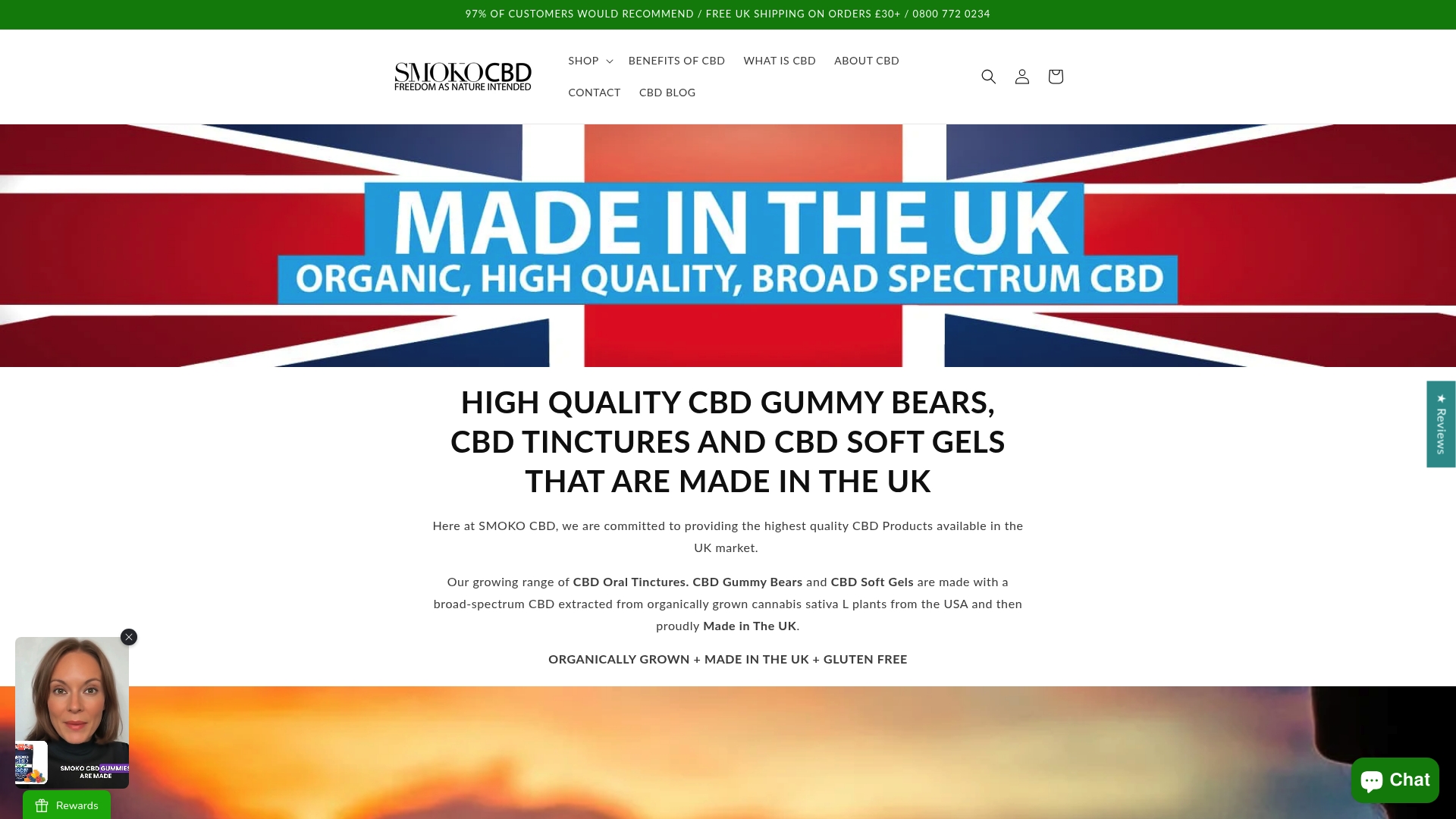
If you want to see what that looks like in practice, our CBD Tinctures, Gummy Bears and Soft Gels collection shows testing information on each listing, and our 250mg broad-spectrum CBD gummies page is a useful example to compare against any product you’re currently considering. If you can’t find a batch number or COA link anywhere, reach out to our customer support team and we’ll point you to the right documentation before you buy.
This article is general information, not a substitute for advice from a qualified doctor. Consult a qualified healthcare professional about your own circumstances before acting on anything here.
FAQ
How do I know if a CBD product is legit?
If the contaminant panel is missing or any result fails, that product isn’t one to trust.
What is the most trusted brand of CBD?
There’s no single universally recognised “most trusted” brand; trustworthiness comes down to whether a specific product publishes a current, batch-matched COA from an accredited lab. Use the checklist in this article on any brand you’re considering rather than relying on reputation alone.
Is CBD real or fake?
CBD itself is a genuine compound extracted from hemp, but individual products vary widely in accuracy and quality. Independent laboratory testing has found large variability in CBD product quality, with many products deviating from their labelled potency and some containing unlisted cannabinoids or contaminants, which is why checking a batch-specific COA matters more than trusting the label alone.
Will CBD fail a drug test?
A COA marked “ND” (non-detect) for THC means the level is below the lab’s detection threshold, not necessarily zero, so check the lab’s stated limit of detection if you’re subject to testing. If you need certainty, choose a product whose COA explicitly confirms THC as not detected and speak to the relevant testing body or a healthcare professional.
Sources
- Safety assessment of cannabidiol (CBD) as a novel food for use in food and food supplements — Food Standards Agency
- Frontiers in Pharmacology: variability in CBD product quality (2024)