A genuinely verified zero-THC product, one backed by a certificate of analysis showing “not detected” or 0.00% delta-9 THC, is very unlikely to trigger a positive drug test. The real danger sits elsewhere: mislabelled products, full-spectrum hemp extracts carrying trace THC, and repeated dosing that lets those traces build up. UK workplace urine screening typically flags THC-COOH at a 50 ng/ml cutoff, confirmed at a lower threshold for confirmation testing, and peer-reviewed testing backs this up. Always check the batch certificate and the lab’s ISO 17025 accreditation before you trust the label.
TL;DR:
- Verified zero-THC products backed by a certificate of analysis from an ISO 17025 accredited lab significantly reduce the risk of positive drug tests.
- Mislabeled or full-spectrum hemp extracts can contain trace THC levels that build up over time, especially with regular use, increasing detection chances.
- Urine drug tests primarily detect THC-COOH, which can remain in the system for days or weeks depending on usage frequency, dose, and formulation.
- Single-dose CBD isolate shows no conversion to THC in studies, but repeated use of full-spectrum products can lead to detectable THC metabolites.
- Confirm product authenticity by checking for batch-specific lab reports, numeric THC limits, and trustworthy testing labs; avoid products with vague labels or missing documentation.
Table of Contents
- How drug tests detect cannabis: what the screen actually looks for
- Why “zero THC” labels still cause failed tests
- What the research and lab data actually show
- Practical steps to lower your risk before a test
- What to do if you test positive
- Why I take a conservative line on this
- If you want a tested zero-THC product, here’s what to check
- Sources
- FAQ
How drug tests detect cannabis: what the screen actually looks for
Workplace and legal drug tests don’t look for CBD. They look for THC-COOH, the metabolite your liver produces after THC breaks down, and that distinction matters more than most people realise when they’re worried about a “zero THC” product.
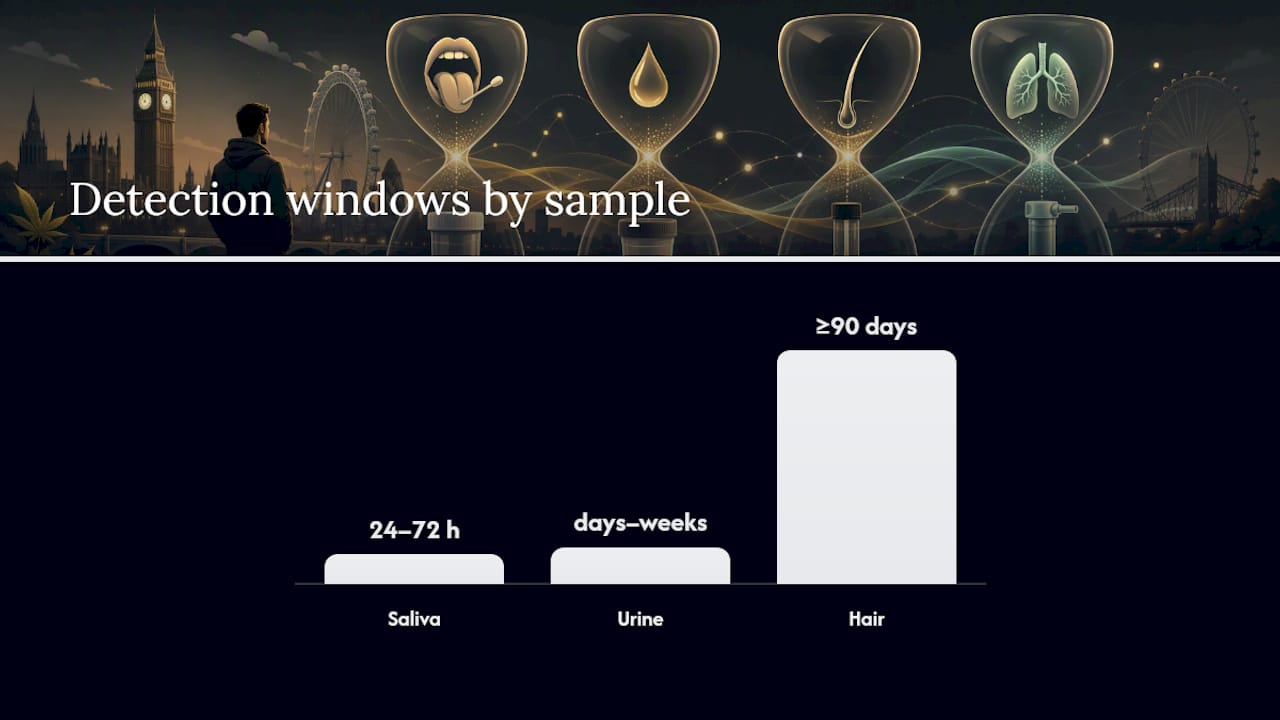
Urine testing is the standard for UK workplaces because THC-COOH stays detectable there for days after use, sometimes weeks for regular users, whereas saliva tests catch only recent use (typically 24 to 72 hours) and hair testing can reach back 90 days or more. Labs run this in two stages:
- Immunoassay screening first, a quick, cheap test with a typical cutoff around the commonly used threshold for THC-COOH screening.
- LC-MS/MS confirmatory testing second, only on samples that flag positive, using a stricter 15 ng/ml threshold to rule out false positives from cross-reacting substances.
That two-step process exists precisely because immunoassays are blunt instruments. They can react to compounds that resemble THC-COOH without actually being it, which is one reason confirmatory testing carries real legal and employment weight while a screening result alone usually doesn’t.
Detection windows stretch or shrink depending on how often you use a product, the dose, your body fat percentage (THC metabolites are fat-soluble and can linger in adipose tissue), and the formulation itself. Oral capsules behave differently to tinctures or vaped extracts. Research comparing urinary cannabinoid profiles across formulations found that oral CBD isolate produced no evidence of conversion to delta-9 THC at all, while vapourised CBD-dominant cannabis containing measurable THC did produce positive screens in a handful of participants. The product matters as much as the dose.
Why “zero THC” labels still cause failed tests
The label says zero THC. The bottle doesn’t always agree. That gap is the single biggest reason people fail tests after using products they believed were safe, and it’s rarely about the chemistry going wrong. It’s about the label being wrong in the first place.
Independent testing programmes have repeatedly found measurable THC in products marketed as THC-free, and Drexel University’s research highlights confirm this isn’t a rare fluke. Mislabelling, not an inherent risk in properly isolated CBD, is the leading practical cause of workplace positives.
Understanding the three product categories helps explain why:
- Isolate contains pure CBD with no other cannabinoids, so there’s nothing left to accumulate.
- Broad-spectrum retains other cannabinoids and terpenes but should have THC removed to non-detectable levels, though “should” is doing a lot of work in that sentence if the manufacturer skips proper testing.
- Full-spectrum keeps the plant’s natural THC content, legally capped at trace levels, but present nonetheless, and this is where accumulation risk lives.
Repeated dosing compounds the problem. Even a legally compliant full-spectrum product with THC measured in low parts per million can, over days or weeks of daily use, push THC-COOH above a screening cutoff. Watch for red flags: no batch number, no downloadable COA, vague marketing language like “trace amounts” with no numeric value, or a website that won’t name its testing lab.
Pro Tip: If a product page can’t show you a specific delta-9 THC percentage from an independent lab, treat it as an unknown quantity, not as zero THC.
What the research and lab data actually show
The evidence here is more reassuring than most headlines suggest, but it comes with real caveats worth taking seriously.
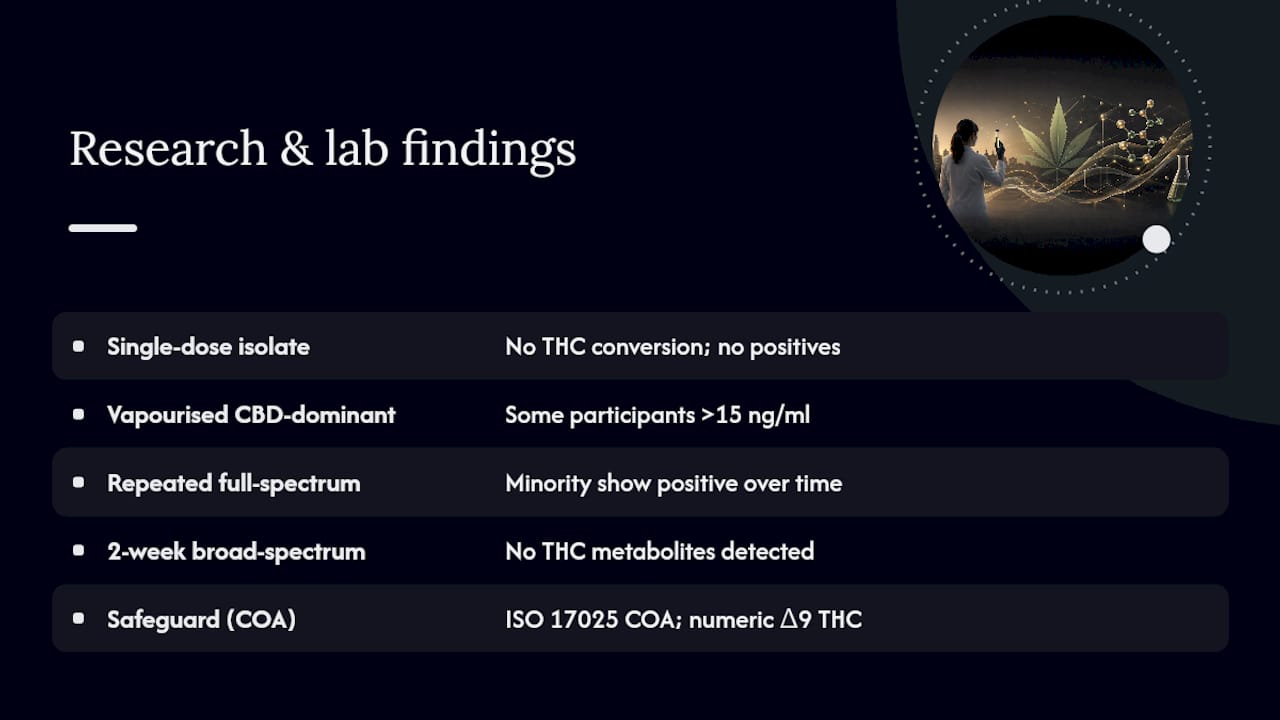
Single-dose trials of CBD isolate consistently show no conversion to THC and no positive screens. A controlled study involving 18 adults tested urinary immunoassay screening at 20, 50, and 100 ng/ml thresholds; oral CBD isolate produced no detectable THC-COOH at any threshold, while only the vapourised CBD-dominant cannabis (containing measurable THC) pushed three participants above 15 ng/ml. Formulation and route genuinely change the outcome, not just theoretically.
Repeated use tells a different story. Studies tracking full-spectrum hemp product use over time found THC-COOH at or above cutoffs in a meaningful minority of participants, with some small trials showing positive rates varying meaningfully depending on the product and duration.
A two-week trial of a commercial broad-spectrum product, dosed at a moderate daily amount of CBD, found no detectable THC metabolites by LC-MS/MS at the study’s limits of quantification. That’s a genuinely reassuring signal for verified broad-spectrum use over a short window, though longer durations and higher doses remain far less studied.
The practical takeaway isn’t complicated: a batch-specific COA from an ISO 17025 accredited lab is the strongest safeguard available. Look for a numeric delta-9 THC value (not just “ND” without context), the limit of detection, and the lab’s accreditation status. If a workplace uses hair testing rather than urine, be aware that short pauses won’t help. Hair testing can reveal cannabinoid exposure going back 90 days or more, regardless of how carefully you time your last dose.
Practical steps to lower your risk before a test
Reducing risk comes down to product choice, timing, and verification, in that order of importance.
- Choose CBD isolate or a broad-spectrum product with a batch COA explicitly showing ND or 0.00% delta-9 THC.
- Confirm the testing lab carries ISO 17025 accreditation rather than taking the brand’s word for it.
- If you use CBD regularly and face an upcoming screening, a conservative pause of two to three weeks gives your body time to clear any accumulated trace THC, longer than the shorter windows sometimes suggested for occasional use.
- Ask directly for a COA if a retailer’s website doesn’t display one. A legitimate supplier will provide it without hesitation.
- Consider a home urine test a few days before an important screening as a practical safety check, particularly if you’ve used any full-spectrum product recently.
- Remember topicals carry the lowest risk of systemic absorption but aren’t automatically risk-free if the product itself is contaminated or mislabelled. If you’re specifically worried about lotions and topical applications, this breakdown of topical contamination risks covers it in more depth.
Pro Tip: Keep the COA and batch number from any product you’re currently using saved somewhere accessible. If a result ever comes back unexpectedly positive, you’ll need that documentation fast.
What to do if you test positive
A positive result isn’t the end of the conversation, but how you respond in the first few days matters.
- Request the quantitative LC-MS/MS confirmatory result in ng/ml, not just a pass/fail outcome, and ask for the chain-of-custody paperwork.
- Locate the exact product you used, including its batch number and original COA, and keep the packaging itself if you still have it.
- If the COA doesn’t match what the confirmatory test suggests, arrange independent testing of a retained sample from the same batch.
- Speak to occupational health or HR about your employer’s procedure before assuming the worst, and seek legal advice promptly if the consequences are serious, such as dismissal or a safety-critical role suspension.
Document everything with dates. Evidence that ages well is evidence you gathered immediately, not weeks later from memory.
Why I take a conservative line on this
Most guidance on CBD and drug testing either overstates the danger (treating all CBD as risky) or understates it (assuming “zero THC” on a label settles the matter). Neither position holds up against the actual evidence. The honest picture is that verified isolate and broad-spectrum products carry very low risk, and the studies back that up, but the industry’s mislabelling problem is real and well documented, which means the label alone was never good enough evidence on its own.
What people underestimate is how much responsibility sits with the buyer to verify, not just trust. A COA isn’t paperwork for the sake of it; it’s the only thing standing between you and an assumption. Where a test result carries real consequences, whether that’s your job or something more serious, I’d rather see someone pause use for a few weeks and check a lab report than rely on marketing copy.
— Mike
If you want a tested zero-THC product, here’s what to check
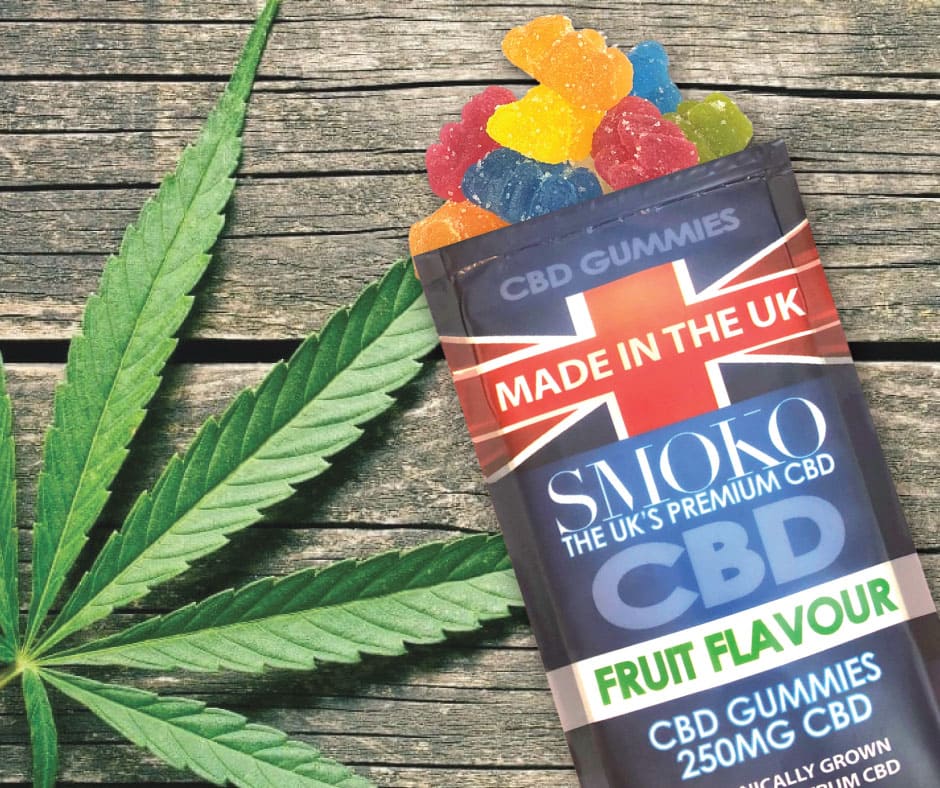
The company sells broad-spectrum tinctures, gummies, and soft gel capsules made from organically grown hemp, with batch-specific lab testing behind every product line rather than a blanket label claim.
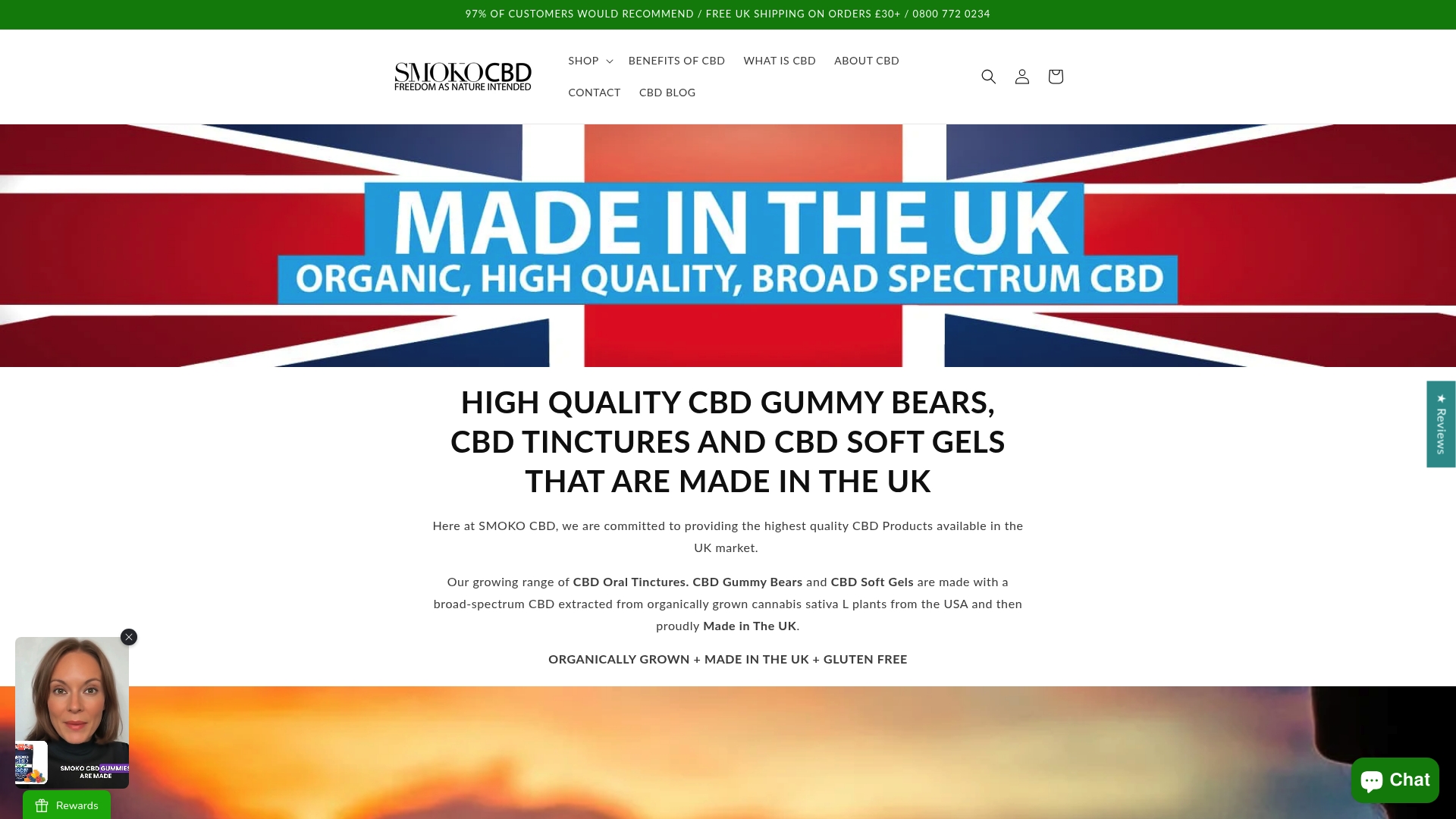
Every batch is tested by an independent laboratory, and the certificates confirming zero THC status are available for customers who want to check before they buy, not after. That matters most if you’re facing a workplace screening or a legal requirement where the stakes of an unexpected positive are genuinely high. Before ordering anything, whether from Smokocbd or elsewhere, run through a simple checklist: does the product have a downloadable COA, does it list a numeric delta-9 THC value, and does it name an ISO-accredited lab? If a supplier can’t answer all three, that’s worth pausing on. For readers who want to understand the practical benefits of choosing zero-THC formulations over full-spectrum alternatives, this guide to zero-THC CBD breaks down the reasoning further. If you’re ready to see a batch-tested option directly, the broad-spectrum mint tincture is a straightforward place to start, with full product details and lab documentation on the page.
FAQ
How long do I need to be THC free before a drug test?
For occasional CBD users, a few days is often enough, but for regular or full-spectrum users, a conservative two to three week pause gives your body time to clear any accumulated THC-COOH.
What does “no THC” actually mean on a drug test?
It means the product’s certificate of analysis shows delta-9 THC as not detected, ideally with a numeric limit of detection stated by an ISO 17025 accredited lab, rather than just a marketing claim.
How long does THC stay detectable in urine?
Detection windows vary from a few days for occasional use to several weeks for frequent users, driven by dose, body fat percentage, and how often the product is used.
Will CBD alone make me fail a urine test?
Verified CBD isolate has not shown conversion to THC in controlled studies, so it’s very unlikely to cause a failure; the risk comes from full-spectrum products or mislabelled items containing measurable THC.