CO2 extraction genuinely produces cleaner CBD extracts with no residual solvents and gives producers fine control over which cannabinoids and terpenes end up in the final product. That said, the extraction method is only one quality signal among several: a CO2 label on its own tells you nothing about potency accuracy, THC content or contaminants. What actually protects you is the third-party lab testing behind the product, not the process name on the bottle.
TL;DR:
- Lower pressure and temperature favor lighter terpenes, while higher settings extract more CBD; subcritical processing preserves heat sensitive aromas but yields less and takes longer.
- Some producers add ethanol, usually 5% to 10%, to recover more polar compounds; check whether the certificate of analysis declares and tests for it.
- Ethanol often yields more extract, hydrocarbon solvents pose greater flammability and residue risks, and steam distillation captures terpenes but recovers cannabinoids poorly.
- CO2 batches yield less and equipment costs more than ethanol setups; ask brands whether they blend fractions or add terpene distillates afterward.
- UK guidance sets a provisional daily CBD intake of 10 mg for healthy adults; check lab results for potency, THC, solvents, metals, and microbes.
Table of Contents
- How CO2 extraction works, in plain terms
- What benefits can you reasonably expect?
- CO2 versus ethanol, hydrocarbons and steam distillation
- Why CO2 extraction often costs more
- What actually protects you: testing and UK regulation
- Our approach to testing and transparency
- The real question isn’t CO2 versus ethanol
- Where to find tested, broad-spectrum CBD products
- FAQ
- Sources
How CO2 extraction works, in plain terms
CO2 extraction uses carbon dioxide gas squeezed and heated until it behaves like both a liquid and a gas at once, a state chemists call supercritical. In this state, CO2 flows through plant material like a liquid solvent but spreads through it like a gas, pulling out cannabinoids and terpenes without leaving any residue behind once the pressure drops and the CO2 simply evaporates.
Adjusting the pressure and temperature changes what the CO2 picks up. Research on supercritical CO2 processing shows that lower pressures tend to favour lighter, more volatile monoterpenes, while higher pressures pull in more CBD and heavier compounds. This adjustability, often called tunability, lets a producer aim for a specific cannabinoid or terpene fraction rather than extracting everything indiscriminately.
Subcritical CO2 runs at lower pressure and temperature. It is gentler on heat-sensitive terpenes, which makes it useful when preserving aroma and flavour matters more than maximising yield, though it typically takes longer and pulls out less material overall.
Some operations add a small amount of ethanol as a co-solvent, usually 5 to 10%, to help the CO2 grab more polar compounds and boost recovery. When a co-solvent is used, it should show up declared and tested on the product’s certificate of analysis.

What benefits can you reasonably expect?
The benefits attributed to CO2 extraction affect purity and composition but do not determine effectiveness. A CBD extract’s therapeutic potential is not guaranteed to be higher just because it was pulled from the plant with CO2 rather than another solvent.
- No residual organic solvents: properly processed CO2 leaves nothing behind once pressure is released, which matters for both safety and a cleaner taste.
- Selectivity and tunability: adjusting pressure and temperature lets producers target particular cannabinoid or terpene fractions, something comparative extraction research confirms produces distinctly different chemical profiles from ethanol or isopropyl alcohol methods.
- Cleaner-looking extracts: CO2 tends to pull fewer plant pigments and waxes than some solvent methods, simplifying the winterisation step that removes unwanted fats and chlorophyll.
- Lower environmental and operational risk: CO2 is non-flammable and can be recaptured and reused, which reduces some of the safety concerns tied to flammable solvents.
Pro Tip: A clean-looking, pale extract is a good sign, but it is not proof of anything. Always check the certificate of analysis rather than judging by colour or clarity alone.
CO2 versus ethanol, hydrocarbons and steam distillation
Every extraction method makes a trade-off between yield, purity and the final chemical profile, and understanding those trade-offs helps explain why prices and product types vary so much across the CBD market.
Ethanol extraction typically produces a higher total extract mass than CO2, according to reviews of hemp extraction procedures, and it is particularly good at pulling acidic cannabinoids like CBDA. The trade-off is that ethanol can also strip chlorophyll and plant waxes unless the process is carefully controlled, and any residual solvent left behind needs to be tested for and removed.
- Ethanol: higher yield, strong for acidic cannabinoids, risk of solvent residue without proper purging.
- Hydrocarbon solvents (butane, propane): efficient and often used for certain concentrates, but carry greater flammability and residue concerns.
- Steam or hydrodistillation: excellent for capturing aromatic terpenes but poor at recovering cannabinoids, making it unsuitable as a standalone method for CBD products.
A MDPI comparison of extraction techniques found that supercritical CO2 extracts were richer in certain cannabinoids and flavonoids, while ultrasound-assisted extraction achieved greater overall recovery and higher antioxidant capacity depending on conditions. Method choice shifts the terpene and cannabinoid balance enough that a “full spectrum” or “broad spectrum” label depends heavily on which process, and which fractions, went into the final blend.
Why CO2 extraction often costs more
CO2 extraction typically delivers a lower total yield per batch than ethanol, which has direct knock-on effects for pricing. The equipment itself, pressurised vessels, precise temperature and pressure controls, trained operators, represents a significant capital investment that comparative studies note pushes per-kilogram operating costs above those of simpler ethanol setups.
To offset lower yields or recreate a fuller cannabinoid and terpene profile, some producers blend CO2-extracted fractions back together or add terpene distillates afterwards. This is a legitimate formulation technique, not a shortcut, provided it is disclosed.
CO2 extraction tends to suit products where purity and precise composition matter most, such as cosmetic-grade extracts or pharmaceutical precursors. For simpler everyday tinctures or gummies, the practical difference may be smaller than the price premium suggests. If yield versus purity matters to you, ask a brand directly whether fractions are blended, whether a co-solvent was used, and what the certificate of analysis shows for potency and residues.
What actually protects you: testing and UK regulation
In the UK, CBD extracts are treated as novel foods, which means they fall under safety assessment by the Food Standards Agency rather than being approved on the strength of their extraction method alone. The FSA and its Advisory Committee on Novel Foods and Processes set a provisional acceptable daily intake of 10 mg of CBD per day for healthy adults using high-purity products, a figure worth keeping in mind when comparing combining CBD with other supplements.
A genuinely trustworthy product gives you more to check than the word “CO2” on a label:
- Cannabinoid potency: confirms the actual CBD content matches what the label claims.
- Residual solvents: shows whether any ethanol or hydrocarbon traces remain, and at what level.
- THC limits: verifies the product stays within the legal threshold.
- Heavy metals and microbiology: rules out contamination from soil, pesticides or processing.
Extraction claims without an accompanying certificate of analysis and novel food documentation are marketing, not proof. If you take other medication or fall into a vulnerable group, speak to a clinician before adding CBD, since interactions and individual sensitivity vary.
Our approach to testing and transparency
Every batch is tested by independent third-party labs and verified for zero THC content before any broad-spectrum tincture, gummy or soft gel reaches a customer. Rather than asking you to take extraction claims on faith, we publish the testing standards behind our CBD oil extraction methods so you can see what sits behind the label. We also cover the fuller technical picture in our guide to CO2 hash oil extraction for readers who want the detail.
The real question isn’t CO2 versus ethanol
The industry spends a lot of energy arguing over extraction methods as though one of them is a stamp of superior quality. That framing misses the point. CO2 extraction is a genuinely clean, tunable process, but tunability cuts both ways: it lets a careful producer target a precise cannabinoid profile, and it equally lets a careless one dilute, blend or reconstitute a product while still advertising “CO2 extracted” on the front.

The conventional advice tells shoppers to seek out CO2 extraction and stop there. That is a weaker filter than it sounds. A far better first move is to open the certificate of analysis before reading a single marketing claim. Check potency against the label, confirm THC sits within the legal limit, and look for residual solvent results even on a CO2 product, since co-solvents are common. Decarboxylation and processing steps also shape what you end up with, something explained well in this overview of THCA to THC conversion.
Extraction method indicates how a product was made, but testing provides information on the actual product composition and safety.
— Mike
Where to find tested, broad-spectrum CBD products
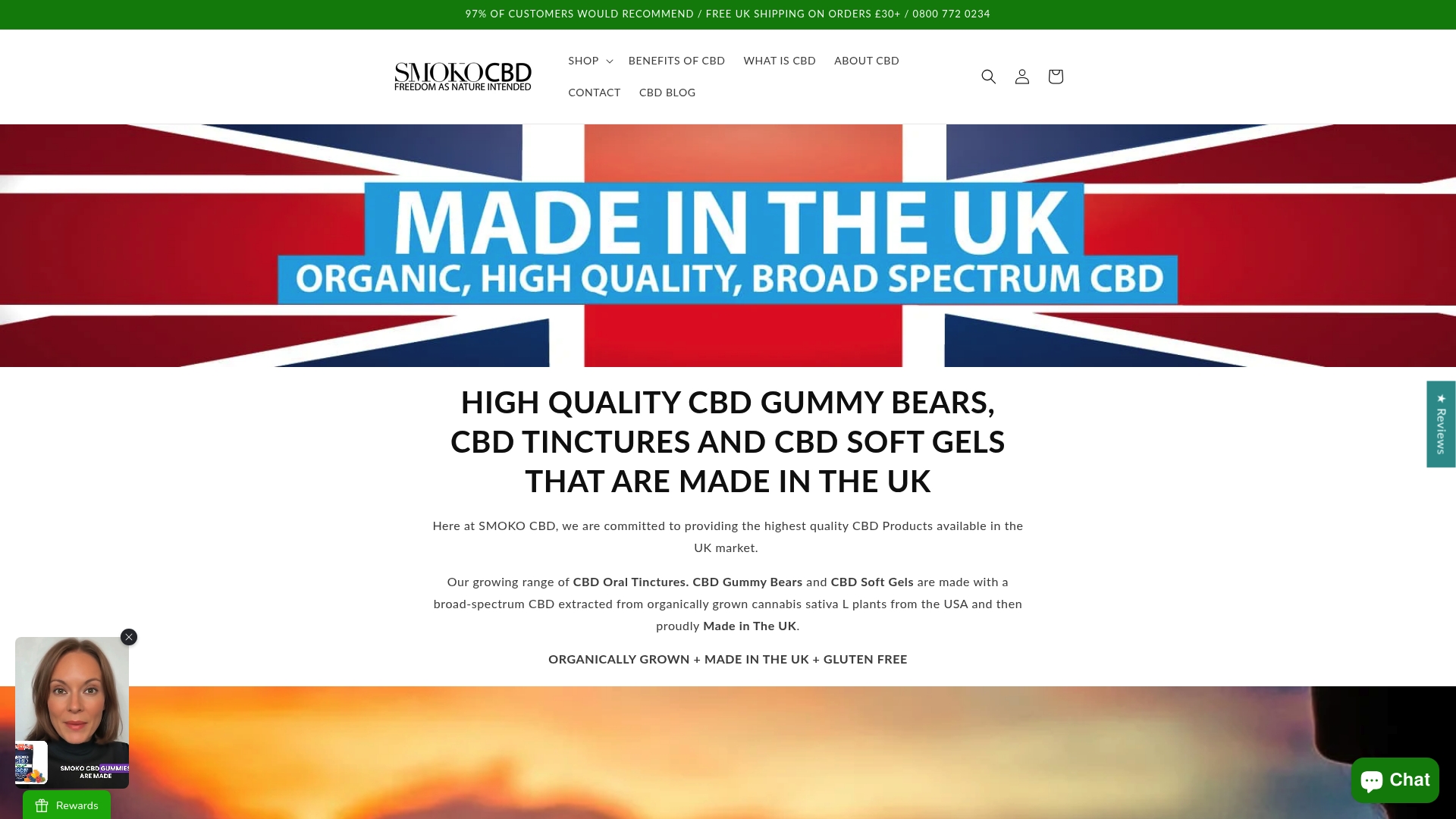
We sell broad-spectrum tinctures, gummy bears and soft gels made with organically grown hemp, each backed by third-party lab testing and verified zero THC content rather than a single extraction claim on the packaging.
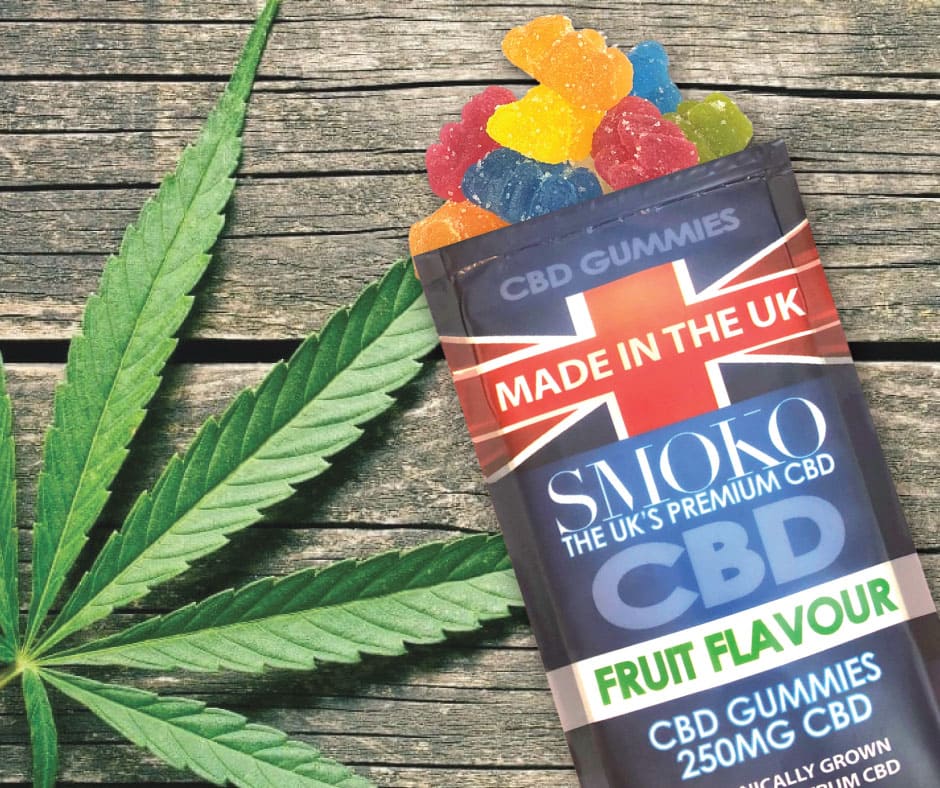
If you want to see what a fully tested product looks like in practice, our 250 mg broad-spectrum CBD gummies are a straightforward place to start, or browse the full CBD tinctures, gummy bears and soft gel collection to compare strengths and formats.
This article is general information, not a substitute for advice from a qualified doctor. Consult a qualified healthcare professional about your own circumstances before acting on anything here.
FAQ
What’s better, CO2 or distillate?
CO2 extraction is a method, while distillate is a purified end product that can be made starting from a CO2 or ethanol extract, so they are not direct alternatives. Distillate typically offers very high cannabinoid concentration, while CO2 extraction can preserve more of the original terpene profile depending on how it is processed.
How much does a CO2 extraction machine cost?
Published figures for supercritical CO2 extraction equipment are not listed in the sources behind this article, so we cannot state a reliable price here. What is consistently reported is that the equipment and operating costs run higher than simpler ethanol setups, which is part of why CO2-extracted products often carry a price premium.
What are the differences between CBN, CBD, and CBG?
CBD, CBN and CBG are different cannabinoids naturally produced by the cannabis and hemp plant, each with a distinct chemical structure and its own interaction with the body. CBD is the most studied for general wellness use, CBN tends to form as THC ages and degrades, and CBG is often found in smaller quantities and is sometimes called a precursor cannabinoid because other cannabinoids develop from it as the plant matures.
Is CO2 extraction safe?
CO2 extraction is widely regarded as a safe method because carbon dioxide is non-flammable and leaves no solvent residue once the pressure is released and it returns to its gas state. Safety for the finished product still depends on proper processing and testing, which is why a certificate of analysis checking for residual solvents, potency and contaminants matters more than the extraction label alone.
Sources
- Safety assessment on the safety of cannabidiol (CBD) isolate as a novel food — Food Standards Agency
- The impact of extraction protocol on the chemical profile of cannabis extracts from a single cultivar | Scientific Reports
- Effect of hemp extraction procedures on cannabinoid and terpenoid composition — PMC
- Review of supercritical CO2 techniques for Cannabis sativa processing — MDPI