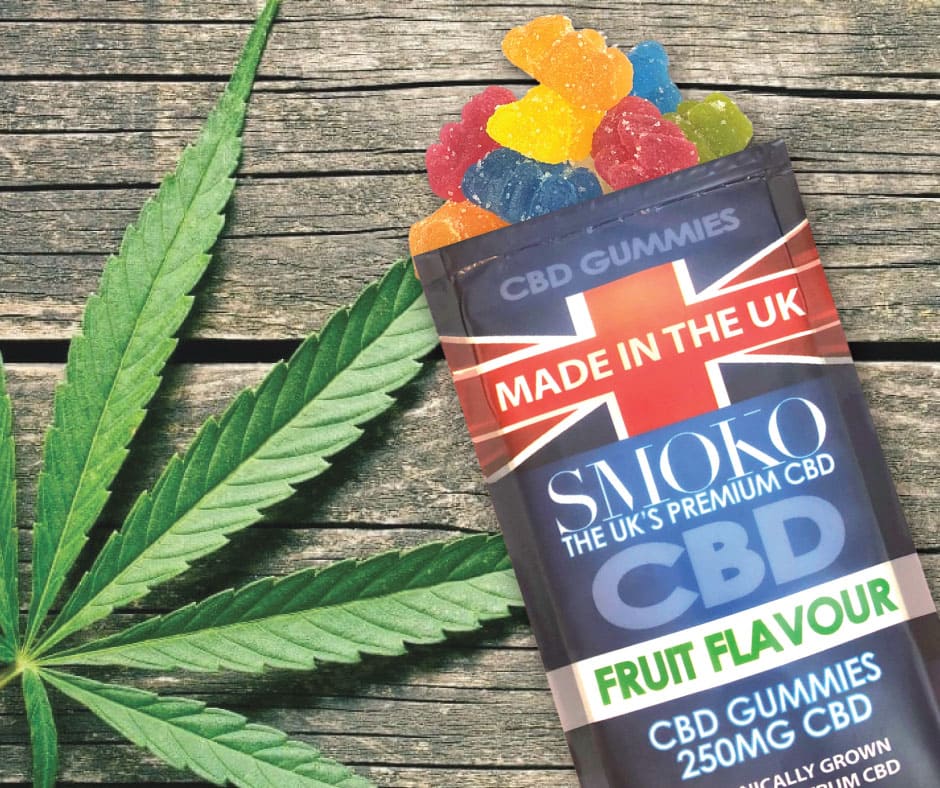
Taking CBD and omega 3 together makes biological sense: both work through overlapping lipid pathways in the body, and some preclinical research suggests they may complement each other’s anti-inflammatory effects. That said, human trials on the combination are scarce, so we can’t call this a proven stack. The one rule that matters most right now is the UK Food Standards Agency’s provisional acceptable daily intake of 10 mg CBD per day, and anyone on prescription medicines, pregnant or breastfeeding should speak to a clinician first.
TL;DR:
- The UK Food Standards Agency’s provisional daily CBD limit is 10 mg, and exceeding this with multiple products can easily occur without careful tracking.
- Omega 3 intake influences the endocannabinoid system and receptor expression, but most evidence for combined benefits comes from animal studies, not humans.
- Carrier oil choice, such as sesame oil versus fish oil capsules, significantly affects how cannabinoids are distributed in tissues, based on animal tissue studies.
- Human trials on the combined use of CBD and omega 3 are lacking, making any claimed benefits largely speculative and not clinically proven.
- Selecting tested, label-verified products and consulting a clinician before combining supplements is essential, especially if on medication or pregnant.
Table of Contents
- How CBD and omega 3 interact: the endocannabinoid system, lipid signalling and PPARs
- What the research actually shows: preclinical studies, carrier oil effects and human evidence
- UK safety rules and dosing: the FSA’s provisional limit and who should be cautious
- How to take CBD with omega 3s: formulations, timing and dosing checks
- Criteria for selecting reliable CBD and omega 3 products
- SMOKO CBD: formulation and testing approach
- A realistic view on combining CBD and omega 3
- Where to find tested CBD products if you want to try the combination
- FAQ
- Sources
How CBD and omega 3 interact: the endocannabinoid system, lipid signalling and PPARs
To understand why people pair these two supplements, it helps to know that the endocannabinoid system (ECS) is built from fat. Endocannabinoids like anandamide and 2-AG are made on demand from fatty acids stored in cell membranes, which means the fats we eat genuinely shape how this signalling network runs. Anandamide, incidentally, shares its name root with the Sanskrit word for bliss, and some researchers have linked it loosely to the “runner’s high.”
Omega 3 fatty acids, EPA and DHA in particular, get built into those same membranes. When omega 3 intake rises, the raw material available for endocannabinoid production shifts too, and that can influence how CB1 and CB2 receptors behave. Several mechanistic reviews describe omega 3s as capable of modulating ECS components and receptor expression in the brain, which plausibly changes how a cannabinoid like CBD behaves once it’s in the body.
There’s a second point of overlap worth knowing: PPARs, or peroxisome proliferator-activated receptors. These are nuclear receptors involved in regulating inflammation and metabolism, and both CBD and omega 3 fatty acids appear able to activate PPAR isoforms, particularly PPARγ. That shared target gives researchers a plausible biological bridge between the two compounds’ effects on inflammation.
A few things worth keeping in mind about this biology:
- Endocannabinoids are synthesised from membrane fatty acids, so diet directly feeds the ECS.
- Omega 3s can shift CB1/CB2 receptor expression and endocannabinoid tone over time.
- CBD and omega 3 both interact with PPARγ, a receptor tied to inflammation control.
- Most of this evidence comes from animal or cell-based studies, not people.
One finding worth flagging: mechanistic research on cannabinoid and omega 3 interactions with PPARs points to a real convergence point in mental health and inflammation pathways, though it stops short of confirming what this means for someone taking both supplements daily.
The honest summary is that the mechanism is plausible and reasonably well mapped out in cell and animal studies, but translating “shared receptor pathway” into “measurable benefit in a person” is a different, much harder question that current research hasn’t answered.
What the research actually shows: preclinical studies, carrier oil effects and human evidence
Most of what we know about combining CBD and omega 3 comes from animals, not people, and that gap matters when deciding how much weight to put on any claim.
In preclinical pain models, combined cannabis oil and omega 3 fish oil reduced markers associated with neuropathic pain and improved functional recovery measures compared with either treatment alone. Similar animal work has reported reduced inflammatory markers when cannabinoids and omega 3s are given together in models of colitis. These results are genuinely interesting, but they come from rodent studies, and pain or inflammation models in mice don’t always translate cleanly to humans.
A separate and quite practical question is what carrier oil does to CBD once it’s swallowed. A peer-reviewed tissue distribution study in mice compared sesame oil against n-3 PUFA (EPA/DHA-rich) oils as carriers for orally administered cannabinoids. The results were somewhat counterintuitive for anyone assuming omega 3 oil would be the ideal CBD carrier:
- Sesame oil produced higher CBD tissue concentrations than n-3 PUFA oils in several tissues tested, including serum and liver.
- DHA-rich oil did increase brain CBD concentrations at some time points, suggesting the carrier oil question is not a simple one.
- Tissue levels varied significantly by oil type across six tissues studied: serum, adipose, brain, liver, heart and muscle.
Carrier oil selection measurably changes acute tissue distribution of orally consumed cannabinoids in animal models, with sesame oil showing higher tissue concentrations than n-3 PUFA oils in several tested tissues.
Tissue distribution study, PMC
What this means practically: fish oil capsules taken alongside CBD aren’t automatically the best delivery vehicle for the cannabinoid itself, even though the two substances may interact favourably once absorbed. The study doesn’t tell us this holds in humans, only that oil chemistry clearly affects where cannabinoids end up in mouse tissue.
As for human trials testing CBD and omega 3 together specifically, they’re essentially absent from the published literature at a quality level that would let us recommend the combination for any named condition. No large randomised controlled trial has tested the pairing head to head against either supplement alone in people. What exists is a scattering of animal studies and mechanistic reasoning, both suggestive, neither conclusive.
That doesn’t mean combining them is pointless. It means the honest claim is “plausible and biologically interesting,” not “clinically proven,” and anyone reading marketing copy that implies otherwise should treat it with some scepticism.
UK safety rules and dosing: the FSA’s provisional limit and who should be cautious
The single most important number in this entire topic is 10. The Food Standards Agency’s provisional acceptable daily intake for CBD is 10 mg per day for a healthy 70 kg adult, and it applies across all food and supplement sources combined, not per product. This figure was set based on liver and thyroid effects observed in toxicology studies using high-purity CBD, so it’s a precautionary ceiling rather than a dose known to cause harm in every case.
A few groups are specifically advised to avoid CBD altogether, according to the same FSA guidance:
- Pregnant or breastfeeding women.
- Anyone taking regular prescription medicines, particularly those metabolised through the liver.
- Children.
- People who are immunocompromised.
Each of these groups faces a different risk profile, but the common thread is that CBD can interact with how the body processes other substances, and that interaction is harder to predict when the body is already under strain or when a medicine’s effectiveness depends on tight dosing.
Interactions deserve a closer look if you’re combining CBD with omega 3 supplements rather than taking either alone. High-dose omega 3 can thin the blood modestly, and when combined with anticoagulant medication, this can raise bleeding risk; clinicians sometimes request INR monitoring or suggest a lower omega 3 dose in this situation. CBD separately has the potential to affect liver enzymes involved in metabolising other medicines, including some statins, which is why the FSA’s joint position paper and related safety assessments recommend clinical review before adding CBD if you’re on regular medication. If you want a deeper breakdown of how CBD and statins specifically interact, we’ve covered the mechanics of that interaction in more detail elsewhere.
One number worth remembering: the provisional ADI of 10 mg/day applies to total CBD intake, so a tincture, a gummy and a capsule taken on the same day all count toward that same ceiling.
If any of this applies to you, the sensible move isn’t to avoid both supplements outright. It’s to get specific medical advice before stacking them, and to monitor for new symptoms once you start.
How to take CBD with omega 3s: formulations, timing and dosing checks
Once the safety basics are settled, the practical question becomes how to actually take both supplements in a way that’s predictable rather than haphazard.
Carrier oil choice affects CBD absorption more than most people realise. MCT oil is the most common carrier in UK tinctures because it’s absorbed quickly and consistently. Sesame oil, as the tissue distribution study mentioned earlier found, produced higher cannabinoid tissue concentrations than fish oil in several tissues tested in animal models. Fish oil itself, while an excellent source of omega 3, hasn’t been shown to be the superior carrier for CBD specifically, so taking a fish oil capsule and a CBD tincture separately rather than assuming one boosts the other is the more realistic approach for now.
A few practical habits make a real difference:
- Take CBD with the same meal each day; food, and fat content specifically, affects how much CBD gets absorbed, so consistency makes effects more predictable.
- Avoid taking CBD oil, gummies and capsules all on the same day unless you’ve added up the total mg.
- Space omega 3 and CBD doses by a short interval if you’re concerned about absorption competition, though strong evidence for this is limited.
- Keep a simple log: product, mg of CBD per serving, number of servings.
Pro Tip: A 25 mg CBD gummy, a 10 mg tincture dose and a 15 mg soft gel in the same day add up to 50 mg, five times the FSA’s provisional limit, so always check labels before combining products rather than assuming a “dose” means one product.
For readers who want a fuller walkthrough of exactly how food timing changes CBD absorption, we’ve written a separate explainer on food interactions that covers this in more depth.
If you’re on anticoagulants, statins, or you notice anything unusual, such as unexpected bruising, fatigue or digestive changes, after starting either supplement, that’s worth a conversation with your GP rather than waiting it out. Blood tests to check liver function or clotting markers are a reasonable ask if you’re combining CBD with regular medication long term.

Criteria for selecting reliable CBD and omega 3 products
Marketing claims are easy to make and hard to verify, so the checklist below focuses on what you can actually confirm before buying.
For CBD products specifically:
- A certificate of analysis from a third-party lab confirming CBD content matches the label and THC is below detectable limits.
- Testing for contaminants: heavy metals, pesticides and solvents, not just cannabinoid content.
- Clear labelling showing mg of CBD per serving, suggested serving size, and total CBD per bottle, not just a vague “high strength” claim.
For omega 3 products, a parallel set of checks applies:
- EPA and DHA content per capsule or serving, stated clearly rather than bundled into a generic “fish oil” figure.
- Purity testing for heavy metals, since fish oil can concentrate contaminants from the source fish.
- Freshness indicators: a fishy or rancid smell suggests oxidised oil, which has reduced potency and a worse taste profile.
Beyond the lab paperwork, a few regulatory cues are worth trusting more than others: a brand operating within the UK’s novel food framework for CBD, a manufacturer that publishes lab reports rather than making them available only on request, and product pages that state THC levels rather than simply claiming “zero THC” without evidence.
SMOKO CBD: formulation and testing approach
We make broad-spectrum CBD tinctures, gummy bears and soft gel capsules using organically grown hemp extracts. Every batch goes through third-party lab testing, which confirms cannabinoid content and verifies that THC is undetectable.
If you want to check a product’s certificate of analysis before buying, our product pages link directly to lab reports for the batch you’re looking at. We’d rather you verify this yourself than take our word for it.
A few things we think matter when you’re weighing CBD against the safety guidance covered above:
- Gummies and soft gels clearly state mg of CBD per serving to help calculate cumulative daily intake against the FSA’s 10 mg provisional limit.
- Broad-spectrum formulation includes a range of cannabinoids alongside CBD, with THC tested to be absent.
- Customer support teams can answer specific product questions, though they are not a substitute for a GP or pharmacist on medication interactions.
If you’re on prescription medicines or have a health condition that makes CBD or omega 3 interactions relevant, speak with a clinician before combining either with your current treatment.
A realistic view on combining CBD and omega 3
The honest position is this: the biology makes a reasonable case for pairing CBD and omega 3, but no human trial has confirmed a specific clinical benefit from taking them together, and anyone telling you otherwise is overselling preclinical mouse data. That gap between plausibility and proof is exactly where supplement marketing tends to get ahead of the science.
Three things are worth doing before you start. Check your cumulative CBD intake against the 10 mg provisional ADI across every product you take. Speak to a clinician first if you’re on regular medication, pregnant or breastfeeding. Choose lab-tested products and give yourself a few weeks of consistent use while keeping a simple note of any changes you notice, good or bad, so you’ve got something concrete to discuss at your next appointment.
— Mike
Where to find tested CBD products if you want to try the combination
If you’ve read this far and decided you want to try combining CBD with your existing omega 3 routine, the practical next step is choosing a product where the testing is actually visible rather than just claimed.
Our CBD tinctures, gummy bears and soft gel capsules are all broad-spectrum, made from organically grown hemp, and tested by an independent lab for cannabinoid content and zero THC. If you want to see exactly what you’re buying before you commit, our 250mg gummy bear pack shows per-serving CBD content clearly on the product page, which makes it easier to track against the daily limit covered earlier.
- Browse the full range and compare formats on our collection page.
- Check certificates of analysis linked from each product page before buying.
- Contact our support team with product-specific questions.
None of this replaces a conversation with your GP if you’re on medication or managing a health condition, so check with a clinician before adding CBD to your routine.
FAQ
What should you not mix CBD with?
CBD can interact with medicines processed by the liver, including some statins and blood thinners, so combining it with these without medical advice carries some risk. High-dose omega 3 alongside anticoagulant medication can also raise bleeding risk, so that combination specifically warrants clinician input.
What does CBD do to the thyroid?
Regulatory safety assessments noted thyroid effects in toxicology studies that informed the FSA’s provisional ADI of 10 mg/day, which is part of why that daily limit exists. This is one reason the FSA set a precautionary ceiling rather than a higher dose.
What organ does CBD affect?
The liver is the organ most consistently flagged in CBD safety research, since CBD is processed through liver enzymes that also metabolise many prescription medicines. This is the basis for advising anyone on regular medication to seek clinical guidance before taking CBD.
Does CBD oil reduce inflammation in the body?
Preclinical and mechanistic research suggests CBD can influence inflammatory pathways, partly through shared receptor targets like PPARγ that also respond to omega 3 fatty acids. Human clinical evidence confirming reduced inflammation from CBD specifically remains limited, so this is best described as plausible rather than proven.
Sources
These are the primary documents behind the safety and mechanism claims above, useful if you want to read the original research rather than a summary of it.
- Gov
- Orally consumed cannabinoids: the effect of carrier oil on acute tissue distribution in male C57BL/6 mice — PMC
- Functional interactions between cannabinoids, omega‑3 fatty acids, and PPARs: implications for mental health pharmacotherapies — PubMed
- Full spectrum cannabis oil combined with omega‑3 fish oil for neuropathic pain management — Frontiers in Pharmacology