Health authorities advise that pregnant and breastfeeding people should avoid CBD, because its safety has not been established and evidence shows it crosses into the placenta and into breastmilk. If you’re currently using a CBD product, the safest step is to stop and speak with your midwife, GP or obstetrician as soon as you can. This isn’t about alarm: it’s about caution while the science catches up.
TL;DR:
- The safety of CBD during pregnancy is unestablished, and most studies are small, laboratory-based, or animal models, which cannot confirm safety for developing babies.
- Regulatory agencies recommend avoiding CBD entirely in pregnancy and breastfeeding due to incomplete safety data and variable quality controls across products.
- Licensed, prescription CBD medicines are different from retail supplements and are used under medical supervision for specific conditions, unlike over-the-counter products.
- Women who have been using CBD are advised to stop, document their use, and discuss with healthcare providers to explore safer alternatives and monitor health during pregnancy.
Table of Contents
- Official guidance and regulatory context
- What studies say about placenta, breastmilk and developmental risk
- Pregnancy-safe alternatives for nausea, sleep, pain and anxiety
- How to discuss CBD use with maternity and primary-care teams
- SMOKO CBD’s position, resources and safety-first disclosures
- Potential interactions of CBD with prenatal medications
- Legal considerations and regulatory status of CBD use during pregnancy
- Common myths and misconceptions about CBD use in pregnancy
- A compassionate note on CBD, pregnancy and asking for help
- Safe, clearly labelled products for when the time is right
- Sources
- FAQ
Official guidance and regulatory context
The clearest starting point is the official position, and it’s consistent across the agencies that have looked at this. In the UK, the Food Standards Agency’s safety assessment set a provisional acceptable daily intake, or ADI, of 10 mg a day for healthy adults. That figure sounds reassuring until you notice the small print: pregnant and breastfeeding people are explicitly excluded from it. The ADI simply doesn’t apply to you if you’re expecting or nursing, which is the regulator’s way of saying there isn’t enough data to call any dose safe in that situation.
NHS guidance takes the same line, but with more warmth and practical support attached. Cannabis use in pregnancy, including CBD-only products, is flagged in NHS patient leaflets as something that exposes the baby to compounds that can cross into the womb and into breastmilk, with risks including low birth weight and preterm birth. Crucially, the same leaflets stress that healthcare professionals aim to support people in stopping, not to judge them for having started. If you’ve been using CBD for genuine symptoms such as nausea, poor sleep or anxiety, that context matters to your care team far more than it matters to a form.
It helps to understand why regulators draw such a firm line here, given that CBD is legally sold on supermarket shelves. A few things are going on at once:
- The precautionary principle governs pregnancy guidance. When safety data is incomplete, the default position is avoidance, not “probably fine”.
- Retail CBD is regulated as a food supplement, not a medicine. It doesn’t go through the testing that a licensed pharmaceutical product does.
- Novel food safety reviews recommend labelling and exclude pregnant and lactating people from the intended consumer group entirely, according to a related FSA assessment.
- Quality control varies between brands and batches. A product labelled “THC-free” can still contain trace THC due to manufacturing inconsistency, and weak oversight of the supplement sector makes that harder to catch.
There’s an important distinction worth holding onto here: licensed, pharmaceutical-grade CBD prescribed and monitored by a specialist for a specific severe condition is a different product entirely from the tincture or gummy you might buy online. NHS England’s overview of cannabis-based products for medicinal use makes clear that these medicines are tightly controlled and reserved for narrow, specific indications under specialist supervision, not general wellness use. Retail CBD, however well-marketed, sits in a completely different regulatory category, and that gap is exactly why the advice for pregnant and breastfeeding people is so consistent: avoid it, full stop, unless a specialist has told you otherwise for a specific medical reason.
The provisional ADI for CBD is 10 mg per day for healthy adults, and it does not apply to pregnant or breastfeeding people, whom are advised to avoid CBD entirely, according to the FSA’s assessment.** That single figure explains most of the confusion people feel: the number exists, but it was never meant for you if you’re pregnant or nursing.
What studies say about placenta, breastmilk and developmental risk
The precautionary advice isn’t guesswork. It’s built on a small but growing body of research into how CBD moves through the body during pregnancy and lactation, and what that movement might mean for a developing baby.
The most direct evidence on placental transfer comes from an ex vivo perfusion study, a laboratory technique that mimics how substances pass from a mother’s bloodstream across the placenta to a fetus using donated placental tissue. That study found that CBD is sequestered in placental tissue, meaning the placenta absorbs and holds onto a portion of it, while measurable levels still reach the fetal side, at roughly one-fifth of the maternal concentration. In plain terms: the placenta slows CBD down, but it doesn’t stop it. Because CBD is fat-soluble, the placenta can also act as a kind of reservoir, releasing it gradually rather than in one short spike, which means fetal exposure may be lower in any single moment but more sustained over time.
On the breastfeeding side, researchers have combined direct measurement of CBD in human milk with something called physiologically based pharmacokinetic, or PBPK, modelling, a method that estimates how a substance is likely to move through an infant’s body based on its known properties and measured maternal exposure. One such analysis, published using human milk bank data, found a median CBD concentration in milk of around 5 micrograms per litre, with modelled infant exposures sitting well below the lowest therapeutic doses used in paediatric CBD medicines. That sounds like good news, and in one sense it is. But the same researchers and the professional bodies interpreting this work are still cautious, because “lower than a therapeutic dose” is not the same as “proven safe for a developing brain”, and there’s no long-term follow-up data on infants exposed this way.
Animal research adds another layer of concern, though it has to be read carefully. Several studies in animal models have linked prenatal cannabinoid exposure to lower birth weight and changes in later behavioural or neurological development. These findings don’t translate directly to humans, animal doses and formulations rarely match human retail products, and the biology of rodent placentas differs from human ones in ways that matter. Still, they’re part of why regulators lean toward caution rather than reassurance.
| Evidence type | What it measured | Key finding | Main limitation |
|---|---|---|---|
| Placental perfusion study | CBD transfer across donated human placental tissue | Fetal compartment levels reached about one-fifth of maternal levels | Laboratory model, not a live pregnancy |
| Breastmilk sampling and PBPK modelling | CBD concentration in human milk and predicted infant exposure | Median milk CBD around 5 mcg/L; predicted exposure below paediatric therapeutic doses | Modelling estimates, no long-term infant outcome data |
| Animal studies | Prenatal cannabinoid exposure in animal models | Signals of growth restriction and altered neurodevelopment | Different species, doses and formulations than human retail CBD |
A few things tie these strands together and explain why “we don’t fully know yet” is the honest summary:
- No randomised controlled trials exist for CBD use in human pregnancy, for ethical reasons, so all human data is observational or laboratory-based.
- Sample sizes in the available studies are small, which limits how confidently any single finding can be generalised.
- Retail products vary widely in formulation and purity, so even where data exists, it may not reflect what’s actually in the bottle you bought.
- Confounding factors, such as concurrent tobacco or other substance use, muddy many of the observational studies linking cannabis exposure to birth outcomes.
Put together, this is a picture of plausible risk rather than confirmed harm, and that’s precisely the situation in which health bodies apply caution rather than wait for certainty.
Pregnancy-safe alternatives for nausea, sleep, pain and anxiety
Most people don’t turn to CBD out of curiosity. They turn to it because something is genuinely hard to live with, whether that’s relentless nausea, disrupted sleep, aching joints or anxiety that won’t switch off. The good news is that pregnancy-safe alternatives exist for nearly all of these, and many are things your midwife can help you access straight away.
For nausea, especially in early pregnancy, small dietary changes often help before medication is needed. Eating little and often, avoiding strong smells and trying ginger in tea, biscuits or capsule form are common first steps, alongside acupressure wristbands that some people find genuinely useful. When symptoms are more severe, clinically accepted antiemetics exist and can be discussed with a midwife or GP rather than managed alone.

For sleep, the basics still do most of the work: a consistent bedtime, a cooler room, reducing screen time before bed and using pillows to support a growing bump can meaningfully improve rest. Where sleep problems persist, there are pregnancy-appropriate pharmacological options a clinician can consider, so it’s worth raising the issue rather than self-medicating with an unregulated supplement.
For pain, particularly the pelvic and back pain that becomes common as pregnancy progresses, physiotherapy and pelvic support belts are often the first line of treatment, alongside paracetamol used according to standard guidance. If pain is persistent or severe, ask for a referral to a pelvic health physiotherapist rather than reaching for something unproven.
For anxiety, talking therapies such as cognitive behavioural therapy (CBT) are effective for many people and are available through perinatal mental health services in most areas. Where anxiety is more significant, there are medicines considered safe in pregnancy that a GP or psychiatrist can discuss with you individually.
If you’ve already been using CBD, a short practical sequence can help you move forward without guilt or panic:
- Stop using the product as soon as you’re able to, ideally before your next appointment.
- Keep the packaging or label, including any batch number or certificate of analysis (COA), so your clinician knows exactly what you’ve been taking.
- Note the dose, frequency and date of your last use, even roughly, as this helps guide any follow-up care.
- Write down the symptom you were treating, so your care team can offer an alternative that actually addresses it.
- Book a conversation with your midwife or GP rather than waiting for a routine appointment, if you’ve been using it regularly.
Pro Tip: Keep a simple note on your phone of the product name, dose and last use date. It takes thirty seconds and makes the clinician conversation far quicker and less stressful.
How to discuss CBD use with maternity and primary-care teams
Bringing this up with a midwife or doctor can feel daunting, but these conversations are far more common, and far less judgemental, than most people expect. Clinicians are there to help you and your baby, not to catch you out.
Before the appointment, it helps to have a few details ready:
- The exact product type, such as an oil, gummy or capsule, and its brand where possible.
- The dose and how often you were taking it, even an estimate is useful.
- The date of your last use, so your team can factor timing into any assessment.
- Any symptoms you were trying to manage, so they can offer a suitable alternative.
Your care team will likely ask similar questions in return, and may want to know whether you’re using any other medicines or supplements alongside CBD, since interactions matter. Depending on your answers, follow-up might include nothing more than reassurance and a switch to an alternative remedy, or it might involve closer monitoring during the rest of your pregnancy and some additional planning for after birth. None of this is designed to be punitive.
If you’re finding it hard to stop on your own, non-judgemental support is available specifically for stopping cannabis or CBD use in pregnancy, and your midwife can point you toward local services designed for exactly this situation. Asking for that help early tends to make the whole process easier, both for you and for your baby.
SMOKO CBD’s position, resources and safety-first disclosures
As a matter of editorial transparency, it’s worth being clear about where this guidance sits in relation to our own products. The company sells broad-spectrum CBD tinctures, gummy bears and soft gel capsules, made from organically grown hemp and verified through third-party lab testing to confirm zero THC. That testing and transparency matter to us generally, but they don’t change the advice above: none of our products are intended for use during pregnancy or breastfeeding, and nothing in our safety testing speaks to fetal or infant safety, because that question hasn’t been studied for retail CBD.
For readers who want to understand the regulatory backdrop in more detail, our guide to UK CBD regulations covers the FSA’s provisional ADI and what it means for everyday buyers, while our piece on who the 10 mg ADI applies to explains the age and population limits in more depth. If you’re weighing up CBD alongside other medicines once your pregnancy or breastfeeding journey has ended, our article on combining CBD with common painkillers is a useful starting point for that later conversation with a clinician.
Should a specialist ever recommend a specific CBD product for you in future, once pregnancy and breastfeeding are no longer relevant, our certificates of analysis are available on request through customer support, so you and your clinician can review exactly what’s in a product before deciding anything.

Potential interactions of CBD with prenatal medications
CBD is broken down by liver enzymes that also process a wide range of other medicines, which means it can slow down or speed up how your body clears certain drugs. In a general population, this has been documented with medicines such as some blood thinners and anti-seizure drugs. During pregnancy, this matters more, not less, because many people are also taking prenatal vitamins, iron supplements, antiemetics or medicines for pre-existing conditions such as epilepsy or hypertension.
There’s no dedicated research on how CBD interacts with the specific medicines commonly prescribed in pregnancy, which is itself part of the problem: the interaction risk is plausible but largely unmapped for this population. If you’re taking any prescribed medication, adding an unregulated supplement into that mix without your clinician’s knowledge means nobody is checking for a conflict that could affect either you or your baby. This is one of the clearest practical reasons to disclose CBD use openly, even if you assume it’s “just natural” and therefore harmless alongside other treatment.
Legal considerations and regulatory status of CBD use during pregnancy
CBD products sold in mainstream UK shops are legal to buy and use as an adult, provided they meet the THC limits set for novel food products. That legality, however, is entirely separate from the question of safety in pregnancy. A product being lawfully on sale says nothing about whether it’s appropriate for you to use while pregnant or breastfeeding.
The relevant regulatory point is that CBD sold as a food supplement is assessed for general adult safety, not for use in pregnancy, and the FSA’s own guidance excludes pregnant and breastfeeding people from its provisional daily intake figure. In other words, nothing about the product’s legal status changes the clinical advice to avoid it. Licensed medicinal cannabis products prescribed for specific conditions sit under separate, tighter regulation and specialist oversight, and are a different matter entirely from anything bought online or in a shop.
Common myths and misconceptions about CBD use in pregnancy
A few beliefs about CBD in pregnancy keep circulating, and most don’t hold up against the evidence.
“CBD is natural, so it must be safe.” Being derived from a plant says nothing about safety in pregnancy. Many naturally derived compounds cross the placenta and affect fetal development, and CBD’s fat solubility means it can accumulate in placental tissue.
“THC-free products carry no risk.” Manufacturing variation means a product labelled THC-free can still contain trace THC, and even setting THC aside, CBD itself has not been established as safe for a developing baby.
“If it’s legal, it must be fine to use.” Legal status reflects general adult food-supplement rules, not a safety judgement for pregnancy, as the section above explains.
“Low doses are automatically safe.” No dose of CBD has been shown safe in pregnancy, and the provisional adult ADI specifically excludes pregnant and breastfeeding people rather than offering a smaller “safe” number for them.
A compassionate note on CBD, pregnancy and asking for help
Pregnancy symptoms can be relentless, and it’s completely understandable that people reach for something that helped before or that a friend swears by. Nobody chooses to worry about their baby’s safety, they’re usually just trying to feel human again through nausea, sleeplessness or anxiety that won’t ease off.
That said, the evidence here points in one clear direction: avoid CBD in pregnancy and while breastfeeding, because the placenta and breastmilk transfer are real and the long-term safety data simply isn’t there yet. If you’ve been using it, the kindest thing you can do for yourself is have an honest, non-judgemental conversation with your midwife or GP rather than carrying that worry alone. Use the resources linked throughout this guide, and reach out to support services if stopping feels harder than expected. You deserve care, not judgement, and there are safer paths to feeling better while you wait this stage out.
— Mike
Safe, clearly labelled products for when the time is right
To be direct: This company does not recommend or support using any of its products during pregnancy or while breastfeeding, and nothing in this guide should be read as an exception to that.
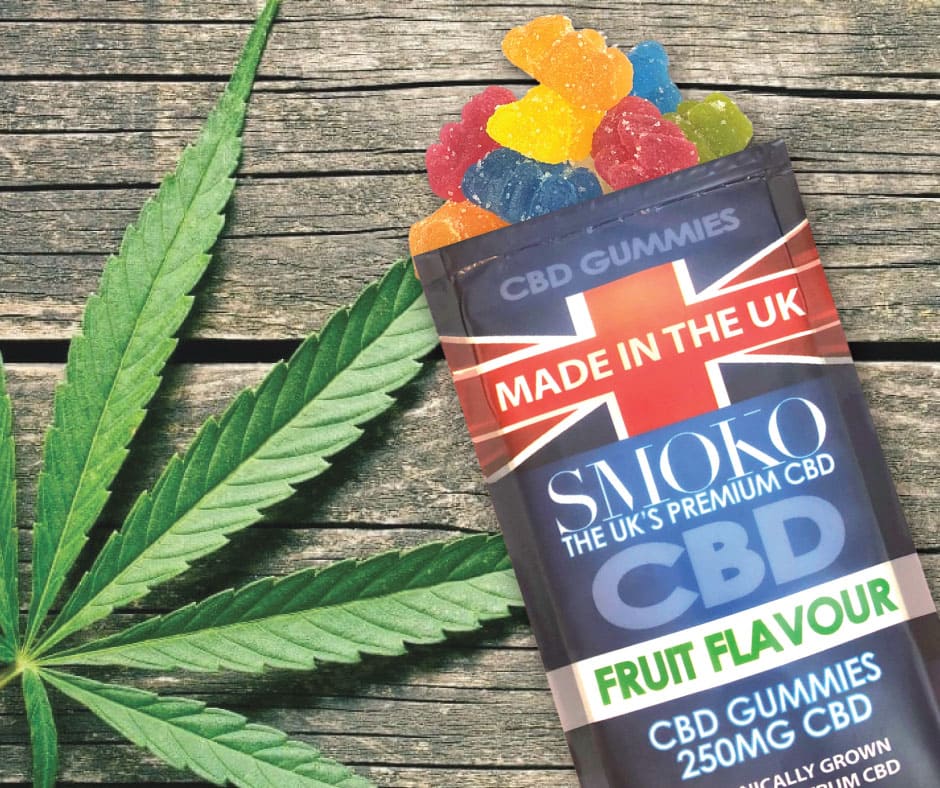
Once pregnancy and breastfeeding are completed and a clinician has confirmed there’s no reason not to consider CBD again, choosing a product that can be verified matters. Some broad-spectrum CBD products are made from organically grown hemp and backed by third-party lab testing confirming zero THC, allowing buyers to check exactly what they are getting before purchase.
- Check the certificate of analysis (COA) for any product you’re considering, ours included, before use.
- Ask about broad-spectrum versus isolate formulations if you’re unsure which suits you.
- Start at the lower end of any dosing guidance once you’ve had the all-clear from a clinician.
- Contact our support team with questions about specific products or testing results at any point.
When that time comes, our full collection of tinctures, gummy bears and soft gels is there to look through at your own pace, with full lab reports available for every line, including the broad-spectrum CBD gummy bears many customers start with.
This article is general information, not a substitute for advice from a qualified doctor. Consult a qualified healthcare professional about your own circumstances before acting on anything here.
Sources
- Safety assessment of cannabidiol (CBD) as a novel food for use in food and food supplements (RP521)
- Cannabis use in pregnancy and after birth (patient leaflet)
- Predicting cannabidiol exposure in breastfed infants using human milk data and PBPK models
- Placental disposition of cannabidiol: an ex vivo perfusion study
FAQ
What happens when you take CBD while pregnant?
CBD taken during pregnancy is absorbed into your bloodstream and can cross the placenta, reaching the fetal compartment at measurable levels according to placental perfusion research. Because long-term safety hasn’t been studied in humans, health authorities advise stopping and speaking with your midwife or GP rather than continuing use.
Does the NHS recommend CBD?
No. NHS guidance advises pregnant and breastfeeding people to avoid cannabis and CBD products, citing risks such as low birth weight and preterm birth in its patient leaflets. It also offers non-judgemental support for anyone who wants help to stop.
Is it safe to use CBD while trying to conceive?
There’s no established safety data for CBD use while trying to conceive, so the precautionary approach most clinicians recommend is to stop before pregnancy where possible. If you’re already pregnant and have been using CBD while trying to conceive, mention this to your midwife or GP at your next appointment.
Does CBD cross the placenta?
Yes, an ex vivo human placental perfusion study found that CBD reaches the fetal compartment at levels around one-fifth of maternal levels, showing the placenta slows but doesn’t block transfer, according to that research. This is one of the main reasons health authorities advise avoiding CBD in pregnancy.