CBD may offer modest, short-term relief for some types of chronic pain, but the evidence in older adults remains thin, and NHS guidance does not recommend cannabis-based products for routine chronic pain management. The Food Standards Agency sets a provisional safe limit of 10 mg per day for high-purity CBD, which matters for anyone layering multiple products. If you’re considering CBD for an older relative or yourself, the sensible first step is a conversation with a GP or pharmacist, not a trip to the supplement aisle.
TL;DR:
- The evidence for CBD’s effectiveness in older adults with chronic pain is weak, with most studies blending CBD with THC and underrepresented populations.
- Older bodies may metabolize CBD differently due to reduced kidney and liver function, increasing risks of interactions and side effects like dizziness and confusion.
- The UK’s safe daily limit for high-purity CBD is 10 mg, but older adults with health issues may need to stay well below this dose with professional guidance.
- A careful, clinician-monitored trial lasting several weeks, with baseline measurements and gradual dose increases, offers the best chance to assess CBD’s benefit and safety.
- Product quality varies widely; choosing broad-spectrum or isolate CBD with third-party lab testing and verified zero THC reduces safety risks.
Table of Contents
- What the studies and reviews actually say about CBD and pain
- Specific safety issues for older people and how to reduce harm
- UK regulatory position and practical dosing rules
- How to run a safe trial: step-by-step protocol and monitoring
- Practical checks to pick safer, better-labelled CBD products
- Publisher proof points and recommended safe-use practices
- Overview of different forms of CBD administration suitable for elderly
- Comparison of CBD with other pain management options commonly used by elderly
- Potential benefits and limitations of CBD beyond pain relief in elderly
- Author perspective: balancing hope and caution
- SMOKO CBD: a safety-focused option and how to start
- Sources
- FAQ
What the studies and reviews actually say about CBD and pain
The honest answer is that researchers don’t yet have a clear, confident picture, and that uncertainty matters more in older adults than in anyone else. Systematic reviews of cannabinoids for chronic pain tend to show mixed or modest benefits, and much of that research blends CBD with THC rather than testing CBD on its own. A narrative review of cannabinoids in older people found some efficacy signals for pain, but rated the overall evidence quality as weak, with older adults consistently under-represented in trial populations.
This gap isn’t a minor technicality. Older bodies metabolise drugs differently: kidney and liver function often decline with age, multiple medications are common, and frailty changes how a person responds to any new substance. A trial conducted in healthy 30-year-olds tells you comparatively little about how a 78-year-old with reduced kidney function and three regular prescriptions will respond to the same dose.
Some of the more encouraging findings relate to neuropathic pain and cancer-related pain, where a handful of studies report meaningful short-term improvement. But these studies are typically small, run for weeks rather than years, and often combine CBD with THC in ratios that aren’t replicated in over-the-counter CBD oils sold as wellness products. Extrapolating from a clinical trial of a pharmaceutical cannabinoid blend to a bottle of broad-spectrum tincture bought online is a stretch that the research doesn’t support.
A 2021 review focused specifically on older adults summed up the state of play clearly: evidence is mixed, safety data specific to older people are sparse, and clinician-monitored use is the sensible path while better trials are conducted. The same review flagged a practical detail that often gets overlooked: taking CBD with food can substantially increase how much reaches the bloodstream, which means the same dose can behave very differently depending on when and how it’s taken. That’s not a minor footnote. It’s a reason why self-directed dosing, without any professional involvement, makes it harder to judge whether a product is working, not working, or working too well.
There’s also an emerging but still exploratory thread of research comparing CBD-dominant and THC-dominant products in older populations. Registry analyses suggest CBD-dominant formulations may be better tolerated, with fewer adverse reactions and discontinuations than THC-heavy alternatives, though the authors are careful to note this isn’t confirmed by randomised trials. It’s a reasonable reason for caution around THC content, not a green light for CBD generally.
Put together, the honest summary is this: there’s enough signal in the research to justify a careful, supervised trial for some people, and nowhere near enough certainty to call CBD a proven pain treatment for older adults. That gap, between promising anecdote and confirmed clinical benefit, is exactly why clinician involvement and structured monitoring matter more here than with a typical over-the-counter supplement.
Specific safety issues for older people and how to reduce harm
Older adults face a different risk profile than the general population tested in most CBD trials, and the differences aren’t trivial. Reduced kidney and liver function can slow how the body clears CBD, meaning it may build up with repeated dosing even if each individual dose seems modest. Add in the fact that many older adults take several medications daily, and the potential for interaction, sedation or confusion rises considerably.
Common adverse effects reported in the research include:
- Dizziness and drowsiness, which can increase the risk of falls, particularly in the first few weeks of use.
- Confusion or cognitive fog, sometimes subtle enough to be mistaken for normal ageing rather than a medication effect.
- Dry mouth and changes in appetite, which may affect fluid intake and nutrition in frail individuals.
- Urinary retention or changes in bladder function, a less commonly discussed but clinically relevant effect in some older patients.
- Diarrhoea or digestive upset, especially at higher doses or with certain oil-based formulations.
Interaction risk is the area that deserves the most attention. CBD affects liver enzymes involved in metabolising a wide range of common drugs, which means it can raise or lower blood levels of medicines taken alongside it. This is particularly relevant for anticoagulants such as warfarin, where altered blood levels can affect clotting risk, as well as statins, certain antidepressants, opioids and benzodiazepines. Combining CBD with other CNS-depressant medicines can compound sedation and increase fall risk, a concern that prescribing guidance for chronic pain management already flags for standard analgesics and CNS-active drugs in older patients, regardless of whether CBD is involved.
Before starting, a few baseline checks make a real difference: a liver function test, a review of current medicines with a pharmacist or GP (medication reconciliation), and an honest conversation about fall risk, especially if mobility is already a concern. These aren’t bureaucratic hurdles, they’re the groundwork that turns a guess into an informed decision.
Pro Tip: Keep a simple written list of every medicine, supplement and dose you take, and bring it to the conversation with your GP or pharmacist before starting CBD, even if you think they already know your history.
A few harm-reduction habits apply regardless of what a product label promises. Don’t mix CBD with alcohol or other sedating substances. Avoid driving or operating machinery until you know exactly how your body responds. And if cognition, balance or alertness worsen at any point, stop and speak to a clinician rather than waiting to see if it passes.
UK regulatory position and practical dosing rules
The UK’s Food Standards Agency has set a provisional acceptable daily intake of 10 mg per day for high-purity CBD isolate products, based on a healthy 70 kilogram adult, and it specifically flags that people on medication or in vulnerable groups should seek clinical advice before use. That 10 mg figure matters more than it might appear, because it’s easy to exceed without realising, particularly if someone uses an oil, a gummy and a topical product on the same day and doesn’t add up the cumulative dose.
The FSA’s provisional ADI of 10 mg per day is a conservative ceiling for the general adult population, not a target dose, and older adults with reduced liver or kidney function may need to stay well below it.
Separately, NHS England’s guidance on cannabis-based products for medicinal use states plainly that current evidence for these products in chronic pain is insufficient, and they are not recommended for routine use outside specialist, supervised settings. This isn’t a ban, but it is a clear signal that CBD should be treated as an unproven adjunct under medical oversight, not a frontline replacement for established pain treatments.
A conservative, clinician-aware approach to dosing typically looks like this:
- Start low, around 5 to 10 mg per day, and hold that dose for at least a week before considering any change.
- Increase gradually and slowly, watching for side effects rather than chasing fast results.
- Keep total daily intake from all sources (oils, gummies, capsules) within sight of the FSA’s provisional limit unless a clinician has advised otherwise.
- Be wary of high-strength commercial products marketed with bold claims, since potency and purity vary widely between brands.
Our guide to CBD dosing for pain walks through this titration approach in more detail, including how to adjust gradually without overshooting a sensible daily total.
How to run a safe trial: step-by-step protocol and monitoring
A structured trial, agreed with a GP or pharmacist, gives you something a casual “try it and see” approach never will: a clear answer, one way or the other, within a defined timeframe. Most clinician-aware approaches suggest a trial length of several weeks, long enough to judge a genuine response without dragging on indefinitely if it isn’t working.
- Record a baseline before starting: pain scores using a simple 0 to 10 scale, sleep quality, daily activity levels and a full list of current medicines and doses.
- Start at a low dose, typically 5 to 10 mg once daily, taken at a consistent time and ideally with food, since food can noticeably increase how much CBD is absorbed.
- Hold each dose for five to seven days before considering any increase, giving your body time to show a genuine response rather than a short-term fluctuation.
- Track outcomes weekly: pain intensity, sleep, mobility, mood and any change in how other medicines seem to be working.
- Watch for side effects daily, especially in the first fortnight, and pause the trial if anything concerning appears.
- Review with a clinician at the midpoint and end of the trial period to decide whether to continue, adjust or stop.
A monitoring checklist makes this easier to stick to in practice. Watch for dizziness, unusual drowsiness, confusion, digestive changes and any new unsteadiness on feet. Red flags that warrant immediate medical review include fainting, significant confusion, signs of bleeding (particularly relevant if taking anticoagulants), or a fall. None of these should wait for the next scheduled check-in.
Pro Tip: Keep a simple daily notebook or phone note with three lines: dose taken, pain score out of 10, and any side effect noticed. It takes thirty seconds and turns a vague impression into something a clinician can actually use.
Our practical guide to CBD tinctures for senior adults and our piece on CBD for joint pain both offer outcome-tracking examples that fit naturally into this kind of trial.
Practical checks to pick safer, better-labelled CBD products
Quality control is one of the biggest hidden risks with CBD, and it’s largely avoidable with a bit of label literacy. Inconsistent labelling means some products contain more or less CBD than stated, and occasionally trace THC or contaminants that aren’t disclosed, a concern the 2021 review on CBD use in older adults specifically highlights as a reason to favour products with proper batch testing.
Before buying anything, check for:
- A certificate of analysis (COA) from an independent, third-party laboratory, tied to a specific batch number rather than a generic product claim.
- Confirmed CBD content per serving, matching what’s printed on the packaging within a reasonable margin.
- THC levels clearly stated, ideally at or near zero, especially important for anyone concerned about drug interactions or drowsiness.
- Screening for contaminants such as heavy metals, pesticides and residual solvents.
- Clear manufacturer contact details and transparent sourcing information, not just a brand name and a slogan.
On spectrum type: full-spectrum products contain trace cannabinoids including THC (even if minimal), broad-spectrum removes THC while keeping other plant compounds, and isolate is pure CBD with nothing else. For older adults managing multiple medicines or sensitive to THC, broad-spectrum or isolate products are generally the more cautious choice, since they reduce the chance of any THC-related sedation or interaction.
Be wary of red flags: bold therapeutic claims (“cures arthritis”, “replaces your painkillers”), vague or missing dosing instructions, and no verifiable way to contact the company. A product that won’t show you its lab results isn’t one worth trusting with a parent’s or your own medication routine.
Publisher proof points and recommended safe-use practices
Some broad-spectrum CBD tinctures, gummy bears and soft gel capsules are made using organically grown hemp sourced from the USA and processed in the UK. Batches may be independently tested by third-party laboratories to confirm zero THC content, which addresses a common quality concern: knowing exactly what’s in the product taken.
That testing transparency matters precisely because the research keeps flagging labelling inconsistency as a genuine risk for older adults. A certificate of analysis tied to a specific batch isn’t a marketing flourish, it’s the practical proof that lets you check a product against the quality checklist above rather than taking a label’s word for it.
None of this changes the core message of this guide: the decision to try CBD, at what dose, and alongside which existing medicines, belongs in a conversation with a GP or pharmacist. Product quality reduces one category of risk. It doesn’t replace clinical judgement.
Overview of different forms of CBD administration suitable for elderly
The right format often matters as much as the dose, particularly for older adults managing swallowing difficulties, dexterity issues or multiple medicines already. Oral tinctures (oils taken under the tongue) offer flexible, easily adjustable dosing, which suits the slow titration approach recommended throughout this guide, though taste and the need for a dropper can be a barrier for some.
Soft gel capsules provide a fixed, pre-measured dose, which some older adults and caregivers prefer for consistency and ease of use, particularly where memory or dexterity makes dropper-based dosing harder to manage reliably.
Topical products, such as balms or creams, are applied directly to the skin over a painful joint or muscle and don’t enter the bloodstream the way oils or capsules do, which may make them a gentler starting point for localised pain without systemic interaction concerns, though evidence for topical CBD specifically remains limited.

Edibles, including gummies, offer convenience and discretion but tend to have slower, less predictable onset than oils, since they must pass through digestion first. For anyone titrating carefully, that delayed and variable absorption can make it harder to judge an accurate dose-response relationship in the early weeks of a trial.
Comparison of CBD with other pain management options commonly used by elderly
NSAIDs (such as ibuprofen) are widely used for musculoskeletal pain but carry well-documented risks for older adults, including gastrointestinal bleeding and kidney strain with long-term use, risks that tend to grow with age and with other medications on board. Opioids remain a mainstay for more severe pain but bring their own serious concerns in older populations, including sedation, constipation, dependence and a markedly increased fall risk, concerns that prescribing guidance for chronic pain takes seriously enough to recommend careful, monitored prescribing.
Physical therapy, by contrast, carries comparatively low risk and strong support as a first-line approach for many chronic musculoskeletal conditions, though it requires time, mobility and consistency that not every older adult can manage.
CBD sits in a different category entirely: not a replacement for any of these, but a potential adjunct worth discussing with a clinician, particularly for someone looking to reduce reliance on NSAIDs or opioids rather than add another drug on top of them. NHS guidance is explicit that CBD and other cannabis-based products are not recommended as routine chronic pain treatment, which places it firmly as a supplementary option to discuss, not a substitute to self-prescribe.

Potential benefits and limitations of CBD beyond pain relief in elderly
Pain isn’t the only reason older adults report trying CBD. Consumer survey data from the FSA’s own consultation work shows sleep and anxiety relief are also commonly cited reasons for use, alongside pain, reflecting genuine public interest even where clinical evidence remains cautious.
Anxiety and sleep difficulties are common in older age, often linked to chronic pain itself, isolation, or the simple stress of managing multiple health conditions. Some people report that CBD helps them settle at night or feel calmer during the day, and there is a plausible biological basis for this given CBD’s interaction with the body’s own regulatory systems. But as with pain, the clinical evidence specific to older adults is limited, and reported benefits often come from self-report surveys rather than controlled trials.
The honest limitation is this: CBD is not a proven anxiety or sleep treatment, any more than it’s a proven pain treatment. It may help some people with some symptoms, modestly and inconsistently, and the only way to know is a careful, monitored trial, the same approach recommended throughout this guide for pain.
Author perspective: balancing hope and caution
I find CBD a genuinely interesting substance, and I understand why older adults frustrated by limited pain relief options want to try it. But enthusiasm and evidence are two different things, and conflating them does readers a disservice. The research so far offers real signals, not proof, and older adults are exactly the group least represented in the trials that exist.
My stance is simple: a cautious, clinician-involved trial, with proper baseline measures and honest monitoring, respects both the hope and the uncertainty. It gives CBD a fair chance to show whether it helps, without betting someone’s safety on an untested assumption. That balance, patience paired with proper oversight, is what I’d want for my own family.
— Mike
SMOKO CBD: a safety-focused option and how to start
If you and your clinician decide a measured CBD trial is worth exploring, product quality shouldn’t be another thing to worry about. There are straightforward category options built around the checks this guide recommends: broad-spectrum tinctures for flexible, adjustable dosing, soft gel capsules for consistent fixed amounts, and gummy bears for a simple, measured starting point.
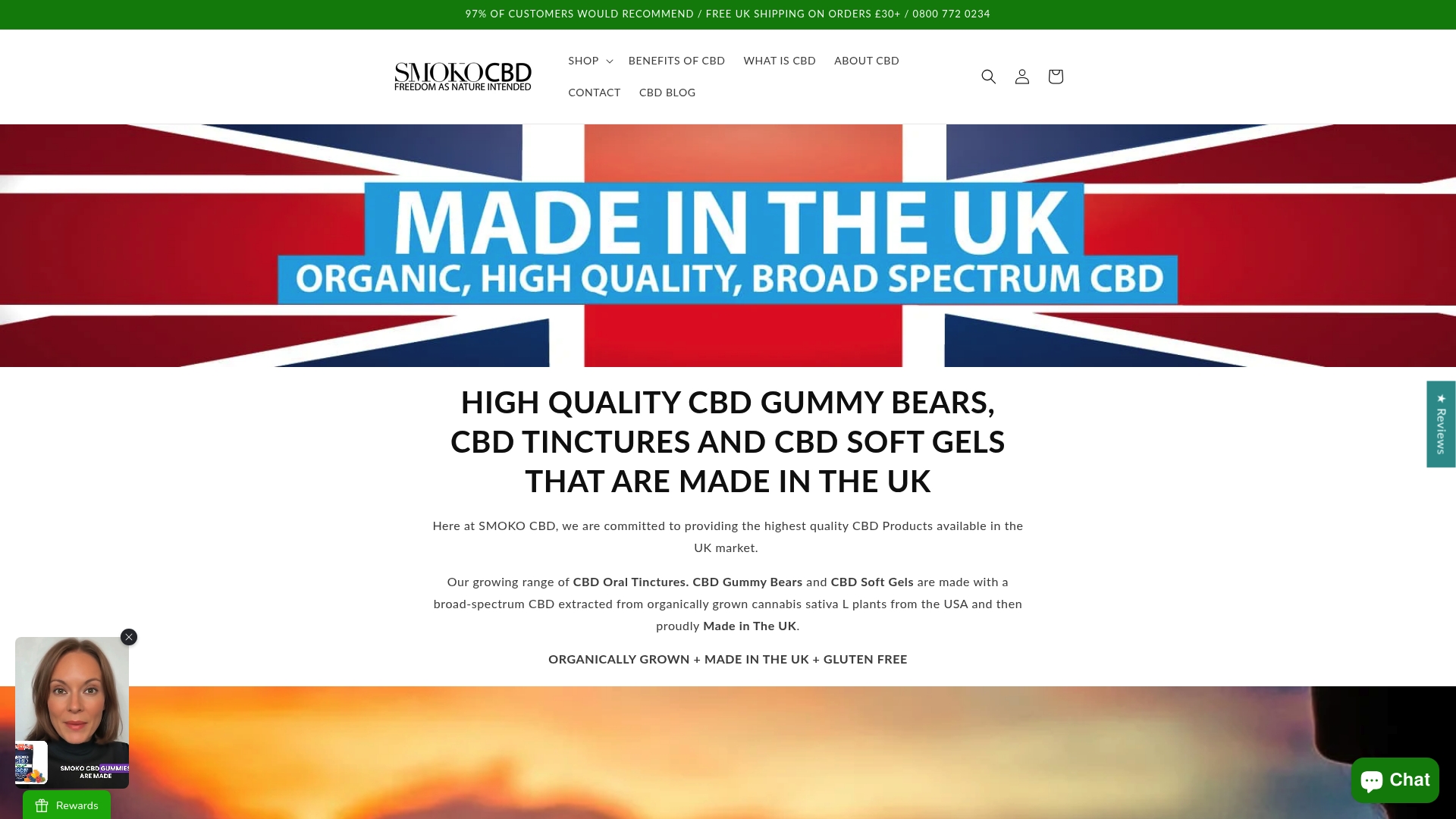
Every product is independently lab-tested by third parties to confirm zero THC, so the certificate of analysis question raised earlier in this guide has a clear answer rather than a guess.
- Tinctures suit slow, flexible titration where dose adjustment matters most.
- Soft gels suit anyone who prefers a fixed, pre-measured dose without a dropper.
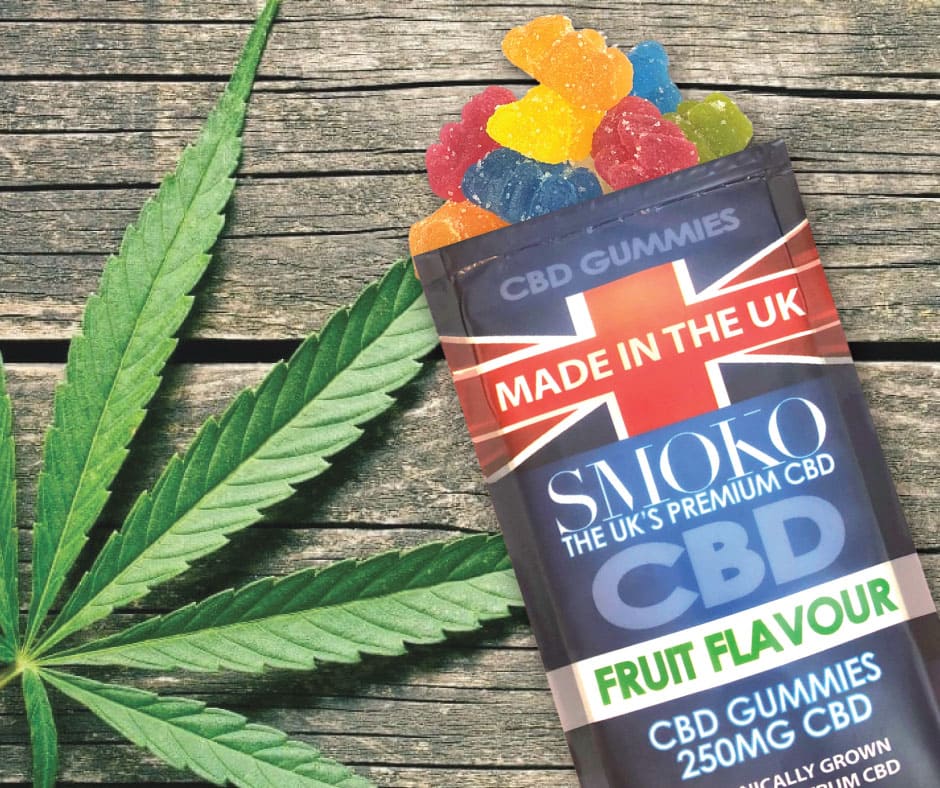
- Gummy bears, including the 250 mg broad-spectrum pack, offer a simple, consistent starting point for a monitored trial.
Talk to your GP or pharmacist first, agree a trial plan, then browse the full CBD tinctures, gummy bears and soft gel collection to choose a format that fits the dosing approach you’ve agreed together.
Sources
- NHS England » Cannabis-based products for medicinal use (CBPMs)
- Safety assessment of cannabidiol (CBD) as a novel food for use in food and food supplements (RP521)
- Cannabinoids in the older person: a literature review
- Chronic pain quality prescribing: benefits and limitations of treatment with medication
FAQ
Does CBD help chronic pain in seniors?
Evidence is mixed: some studies suggest modest short-term relief for certain pain types, but reviews specific to older adults note major gaps in safety and efficacy data for this age group. A supervised trial with a clinician is the most reliable way to find out if it helps an individual.
What is the best CBD for seniors?
There’s no single “best” product, but broad-spectrum or isolate options with third-party lab testing and confirmed zero THC content are generally the more cautious choice for older adults managing multiple medicines. Checking the certificate of analysis for each batch matters more than any specific brand name.
Does the NHS recommend CBD?
No. NHS England guidance states that current evidence for cannabis-based products in chronic pain is insufficient, and they are not recommended for routine use outside specialist supervision. CBD may still be discussed with a clinician as a monitored adjunct in individual cases.
Can an elderly person take CBD?
Many older adults can consider CBD, but only after discussing current medicines and health conditions with a GP or pharmacist, since interaction and sedation risks are higher in this age group. Starting low, around 5 to 10 mg daily, and titrating slowly under supervision is the safer approach described throughout this guide.