CBD may help some people manage arthritis-related joint pain as a complementary approach, but high-quality human evidence remains limited. Here is what you need to know right now, and three practical steps to take before you spend a penny:
- Check your current medicines first. CBD inhibits CYP450 liver enzymes, which affects how drugs like warfarin, certain antidepressants, and some disease-modifying antirheumatic drugs (DMARDs) are metabolised. Speak to your GP or pharmacist before starting.
- Choose a UK-available, broad-spectrum product with a third-party Certificate of Analysis (COA). The NHS notes that most over-the-counter CBD products are not licensed medicines, so independent lab testing is your primary quality check.
- Plan a structured 4–8 week trial with a pain diary. The Arthritis Foundation recommends starting low and going slow, tracking a numerical pain score, sleep quality, and any side effects at regular intervals.
Harvard Health frames CBD as a possible complementary option rather than a first-line treatment, and that framing is the right starting point for anyone with arthritis in the UK.
Key takeaways
CBD may offer some people with arthritis a modest complementary benefit, but the evidence from well-designed RCTs remains mixed, and it should never replace disease-modifying therapy for inflammatory arthritis.
| Point | Details |
|---|---|
| Evidence is limited but plausible | Patient surveys report a 44% pain reduction; the CANOA RCT found no significant benefit vs placebo at 45 mg/day. |
| Start low, go slow | Begin at 5–10 mg twice daily, increase by 5 mg weekly, and track pain NRS and sleep over 4–8 weeks. |
| Drug interactions are the main risk | CBD inhibits CYP450 enzymes; warfarin users and those on DMARDs must consult their GP before starting. |
| Always verify the COA | Check cannabinoid potency, THC level (non-detectable for broad-spectrum), and contaminant screens before buying. |
| Smokocbd products meet the checklist | Broad-spectrum gummies, 750 mg soft gels, and a bundle option are all third-party tested with zero-THC COAs. |
Table of Contents
- What does the science actually say about CBD for arthritis?
- Which CBD product format suits joint pain best?
- How to start CBD for joint pain: a practical ‘start low, go slow’ plan
- What are the safety risks and drug interactions you should know about?
- What are the UK legal rules around CBD products?
- How to choose a trustworthy CBD product in the UK
- Expert takeaway: a practical 4–8 week trial for UK readers
- When should you speak to your GP urgently?
- Our perspective on recommending SMOKO CBD products
- SMOKO CBD products that fit this guide’s checklist
- Sources
What does the science actually say about CBD for arthritis?
The honest answer is: promising in the lab, mixed in humans. That gap matters enormously when you are deciding whether to try CBD for joint pain relief.
Preclinical evidence is genuinely encouraging. A 2020 review published on PMC found that animal and biochemical studies consistently show CBD has anti-inflammatory and analgesic properties, reducing inflammatory markers and pain behaviour in rodent models of arthritis. The mechanisms involve the endocannabinoid system, transient receptor potential (TRP) channels, and immune-modulating pathways. The problem is that animal data rarely translates cleanly to human clinical outcomes, and joint disease in humans is far more complex.
Human evidence is where the picture becomes more cautious. A cross-sectional patient survey published in PMC reported that people using CBD for arthritis symptoms experienced a 44% reduction in pain, with a mean 2.58-point fall on a 0–10 numerical rating scale. Many also reported reducing their use of other pain medicines. Those are striking numbers. But the study was observational and self-reported, meaning expectancy effects and recall bias can inflate results considerably.
Pro Tip: When reading a CBD study, check whether it was blinded and placebo-controlled. Self-report surveys consistently show larger effects than randomised controlled trials (RCTs) for the same intervention, partly because people who choose to use CBD already expect it to help.
The most rigorous recent trial tells a sobering story. The CANOA trial, a double-blind, randomised, placebo-controlled study, tested a CBD-rich oil at 45 mg per day for 60 days in people with knee osteoarthritis and found no statistically significant benefit over placebo on WOMAC or VAS outcome measures, though the product was well tolerated. A separate PubMed-indexed review of multiple RCTs and observational studies confirms this heterogeneity: outcomes vary widely depending on dose, formulation, and arthritis type.
The National Academies of Sciences review found substantial evidence that cannabis can relieve chronic pain in adults, but noted that evidence specific to isolated CBD for arthritis pain is inconclusive. That distinction matters: cannabis products containing THC alongside CBD are not the same as broad-spectrum or isolate CBD products.
| Study type | Key finding | Design strength |
|---|---|---|
| Cross-sectional survey (PMC) | 44% pain reduction reported; 2.58-point NRS fall | Low (observational, self-report) |
| CANOA RCT (Frontiers, 2025) | No significant benefit vs placebo at 45 mg/day for 60 days | High (double-blind, placebo-controlled) |
| 2020 preclinical review (PMC) | Anti-inflammatory and analgesic effects in animal models | Preclinical only |
| National Academies review | Substantial evidence for cannabis in chronic pain; CBD-specific evidence inconclusive | Systematic review |
The bottom line: CBD for arthritis pain has a plausible biological rationale and some encouraging patient-reported data, but well-designed RCTs have not yet confirmed consistent clinical benefit. Treat it as an adjunct, not a replacement for prescribed therapy.
Which CBD product format suits joint pain best?
Not all CBD products reach your joints the same way, and the format you choose shapes both how quickly you feel any effect and how long it lasts. Here is how the main types compare for joint pain use.
Topical products (creams, balms, sticks)

Applied directly over a painful joint, topicals deliver CBD locally without significant systemic absorption. This makes them attractive for people on multiple medications, since the risk of drug interactions is lower. A topical CBD relief stick, for example, can be applied 2–3 times daily over a knee or finger joint. The trade-off is that penetration through skin to deeper joint tissue is limited, so topicals may be more useful for surface-level discomfort than for deep inflammatory arthritis. For small-joint arthritis such as finger pain, topical application can be particularly practical — see Smokocbd’s guide to arthritis finger pain relief for targeted tips.
Readers interested in topical formats can also browse a CBD pain stick buyer’s guide for a broader look at what to expect from this product category.
Oral oils and tinctures
Held under the tongue for 60–90 seconds before swallowing, sublingual oils enter the bloodstream relatively quickly (typically within 15–45 minutes) and allow fine dose control by adjusting the number of drops. This format suits people who want flexibility to titrate their dose upward gradually. The flavour can be strong, which some people find off-putting.

Soft gel capsules
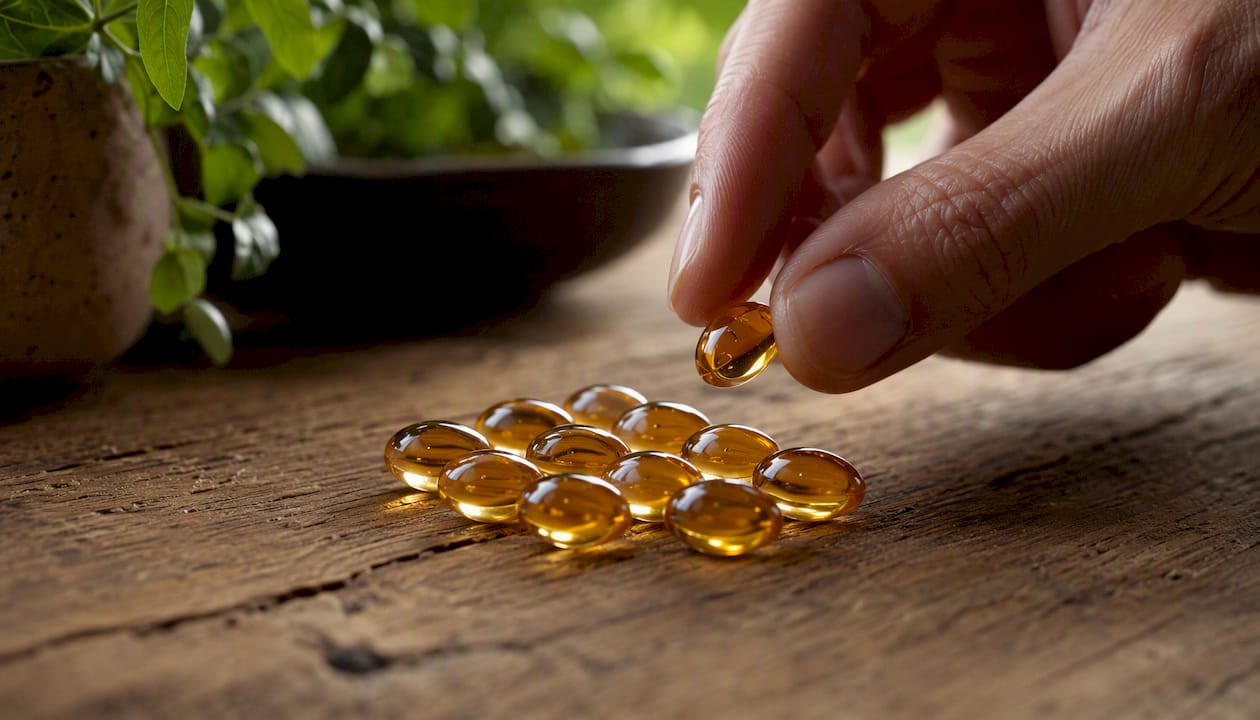
Each capsule contains a fixed, pre-measured dose, making them straightforward for a consistent daily routine. Onset is slower than sublingual oils (typically 45–90 minutes) because the capsule must be digested first, but the duration of effect tends to be longer. Soft gels are a good fit for people who prefer a no-fuss approach to steady, measured dosing.
Gummies and edibles
Like capsules, gummies pass through the digestive system, so onset is slower. Their advantage is convenience and palatability, particularly for people who dislike the taste of oils. Fixed-dose gummies (for example, 25 mg per gummy) make it easy to track exactly how much CBD you have taken each day.
- Topicals: best for localised surface pain, fewer systemic interactions, limited deep-tissue penetration.
- Oils/tinctures: fastest oral onset, most dose flexibility, stronger taste.
- Soft gels: consistent fixed dose, slower onset, longer duration, easy to incorporate into a daily routine.
- Gummies: convenient, palatable, fixed dose, slowest onset.
A combined approach, using a topical over the affected joint alongside a daily oral product, is commonly reported by people managing chronic joint pain. The topical addresses local discomfort while the oral product may contribute systemic anti-inflammatory effects. There is no clinical trial evidence specifically validating this combination, but it is consistent with how the two delivery routes work mechanistically.
How to start CBD for joint pain: a practical ‘start low, go slow’ plan
There is no universal dose for CBD. Clinical trials have used anything from 5 mg to 600 mg per day, with inconsistent results across that range. What the Arthritis Foundation and most clinicians agree on is a stepwise approach: start low, increase gradually, and measure your response objectively.
Step 1: Set a baseline before you start. For three to five days before your first dose, record your pain on a 0–10 numerical rating scale (NRS) each morning and evening, note your sleep quality, and log any pain medicines you take. This gives you a real comparison point.
Step 2: Choose a starting dose. The Arthritis Foundation suggests starting with a low oral dose, typically in the range of 5–10 mg twice daily. For soft gel capsules or gummies with a fixed dose per unit, this means one unit once or twice daily to begin.
Step 3: Calculate your dose from an oil. If you use a tincture, the label will state total CBD in mg and total volume in mL. Divide mg by mL to get mg per mL, then divide by 20 (the standard drop count per mL) to get mg per drop.
| Calculation step | Example (750 mg per bottle) |
|---|---|
| mg per mL | 750 ÷ 30 = 25 mg/mL |
| mg per drop | 25 ÷ 20 = 1.25 mg per drop |
| Starting dose (10 mg) | 10 ÷ 1.25 = 8 drops |
Step 4: Hold the starting dose for one week, continuing your diary. If you notice no meaningful change and no side effects, increase by 5 mg and hold for another week.
Step 5: Evaluate at four weeks. Compare your average pain NRS and sleep scores against your baseline. If there is no discernible improvement by week eight, CBD is unlikely to be the right adjunct for you at this time.
Pro Tip: Take your oral CBD at the same time each day, ideally with a meal containing some fat. CBD is fat-soluble, and food increases its bioavailability, meaning more of what you take actually reaches your bloodstream.
Special groups: Pregnant or breastfeeding women should avoid CBD entirely. People with liver disease or those taking hepatotoxic drugs should discuss CBD with their GP before starting, as CBD can affect liver enzyme levels. Avoid combining CBD with alcohol, which can amplify sedative effects.
What are the safety risks and drug interactions you should know about?
CBD has a reasonable safety profile at typical consumer doses, but it is not without risk, particularly for people already managing arthritis with prescription medicines.
Common side effects reported in clinical trials include:
- Drowsiness or fatigue (most common, especially at higher doses)
- Dry mouth
- Reduced appetite
- Diarrhoea or nausea, particularly when starting
Liver enzyme changes are a more serious concern. High doses of CBD (well above typical consumer doses) have been associated with elevated liver enzymes in clinical studies. If you are taking any hepatotoxic medication, ask your GP about a baseline liver function test before starting CBD.
Drug interactions via CYP450 inhibition are the most clinically significant risk for arthritis patients. CBD inhibits cytochrome P450 enzymes, particularly CYP3A4 and CYP2C9, which are responsible for metabolising a wide range of drugs. Practically, this means:
- Warfarin: CBD can raise warfarin blood levels, increasing bleeding risk. Anyone on anticoagulant therapy must discuss CBD with their GP or anticoagulation clinic before starting.
- Certain antidepressants (including some SSRIs and tricyclics) are metabolised via CYP pathways and may be affected.
- Some DMARDs used in inflammatory arthritis are also processed by these enzymes. For more detail on CBD and rheumatoid arthritis specifically, Smokocbd’s CBD for rheumatoid arthritis guide covers the interaction landscape in more depth.
A COA missing any of these panels is incomplete.
Practical precautions:
- Tell your GP or pharmacist you are considering CBD before you start.
- If you are on warfarin, request an INR check shortly after starting CBD.
- Avoid alcohol while trialling CBD, especially in the first few weeks.
- Stop CBD and seek medical advice if you notice unusual bruising, marked yellowing of the skin, or severe fatigue.
What are the UK legal rules around CBD products?
Hemp-derived CBD is legal to sell in the UK provided the finished product contains no more than 1 mg of THC per container (the threshold set by the Home Office). CBD itself is not a controlled substance, but it is not a licensed medicine either, unless it has received MHRA authorisation (as Epidyolex has for specific epilepsy indications). Most products sold in health shops and online are food supplements, not medicines.
The NHS explains this distinction clearly: over-the-counter CBD products are not the same as licensed cannabis-based medicines, and they cannot legally make medicinal claims on their packaging.
The UK Food Standards Agency (FSA) has placed CBD food supplements under the Novel Foods regime, meaning products must have a validated Novel Foods application to remain on the market. Reputable UK sellers will be able to confirm their Novel Foods status.
What to check on a UK CBD product label:
- Manufacturer name and UK contact details
- Batch number (so you can match it to a COA)
- Total CBD content in mg and per serving
- Full ingredient list
- Storage instructions
- A statement that the product is a food supplement, not a medicine
Employment and drug testing: Broad-spectrum CBD products verified as THC-free by a COA carry minimal risk of triggering a workplace urine drug screen, but no consumer product can offer an absolute guarantee. If your employer operates a zero-tolerance drug testing policy, discuss this with your HR department before starting any CBD product.
How to choose a trustworthy CBD product in the UK
The UK CBD market has a quality problem. Consumer watchdogs and public-facing authorities have flagged inaccurate labelling and fraudulent claims as persistent issues across the sector. A structured checklist protects you.
Must-haves:
- Third-party COA from an accredited laboratory, matched to the product’s batch number. This is non-negotiable.
- Clear potency per dose stated in mg (not just total mg per bottle).
- Batch number on the packaging that matches the COA.
- Manufacturer contact details (a UK address or registered business, not just a website).
- Full ingredient list with no proprietary blends that obscure what you are actually taking.
- Broad-spectrum or isolate if you want zero THC. Full-spectrum products contain trace THC, which may accumulate with daily use.
Red flags to avoid:
- No COA, or a COA that cannot be matched to a batch number.
- Medical claims on the label (e.g. “treats arthritis” or “cures inflammation”) — these are illegal for food supplements in the UK.
- No batch number.
- Suspiciously low price for a high-potency product.
- No UK manufacturer or importer details.
Pro Tip: Before buying, search the product name plus “COA” or “lab report” online. Reputable brands publish their lab results publicly. If you cannot find a COA within two minutes of looking, move on.
For a broader view of how CBD fits within a complementary supplement regimen for arthritis, Smokocbd’s best supplements for arthritis UK guide is worth reading alongside this article.
Expert takeaway: a practical 4–8 week trial for UK readers
Treat CBD as an adjunct to, not a replacement for, any disease-modifying therapy your rheumatologist or GP has prescribed. For inflammatory arthritis (rheumatoid arthritis, psoriatic arthritis), DMARDs and biologics address the underlying disease process in ways that CBD does not. CBD may help with symptom management alongside those treatments, but stopping prescribed therapy in favour of CBD is not supported by any current evidence.
Your 4–8 week trial checklist:
- Record a baseline pain NRS (0–10) and sleep score for 3–5 days before starting.
- Start at 5–10 mg CBD twice daily (oral route).
- Increase by 5 mg per week if no side effects and no meaningful improvement.
- Log pain NRS, sleep quality, any side effects, and any changes to other pain medicine use every day.
- Evaluate at four weeks: if no improvement, continue to week eight before concluding.
- Stop immediately and contact your GP if you notice unusual bruising, jaundice, severe sedation, or breathing difficulties.
What to tell your GP:
- The product name, CBD content per dose, and spectrum type (broad, full, or isolate).
- Your starting dose and any planned escalation.
- All other medicines you take, including over-the-counter products.
- Ask whether any of your current medicines interact via CYP3A4 or CYP2C9.
Pro Tip: Bring the product’s COA to your GP appointment. It gives your doctor the actual cannabinoid and contaminant data rather than just the marketing label, which makes for a much more productive conversation.
When should you speak to your GP urgently?
CBD is generally well tolerated, but some situations require prompt medical attention rather than continuing a self-managed trial.
Seek urgent care if you notice:
- Sudden, severe joint swelling with redness and heat (possible infection or acute flare requiring diagnosis).
- Signs of a serious allergic reaction: hives, swelling of the face or throat, difficulty breathing.
- Marked yellowing of the skin or whites of the eyes (jaundice), which may indicate liver stress.
- Chest pain or palpitations.
Tell your GP promptly if:
- Your liver function tests (if being monitored) show new or worsening abnormalities after starting CBD.
- You experience marked sedation that affects your ability to drive or work.
- You notice unusual bruising or bleeding, particularly if you take warfarin or another anticoagulant.
- You suspect a drug interaction (e.g. your INR has changed unexpectedly).
When you attend any appointment related to CBD use, take the product and its COA with you. Your GP or pharmacist can then review the actual cannabinoid content and contaminant data rather than working from a label alone. For readers managing rheumatoid arthritis specifically, Smokocbd’s CBD oil for rheumatoid arthritis article covers the monitoring considerations in more detail.
Our perspective on recommending SMOKO CBD products
At Smokocbd, we are aware that publishing an article about CBD for joint pain and then recommending our own products requires transparency. So here is exactly where we stand.
Every Smokocbd product is made from organically grown hemp and undergoes third-party laboratory testing before it reaches you. Those lab reports verify two things we consider non-negotiable: cannabinoid potency matches what the label states, and THC is non-detectable. We publish batch-specific COAs so you can match the report to the product in your hand, not just to a generic product page.
We also want to be honest about what we cannot promise. No CBD product, including ours, has been proven in a large-scale RCT to treat arthritis. The CANOA trial found no significant benefit at 45 mg per day in knee osteoarthritis. That is a result we take seriously, and it is why this article frames CBD as a possible adjunct rather than a cure. We encourage every reader to discuss CBD with their GP, particularly if they are on prescription medicines.
What we can stand behind is quality control. Our manufacturing standards, zero-THC verification, and publicly available lab reports mean you are not guessing about what you are taking. For readers who have done their research and want to try CBD as part of a structured trial, we believe our products meet the checklist this article sets out.
SMOKO CBD products that fit this guide’s checklist
Three Smokocbd products align directly with the trial plan and shopping checklist described above.
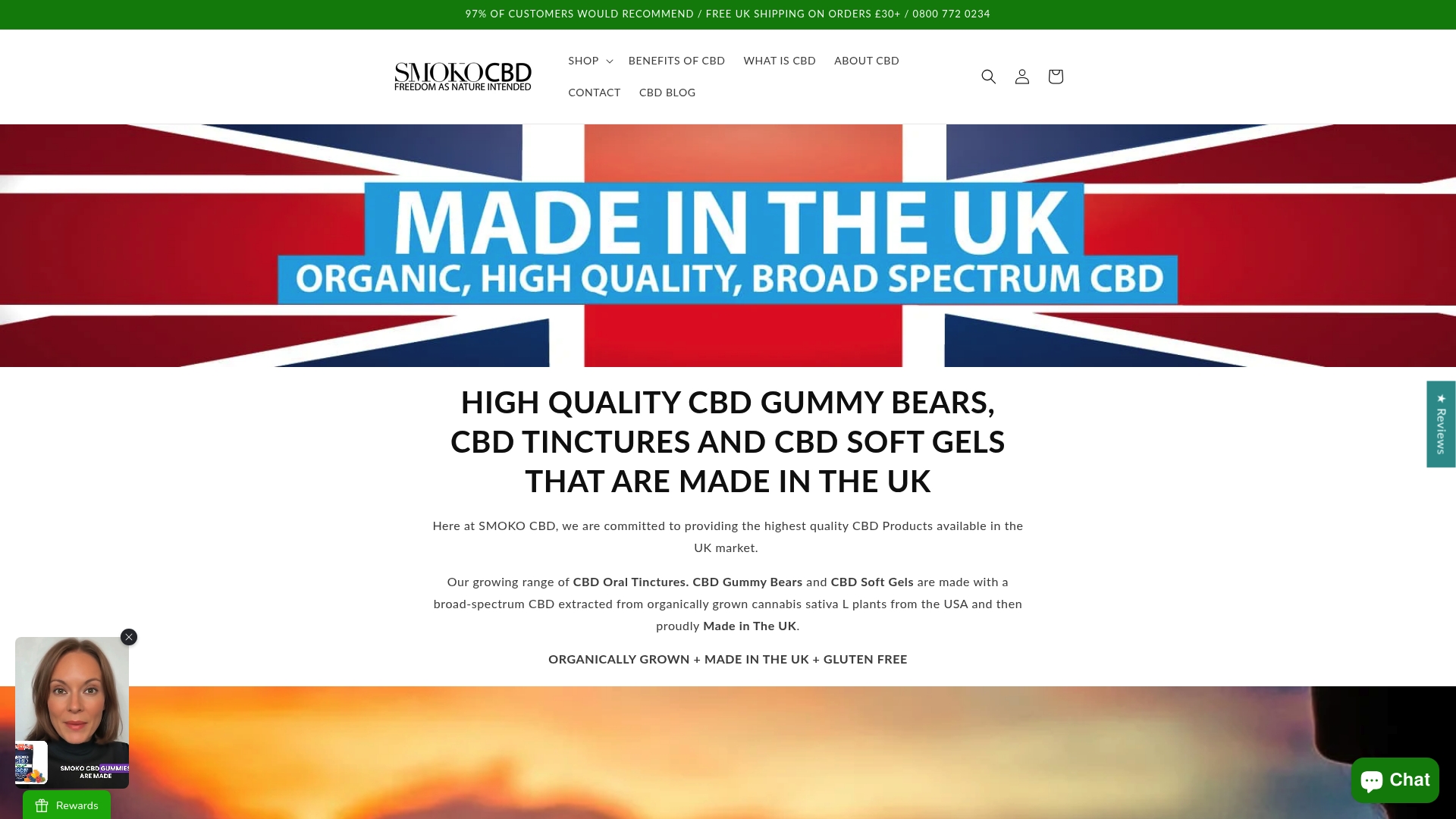
The SMOKO CBD Gummy Bears (250 mg broad-spectrum, 10-pack) deliver 25 mg per gummy, making them a straightforward fixed-dose option for the early weeks of a trial. Each batch is third-party tested with a COA confirming zero THC, and the format suits people who want convenience without measuring drops or swallowing capsules.
For readers who prefer a capsule format, the SMOKO CBD 750 mg Broad Spectrum Soft Gel Capsules provide a consistent, measured dose per capsule with the same COA-backed quality assurance. Soft gels are particularly well suited to the maintenance phase of a trial, once you have established a dose that works for you, because they remove any variability in measuring.
If you want to run both formats simultaneously (a common approach for people who use a daily capsule and a gummy as needed), the 750 mg Soft Gels + CBD Gummies bundle combines both products at a better price than buying separately. All three options are broad-spectrum, UK-available, and backed by third-party lab reports.
Sources
- Does CBD help with arthritis pain? - Harvard Health
- Cannabidiol: A Brief Review of Its Therapeutic and Pharmacologic Efficacy in the Management of Joint Disease
- Medical cannabis - NHS
This article is for general information only and is not a substitute for professional medical advice. Always consult your GP or pharmacist before starting any new supplement, particularly if you take prescription medicines.