If you're looking for the best supplements for arthritis in the UK, you've probably heard of options like glucosamine, turmeric, and omega-3s. They're often the first port of call for anyone trying to manage joint pain naturally. But the real challenge is finding evidence-backed products that actually complement conventional treatments and support your joint health for the long haul.
Understanding Arthritis in the UK
Living with arthritis is about navigating the daily reality of joint pain, stiffness, and reduced mobility. It's a condition that can reshape your life, turning simple tasks like opening a jar or climbing the stairs into significant hurdles. For millions of people, this isn't just an occasional ache; it's a constant companion that demands a proper management plan.
This is exactly where the interest in supplements comes from. They represent a proactive step many people take to feel more in control of their health. It helps to think of supplements not as a magic bullet or a replacement for medical advice, but as supportive allies in your overall strategy. They work alongside exercise, a balanced diet, and prescribed treatments to help you manage your symptoms.
The Scale of the Problem
The impact of arthritis across the UK is huge, affecting people from all walks of life. This is far from being a minor issue; it's a widespread public health concern that touches millions of households.
In the UK, arthritis isn't a niche concern. Over 10 million people—including adults and children—live with the condition. That's roughly 1 in 6 of the population. This sits within the broader picture of musculoskeletal (MSK) conditions, which are a leading cause of pain and disability nationwide.
The infographic below puts these key statistics into perspective.

These figures don't just show the scale of the problem; they also highlight demographic trends. Data from the Office for Health Improvement and Disparities shows that 17.9% of people aged 16 and over in England reported a long-term MSK condition. The prevalence is noticeably higher in women (20.0%) compared to men (15.6%). You can learn more about the state of UK musculoskeletal health from the detailed reports published by Versus Arthritis.
This guide is designed to cut through the noise and give you clear, evidence-based information. We’ll explore the most promising supplements for arthritis available here in the UK, explaining how they work, what the research says, and how to choose high-quality products. Our goal is to empower you with the knowledge to make informed decisions for your joint health.
Exploring Core Supplements for Joint Health
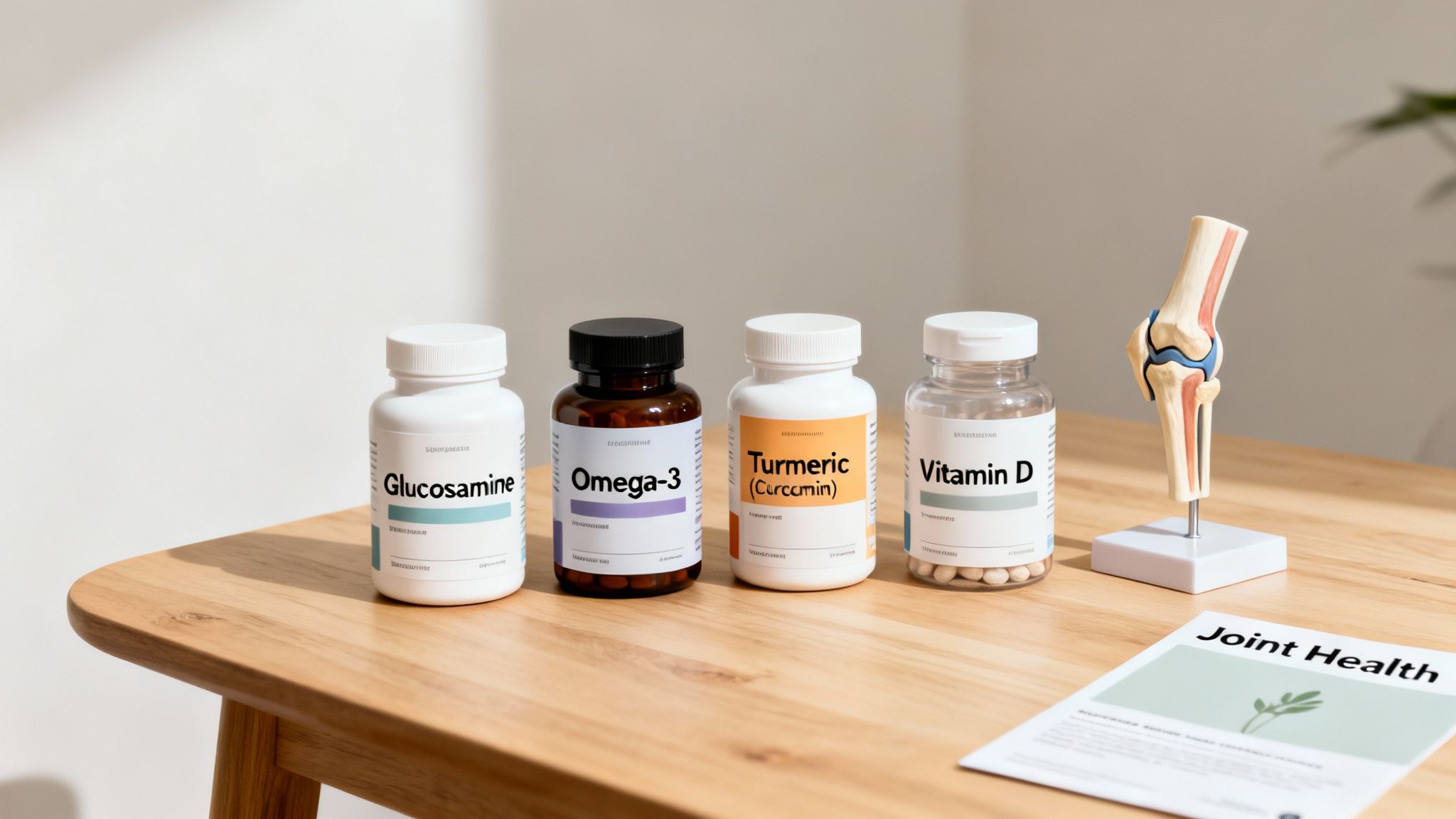
Walking into a health food shop or browsing online for joint supplements can feel a bit overwhelming. There are so many options. But if you cut through the noise, a handful of core supplements come up again and again, simply because they have the most research behind them.
These are the go-to choices for many people in the UK trying to manage their arthritis symptoms. Let's dig into what they are and, more importantly, how they're supposed to work. Understanding the why helps you make a smarter choice. Some act like builders, repairing wear and tear, while others are more like an internal clean-up crew, calming the inflammation that causes so much grief.
Glucosamine and Chondroitin: The Cartilage Builders
Picture the cartilage in your joints as the smooth, slippery lining on the ends of your bones. It lets them glide over each other without any friction. In osteoarthritis, this lining gets worn down, and that's when you get that grinding feeling and pain. Glucosamine and chondroitin are natural parts of that very cartilage, which is why they're staples in the joint-health world.
You can think of glucosamine as the raw material—the bricks and mortar needed to patch up and maintain the cartilage structure. Chondroitin, on the other hand, is like a sponge. It helps the cartilage hold onto water, keeping it plump and springy, which is crucial for absorbing shock every time you move.
For many people with osteoarthritis, taking glucosamine and chondroitin together is seen as a two-pronged attack: you’re supplying the building blocks for repair while also helping the cartilage keep its all-important cushioning.
When you're looking at products in the UK, you’ll mainly find two types of glucosamine:
- Glucosamine Sulphate: This is the one you’ll see in most of the big clinical studies. It's often stabilised with salt and is generally thought to be the more effective of the two for joint health.
- Glucosamine Hydrochloride (HCl): It's more concentrated, but the evidence for it just isn't as strong or consistent as it is for the sulphate form.
For those giving this combination a try, a typical daily dose you’d see in studies is around 1,500 mg of glucosamine sulphate and 800-1,200 mg of chondroitin sulphate. This is usually split into a few smaller doses throughout the day. A bit of patience is needed here; it can take a few months to feel a difference. One really important safety point: glucosamine is often made from shellfish, so if you have an allergy, you must look for a vegan version.
Omega-3 Fatty Acids: The Inflammation Fighters
If glucosamine is the builder, then omega-3s are the body's firefighters. Arthritis, especially rheumatoid arthritis, is driven by a massive inflammatory response where the immune system mistakenly attacks the joints. This is what causes all that swelling, heat, and pain.
Omega-3s, specifically the EPA and DHA found in oily fish like salmon, mackerel, and sardines, are powerfully anti-inflammatory. They work by getting in the way of the body's production of inflammatory chemicals, basically turning down the dial on the whole process.
This is why they're considered one of the best supplements for arthritis that UK residents can get their hands on. Studies have shown that a regular intake of omega-3 can lead to less joint tenderness and morning stiffness, which is a big win for anyone with rheumatoid arthritis. Some people even find they can cut back on their use of non-steroidal anti-inflammatory drugs (NSAIDs).
Turmeric and Curcumin: The Natural Anti-Inflammatory Spice
That bright yellow spice in your curry, turmeric, contains an active ingredient called curcumin. This is where the magic happens. Curcumin is a powerhouse anti-inflammatory that works by blocking certain enzymes and pathways that kick-start inflammation in the body.
Because its action is so direct, it has become a hugely popular natural option for people with both osteoarthritis and rheumatoid arthritis. The big hurdle with curcumin, though, is that the body finds it really difficult to absorb on its own.
To get around this, good-quality supplements will add something to boost its availability. You'll often see it combined with piperine (from black pepper) or formulated into a special absorbable complex. This simple addition can massively increase the amount of curcumin that actually gets into your bloodstream. For more tips, our guide on how to reduce inflammation in the body has other useful ideas.
Doses often range from 500 mg to 2,000 mg of turmeric extract per day, standardised to contain a high percentage of curcuminoids. Just like with omega-3s, anyone on blood-thinning medication should have a word with their GP before starting, as curcumin can have a mild blood-thinning effect.
Vitamin D: The Bone and Immune System Supporter
We all know Vitamin D is for bones, but its role in arthritis is a bit more nuanced. It’s absolutely essential for absorbing calcium, which keeps the bones around your joints strong. If those bones become weak, it can make the effects of arthritis even worse.
But it doesn't stop there. Vitamin D is also a key player in regulating the immune system, which is highly relevant for autoimmune conditions like rheumatoid arthritis. Researchers have noticed that many people with arthritis have low Vitamin D levels, and there seems to be a link between being deficient and having more joint pain.
Living in the UK, with our famously grey skies for much of the year, means many of us are at risk of a deficiency. Public Health England actually recommends everyone considers a daily 10 microgram (400 IU) Vitamin D supplement during the autumn and winter. If you have an arthritis diagnosis, your doctor might suggest a higher dose after a blood test. It's a simple, cheap supplement that's a cornerstone of good health and could offer some real support for your joints.
Evaluating Emerging and Specialised Options
While glucosamine, turmeric, and omega-3s are the established heavyweights in the world of joint support, the science doesn't stand still. A few other specialised supplements are catching the eye of researchers and arthritis sufferers alike, each one tackling joint health from a unique angle.
These options might not have the decades of research behind them like the big three, but the early findings are certainly turning heads. For anyone who hasn't found enough relief from the usual suspects, or for those dealing with a specific aspect of their arthritis, these contenders offer a fresh approach.
Let's dive into two of the most interesting ones making a name for themselves.
Type II Collagen: The Cartilage Reinforcer
When you hear "collagen," you probably think of skin creams and beauty products. But it’s also the primary structural protein in your cartilage—the very framework that gives your joints strength and the ability to bounce back. More specifically, it’s Type II Collagen that’s the star player in our joint cartilage.
The thinking behind supplementing with it is fascinating. It’s not about just dumping more building blocks into your system. Instead, tiny doses of undenatured Type II collagen are thought to work by interacting with your immune system. This process, called oral tolerance, essentially "trains" your immune system to be less aggressive towards your own cartilage. This could help dial down the inflammatory assault that makes both osteoarthritis and rheumatoid arthritis worse.
Think of it less like rebuilding a crumbling wall brick by brick, and more like having a quiet word with the demolition crew to get them to stand down. By introducing this specific type of collagen, you might be able to calm the body's self-destructive response to cartilage damage.
The research is still building, but some studies have shown that a small daily dose of just 40 mg of undenatured Type II collagen can lead to real improvements in pain, stiffness, and joint function for people with osteoarthritis. It’s a completely different strategy, focusing on calming the immune system rather than just structural repair.
SAMe: For Joint Comfort and a Brighter Mood
Living with chronic pain is more than just a physical struggle; it can take a massive toll on your mental health. This is where S-adenosyl-L-methionine, or SAMe (pronounced "sam-ee"), enters the picture. It’s a compound your body makes naturally that wears two very important hats: it helps build cartilage and it helps regulate your mood.
This dual action makes SAMe a really compelling option. On the one hand, it’s involved in creating proteoglycans—key molecules that give cartilage its crucial shock-absorbing quality. Research has even suggested its pain-relieving abilities can rival those of non-steroidal anti-inflammatory drugs (NSAIDs), although it takes a bit longer to kick in.
On the other hand, SAMe is essential for producing neurotransmitters like serotonin and dopamine, the brain chemicals that underpin a positive mood. This connection is huge, because lifting your mood can genuinely change how you perceive pain, improving your overall quality of life.
- Dosage: Effective doses usually fall between 600 mg and 1,200 mg a day, often split into two or three smaller doses.
- Safety: Most people tolerate it well, but it can cause mild side effects like nausea. Crucially, anyone with bipolar disorder should avoid SAMe unless under strict medical supervision, as it could potentially trigger a manic episode.
As with any new supplement, it’s vital to chat with your GP before starting SAMe, particularly if you're already taking antidepressants. And while many people focus on internal supplements like SAMe, it's worth remembering that localised relief can be just as important. For targeted comfort, you can learn more about how a CBD muscle rub can work alongside an oral supplement routine.
Introducing CBD: A Modern Approach to Arthritis Pain
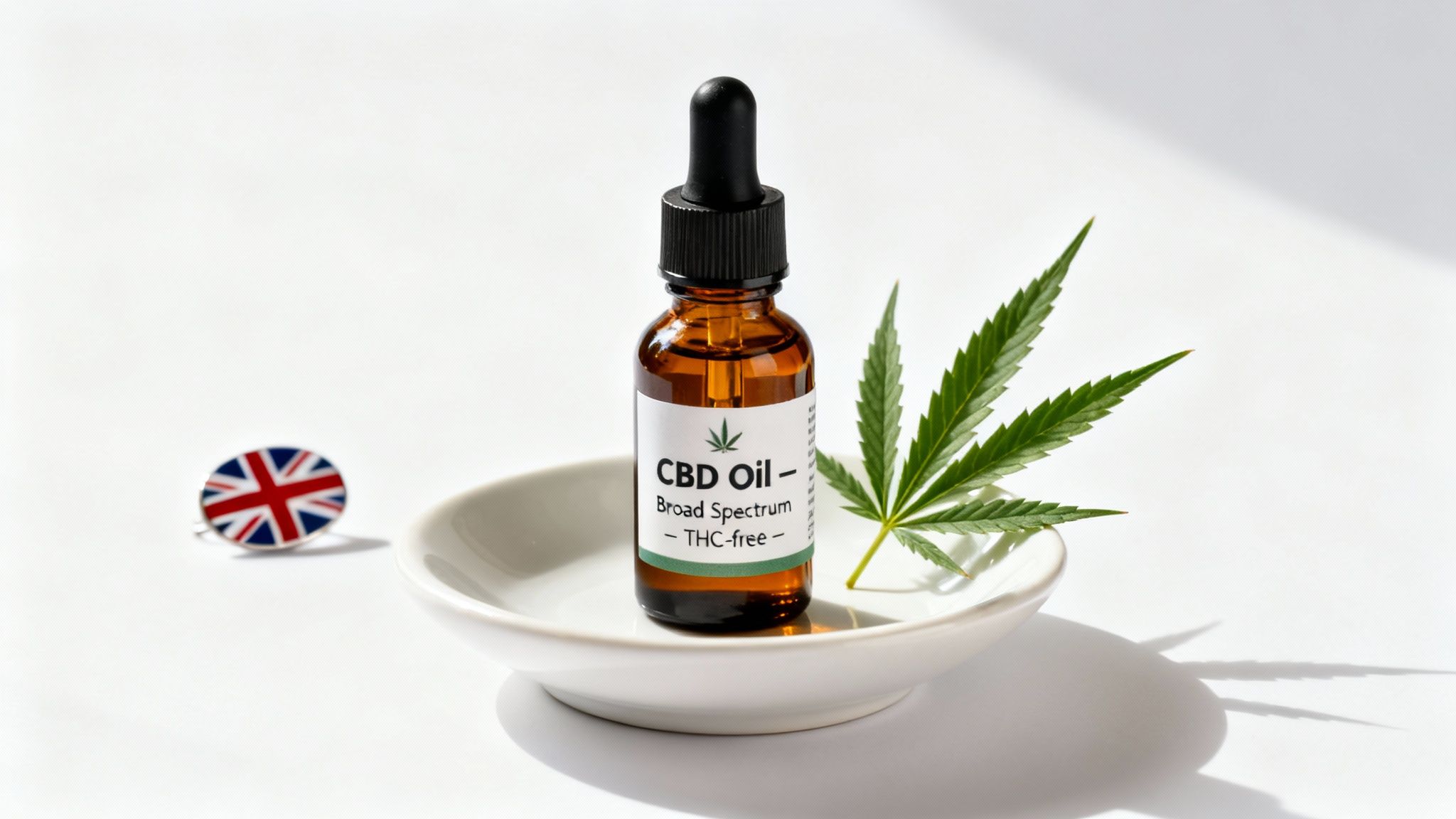
Alongside the more traditional names in joint health, a plant-based option has been making serious waves: Cannabidiol, or CBD. It’s a completely different kettle of fish from the other supplements we've looked at. CBD gets to work by interacting with a vast internal network called the endocannabinoid system (ECS).
Think of the ECS as your body's internal balancing act. It's a massive signalling network that helps keep everything running smoothly, influencing your pain perception, immune response, sleep, and even your mood. When something throws the body off-kilter, the ECS is there to try and pull things back into line.
CBD, which comes from the hemp plant, is thought to give this system a helping hand. It won’t give you a "high" because it contains next to no THC (tetrahydrocannabinol), the compound in cannabis that does. Instead, it works quietly in the background, potentially helping your ECS do its job a bit more effectively.
How CBD May Help With Arthritis Symptoms
For anyone dealing with the daily grind of arthritis, CBD's potential is all about its relationship with pain and inflammation. The ECS has receptors dotted all over the body, including in our immune cells and nerve endings. By engaging with this system, CBD might help to calm down the inflammatory response that causes so much of the pain in both osteoarthritis and rheumatoid arthritis.
This is a big reason why so many people in the UK are adding CBD to their wellness toolkit. They aren't looking for a magic cure, but a supportive measure to help manage the chronic pain and stiffness that can wear you down. The goal is simple: a better quality of life. That might mean a more restful night's sleep or just a bit more comfort getting through the day.
The search for effective options is understandable, especially when specialist care can be hard to come by. UK data shows that over 10 million people live with arthritis, yet many face frustratingly long waits to see a specialist. In one survey, a staggering 54% of people said they experienced "unreasonable delays" for an appointment, which naturally pushes many to see what they can find over the counter. You can explore the reports on the impact of arthritis care in the UK to get a clearer picture of these challenges.
Understanding Different Types of CBD
Once you start looking into CBD, you'll see a few terms pop up again and again. Getting your head around them is key to picking a product that's right for you.
- Full-Spectrum: This contains all the compounds found in the hemp plant—CBD, other minor cannabinoids, terpenes (which give the plant its aroma), and a tiny, legally permitted trace of THC (under 0.2% in the UK).
- Broad-Spectrum: This is very similar, containing CBD and other helpful plant compounds, but with one key difference: the THC has been completely removed. It's a popular choice for people who want the benefits of multiple compounds without any THC whatsoever.
- CBD Isolate: The purest form available. It’s 99% pure CBD, with everything else stripped away. No other cannabinoids, no terpenes, and absolutely no THC.
For arthritis, many people find themselves drawn to broad-spectrum products. There's a theory called the "entourage effect," which suggests that all these plant compounds work better together than they do alone. A broad-spectrum oil aims to deliver this synergy, but without any worries about THC. You can find out more about how CBD oil helps treat arthritis in our guide.
When thinking about CBD for arthritis, it’s best to see it as a supportive tool. While the science is still catching up, early studies and a mountain of user stories are promising, pointing to its role in a plan focused on managing inflammation, easing pain, and getting better sleep.
It's crucial to go in with realistic expectations. The body of scientific evidence is still growing, but preclinical research and user feedback certainly suggest it has potential for chronic pain management. As with any new supplement, the sensible approach is to start with a low dose and see how you get on, increasing it gradually if needed. And it’s always a good idea to have a chat with your GP first, especially if you’re taking any other medications.
How to Choose Safe and High-Quality UK Supplements
Walking into the supplement aisle can feel like stepping into a maze. With so many brands making bold promises, how can you tell which products are both safe and genuinely effective? The secret is to learn what to look for—the real markers of quality that go beyond flashy packaging.
This isn't about marketing fluff; it's about finding verifiable proof of what’s in the bottle. Any company worth its salt will be transparent about its ingredients and manufacturing process. After all, your health is the top priority, and a little bit of homework goes a long way.
For many people living with arthritis, this search is driven by a desire for long-term solutions. Arthritis is a chronic condition, and many are keen to find alternatives to long-term medication like NSAIDs to help manage their symptoms. You can read more about the long-term management of arthritis in the UK to see just how important this is for people across the country.
Look for Third-Party Lab Testing
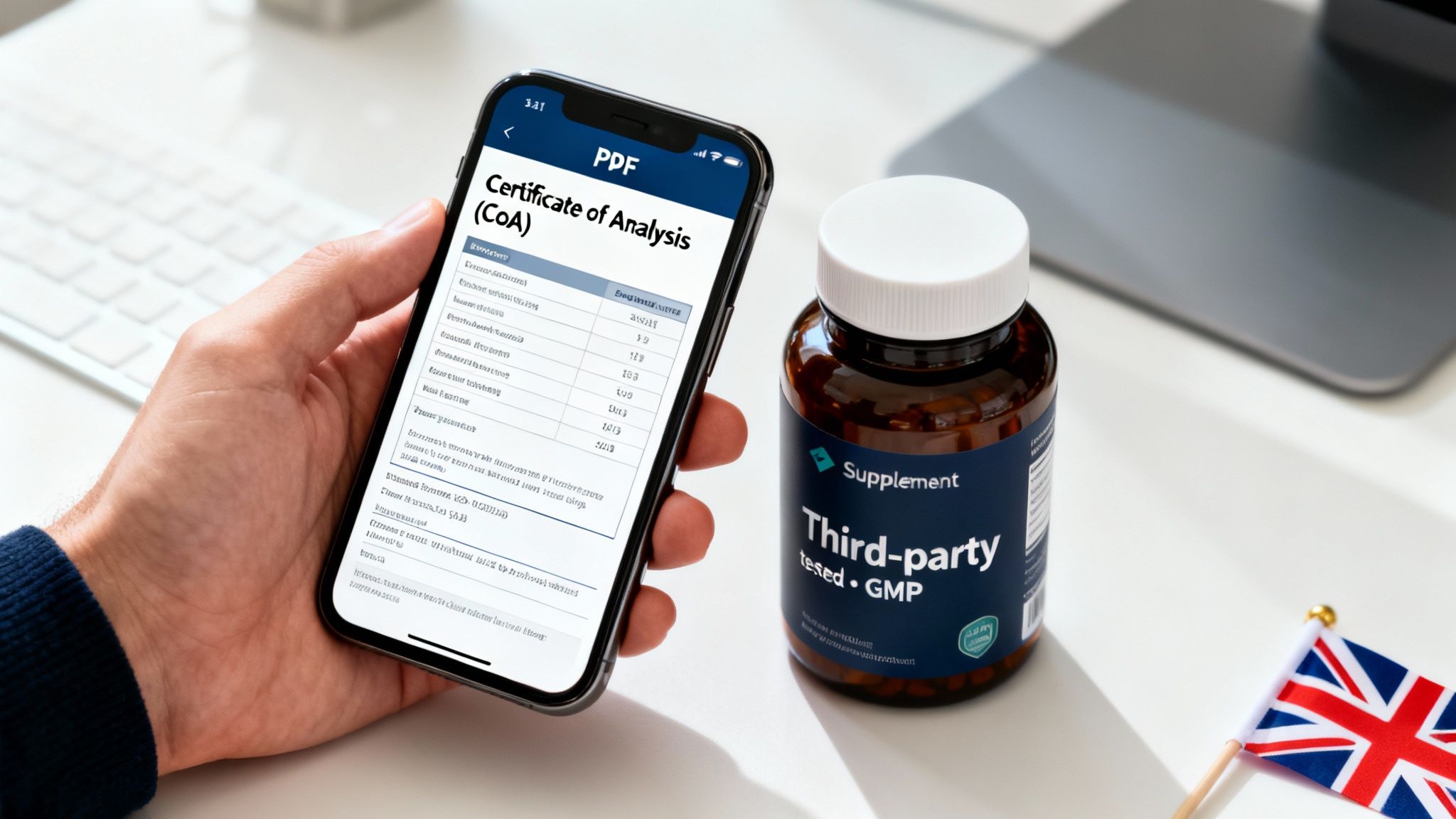
This is the single most important quality check you can perform, especially when buying CBD. A third-party lab test means an independent, unbiased laboratory has analysed the supplement to confirm what’s inside. Think of it as an impartial inspector verifying that the label matches the contents.
The results are published in a document called a Certificate of Analysis (CoA). Any trustworthy brand will make these CoAs easy to find on their website. If a company is cagey about sharing its lab results, that's a massive red flag.
When you pull up a CoA, you’re looking for a few key details:
- Cannabinoid Profile: For CBD, this confirms the exact amount of CBD and verifies that the product is THC-free (if it claims to be).
- Pesticide Analysis: This ensures the product is free from nasty agricultural chemicals.
- Heavy Metals Screening: This checks for dangerous contaminants like lead, mercury, and arsenic.
Learning how to read these reports is incredibly empowering. For a closer look, check out our guide on the importance of the highest quality lab-tested CBD oil in the UK.
Understanding UK-Specific Regulations and Quality Marks
Beyond the lab reports, there are specific UK regulations and quality marks that signal a company’s commitment to safety and quality. These are crucial to look for when choosing any supplement for arthritis.
For CBD, the big one is Novel Food authorisation from the Food Standards Agency (FSA). This is a mandatory safety assessment for every CBD product sold in the UK, confirming it's safe to eat. Only buy from brands that appear on the FSA's public list.
Another key seal of quality is Good Manufacturing Practice (GMP) certification. While not exclusive to supplements, it’s a gold standard borrowed from the pharmaceutical industry. It guarantees products are consistently made and controlled according to strict quality standards, covering everything from the raw ingredients to the final packaging.
Before you add any supplement to your basket, it pays to run through a quick mental checklist to make sure it ticks all the right boxes.
UK Supplement Quality Checklist
| Quality Checkpoint | What to Look For | Why It Matters |
|---|---|---|
| Third-Party Lab Reports | An up-to-date Certificate of Analysis (CoA) for each batch, easily accessible on the brand's website. | Provides unbiased proof of potency and purity, confirming the product is free from contaminants. |
| FSA Novel Food Status | The brand or product should be listed on the Food Standards Agency's public list of authorised CBD products. | This is a legal requirement in the UK, showing the product has passed a basic safety assessment. |
| GMP Certification | Look for a mention that the product is made in a facility that follows Good Manufacturing Practice (GMP). | Guarantees the product is manufactured to high, consistent, and controlled quality standards. |
| Clear Labelling | The label should clearly state the exact amount of the active ingredient per dose, plus a full list of all other ingredients. | Ensures you know exactly what you're taking and can dose accurately and safely. |
| THC-Free Claims | If a CBD product is labelled "THC-Free," this must be verified by the cannabinoid profile on the CoA. | This is essential for anyone who wants to avoid THC for personal, professional, or legal reasons. |
By using this checklist, you can cut through the noise and confusion. It gives you the power to confidently choose safe, high-quality supplements that can genuinely support your arthritis management plan.
Common Questions About Arthritis Supplements
Once you start looking into supplements, the practical questions quickly follow. It’s one thing to know what might help, but another thing entirely to understand how to use these products safely and what to expect day-to-day.
Let's tackle some of the most common questions we hear from people across the UK. We’ll give you some straightforward answers to help you feel more confident, but always remember: a quick chat with your GP or pharmacist is the best first step you can take.
How Long Until Arthritis Supplements Start Working?
This is where patience really is a virtue. Unlike a painkiller that gets to work in under an hour, most natural supplements work with your body over time, addressing things like inflammation or cartilage health gradually.
For supplements like glucosamine and chondroitin, you’re looking at a slow burn. It can often take anywhere from four to eight weeks of consistent, daily use before you start to feel a real difference in your joints. The same goes for the anti-inflammatory powerhouses, turmeric and omega-3s; their benefits need time to build up in your system, so give them a good few weeks before deciding if they’re working for you.
CBD can be a little different. While some people notice it helps them sleep better fairly quickly, you'll want to give it at least one to two weeks of daily use to see how it affects your joint pain. The key with any supplement is consistency—stick with the recommended dose and give it a proper chance to do its job.
Can I Take Multiple Arthritis Supplements Together?
Absolutely, and many people do. Taking a combination like omega-3, vitamin D, and glucosamine together is very common. The trick is to be sensible and introduce things slowly.
The golden rule is to start just one new supplement at a time. This is the only way you’ll know for sure how your body is reacting. If you feel better (or worse), you can pinpoint exactly what’s causing it. If you throw a whole "stack" of new products at your system at once, you’ll have no idea what’s actually helping.
It's also worth being mindful of overlapping effects. For instance, taking high doses of both omega-3 and turmeric could potentially increase blood-thinning effects. Before you start mixing and matching, have a word with your GP or a pharmacist, especially if you’re already taking any prescription medications.
Will Supplements Cure My Arthritis?
This is a really important one: no supplement can cure arthritis. It's crucial to see them as part of your support team, not a magic bullet or a replacement for the treatment your doctor has prescribed.
What supplements can do is help manage your symptoms, sometimes brilliantly. They might help to dial down pain, ease stiffness, and calm inflammation, all of which can make a huge difference to your quality of life. But they don't reverse the underlying disease, especially with autoimmune conditions like rheumatoid arthritis.
You should never stop taking medication prescribed by your doctor without their direct advice. The goal is to weave safe, well-researched supplements into your overall plan, alongside your prescribed treatments, gentle exercise, and a healthy diet.
Are There Any Supplements I Should Avoid?
Yes, it definitely pays to be a savvy shopper. Be very wary of any product that makes outlandish promises of "miracle cures," instant relief, or guaranteed results. Those are classic red flags for a product that’s all marketing and no substance.
Here in the UK, some herbal remedies can be surprisingly potent and can clash with prescription drugs. A classic example is St. John's Wort, which is known to interfere with a long list of medications.
Always do a bit of digging on any new supplement and specifically look up potential drug interactions. Your safest bet is to stick with the well-researched options we've covered in this guide. And always buy from reputable UK brands that are transparent about their ingredients and provide third-party lab tests for peace of mind.
At SMOKO CBD, we believe in providing high-quality, lab-tested broad-spectrum CBD products to support your wellness journey. Our UK-made CBD oils and gummies are THC-free and crafted to the highest standards. Explore our range and see how CBD could fit into your arthritis management plan at https://smokocbd.com.