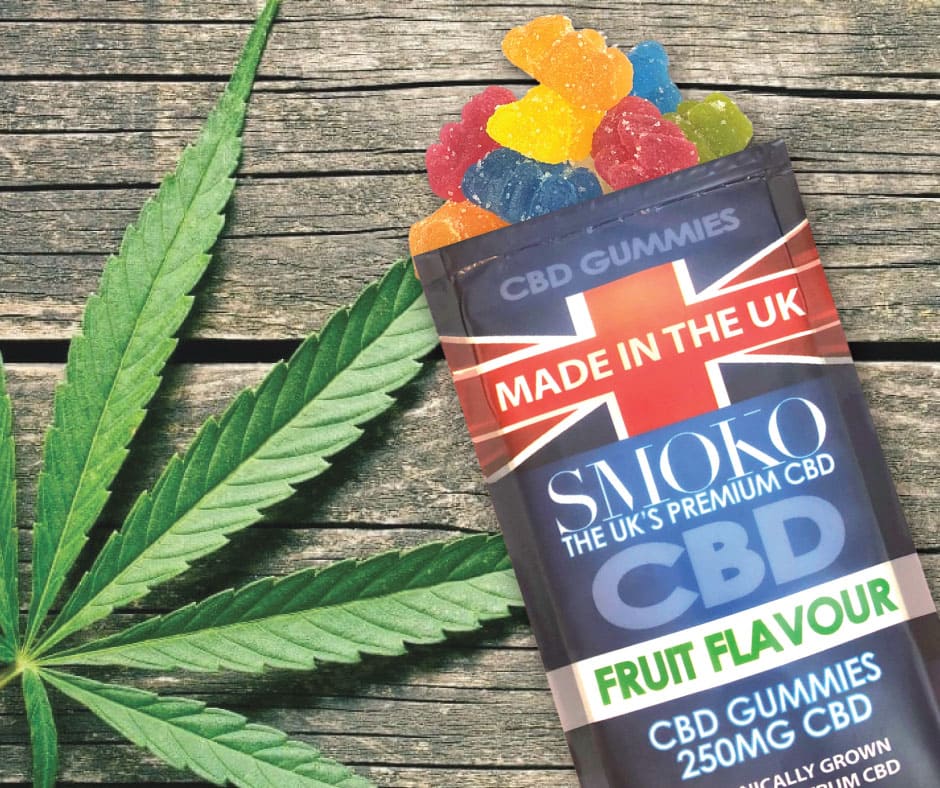
Current high-quality evidence does not show that CBD on its own is an established treatment for trigeminal neuralgia, although some THC and THC/CBD medicines give modest relief in nerve pain generally. Speak to your GP or specialist before adding any product, because CBD can interact with anticonvulsants and your prescribed medicine should never be stopped without advice. The rest of this guide covers the evidence, the safety issues and the practical steps.
TL;DR:
- Positive cannabis studies generally tested prescription grade medicines with defined THC content, often balanced THC/CBD products, not typical CBD oils sold as supplements.
- A 2019 series found 81% of 42 patients reported improvement, but products varied and the uncontrolled, self selected group cannot predict results from CBD oil.
- CBD can affect liver enzymes and interact with anticonvulsants, with effects reported from around 300 mg daily; consult your prescriber and never change medication yourself.
- Carbamazepine and oxcarbazepine are standard initial medicines; microvascular decompression can cure some patients when drugs fail or cause intolerable side effects.
- If your clinician approves a trial, start low, change one thing at a time, and track attacks and side effects in a diary for 4–8 weeks.
Table of Contents
- Does CBD help trigeminal neuralgia? What the research says
- How CBD differs from medical cannabis, and why it matters
- Safety, interactions and dosing cautions
- What trigeminal neuralgia studies show, and where they fall short
- Practical steps if you are considering CBD
- What people say about using CBD for trigeminal neuralgia
- Broad-spectrum, full-spectrum and isolate: which matters for trigeminal neuralgia?
- Legal status of CBD products in the UK
- Long-term CBD use for trigeminal neuralgia: possible gains and drawbacks
- A personal view on CBD and trigeminal neuralgia
- Choosing a lab-tested broad-spectrum CBD once your clinician agrees
- FAQ
- Sources
Does CBD help trigeminal neuralgia? What the research says
Trigeminal neuralgia (TN) is one of the most severe pain conditions people live with, so it is natural to ask whether CBD might ease it. The honest answer is that the research on neuropathic pain in general is mixed, and research on CBD for TN specifically is thin. Here is how the main findings stack up:
- A 2026 Cochrane review concludes there is no robust clinical-trial evidence that CBD-dominant medicines reliably relieve chronic nerve pain, and it rates trial quality as generally low to moderate.
- A systematic review and meta-analysis of cannabis-based medicines for chronic neuropathic pain found that THC and THC/CBD interventions gave statistically significant but modest reductions in pain intensity.
- In that same pooled analysis, CBD-only interventions did not show a significant benefit.
- Reports from patients with TN suggest some people feel better, but those reports come from small, uncontrolled studies that carry a high risk of bias.
Patients often describe real relief, and we take that seriously. The difficulty is that individual stories cannot tell us whether a product works better than chance, a placebo response or the natural ups and downs of TN, which is known for pain that comes and goes.
Modest benefit was seen for THC and THC/CBD medicines in pooled trials, while CBD-only results were not significant (meta-analysis of chronic neuropathic pain trials). In practical terms, this means that positive headlines about “cannabis for nerve pain” rarely describe a CBD-only oil bought from a shop. Most of the trials behind them used prescription-grade medicines with defined THC content.
For you, the useful reading of this evidence is cautious. CBD is not proven for TN, and it should not replace carbamazepine or any other prescribed treatment. It may still be something to discuss with your clinician, particularly if you are living with side effects from your current medicine or still have breakthrough pain.
How CBD differs from medical cannabis, and why it matters
CBD is a non-intoxicating compound from the hemp plant. It acts on the body differently from THC, the compound that produces a “high”. The distinction matters because much of the encouraging research uses THC or balanced THC/CBD products rather than isolated CBD.
- CBD does not cause intoxication and acts through several pathways rather than the main cannabinoid receptors that THC targets. A comprehensive review of CBD interactions notes its approved uses are limited to certain epilepsy syndromes, while over-the-counter use for other conditions is unregulated.
- THC appears to contribute much of the pain-relieving signal in several randomised trials, but it also brings drowsiness, dizziness and mental effects, plus tighter legal restrictions.
- Balanced THC/CBD products are what many positive studies actually tested, often in a 1:1 ratio.
Preclinical work gives a theoretical reason to look at cannabinoids for TN: a review of cannabinoids in trigeminal neuralgia describes how they might modulate trigeminal pain pathways. It also stresses that human evidence is scarce and varied.
What does this mean in practice? A good result for “medical cannabis” does not automatically carry over to a CBD tincture, gummy or capsule. If you are reading a study, check which product it tested, at what dose and for how long. A study of a prescribed THC/CBD spray tells you little about an oil with no THC in it, and the reverse is also true.
Licensed medicines are prioritised in clinical guidance for exactly this reason: they are tested for effect, side effects and interactions, which supplements generally are not.
Safety, interactions and dosing cautions
Safety deserves more attention than it usually gets, especially if you take carbamazepine, oxcarbazepine or any other regular medicine for TN. Both CBD and THC are processed by the liver, and CBD can slow down the enzymes that break down other drugs.
According to a clinical review of drug interactions, CBD inhibits several cytochrome P450 enzymes, including CYP2C19 and CYP3A4. Clinically relevant interactions have been observed at higher CBD doses, for example changes in clobazam levels when combined with CBD anticonvulsant preparations. The risk grows with higher doses and with taking several medicines at once.

Interactions have been reported at higher CBD doses, with inhibition effects described from around 300 mg per day and above (drug interaction recommendations for clinical practice). Lower over-the-counter doses are less likely to cause major problems, but they still deserve caution, because everyone’s liver and medicine mix differs.
Points to keep in mind:
- Common side effects in trials include sleepiness, diarrhoea, reduced appetite and raised liver enzymes.
- People with liver or kidney problems need closer monitoring.
- Topical CBD gives lower whole-body exposure, and a systematic review of cannabinoids in orofacial pain reports that some small studies suggest relief, though results are not conclusive.
- Tell your pharmacist about any CBD product you use, just as you would a herbal remedy.
Pro Tip: Always read the third-party lab certificate before you buy, and check that the declared THC level and cannabinoid content match the label.
If you take an anticonvulsant, do not adjust it yourself. Sudden changes can bring back attacks, and any shift in your regimen belongs in a conversation with your prescriber.
What trigeminal neuralgia studies show, and where they fall short
Research that looks at TN itself is the most relevant to you, and it is also the weakest in design. Most of it consists of case reports and small retrospective series.
- A 2019 retrospective series reported that 81% of 42 patients with TN described symptom improvement with medical cannabis, and about 50% reduced their opioid use.
- Those products were not standardised: formulations and doses varied, and the most commonly effective ratio was a 1:1 mix of THC and CBD.
- A mini-review of CBD and cannabigerol in TN and postherpetic pain summarises recent case reports and says better-quality trials are needed.
- No standardised randomised trial of CBD alone in TN has been identified in the sources we reviewed.
The limits are the real story. Small samples make results unstable. Without randomisation or blinding, expectation can shape how people rate their pain. Outcome measures differ from one report to the next, and people who feel better are more likely to be in a follow-up than those who stopped. For a condition with natural remission periods, such as TN, any of these can create the look of a benefit.
That is why it would be wrong to read the 81% figure as a success rate you can expect from a CBD oil. It describes a self-selected group taking different products under medical supervision, mostly with THC in the mix. It is a reason to run better trials, not a reason to rely on a supplement.
Practical steps if you are considering CBD
If you decide you want to explore CBD, a careful and documented approach protects you. Here is a sequence we would suggest, in line with NHS treatment guidance and the practical guide to TN:
- Talk to your GP or neurology specialist first. Do not stop or change prescribed anticonvulsants. Ask specifically about interactions with your current medicines.
- Start low and go slow. If your clinician agrees, begin with a small dose, raise it gradually and choose a product with clear cannabinoid content and a third-party lab report. Keep a daily pain diary noting attack frequency, severity and side effects.
- Choose your route with care. Topical products may limit whole-body exposure for localised facial symptoms, while oral products absorb unpredictably and carry more interaction potential.
- Agree on monitoring. Liver function tests and a review of drug levels may be sensible where relevant. Set a fixed window, such as 4–8 weeks, to judge whether anything has changed, using your diary rather than memory.
- Know when to escalate. If pain stays uncontrolled or side effects become intolerable, ask for specialist referral rather than raising the dose.
The standard route in this country is clear. Carbamazepine is the first-line drug, usually dosed between 800 mg and 1,200 mg a day according to the NHS, and microvascular decompression is the surgical option that can be curative in some patients. The national guidelines for TN also name oxcarbazepine as first-line and note that many people receive suboptimal medical management, so surgical options should be discussed when drugs fail or cause intolerable effects.
Pro Tip: Change only one thing at a time. If you start CBD and alter another medicine or routine in the same week, you will not know which one made the difference.
For more on this topic, our guide to CBD for pain relief, including evidence, safety and UK advice walks through dosing and safety in more detail. If you want gentler, non-drug approaches to run alongside, see how to manage nerve pain naturally.
What people say about using CBD for trigeminal neuralgia
You will find plenty of personal accounts online. Some people describe fewer or milder attacks, calmer nights or less anxiety about the next flare. Others report no change at all, and some stop because of drowsiness or stomach upset. Both kinds of story are real, and neither proves a general rule.
It is worth reading these accounts with a few questions in mind. Was the person using CBD alone, or a THC-containing product? Were they still taking carbamazepine or another drug? Had they recently changed anything else? TN can fade for weeks or months with no treatment, so a good stretch after starting a new product may be coincidence rather than cause.
The Cochrane summary acknowledges that patients report individual relief even though high-quality evidence is missing. We read that as a call for better trials rather than a dismissal of what people feel.
If you are collecting stories to guide your own decision, treat them as a source of questions for your clinician, not as a prediction. Your own pain diary, kept over several weeks, will tell you far more about your response than anyone else’s experience can. Our overview of CBD and nerve pain for UK adults puts such accounts in the wider context of the research.
Broad-spectrum, full-spectrum and isolate: which matters for trigeminal neuralgia?
CBD products are commonly described by type, and the differences may affect how they act and how safe they are for you.
- Isolate contains CBD alone, with no other cannabinoids or plant compounds.
- Broad-spectrum contains CBD plus other hemp compounds, with THC removed.
- Full-spectrum contains CBD plus a range of hemp compounds, including trace amounts of THC.
Some people prefer full-spectrum products because of the idea that cannabinoids work better together. For TN, that idea is unproven. As covered above, the trials showing modest benefit used defined THC/CBD ratios, not the trace THC found in an over-the-counter oil, so a full-spectrum product is not a stand-in for a prescribed medicine.
Trace THC is also worth thinking about if you drive, work in a safety-critical job or face drug testing, and it adds a little psychoactive and interaction risk. For that reason, many people with TN who wish to try CBD choose broad-spectrum products with verified zero THC. That is the type we make: our tinctures, gummies and soft gels are broad-spectrum, with third-party lab testing.
Whatever type you choose, read the certificate of analysis. It should list cannabinoid content, THC level and screening for contaminants, and it should relate to the batch in your hand. Because no study has compared these product types in TN, we cannot say any one of them works better for facial pain.
Legal status of CBD products in the UK
CBD is sold in the UK as a food supplement or consumer product, and it sits in a different legal category from prescribed cannabis-based medicines. The key difference is intoxicating content. Consumer CBD products are expected to contain no more than trace levels of controlled cannabinoids, whereas medicines containing THC are controlled and can be prescribed only by specialist doctors.
For readers with TN, two things follow. First, buying a CBD oil does not make it a treatment: it is a supplement, and it has not been assessed as a medicine for facial pain. Second, access to THC-containing medicines goes through a specialist rather than the high street, and the route is narrow.
We have not cited a primary government source in this guide, and the rules around novel foods and controlled substances change, so please check the current position on the official GOV.UK and Food Standards Agency pages before you buy or travel with a product. A pharmacist or your clinician can also tell you what applies to your case.
Choose retailers who publish batch-level lab results, state the THC content plainly and make no medical claims for their products. A seller who promises to cure TN is a seller to avoid. Our own product pages are written to help you compare strength, format and testing, not to promise outcomes.
Long-term CBD use for trigeminal neuralgia: possible gains and drawbacks
Nobody can yet say what happens when people with TN take CBD for years, because the studies have not been done. What we can describe is the shape of the trade-off.
On the possible upside, some people report that CBD helps them feel calmer, sleep better or cope with the anxiety that surrounds unpredictable attacks. If a product allows you and your clinician to lower a drug that causes troublesome side effects, that could be a real gain, though any such change must be supervised.
On the other side, regular use brings the interaction question into sharper focus. A review of drug interactions points to liver enzyme effects that matter more with higher doses and several medicines. Regular users should expect periodic liver checks, and should report new tiredness, nausea, yellowing of the skin or loss of appetite promptly. Cost is a drawback too, since a daily product adds up over months.
There is also the risk of leaning on an unproven option while attacks continue. If CBD is not helping after your agreed trial period, stopping it and returning to your specialist is a sensible outcome, not a failure. Established treatments such as microvascular decompression remain the closest thing to a lasting fix for suitable patients, and delay can cost you months of avoidable pain.
A personal view on CBD and trigeminal neuralgia
I write consumer guidance on CBD, and the thing I push hardest is testing and clinician oversight. Some people with TN clearly feel better, and I do not dismiss that. But doctors will not treat CBD as standard care until high-quality trials say it works. Until then, treat it as something to discuss, not something to bank on. For more reading, our CBD capsules guide covers dosing questions.
— Mike
Choosing a lab-tested broad-spectrum CBD once your clinician agrees
If, after talking it through with your prescriber, you want to try CBD, we make it easier to do so carefully. Our range is broad-spectrum CBD made in the UK from organically grown hemp, with third-party lab testing.
- Broad-spectrum tinctures, gummy bears and soft gels, so you can pick a format your clinician is comfortable with.
- Product descriptions, dosage guidance and lab information to support a supervised, documented trial.
- Free UK shipping on qualifying orders.
Browse the full SMOKO CBD collection, or look at our broad-spectrum gummy bears.
This article is general information, not a substitute for advice from a qualified doctor. Consult a qualified healthcare professional about your own circumstances before acting on anything here.
FAQ
Can CBD help with trigeminal neuralgia?
The evidence does not yet show that CBD alone relieves trigeminal neuralgia. A meta-analysis of neuropathic pain trials found no significant benefit for CBD-only treatments, though THC-containing medicines showed modest effects. Speak to your GP or specialist before trying it.
What calms down trigeminal neuralgia?
Carbamazepine is the usual first-line medicine, and oxcarbazepine is another first-line option, according to the NHS. Microvascular decompression surgery can be curative for some people, and a specialist can advise on what suits you.
How much CBD should I take for nerve pain?
No dose has been established for trigeminal neuralgia. Interaction effects have been reported from around 300 mg a day and above according to a clinical review, so start low, go slowly and agree your plan with your prescriber.
Has anyone cured their trigeminal neuralgia?
Surgery such as microvascular decompression can be curative in some patients, according to the NHS. Pain can also go into remission without treatment, so a good spell after starting a product does not prove the product caused it.
Sources
- [Trigeminal neuralgia — Treatment
- Nhs
- No clear evidence that cannabis-based medicines relieve chronic nerve pain | Cochrane
- Efficacy of cannabis-based medications compared to placebo for the treatment of chronic neuropathic pain: a systematic review with meta-analysis - PMC
- Medical Cannabis Treatment in Patients with Trigeminal Neuralgia (P5.10-020) | Neurology