Managing nerve pain naturally starts with four evidence-aware actions you can take today: gentle daily movement, consistent sleep, a topical such as capsaicin cream or a lidocaine patch on the affected area, and a basic supplement check (B12 and vitamin D are the most commonly deficient). These steps won’t replace medical care, but they can meaningfully reduce symptom intensity while you work with a clinician on the underlying cause.
Start here — your four-step plan for today:
- Move gently. A 20-minute walk or low-impact activity helps improve circulation and reduces central sensitisation over time.
- Apply a topical. Capsaicin cream or an OTC lidocaine patch placed on the painful area can offer localised relief within minutes to days.
- Check your basics. Ask your GP about B12 and vitamin D levels, particularly if your diet is restricted or you spend little time outdoors.
- Try a coping technique. Five minutes of slow, diaphragmatic breathing or a body-scan meditation can genuinely reduce perceived pain intensity in the short term.
Safety rule: If you experience rapidly progressive weakness, loss of bladder or bowel control, or sudden severe sensory loss, stop self-managing and see a GP or go to A&E the same day. These are red flags that need urgent medical assessment.
Pro Tip: Keep a brief daily note of your pain score (0–10), sleep quality, and activity minutes from day one. Even two weeks of data gives your GP far more to work with than a verbal description alone.
Key takeaways
Managing nerve pain naturally works best when lifestyle changes, a safe topical, one evidence-backed supplement, and a mind-body coping skill are combined and monitored over at least eight weeks.
| Point | Details |
|---|---|
| Lifestyle is the foundation | Exercise, blood-sugar control, sleep and stopping smoking reduce nerve pain and slow progression. |
| Topicals offer fast local relief | Capsaicin cream or lidocaine patches are evidence-backed first choices for localised neuropathic pain. |
| Prioritise supplements with trial data | Alpha-lipoic acid (600 mg/day) and B12 correction have the strongest evidence; add others cautiously. |
| Mind-body skills reduce pain intensity | CBT and daily mindfulness practice can meaningfully lower perceived pain over eight to twelve weeks. |
| Smokocbd’s MINT 2000MG tincture | A zero-THC, third-party tested CBD option for adults adding CBD as an adjunct to a natural plan. |
Table of Contents
- What is neuropathic pain, and how is it different from ordinary pain?
- The main natural approaches: a quick map
- Lifestyle changes that genuinely support nerve health
- Topical treatments and home devices: what to try and how to use them safely
- Supplements and herbal remedies: evidence levels and safety checks
- Physical and complementary therapies: what the evidence shows
- Mind-body approaches: coping skills that change how pain feels
- When to see a GP: red flags and diagnostic checks
- Realistic timelines and costs: what to expect
- A practical 4–8 week trial plan you can start this week
- Why a personalised, combined approach is what actually works
- Smokocbd’s MINT 2000MG CBD tincture as part of your natural plan
- Sources
What is neuropathic pain, and how is it different from ordinary pain?
Neuropathic pain, often called nerve pain, arises from damage or dysfunction in the nervous system itself rather than from tissue injury. Where ordinary (nociceptive) pain signals a physical threat, neuropathic pain is essentially a misfiring of the pain-signalling system. The nerves send pain messages even when no ongoing injury is present.
Common symptoms include:
- Burning or scalding sensations, often worse at night
- Tingling or “pins and needles” (paraesthesia)
- Electric-shock-like jolts
- Numbness or reduced sensation in hands, feet or limbs
- Allodynia: pain triggered by normally harmless touch, such as bedsheets on the skin
- Hyperalgesia: an exaggerated response to stimuli that would normally cause only mild discomfort
Typical causes to be aware of:
- Diabetic neuropathy: the most common form in the UK, caused by prolonged high blood sugar damaging peripheral nerves
- Post-herpetic neuralgia: nerve pain persisting after a shingles outbreak
- Chemotherapy-induced peripheral neuropathy: a side effect of certain cancer treatments
- Nerve entrapment: carpal tunnel syndrome, sciatica and similar compression injuries
- Vitamin deficiencies: particularly B12, which is essential for myelin sheath integrity
- Medication side effects: some antibiotics, antiretrovirals and statins can affect nerve function
- Idiopathic neuropathy: in a significant proportion of cases, no clear cause is identified
NHS guidance recommends treating the underlying cause wherever possible, because addressing the root problem often reduces or resolves the pain over time.
The main natural approaches: a quick map
Before going deep on any single method, it helps to see the full picture. Natural nerve pain relief draws on five broad categories, each with a different evidence base.
- Lifestyle changes (strong evidence for diabetic neuropathy; moderate for others): exercise, blood-sugar control, sleep, smoking cessation, alcohol reduction and foot care.
- Topicals and OTC aids (moderate to strong evidence for capsaicin and lidocaine): capsaicin cream or patch, lidocaine patches, heat and cold therapy, TENS units.
- Supplements and herbal remedies (moderate for alpha-lipoic acid and B vitamins; limited for most botanicals): alpha-lipoic acid, B vitamins, curcumin, omega-3, vitamin D, magnesium, CBD.
- Physical and complementary therapies (moderate for physiotherapy; limited but low-risk for acupuncture and massage): physiotherapy, acupuncture, massage, occupational therapy.
- Mind-body approaches (moderate evidence for CBT; growing evidence for mindfulness): cognitive behavioural therapy (CBT), mindfulness, pacing, relaxation techniques.
The clinical consensus is that combining categories produces better outcomes than relying on any single approach. A lifestyle-first foundation, a safe topical for immediate relief, one or two evidence-backed supplements, and a mind-body coping skill is a reasonable starting combination for most adults.
Lifestyle changes that genuinely support nerve health
Lifestyle is the foundation. No supplement or topical will compensate for chronically high blood sugar, poor sleep or a sedentary routine, all of which actively worsen nerve damage.
Exercise is the single most accessible tool. Walking, swimming, cycling and yoga all improve peripheral circulation, reduce inflammatory markers and, over weeks, can lower pain intensity. For people with distal weakness (foot drop, weak grip), targeted strength work prescribed by a physiotherapist is more useful than general cardio alone. Aim for regular moderate activity each week, broken into manageable sessions.
Blood-sugar control is non-negotiable for anyone with diabetic neuropathy. Even modest reductions in HbA1c slow the progression of nerve damage. Monitoring glucose regularly, following dietary advice from a dietitian, and maintaining a healthy weight all contribute.
Sleep deserves more attention than it usually gets in pain management. During deep sleep, the brain clears inflammatory by-products and consolidates pain-modulation pathways. Poor sleep amplifies pain perception the following day, creating a cycle that is hard to break without addressing both simultaneously. A consistent sleep schedule, a cool dark room, and avoiding screens for an hour before bed are practical starting points.
Smoking and alcohol both impair peripheral circulation and deplete B vitamins. Smoking narrows small blood vessels that supply peripheral nerves; alcohol in excess is directly neurotoxic and a common but underdiagnosed cause of peripheral neuropathy. Cutting back on alcohol and stopping smoking are among the highest-value changes you can make, particularly if your neuropathy has no other clear cause.
Foot care matters most for people with peripheral neuropathy affecting the feet. Reduced sensation means injuries go unnoticed. Daily inspection, well-fitting footwear, and prompt attention to any cuts or blisters prevent complications.
Pro Tip: Habit-stack new behaviours onto existing ones: a 10-minute walk after breakfast, a foot check after your evening shower. Small, consistent actions compound over weeks without requiring willpower each time. Avoid doing too much too soon — a flare from overdoing exercise can set you back days.
Topical treatments and home devices: what to try and how to use them safely
Topicals work locally, which makes them particularly useful when nerve pain is concentrated in one area. They carry fewer systemic risks than oral medications, though they are not without caveats.
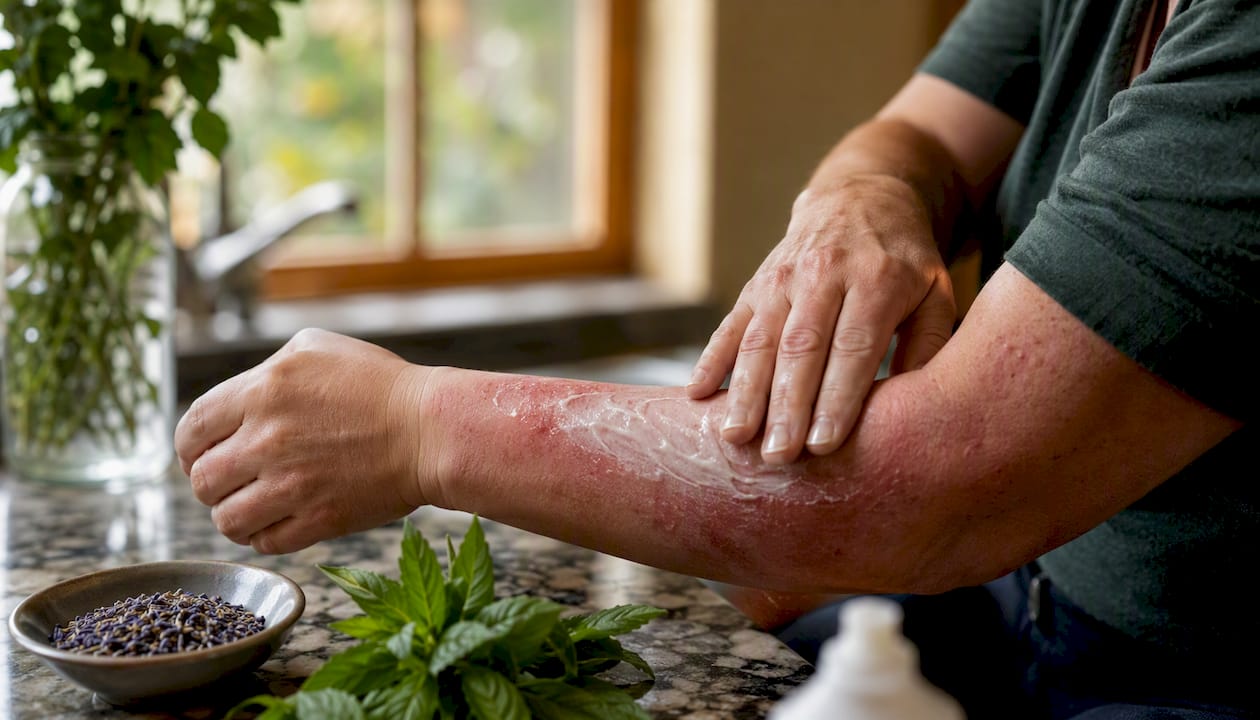
Capsaicin cream and patches work by depleting substance P, a neurotransmitter involved in pain signalling, from local nerve endings. OTC creams are applied several times daily; higher-concentration patches are prescription-only and applied in a clinical setting. Expect a burning sensation for the first few days of use — this is normal and usually settles. Benefit typically builds over two to four weeks of consistent use. Wash hands thoroughly after application and avoid contact with eyes or mucous membranes.
Lidocaine patches work differently: they block sodium channels in nerve fibres, reducing the frequency of pain signals. OTC lidocaine patches or creams can be applied directly to the painful area for up to 12 hours. They tend to work faster than capsaicin (often within an hour) and are better tolerated by people who find the capsaicin burn intolerable.
Heat and cold therapy are low-cost and immediately accessible. Warmth (a heat pad, warm bath) relaxes muscles, improves local circulation and can ease the aching component of nerve pain. Cold (an ice pack wrapped in a cloth) reduces inflammation and can numb acute burning sensations. The critical safety rule: never apply heat or cold directly to numb skin. Reduced sensation means you cannot reliably detect tissue damage from temperature extremes.
TENS (transcutaneous electrical nerve stimulation) units deliver mild electrical pulses through electrode pads placed on the skin. They are thought to work partly by activating the gate-control mechanism, which can reduce the intensity of pain signals reaching the brain. Sessions of 20–30 minutes are typical. TENS is generally safe but should not be used over broken skin, near the heart, or by people with pacemakers.
Key safety principle: Always patch-test a new topical on a small area of intact skin before wider application. Check for interactions with any prescription topicals or medications you are already using, and discuss with your pharmacist if you are unsure. Never apply any topical to broken, infected or inflamed skin.
Clinical guidance and patient-facing resources both highlight capsaicin and lidocaine as practical first-line topical options for localised neuropathic pain, noting that capsaicin’s transient burning is the main tolerability barrier.
Supplements and herbal remedies: evidence levels and safety checks
This is where the evidence is most varied. Some supplements have genuine trial data; others have plausible mechanisms but limited human evidence. Knowing the difference helps you prioritise.
Alpha-lipoic acid (ALA) has the strongest trial record among supplements for neuropathic pain. Randomised trials and systematic reviews report symptomatic benefit in diabetic neuropathy, with 600 mg per day being the most commonly studied oral dose. A 2025 network meta-analysis of 20 RCTs ranked ALA among the bioactive compounds associated with reduced pain scores compared with placebo, though the authors caution that heterogeneity across studies limits firm conclusions. ALA is generally well tolerated; nausea is the most common side effect at higher doses.
B vitamins are most relevant when deficiency is present. B12 deficiency is a direct cause of peripheral neuropathy and is common in older adults, vegans, and people taking metformin long-term. Correcting a deficiency can halt progression and, in some cases, partially reverse symptoms. B1 (thiamine) deficiency is associated with alcohol-related neuropathy. B6 is a double-edged supplement: modest doses may help, but chronic high-dose B6 supplementation (above 50 mg/day) can itself cause neuropathy.
Curcumin (from turmeric), ginger and other botanicals show anti-inflammatory and antioxidant activity in preclinical models. A comprehensive review of natural products found plausible mechanisms and some clinical evidence for reducing neuropathic pain symptoms across several plant extracts, including saffron and Artemisia species, though the quality and consistency of human trial data varies considerably. A separate botanical review similarly highlights antioxidant and neuroprotective pathways as likely mechanisms. Treat these as low-risk adjuncts rather than primary treatments.
Lavender oil, saffron and ginger have been examined in small clinical trials for pain relief, with some improvements in symptom scores reported. A botanical review notes these results are promising but that larger, well-designed RCTs are needed before strong recommendations can be made.
CBD (cannabidiol) has evolving evidence for neuropathic pain. The 2025 network meta-analysis noted cannabinoids among compounds ranked favourably on pain outcomes in selected RCTs, while emphasising the need for cautious interpretation. CBD interacts with the endocannabinoid system, which plays a role in modulating pain and inflammation. For further detail on CBD and nerve pain, including UK-specific guidance, Smokocbd’s educational resources are a useful starting point.
Omega-3 fatty acids have anti-inflammatory properties and some evidence of benefit in chemotherapy-induced neuropathy. Vitamin D deficiency is associated with increased pain sensitivity; supplementation is reasonable if levels are low, which is common in the UK. Magnesium plays a role in nerve conduction and may help with muscle cramps associated with neuropathy; evidence for pain reduction specifically is limited.
Interaction warning: Alpha-lipoic acid may enhance the effect of diabetes medications and increase the risk of hypoglycaemia. Curcumin and omega-3 supplements can potentiate anticoagulants such as warfarin. Some herbal extracts affect hepatic metabolism (CYP450 enzymes), which can alter the blood levels of other drugs. Always discuss new supplements with your GP or pharmacist before starting, particularly if you take prescription medications.
Evidence summary for key supplements:
- Alpha-lipoic acid: moderate to strong (diabetic neuropathy RCTs)
- B12/B1 correction: strong when deficiency is confirmed
- CBD: moderate, evolving (selected RCTs; caution on interactions)
- Curcumin, ginger, botanicals: limited clinical evidence; plausible mechanisms
- Omega-3, vitamin D, magnesium: limited to moderate; reasonable when deficient
For a deeper look at the best supplements for nerve pain, including dosing considerations, Smokocbd’s supplement guide covers the key options.
Physical and complementary therapies: what the evidence shows
Hands-on therapies work best when they are targeted to your specific presentation rather than applied generically.
Physiotherapy is the most evidence-supported physical therapy for neuropathic pain. A physiotherapist can prescribe exercises that address specific weaknesses, improve balance (reducing fall risk in people with foot neuropathy), and use manual techniques to reduce musculoskeletal pain that often coexists with nerve pain. Referral is available on the NHS, though waiting times vary; private physiotherapy is faster in most areas.
Acupuncture has mixed evidence for neuropathic pain specifically, but the risk profile is low when performed by a qualified practitioner. Some people report meaningful symptom reduction, particularly for chemotherapy-induced neuropathy. Look for practitioners registered with the British Acupuncture Council (BAcC) or a physiotherapist with additional acupuncture training. Ask at the first appointment about their experience with neuropathic presentations, expected frequency of sessions, and measurable goals.
Massage and manual therapy improve local circulation and reduce muscle tension, which often accompanies nerve pain. High-quality RCT evidence for massage reducing neuropathic pain directly is limited, but it is a reasonable adjunct for the musculoskeletal component and for general wellbeing. Avoid deep pressure directly over a numb or hypersensitive area.
Occupational therapy is underused but valuable, particularly when neuropathy causes weakness or coordination problems. An occupational therapist can recommend assistive devices (adapted cutlery, jar openers, grab rails), advise on activity modification, and help you maintain independence safely.
Practical access tips:
- Ask your GP for an NHS physiotherapy or occupational therapy referral at the same appointment where you discuss your neuropathy diagnosis.
- For acupuncture, check the BAcC register at the first point of contact.
- Ask any complementary therapist about their experience with nerve pain specifically, not just general pain.
- Set a measurable goal (for example, walking 500 metres without stopping) so you can assess whether sessions are helping after four to six weeks.
Mind-body approaches: coping skills that change how pain feels
Chronic nerve pain is not “just in your head,” but the brain is genuinely involved in how intensely pain is perceived. Mind-body techniques work by modulating central sensitisation, reducing the amplification of pain signals that occurs when the nervous system is chronically stressed.
Cognitive behavioural therapy (CBT) adapted for chronic pain is one of the best-evidenced psychological approaches. It helps you identify and change thought patterns that amplify pain (catastrophising, avoidance) and builds practical coping skills. Pain-focused CBT is available through NHS pain management programmes, though access varies by region. Online CBT programmes, such as those available through NHS Talking Therapies, are a practical alternative.
Mindfulness and relaxation reduce the stress response that tends to ramp up pain intensity. Even brief practices, such as a five-minute body scan or slow breathing exercise, can lower perceived pain in the moment. Over weeks of regular practice, mindfulness appears to reduce central sensitisation. Apps such as Headspace or Calm offer structured programmes, though free NHS-endorsed resources are also available.

Pacing is a practical skill that prevents the boom-and-bust cycle common in chronic pain: doing too much on a good day, then being unable to function for several days afterwards. The principle is to set a sustainable baseline of activity and increase it gradually, regardless of how you feel on any given day.
Sleep and stress management close the loop. Unmanaged stress elevates cortisol, which worsens inflammation and lowers pain thresholds. Addressing sleep (see the lifestyle section) and stress simultaneously with pain management produces better outcomes than treating them separately.
Pro Tip: Try this for two weeks: each morning, spend five minutes in slow breathing (four counts in, six counts out) before getting up. Each evening, do a brief body scan, noting where tension sits without trying to change it. Track your average pain score each morning. Most people notice a modest but real shift within 10–14 days.
When to see a GP: red flags and diagnostic checks
Natural approaches are appropriate for managing established, diagnosed neuropathic pain. They are not a substitute for medical assessment when new or worsening symptoms appear.
See a GP urgently (same day or A&E) if you notice:
- Rapidly progressive weakness in the legs or arms
- Loss of bladder or bowel control
- Sudden severe sensory loss across a large area
- Signs of infection (redness, swelling, fever) near a numb area
- Symptoms following a fall, injury or new medication
Routine checks your GP may arrange:
- Blood tests: serum B12, B1, fasting glucose and HbA1c, thyroid function, kidney and liver function, full blood count
- Medication review: several common drugs (metformin, some antibiotics, statins) can cause or worsen neuropathy
- Referral to neurology if the cause is unclear or symptoms are progressive
- Referral to a specialist pain service if symptoms are chronic and not responding to first-line measures
How to get more from your GP appointment: Bring a written symptom diary covering at least two weeks, your full medication list (including supplements), and a note of when symptoms started and what makes them better or worse. This information significantly speeds up the diagnostic process and reduces the chance of a cause being missed.
Realistic timelines and costs: what to expect
Setting realistic expectations prevents frustration and helps you stay consistent with approaches that take time to work.
Typical timelines:
- Topicals (capsaicin, lidocaine, heat/cold): minutes to hours for initial relief; capsaicin’s full benefit builds over two to four weeks of consistent use.
- Exercise and lifestyle changes: noticeable improvement in four to eight weeks; structural nerve recovery (where possible) takes months.
- Supplements (ALA, B vitamins): symptomatic benefit typically reported after four to twelve weeks in trials; B12 correction may show neurological improvement over three to six months.
- Mind-body techniques: modest pain reduction within two weeks of daily practice; meaningful functional improvement over eight to twelve weeks.
- Physiotherapy and acupuncture: most people need six to twelve sessions before assessing benefit.
Cost signals:
- Lifestyle changes (exercise, sleep hygiene, dietary adjustments): essentially free.
- OTC topicals (capsaicin cream, lidocaine patches): widely available at pharmacies and supermarkets; typically a few pounds per pack.
- Supplements: ALA, B vitamins and vitamin D are available at most health food shops and online; costs vary but are generally modest for standard doses.
- Physiotherapy: NHS referral is free but may involve a wait; private sessions typically cost £50–£80 per session.
- Acupuncture: not routinely available on the NHS for neuropathic pain; private sessions typically cost £40–£70.
- CBD tinctures: price varies by strength and brand; quality products with third-party lab testing sit at a higher price point but offer greater confidence in what you are taking.
A practical 4–8 week trial plan you can start this week
This plan stages the introduction of natural measures so you can identify what is actually helping rather than changing everything at once.
1. Baseline week (before you start) Record your average daily pain score (0–10), sleep quality (1–5), and activity minutes each day for seven days. Note which activities or times of day are worst. This is your reference point.
2. Weeks 1–2: lifestyle and topical foundation Begin daily gentle movement (20 minutes, five days per week). Apply your chosen topical (capsaicin cream or lidocaine patch) consistently to the affected area as directed. Start the five-minute morning breathing practice. Continue recording your daily metrics.
3. Weeks 3–4: add one supplement Introduce one supplement based on your situation: ALA (600 mg/day) if you have diabetic neuropathy, or a B12 supplement if your levels are low or borderline. Do not add multiple supplements simultaneously. Continue lifestyle and topical measures. Check in with your GP if you have not already done so.
4. Weeks 5–8: assess, adjust and consider adding a complementary therapy Review your pain diary. If your average pain score has dropped by two or more points, or your activity minutes have increased, the plan is working. If there is no change after four weeks of consistent effort, discuss with your GP before adding further supplements or changing approach. Consider booking a physiotherapy assessment or trying acupuncture during this phase.
Monitoring table:
Escalation rules: If pain worsens significantly, a new symptom appears, or you experience any red flag (see the GP section), stop the plan and seek medical review. If a supplement causes nausea, headache or any unusual symptom, stop it and consult your pharmacist.
Pro Tip: A two-point drop on a 0–10 pain scale is clinically meaningful, even if it does not feel dramatic. Modest, consistent improvement over eight weeks is a better signal than a dramatic short-term change that fades. Use that evidence to decide whether to continue, not how you feel on any single day.
Why a personalised, combined approach is what actually works
The most common mistake people make with nerve pain is treating it as a single condition with a single solution. Neuropathic pain is heterogeneous: the same burning sensation in the feet can stem from diabetes, a B12 deficiency, alcohol use, or an entirely different mechanism, and each responds differently to natural measures.
What this means in practice is that the person who gets dramatic relief from alpha-lipoic acid may see nothing from acupuncture, while their neighbour with post-herpetic neuralgia finds the opposite. Neither is wrong. The evidence base for natural approaches reflects this: research consistently shows that natural products perform best when integrated into a personalised, whole-person plan rather than used in isolation.
The value of the staged trial plan above is precisely this: it lets you gather your own evidence rather than guessing. Combine that with honest collaboration with your GP or a pain specialist, and you have a genuinely rational approach rather than a scattergun of supplements.
One more thing worth saying plainly: quality matters enormously with supplements and CBD. Third-party lab testing, clear labelling, and transparent sourcing are not marketing extras. They are the difference between taking what the label says and taking something unknown. Always check for independent verification before purchasing.
Smokocbd’s MINT 2000MG CBD tincture as part of your natural plan
If you have worked through the lifestyle, topical and supplement foundations and want to explore CBD as an adjunct, quality and transparency are the factors that matter most.

Smokocbd’s MINT 2000MG Broad Spectrum CBD Tincture is made from organically grown hemp, verified zero-THC by independent third-party lab testing, and designed for adults who want a high-strength option with clear dosing guidance. In a natural management plan, a broad-spectrum CBD tincture is typically used as an adjunct to lifestyle changes, topicals and coping strategies, not as a standalone treatment. Start low (a few drops under the tongue), hold for 60–90 seconds, and titrate gradually over one to two weeks while monitoring your pain diary.
Before starting CBD, discuss it with your GP or pharmacist, particularly if you take anticoagulants (warfarin, apixaban), antiepileptics, or sedatives. CBD is metabolised via CYP450 enzymes and can affect the blood levels of several prescription drugs. For evidence-based safety guidance on CBD for pain, Smokocbd’s dedicated resource covers the key interaction checks in plain language.
Sources
These sources underpin the guidance in this article and are worth consulting for deeper reading or to share with a clinician.
- Peripheral neuropathy - Treatment
- A comprehensive review on clinically proven natural products in the management of nerve pain, with mechanistic insights
- Systematic review and network meta‑analysis of the effects of bioactive compounds on pain intensity and quality of life in neuropathic pain patients
- A comprehensive review on clinically proven natural products in the management of nerve pain, with mechanistic insights - PMC
- Ncbi
This article provides general information and is not a substitute for professional medical advice. Always consult your GP or a qualified healthcare professional before starting new supplements, topical treatments or CBD products, particularly if you take prescription medications.