TL;DR:
- Choosing high-quality, third-party tested CBD with FSA approval ensures safety and efficacy.
- CBD tinctures offer fast, adjustable relief for pain, anxiety, and sleep support.
- Use CBD as a supplement alongside healthy habits, not a medical replacement, for best results.
Choosing a natural remedy for pain, anxiety, or poor sleep should feel empowering, not overwhelming. Yet the CBD market is crowded with conflicting claims, varying quality standards, and a fair amount of marketing noise that makes it genuinely difficult to know where to start. CBD interacts with the endocannabinoid system (ECS) via CB1 and CB2 receptors, indirectly modulating pain, anxiety, and sleep, but not all CBD products deliver on that promise equally. This guide cuts through the confusion by breaking down your best options based on safety, evidence, and real-world practicality for UK adults.
Table of Contents
- Choosing CBD for natural remedies: What to look for
- CBD oil tinctures: Versatile support for pain, anxiety and sleep
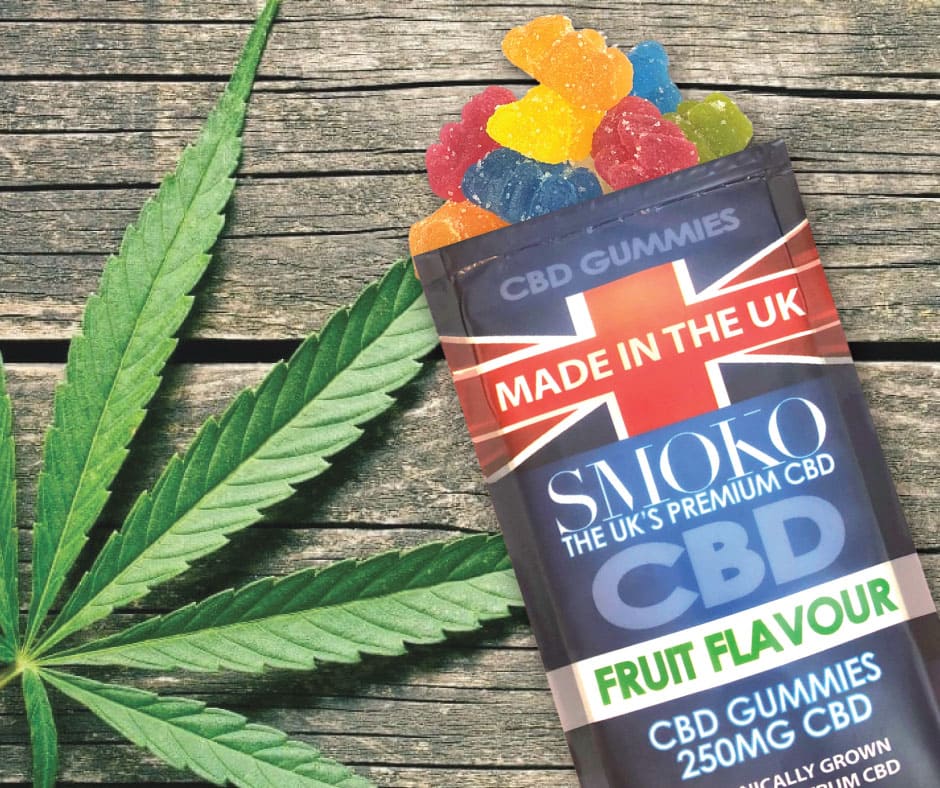
- CBD gummies and edibles: Natural remedy on-the-go
- CBD capsules and soft gels: Consistent, fuss-free dosing
- Comparison table: CBD remedies for UK wellness goals
- The real story: Hype, hope, and your best-use CBD approach
- Explore quality CBD products for your natural remedy routine
- Frequently asked questions
Key Takeaways
| Point | Details |
|---|---|
| Evidence-based criteria | Choose CBD products by legal status, FSA listing, and independent lab testing. |
| Multiple CBD formats | Oils, gummies, and capsules each suit different routines and wellness needs. |
| Start low, go slow | Begin with a low dose, monitor how you feel, and adjust cautiously if needed. |
| CBD is not a cure | Use CBD as part of a broad wellness strategy—consult your GP for ongoing use. |
| Mind potential risks | Watch for side effects and avoid CBD if you are pregnant, breastfeeding, or on certain medicines. |
Choosing CBD for natural remedies: What to look for
With a clear understanding of how CBD interacts with your body, let’s clarify what matters most when picking quality CBD for natural remedy use. Getting this right at the outset saves you both money and disappointment.
The first thing to understand is the legal and safety landscape. In the UK, CBD sold as a food supplement must contain less than 0.2% THC (the psychoactive compound found in cannabis). The Food Standards Agency (FSA) maintains a list of approved novel food applications, and buying from brands on that list is one of the strongest quality signals available to you. Products making specific medical claims, such as “treats arthritis” or “cures insomnia,” step outside supplement law and enter medicines territory, which requires MHRA authorisation. Reputable brands stay on the right side of this line.
On dosage, the FSA’s provisional acceptable daily intake (ADI) for healthy adults is 10mg CBD per day from supplements. The guidance also advises that certain groups should avoid CBD entirely, including pregnant or breastfeeding women, children, people who are immunosuppressed, and those on prescription medications. Following a CBD dosage guide helps you build up gradually without overshooting.
Here is a practical checklist to run through before purchasing:
- Third-party lab tested: Every batch should have a Certificate of Analysis (COA) from an independent laboratory confirming cannabinoid content and the absence of pesticides, heavy metals, and solvents.
- FSA novel food status: Check the FSA’s public list to confirm the brand has a valid application.
- Broad-spectrum or full-spectrum: Broad-spectrum contains multiple cannabinoids but zero THC; full-spectrum retains trace THC. If THC-free is important to you (for example, for workplace drug testing), choose broad-spectrum.
- Clear labelling: The product should state the exact amount of CBD in milligrams per serving, not just the total bottle content.
- Transparent sourcing: Organically grown hemp from verified sources reduces the risk of contaminant exposure.
- No extravagant health claims: Any brand promising a “cure” is a red flag.
Pro Tip: Start at 5mg per day for the first week and increase by 5mg increments every five to seven days. This gives your body time to adjust and helps you identify the minimum effective dose for your specific wellness goal.
CBD oil tinctures: Versatile support for pain, anxiety and sleep
Once clear on what to look for, we start with the most popular delivery format: CBD oil tinctures. These are the go-to choice for a reason, and understanding why helps you decide if they suit your routine.
CBD oil tinctures work by sublingual absorption. You place a few drops under your tongue, hold for 60 to 90 seconds, and the capillaries in the mouth absorb the CBD directly into the bloodstream. This bypasses the digestive system, which means effects can be felt within 15 to 45 minutes rather than the hour or more required by edibles. It also means dosing is flexible, you simply adjust the number of drops.
For pain specifically, CBD’s anti-inflammatory effects include muscle relaxation and modulation of nociceptive signals through ECS activation. In plain terms, CBD may help tone down the body’s pain-signalling pathways. This is particularly relevant for people managing chronic discomfort, joint stiffness, or muscular tension, where gentle, consistent intervention is more useful than a powerful one-off dose. You can explore more on the science in our guide to CBD for pain relief.
For anxiety, tinctures are valued for their speed. If you feel a wave of tension building before a difficult meeting or a poor night’s sleep, a sublingual dose can offer relatively quick support. For sleep, many users take their evening dose 30 to 60 minutes before bed to help ease mental chatter and physical restlessness. When choosing a tincture, look for a broad-spectrum formula in an MCT (medium-chain triglyceride) oil base. MCT oil is well-tolerated, flavourless in small amounts, and improves CBD bioavailability.
On the legal status of CBD tinctures in the UK: they are perfectly legal as food supplements provided the THC content is below 0.2% and the product holds FSA novel food authorisation. No prescription is needed.
Key pros and cons of CBD tinctures at a glance:
- Pros: Fast-acting; highly flexible dosing; effective for pain, anxiety, and sleep; broad format compatibility with most lifestyles
- Cons: Earthy taste not for everyone; measuring drops requires some attention; can be inconvenient on-the-go; needs to be held under tongue for full effect
“CBD is not a magic switch, but tinctures give you the closest thing to a dial you can control yourself. The sublingual route lets you adjust and respond in a way that other formats simply cannot match.”
For a broader look at how CBD supports everyday wellness beyond pain and sleep, our overview of CBD wellness uses is a helpful starting point.
CBD gummies and edibles: Natural remedy on-the-go
CBD oils are not for everyone. Some people dislike the taste, others find measuring drops impractical during a busy day. Let’s assess the strengths and caveats of edibles such as gummies.
CBD gummies are pre-dosed, portable, and frankly enjoyable to take. Each gummy contains a fixed amount of CBD, typically between 10mg and 25mg, which removes any guesswork around measuring. For people managing everyday anxiety or mild stress, the ritual of taking a gummy at a set time each day also builds a useful wellness habit. They are equally popular as a gentle sleep aid taken an hour before bed, particularly for those who find falling asleep difficult due to a racing mind rather than physical pain.

One important distinction: edibles take longer to work. Because they pass through the digestive system, you should expect effects anywhere from 45 minutes to two hours after taking them. The upside is that the effects also tend to last longer, often four to six hours, which can be particularly useful for sustained relief during the day or through the night. Think of it as a slow burn rather than a sharp spike.
The quality conversation matters even more with gummies because many cheaper products use CBD isolate (a single compound stripped of supporting cannabinoids) and are loaded with sugar. Choosing a product made with broad-spectrum hemp extract and a reasonable sugar content ensures you are getting more of the plant’s natural benefits alongside the CBD itself.
A note on supporting specific goals: for anxiety-related use, our deep-dive on CBD for anxiety covers how CBD may influence serotonin receptor activity. For inflammation-related discomfort, the CBD inflammation support guide explains the relevant mechanisms clearly.
It is also worth knowing the risk profile. Research highlights that CBD may interact with medications via CYP450 enzyme inhibition (the same pathway grapefruit affects), and can cause fatigue, diarrhoea, or elevated liver enzymes in some users. These are not reasons to avoid CBD, but they are reasons to proceed with awareness.
Key considerations for gummies:
- Best for: Routine anxiety management, mild pain, sleep support, and those who want consistent, predictable dosing without measuring
- Watch for: Delayed onset (don’t double-dose if you feel nothing after 30 minutes), hidden sugars, low-quality isolate formulas, and potential medication interactions
Pro Tip: Take your CBD gummy with a small amount of fat-containing food, such as a handful of nuts or a piece of avocado toast. CBD is fat-soluble, and even a modest amount of dietary fat can meaningfully improve how much CBD your body actually absorbs.
CBD capsules and soft gels: Consistent, fuss-free dosing
For those who value simplicity, soft gels and capsules offer another route to reliable wellness support. Here’s where they fit in a natural remedies list.
Capsules and soft gels are arguably the most straightforward CBD format available. Each capsule contains a precisely measured dose encased in a shell, meaning there is no taste, no measuring, and no preparation. You take it just as you would any other supplement, with a glass of water. This makes them particularly well-suited to people who already have an established supplement routine and simply want to add CBD without disruption.
Real-world evidence supports the value of consistent, regular CBD use over time. UK registry data shows improvements in pain, anxiety, and sleep scores (measured using validated tools such as the BPI for pain, GAD-7 for anxiety, and SQS for sleep quality) across one to twelve months of use in individuals with chronic conditions. This is not a claim that capsules alone deliver these results, but it does reinforce that sustained, measured dosing, which capsules make easier, is where much of the real-world benefit is observed.
Here is when soft gels and capsules work best:
- Regular pain management: If you are managing persistent discomfort, a daily capsule taken at the same time each day builds steady CBD levels in your system over time.
- Anxiety routines: For generalised anxiety rather than acute episodes, a daily capsule fits naturally into a morning or evening routine.
- Sleep consistency: Taking a capsule an hour before bed each night creates a predictable routine your body can learn to associate with winding down.
- Sensitive palates or dietary needs: Capsules are tasteless and can be formulated to suit vegan, gluten-free, or allergen-specific requirements.
“Consistency is where CBD truly earns its place in a wellness routine. Capsules make that consistency effortless, removing every barrier that might cause someone to skip a day.”
For a wider look at how capsules fit alongside other CBD formats, our CBD supplement list UK provides a useful comparison of options currently available in 2026.
Comparison table: CBD remedies for UK wellness goals
To help you decide what fits your lifestyle or remedy goal, here’s a simple comparison table of the main CBD options.
According to FSA guidance, regardless of format, the priority should always be low-dose, third-party tested, FSA-listed products, especially for new users.
| Feature | CBD tinctures | CBD gummies | CBD capsules/soft gels |
|---|---|---|---|
| Onset time | 15 to 45 minutes | 45 minutes to 2 hours | 45 minutes to 2 hours |
| Duration | 2 to 4 hours | 4 to 6 hours | 4 to 6 hours |
| Dosing flexibility | High (adjustable drops) | Fixed per gummy | Fixed per capsule |
| Taste | Earthy (can be flavoured) | Pleasant | None |
| Portability | Moderate (bottle and dropper) | Excellent | Excellent |
| Best for pain | ✓✓✓ | ✓✓ | ✓✓ |
| Best for anxiety | ✓✓✓ | ✓✓✓ | ✓✓ |
| Best for sleep | ✓✓✓ | ✓✓✓ | ✓✓✓ |
| Beginner-friendly | Moderate | High | High |
| THC-free options | Yes (broad-spectrum) | Yes (broad-spectrum) | Yes (broad-spectrum) |
The table makes clear that no single format is objectively superior. Tinctures win on speed and flexibility; gummies and capsules win on convenience and ease. Your choice depends on your specific wellness goal, lifestyle, and personal preference.
The real story: Hype, hope, and your best-use CBD approach
A side-by-side comparison is helpful, but taking a step back reveals a more nuanced reality worth considering before using CBD for natural wellness.
Here is what we genuinely believe at SMOKO CBD, and it may surprise you coming from a CBD brand: CBD is not a miracle cure. The anecdotal evidence is genuinely compelling, and we hear from customers every week who describe meaningful improvements in their sleep, their ability to manage daily pain, and their general sense of calm. Those stories matter. But the scientific consensus is still forming. Randomised controlled trials are limited, and much of the current hype outpaces the peer-reviewed evidence.
This does not mean you should avoid CBD. It means you should approach it with realistic expectations, as a supportive adjunct to a broader wellness lifestyle rather than a replacement for medical care. Good sleep hygiene, regular movement, stress management, and a balanced diet remain foundational. CBD works best alongside these habits, not instead of them.
The bigger risk in the CBD space is not CBD itself. It is the proliferation of poorly made, unlabelled, or misleading products that deliver inconsistent results and erode trust. Choosing reputable, legally compliant brands with transparent lab testing is the single most important decision you can make. Beyond that, if you take prescription medication, the NHS advises consulting your GP before adding CBD to your routine. At higher doses, liver enzyme monitoring may also be appropriate. These are sensible precautions, not reasons for alarm.
The uncomfortable truth is that the CBD industry, like many wellness industries, has attracted bold claims that data does not always support. The best approach is to stay curious, stay sceptical of extravagant promises, and let your own careful, low-dose experience guide you forward.
Explore quality CBD products for your natural remedy routine
Having examined the options, here are trusted UK-based choices if you wish to explore high-quality, lab-tested CBD in your natural wellness routine.
At SMOKO CBD, every product is made with organically grown, broad-spectrum hemp extract and verified by independent third-party laboratories to ensure zero THC levels. Whether you are drawn to the fast-acting flexibility of our mint CBD oil, the measured convenience of our CBD gummies, or the fuss-free consistency of our CBD soft gels, each option is designed to fit naturally into your wellness routine. Browse the full range and find the format that suits your goals best.
Frequently asked questions
Is CBD legal to use as a natural remedy in the UK?
Yes, CBD is legal as a food supplement if it contains less than 0.2% THC and holds FSA novel food authorisation. No prescription is required.
How much CBD should I take for natural wellness?
The FSA recommends starting with 5 to 10mg per day for healthy adults and not exceeding 10mg daily from supplements unless under medical supervision.
What are the main side effects when using CBD?
CBD may cause fatigue, diarrhoea, or interact with certain medications, and can raise liver enzymes at higher doses, so starting low is essential.
Can CBD help with sleep improvement?
CBD may reduce sleep latency and improve overall sleep quality by addressing underlying anxiety and physical discomfort that disrupt rest.
Should I consult a doctor before adding CBD to my routine?
Yes, particularly if you take prescription medication, are pregnant, or have an underlying health condition, as NHS guidance advises checking with your GP first.