TL;DR:
- A CBD wellness routine involves daily, consistent use of cannabidiol products tailored to specific health goals like anxiety, pain, or sleep. Patience and adherence over at least four weeks are essential, with product format and dosage adjusted gradually to optimize effects. Incorporating CBD into existing habits through habit stacking enhances consistency and overall effectiveness.
A CBD wellness routine is a structured daily practice of using cannabidiol products, such as tinctures, gummies, or topicals, to support specific health goals including anxiety relief, pain management, and improved sleep. The term “CBD wellness routine” is the widely used consumer phrase, while the clinical framing is cannabidiol supplementation protocol. Both describe the same thing: consistent, intentional CBD use built around your body’s endocannabinoid system. The best examples of CBD wellness routines share three features: a clear health goal, a suitable product format, and a commitment to daily use over at least four weeks. This guide gives you practical, research-backed routines to follow straight away.
1. Daily CBD routines for anxiety relief
Anxiety is the most common reason adults turn to CBD, and the evidence supports this choice. CBD targets 5-HT1A serotonin receptors, producing a calming effect comparable to some pharmaceutical anxiolytics but without the dependency risk. This mechanism is why many users notice a genuine shift in their baseline mood rather than a sedative “switched off” feeling.
A practical anxiety-focused routine looks like this:
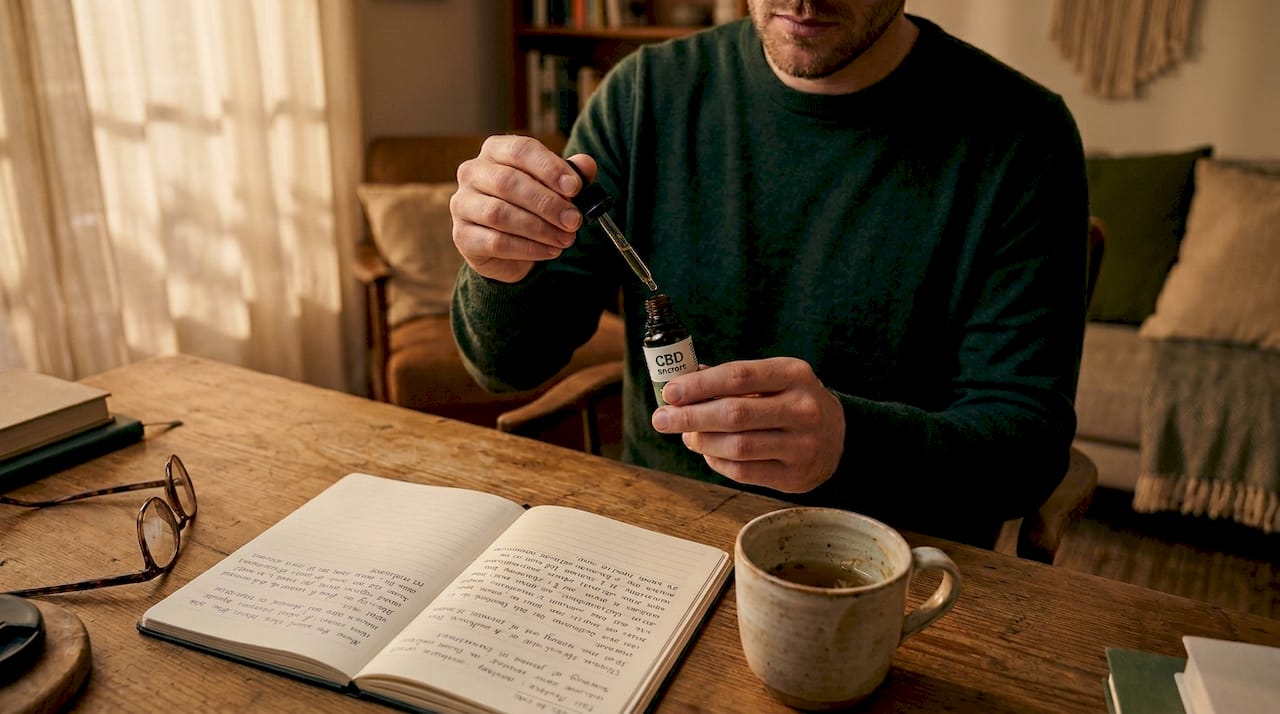
- Morning dose (25 mg): Take a CBD oil tincture sublingually 20 minutes before breakfast. Hold it under the tongue for 60 to 90 seconds before swallowing to maximise absorption.
- Midday top-up (optional, 10 to 25 mg): A CBD gummy taken with lunch works well for sustained afternoon calm without any preparation.
- Mindfulness pairing: Combine your morning dose with five minutes of box breathing or a short meditation. CBD and breathwork target overlapping physiological pathways, making the combination more effective than either alone.
79% of adults with anxiety reported meaningful improvement after daily CBD use at 25 to 75 mg for one month. That figure tells you two things: the dose range is accessible, and patience is required. Most people do not feel a dramatic shift in week one.
Pro Tip: Start with a single product at a fixed dose for seven days before changing anything. Adjusting dose and format simultaneously makes it impossible to know what is actually working.
For a more detailed step-by-step framework, the CBD for anxiety guide from Smokocbd walks through timing and product selection in full.
2. CBD routines for managing chronic pain and inflammation
Pain management routines require a different approach because the goal is consistent symptom control throughout the day, not a single moment of relief. CBD modulates pain through TRPV1 receptors, reduces neuroinflammation, and suppresses peripheral inflammation, with typical doses for chronic pain ranging from 50 to 150 mg daily. That is a wider range than anxiety protocols, reflecting the variation in pain types and individual tolerance.
A structured pain-management routine combines oral and topical delivery:
- Morning oral dose (25 to 50 mg): A broad-spectrum tincture taken sublingually provides systemic anti-inflammatory support throughout the day.
- Topical application (as needed): Apply a CBD balm or cream directly to the affected joint or muscle group after your morning dose. Topicals do not enter the bloodstream but act locally on peripheral receptors, making them ideal for targeted relief.
- Evening oral dose (25 to 75 mg): A second oral dose before dinner maintains consistent plasma levels overnight, which matters for conditions like arthritis that worsen with inactivity.
- Post-exercise application: If you exercise, apply a topical product to worked muscles within 30 minutes of finishing. This window aligns with peak inflammatory activity in the tissue.
Key points to keep in mind:
- Split your daily dose into two or three smaller doses rather than one large one. This keeps CBD levels steadier in the body.
- Track your pain score on a simple 1 to 10 scale each morning. Without a baseline, it is difficult to judge whether the routine is working.
- Allow four weeks before concluding the routine is ineffective. The endocannabinoid system requires sustained supplementation over two to four weeks before measurable effects emerge.
3. How to use CBD in a nightly routine for better sleep
Sleep routines are where timing becomes the most critical variable. CBD does not induce sleep directly. Instead, it reduces the cortisol and anxiety that prevent sleep from arriving naturally. This distinction matters because it sets realistic expectations: CBD will not knock you out, but it can quiet the mental noise that keeps you awake.
Pro Tip: Take your evening CBD dose 45 to 60 minutes before your intended sleep time. Taking it immediately before bed reduces its effectiveness because peak blood concentration has not yet been reached.
66% of participants reported improved sleep quality after one month of consistent daily CBD use. Consistency is the operative word here. A single dose the night before a stressful meeting will not produce the same result as four weeks of nightly use.
Here is a comparison of two common evening approaches:
| Approach | Product | Timing | Best suited for |
|---|---|---|---|
| Sublingual tincture | Broad-spectrum CBD oil | 45 to 60 minutes before bed | Faster onset, precise dosing |
| CBD gummy | Pre-measured gummy (10 to 25 mg) | 60 to 90 minutes before bed | Convenience, slower sustained release |
Pairing CBD with a wind-down ritual amplifies the effect. A warm bath with magnesium salts followed by a CBD tincture dose and 10 minutes of reading (not scrolling) creates a consistent pre-sleep signal for the nervous system. Unlike prescription sleep aids, CBD does not suppress REM sleep, meaning you wake up feeling genuinely rested rather than groggy. For a full step-by-step protocol, Smokocbd’s CBD sleep routine guide covers timing, dosing, and product selection in detail.
4. CBD wellness routine ideas for busy adults
The most common reason people abandon CBD routines is not scepticism. It is friction. If a routine requires preparation, measuring, or remembering multiple steps, it will not survive a hectic week. The solution is to attach CBD use to habits you already have.
Practical low-effort approaches:
- CBD gummies with your morning vitamins: Gummies offer pre-measured doses and require no preparation, making them the most portable and consistent format for daily use. Keep them next to your vitamin D or fish oil so the habit stacks naturally.
- Tincture with your morning coffee ritual: Add a sublingual dose while the kettle boils. The 60 to 90 second hold time fits neatly into the pause before pouring.
- Post-workout topical: If you train regularly, a CBD balm applied after stretching adds targeted recovery support without adding time to your routine.
- Evening gummy with your herbal tea: Pairing a CBD gummy with chamomile or valerian tea creates a compound relaxation signal that is greater than either alone.
The key principle is habit stacking: attaching a new behaviour to an existing one. This is how CBD daily wellness practices become automatic rather than effortful. You do not need a complicated programme. You need a consistent trigger.
5. Comparing CBD wellness routines by goal and lifestyle
Choosing the right routine depends on two factors: your primary health goal and how much complexity you are willing to manage. The table below summarises the main options.
| Goal | Recommended format | Daily dose range | Complexity | Best for |
|---|---|---|---|---|
| Anxiety relief | Tincture or gummy | 25 to 75 mg | Low to moderate | Beginners and experienced users |
| Chronic pain | Tincture plus topical | 50 to 150 mg | Moderate | Experienced users or those with guidance |
| Sleep improvement | Tincture or gummy (evening only) | 25 to 75 mg | Low | All users |
| General wellness | Gummy (morning) | 10 to 25 mg | Very low | Beginners |
Sublingual CBD offers higher bioavailability at 20 to 35% compared to oral ingestion with food, which means tinctures deliver more active compound per milligram than gummies. For beginners, gummies win on simplicity. For those managing moderate to severe symptoms, tinctures offer more precise control. Broad-spectrum products, which contain multiple cannabinoids but no THC, provide stronger effects than isolates due to the entourage effect, where cannabinoids work together more effectively than any single compound alone. Smokocbd’s products are all broad-spectrum and third-party lab tested, which removes the guesswork around quality.
Key takeaways
Effective CBD wellness routines require consistent daily use over at least four weeks, a product format matched to your health goal, and a dose strategy that builds gradually rather than jumping straight to high amounts.
| Point | Details |
|---|---|
| Consistency over four weeks | The endocannabinoid system needs sustained supplementation before measurable benefits appear. |
| Match format to goal | Tinctures suit precise dosing for pain and anxiety; gummies suit convenience and sleep. |
| Start low, adjust slowly | Begin at 25 mg daily and adjust after seven days of consistent use at the same dose. |
| Pair with complementary habits | Combining CBD with breathwork, exercise, or a wind-down ritual amplifies the effect. |
| Broad-spectrum outperforms isolate | Multiple cannabinoids working together produce stronger results than CBD alone. |
Why patience is the part most people skip
I have spoken with a lot of people who tried CBD for two weeks, felt nothing dramatic, and concluded it did not work. Almost every time, the issue was not the product. It was the timeline. The endocannabinoid system does not respond to CBD the way paracetamol responds to a headache. It builds a stable baseline over time, and that process genuinely takes four weeks of consistent dosing to produce a measurable shift.
The other mistake I see constantly is changing too many variables at once. Someone switches from a gummy to a tincture, doubles their dose, and starts taking it at a different time of day, all in the same week. Then they cannot tell what changed anything. My honest recommendation: pick one product, one dose, one time of day, and hold that for seven days before touching anything. It feels slow. It works.
What I find genuinely interesting about CBD wellness practices is that the people who get the most from them are not the ones chasing the highest dose. They are the ones who treat it like any other health habit: boring, consistent, and paired with other things that actually support their body. CBD is not a shortcut. It is a tool that works best when you give it time and context.
— Mike
Start your CBD wellness routine with Smokocbd
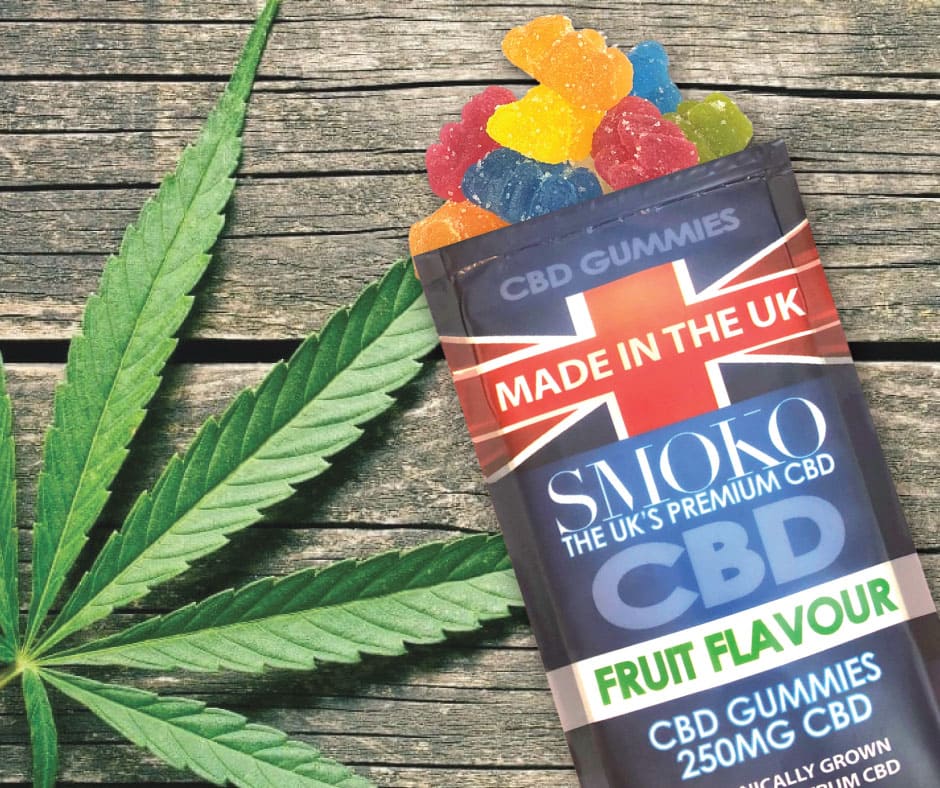
Smokocbd makes it straightforward to build a daily CBD routine that actually fits your life. The 1000 mg broad-spectrum CBD tincture is third-party lab tested, THC-free, and made from organically grown USA hemp, giving you precise control over your daily dose whether you are managing anxiety, pain, or sleep. For a simpler approach, the CBD gummy bears deliver 25 mg per gummy in a pre-measured, portable format that stacks easily into any morning or evening habit. Both products are designed for consistent daily use, which is exactly what the evidence supports.
FAQ
What is a CBD wellness routine?
A CBD wellness routine is a structured daily practice of taking cannabidiol products at consistent doses and times to support a specific health goal such as anxiety relief, pain management, or improved sleep. The most effective routines combine a suitable product format with complementary habits like mindfulness or exercise.
How long before a CBD routine starts working?
Most people notice meaningful effects after two to four weeks of consistent daily use, because the endocannabinoid system requires sustained supplementation to build a stable baseline. Single or occasional doses rarely produce the same results as a committed daily routine.
What dose of CBD should I start with?
A starting dose of 25 mg daily is appropriate for most adults addressing anxiety or sleep concerns, while chronic pain routines typically require 50 to 150 mg daily split across two or three doses. Always hold a fixed dose for seven days before adjusting upward.
Are CBD gummies or tinctures better for a daily routine?
Tinctures offer higher bioavailability at 20 to 35% and more precise dosing, making them better for managing specific symptoms. Gummies are pre-measured and require no preparation, making them the more practical choice for busy adults or those new to CBD wellness practices.
Can I combine CBD with other wellness practices?
CBD pairs well with breathwork, meditation, exercise, and sleep hygiene practices, and the combination typically produces stronger results than CBD alone. Pairing your dose with an existing habit, such as morning vitamins or an evening herbal tea, also improves consistency.