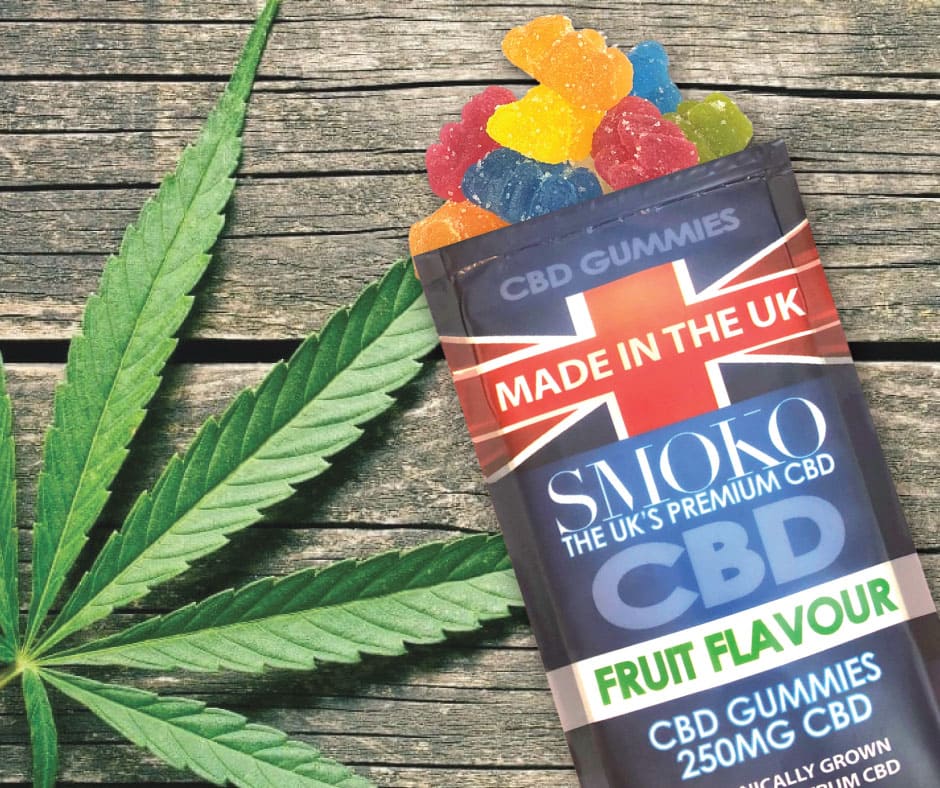
For anxiety and most pain-related discomfort, CBD has the stronger human evidence and the clearer UK safety framework. CBN is marketed heavily for sleep, but the trial data, while promising, remains thin. Whichever you choose, check your current medications first: cannabinoids can interact with several prescription drugs, and the UK’s Food Standards Agency sets a provisional safe limit of 10 mg a day for high-purity CBD.
TL;DR:
- CBD has a broader and more established evidence base for anxiety, pain, and epilepsy, supported by regulatory safety limits and multiple trial types.
- CBN shows promising sleep benefits based on one notable trial, but lacks extensive research and has more variability in product quality due to its different sourcing process.
- Both cannabinoids are generally non-intoxicating, with CBN often described as more sedating, especially at doses used in sleep studies.
- Users should start with low doses, verify cannabinoid content through third-party testing, and be cautious about drug interactions with medications processed by liver enzymes.
- The supply chain and raw material differences mean CBD products tend to be more consistent, while CBN products may vary more between batches and brands.
Table of Contents
- CBD vs CBN: what CBD actually does
- What is CBN, and does it deserve the sleep hype?
- CBD vs CBN: where they overlap and where they split
- How to take CBD and CBN safely
- What are the risks and drug interaction concerns?
- What does the strongest research actually show?
- Sourcing and extraction: why the raw material matters
- A grounded take on the CBD vs CBN debate
- Sources
- FAQ
CBD vs CBN: what CBD actually does
CBD, or cannabidiol, is the non-intoxicating cannabinoid most people already associate with wellness products. It doesn’t produce a “high,” but it does interact with the endocannabinoid system, the network of receptors that helps regulate mood, pain signalling and sleep cycles. Think of it as a dial, not a switch: CBD tends to nudge these systems back towards balance rather than forcing a dramatic shift.
The evidence base here is broader than for most other cannabinoids. Clinical trials have looked specifically at CBD for anxiety, with encouraging results in several studies, and there’s a smaller but real body of research on pain-related applications. If you’re taking seizure medication, this matters even more directly: CBD’s best-studied use remains as a licensed treatment for certain epilepsy syndromes, which is partly why its safety profile has been scrutinised so closely.
Common ways people use CBD include:
- Sublingual oils and tinctures — faster onset, typically 15 to 45 minutes, held under the tongue.
- Gummies and soft gels — slower onset (up to two hours) because they pass through digestion first, but longer-lasting effects.
- Topical creams — localised relief, no systemic absorption.
- Vapes and inhalables — fastest onset, shortest duration.
Always check for a Certificate of Analysis (COA) confirming zero or negligible THC. It’s the clearest sign a supplier tests what it sells.
What is CBN, and does it deserve the sleep hype?
CBN, or cannabinol, isn’t grown in abundance the way CBD is. It mostly forms when THC degrades through oxidation and exposure to light or heat, which means high-purity CBN is scarcer and often costs more to produce than broad-spectrum CBD extracts. That scarcity is a big part of why CBN products tend to be more specialised, and sometimes pricier, than standard CBD lines.
The marketing around CBN centres almost entirely on sleep, and there’s now a real trial behind that claim, not just anecdote. A randomised, placebo-controlled study of CBN softgels dosed at 25 to 100 mg found measurable improvements in sleep quality compared with placebo, roughly matching results seen with 4 mg of melatonin. Side effects were mild and similar to placebo.
That’s a genuinely useful data point, but it’s one trial, not a mountain of replicated research. A few things worth knowing:
- CBN appetite effects are widely claimed but far less studied than its sleep effects.
- Doses in trials ranged from 25 to 100 mg, well above typical CBD serving sizes.
- Combining CBN with other minor cannabinoids hasn’t shown extra benefit over CBD or melatonin alone in controlled testing.
Treat sleep claims for CBN as promising and worth testing cautiously, not as settled science.
CBD vs CBN: where they overlap and where they split
Both cannabinoids get pitched for relaxation and better rest, and both show up in oils, gummies and softgels. That’s roughly where the similarities end.
- Evidence strength. CBD has trial data across anxiety, some pain conditions and, via prescription formulations, epilepsy. CBN’s evidence is narrower, mostly limited to sleep, and built on far fewer studies.
- Psychoactivity and sedation. Neither is intoxicating in the way THC is, but CBN is often described as more sedating at the doses tested in sleep trials, whereas CBD’s effect is subtler and more variable person to person.
- Availability. CBD dominates the market because hemp naturally contains more of it. CBN is rarer and usually appears in dedicated sleep formulations rather than general-purpose extracts.
- Combining them. Products blending CBD, CBN and other minor cannabinoids are common, but the trial evidence on these combinations hasn’t shown a clear advantage over CBD or melatonin alone, which makes it hard to know which ingredient, if any, is doing the work.
Use CBD if your main concern is anxiety, general discomfort or day-to-day unease. Use CBN if sleep is your specific target and you’ve already tried the basics.
How to take CBD and CBN safely
Form choice affects both speed and duration. Sublingual oils act fastest (15 to 45 minutes) but wear off sooner. Gummies and soft gels take longer to kick in, sometimes up to two hours, yet tend to last longer once absorbed. Topicals stay local and never reach the bloodstream in meaningful amounts.
Before buying anything, check the product’s COA. It should confirm the cannabinoid content matches the label and that THC sits at or below the legal trace threshold.
- Start with a low dose and hold it for at least a week before increasing.
- Take CBD or CBN at a consistent time each day so you can judge the effect properly.
- Avoid stacking multiple CBD products (oil plus gummies plus a topical), since totals add up quickly.
- Check the FSA’s provisional ADI of 10 mg/day for high-purity CBD before setting your dose.
Pro Tip: Keep a simple sleep or symptom diary for the first two weeks. It’s the easiest way to tell whether a cannabinoid is genuinely helping or whether you’d have felt the same anyway.
What are the risks and drug interaction concerns?
Cannabinoids are metabolised through the liver’s CYP450 enzyme pathways, the same system that processes a long list of common prescription medicines. That shared pathway is where most of the real risk sits.
A systematic review of cannabinoid drug interactions documents clinically relevant effects with warfarin, antiepileptic drugs and immunosuppressants such as tacrolimus. Getting this wrong isn’t a minor issue: interactions with narrow-therapeutic-index drugs like these can shift blood levels enough to cause real harm.
- People on blood thinners, antiepileptics or immunosuppressants should speak to a pharmacist before starting.
- Regulatory guidance advisesisolate-RP349) pregnant or breastfeeding women, children and immunosuppressed people to avoid CBD products.
- Mention any cannabinoid use before surgery, since anaesthetists need the full medication picture.
- If you notice unusual fatigue, digestive upset, or mood changes, stop and check with a GP.
What does the strongest research actually show?
The FSA’s safety review is the most consequential piece of evidence for UK consumers, because it’s what set the provisional ADI of 10 mg/day for high-purity CBD, based on liver and thyroid signals observed in existing studies.
For CBN, the randomised TruCBN™ trial is the standout piece of evidence: doses of 25 to 100 mg improved sleep disturbance scores against placebo, landing roughly in line with 4 mg melatonin.
The trial’s core finding is straightforward: CBN outperformed placebo for sleep quality, and its effect sat in the same range as a standard melatonin dose, with side effects no worse than placebo.
What would change practice? Larger, independently funded CBN trials with longer follow-up, and more real-world interaction data for people mixing cannabinoids with common prescriptions.
Sourcing and extraction: why the raw material matters
CBD’s abundance in hemp makes broad-spectrum extraction relatively straightforward: growers cultivate hemp strains bred for high cannabidiol content, then use methods like CO2 or ethanol extraction to pull the compound out alongside other beneficial plant compounds, while filtering THC down to trace levels.
CBN works differently because it barely exists in fresh hemp. It’s produced when THC breaks down, ages, and oxidises, so manufacturers either source aged plant material or use isolated CBN concentrates and add them back into a formulation deliberately. That’s a meaningfully different supply chain: it requires either patience (letting biomass age under controlled conditions) or additional processing steps to concentrate CBN from smaller starting quantities.

This difference shows up in the finished product. Broad-spectrum CBD oils and gummies draw on a relatively consistent, scalable hemp supply, which tends to support more predictable pricing and batch consistency when a brand runs proper third-party testing. CBN products, by contrast, often carry more batch-to-batch variation, simply because the raw material itself isn’t uniform.
None of this makes CBN inferior. It does mean shoppers should expect more variability between brands and batches, and should weigh a COA even more carefully, since the extraction path for CBN has more steps where things can go wrong.
A grounded take on the CBD vs CBN debate
The honest read is that CBD earns its reputation through repetition: multiple trials, multiple indications, a regulatory body willing to set a specific daily limit. CBN earns attention through one solid trial and a lot of marketing momentum. Both are worth trying cautiously if you’re on no other medication; if you are, talk to a pharmacist first, start low, and favour products with a clear COA.
— Mike
This article is general information, not a substitute for advice from a qualified doctor. Consult a qualified healthcare professional about your own circumstances before acting on anything here.
Sources
- Safety assessment of cannabidiol (CBD) as a novel food for use in food and food supplements (RP521)
- A randomised, double‑blind, placebo‑controlled trial to assess the effectiveness and safety of melatonin and three formulations of Floraworks proprietary TruCBN™ for improving sleep
- Systematic review of drug–drug interactions of delta‑9‑tetrahydrocannabinol, cannabidiol, and Cannabis
FAQ
Is CBN More Powerful Than CBD?
Not in a strict sense. CBN tends to be more sedating at the doses used in sleep trials, but CBD has the broader evidence base across anxiety, some pain conditions and, in licensed form, epilepsy. “Powerful” depends entirely on which effect you’re after.
What Does CBN Make You Feel Like?
Users in the TruCBN™ trial reported improved sleep quality with mild, placebo-comparable side effects, generally described as gentle drowsiness rather than a strong sedative hit. Individual response varies with dose and body weight.
Is CBN Safe to Take Every Night?
Nightly use has only been studied over relatively short trial periods, so long-term nightly safety isn’t firmly established yet. Anyone on prescription medication should check for CYP450 drug interactions before making it a routine.
Is CBN Hard on the Liver?
Large-scale liver safety data specific to CBN is limited, unlike CBD, where liver and thyroid signals directly informed the FSA’s provisional ADI of 10 mg/day. Until more CBN-specific data exists, caution and low doses are the sensible default, especially for anyone with existing liver concerns.