Most of what people feel from CBD for anxiety, pain and sleep overlaps heavily with what a sugar pill produces in the same trials, according to a balanced placebo design study and a 30-day randomised trial. The clear exception sits with pharmaceutical-grade CBD (Epidiolex) for specific childhood epilepsy syndromes, where the evidence is far stronger. The caveat that matters most: dosing and product quality vary so wildly between studies and shop shelves that “does CBD work” rarely has one answer.
TL;DR:
- Most over-the-counter CBD products contain doses too low to produce the pharmacological effects seen in clinical trials using 160mg to 1,200mg daily.
- The placebo effect plays a significant role in reported improvements in anxiety, pain, and sleep, often matching active CBD when doses are insufficient.
- Expectation, conditioning, and marketing influence perceived benefits, which can cause measurable psychological and physiological responses independent of cannabidiol’s actual activity.
- Pharmaceutical CBD products like Epidiolex show clear benefits in epilepsy, but these are dosed precisely and under medical supervision, unlike most consumer products.
- Verifiable third-party testing and transparency about CBD content are essential to distinguish effective products from those relying solely on marketing hype.
Table of Contents
- Does the CBD placebo effect mean CBD doesn’t work?
- How expectation and belief can create a real CBD effect
- Key studies on CBD efficacy versus placebo, examined
- Why dosing and formulation decide whether CBD can beat placebo
- What CBD side effects and drug interactions look like
- How to test CBD’s effect on you, and what to check first
- What quality and testing standards actually tell you
- Where CBD research needs to go next
- Try SMOKO CBD’s lab-verified tincture for yourself
- Sources
- FAQ
Does the CBD placebo effect mean CBD doesn’t work?
Not exactly, and the distinction matters for anyone deciding whether to spend money on a tincture. The CBD placebo effect describes something specific: across several well-designed trials, people taking CBD and people taking an inactive look-alike capsule report similar improvements in mood, stress or pain, while both groups tend to do better than people who receive no treatment at all. That’s not the same as saying CBD “does nothing.” It means that for many everyday uses, the active ingredient isn’t clearly outperforming expectation, ritual and attention.
Where the evidence splits cleanly is dose and formulation. Epidiolex, the FDA and MHRA approved pharmaceutical CBD, has demonstrated seizure reduction in Dravet syndrome and Lennox-Gastaut syndrome in randomised controlled trials using precisely measured, high doses under medical supervision. That’s a genuinely different product from a bottle of broad-spectrum tincture bought online, and the two shouldn’t be judged by the same evidence.
For the wellness uses most people actually care about, here’s the honest picture:
- Anxiety and stress: several consumer-facing trials find CBD and placebo groups improve at similar rates, both outperforming no treatment.
- Pain: a balanced placebo design trial found that simply telling healthy adults they’d received CBD altered their pain unpleasantness and pain inhibition responses, regardless of whether they’d actually taken it.
- Sleep: evidence is thinner and more mixed than marketing suggests, with much of the reported improvement plausibly tied to routine and expectation rather than a specific pharmacological effect.
- Severe, rare epilepsy syndromes: the exception. Pharmaceutical CBD shows effects well beyond placebo in controlled trials.
A recurring theme across the systematic review literature is dose. Trials that find CBD outperforming placebo for anxiety or pain often use daily doses between 160mg and 1,200mg, taken under controlled conditions. Most over-the-counter tinctures, gummies and capsules deliver a fraction of that per serving, which raises an obvious question: are negative or null trial results telling us CBD doesn’t work, or that consumer products simply aren’t dosed at the levels shown to matter?
There’s a third pattern worth flagging, because it’s counterintuitive. Several trials report no significant difference between the CBD group and the placebo group, yet both groups still improve meaningfully compared with a no-treatment control arm. That finding, replicated in the 30-day student stress trial, suggests something is happening that has nothing to do with cannabidiol’s pharmacology: showing up, taking a daily capsule, tracking symptoms and believing you’re doing something proactive about your wellbeing produces its own measurable benefit. Reviewers in Neuropsychopharmacology describe this as one of the field’s central puzzles: high placebo response rates across CBD trials make it genuinely difficult to isolate a drug effect, especially at consumer-relevant doses.
None of this means CBD trials are worthless or that every positive report is fake. It means the honest reading of the evidence, right now, points to a therapeutic effect that’s inconsistent and dose-dependent for most common uses, sitting alongside a robust and well-documented psychological response that shows up whether or not cannabidiol is actually in the capsule.
How expectation and belief can create a real CBD effect
Here’s the part that surprises most people: a placebo response isn’t “nothing happening.” It’s a measurable psychological and physiological process, and in CBD research it’s been isolated with some precision.
The clearest demonstration comes from balanced placebo methodology, a research design where participants are randomly told they’re receiving CBD or an inactive substance, independently of what they actually receive. This creates four groups: told CBD/given CBD, told CBD/given placebo, told placebo/given CBD, told placebo/given placebo. It’s the only design that cleanly separates “what the drug does” from “what believing you took the drug does.”
In one such balanced placebo trial in healthy adults, simply expecting CBD altered how unpleasant participants rated experimental pain, and changed offset analgesia, a measure of how the nervous system dampens pain as a stimulus ends. That effect showed up in people who’d been told they had CBD, whether or not they’d actually received it. Expectation alone was doing physiological work.
Three mechanisms tend to drive this:
- Conditioning: if you’ve previously felt calmer after taking a supplement, your body can learn to produce a similar response to the ritual itself, independent of the ingredient.
- Contextual cues: packaging, price, the words “lab-tested” or “organic,” and the setting in which you take something all shape how strongly you expect a result, and stronger expectation tends to produce a stronger subjective response.
- Authority and framing: recommendations from a trusted source, whether a doctor, a friend or persuasive marketing, prime belief in a way that measurably changes reported outcomes.
Marketing plays a bigger role here than most brands admit. Harvard researchers have pointed out that framing CBD as “natural,” “clinically backed” or a cure for a long list of complaints builds a strong prior expectation before a single drop is taken. That expectation isn’t fabricated by the consumer. It’s shaped, deliberately, by how the product is sold.
Pro Tip: If a product’s marketing leans hard on words like “miracle,” “instant,” or “cures anxiety,” treat that as a signal the brand is selling expectation rather than evidence. Genuine, lab-tested products describe what trials actually found, including the uncertainty.
None of this makes the CBD placebo effect a trick or an illusion to be embarrassed about. Perceived relief from stress or pain, even when driven mostly by expectation, still affects quality of life. The issue is only when marketing convinces someone that expectation is proof of a specific pharmacological mechanism, because that’s the point at which people stop asking reasonable questions about dose, product quality or whether a prescription alternative might serve them better.
Key studies on CBD efficacy versus placebo, examined
Three lines of research give the clearest picture of what’s actually been tested, and each one carries real limitations worth understanding before you weigh its conclusions.
1. The balanced placebo pain study. Healthy adults were split into four groups combining what they were told (CBD or placebo) with what they actually received (CBD or placebo), then exposed to a standardised pain stimulus. The results showed that expectancy, being told you’d received CBD, significantly reduced pain unpleasantness and altered conditioned pain modulation (the nervous system’s own pain-dampening response), regardless of what participants had actually been given. Actual drug content had a smaller, less consistent effect than belief did. This is arguably the single cleanest piece of evidence that a meaningful share of reported CBD pain relief is expectancy-driven, because the design specifically isolates that variable rather than just noting a placebo arm improved.
2. The 30-day low-dose student stress trial. University students identified as at risk for depression were given either a low-dose over-the-counter style CBD product or a placebo for 30 days, with a third group receiving no treatment. Both the CBD and placebo groups showed significant reductions in stress and depressive symptoms compared with the no-treatment group. There was no significant difference between the CBD group and the placebo group. This trial matters because it used a dose and format close to what’s actually sold to consumers, rather than the high pharmaceutical doses used in epilepsy research, and it still found the drug wasn’t outperforming the inert comparator.
3. Neuroimaging and acute stressor studies. Research examining CBD’s effect on responses to an acute stressor found that expectancy could alter subjective ratings and, in some cases, physiological measures like heart-rate patterns during anticipation of a stressful task, even when no active drug had been given. Results during the stressor itself were more mixed, with some physiological measures tracking the expected direction and others showing no clear pattern. This body of work suggests expectancy effects may be strongest in anticipation and subjective reporting, and weaker or inconsistent for objective, harder-to-fake measures.
Reading across all three, a consistent set of limitations shows up:
- Small sample sizes: many CBD trials, including several cited in systematic reviews, enrol a few dozen participants, which limits how confidently results generalise.
- Low or inconsistent doses: trials testing consumer-relevant amounts often use doses well below the 160 to 1,200mg range that positive pharmacological trials rely on.
- Product heterogeneity: “CBD” in one trial might mean a purified isolate, in another a full-spectrum extract with trace cannabinoids, and these are not pharmacologically interchangeable.
- Blinding problems: CBD oil has a distinct taste and mild sensation some participants notice, which can partially unblind a study and inflate reported effects in either direction.
- Short follow-up: 30 days tells you little about whether an effect holds, fades, or reflects short-term novelty and attention rather than a stable benefit.
Taken together, these three studies don’t prove CBD is inert. They demonstrate that expectancy is a measurable, non-trivial contributor to reported outcomes, and that the trials closest to real-world consumer use (low dose, short duration, OTC-style product) are the ones least likely to show CBD beating placebo.
Why dosing and formulation decide whether CBD can beat placebo
CBD’s pharmacological case isn’t fanciful. It interacts with serotonin receptors (5-HT1A) and modulates the endocannabinoid system, mechanisms that plausibly connect to mood and pain regulation. Plausibility, though, isn’t the same as consistent real-world effect, and the gap between the two comes down largely to how much of the compound actually reaches your bloodstream.
That single fact explains a lot of the mismatch between trial results and consumer experience.
In numbers: trials that report CBD outperforming placebo for conditions like anxiety or pain frequently use doses in the 160mg to 1,200mg per day range, while many over-the-counter tinctures and gummies deliver a fraction of that per serving.
That gap matters more than most product pages let on.
Formulation adds another layer of variability:
- Pharmaceutical-grade CBD (like Epidiolex) is manufactured to a strict, standardised concentration, tested in controlled trials at fixed doses.
- Full-spectrum extracts contain other cannabinoids and terpenes alongside CBD, which may interact with each other (the so-called entourage effect) but also introduces batch-to-batch variability.
- Isolates contain purified CBD with nothing else, offering more predictable dosing but potentially losing whatever synergistic effect full-spectrum products claim.
Experts commenting on CBD pharmacology and product differences are consistent on one point: unregulated consumer products lack the standardised dosing that pharmaceutical trials rely on, which makes it genuinely difficult to replicate trial-level results at home. This is precisely why third-party lab testing and a clearly stated milligram count per serving matter more than most buyers realise. Without them, you’re guessing at whether you’re anywhere near a dose that’s ever been tested for anything.
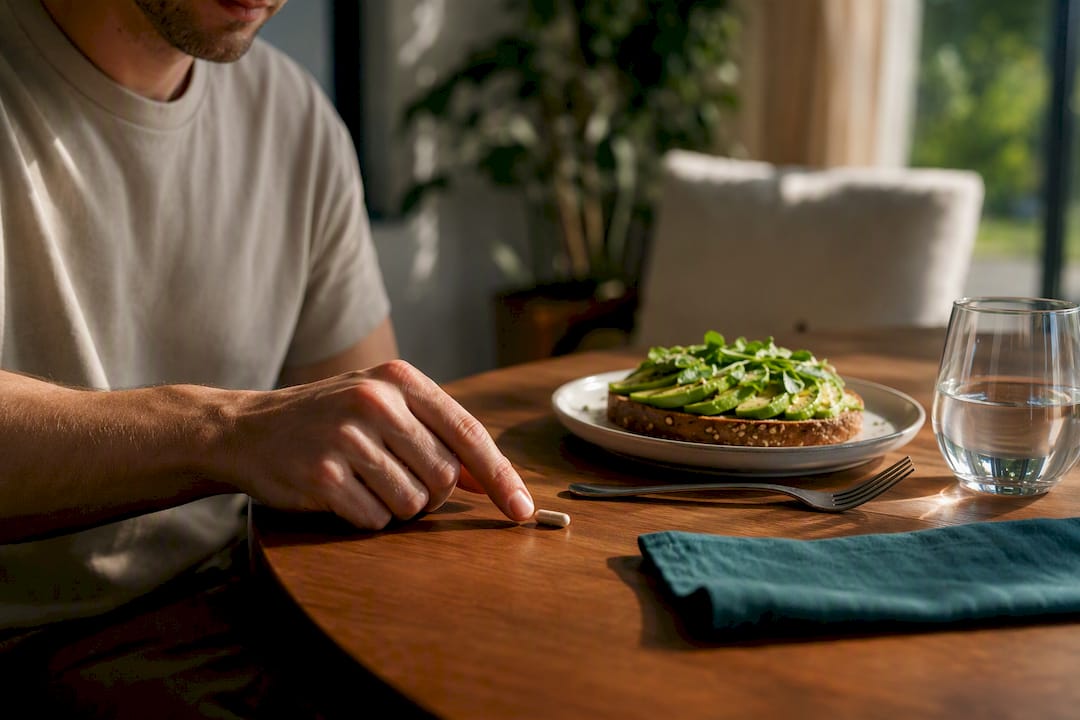
Food intake changes the picture too. Taking CBD with a fatty meal can meaningfully increase how much is absorbed compared with taking it on an empty stomach, which is one more variable that makes “I tried CBD and it didn’t work” or “it worked great” hard to interpret without knowing the dose, formulation and how it was taken.
What CBD side effects and drug interactions look like
The safety profile of pure CBD is reassuring on one specific point: regulatory and clinical reviews report it carries low abuse potential. That’s not the same as saying it’s free of risk, and the interaction profile deserves more attention than most product descriptions give it.
Commonly reported side effects in trials include:
- Nausea and digestive upset
- Fatigue or drowsiness
- Diarrhoea
- Changes in appetite
At higher doses, particularly the pharmaceutical-level amounts used in epilepsy treatment, some studies have recorded elevated liver enzymes, which is why Epidiolex prescribing includes liver function monitoring.
The interaction risk is the part worth taking seriously even at consumer doses. CBD is metabolised by cytochrome P450 liver enzymes, the same pathway responsible for breaking down a wide range of prescription medicines. When CBD competes for that pathway, it can slow the breakdown of other drugs and raise their blood levels. This has particular relevance for:
- Blood thinners (such as warfarin), where increased levels can raise bleeding risk
- Antiepileptic medicines, where interactions are well documented given CBD’s own use in epilepsy treatment
- Some sedatives and antidepressants, where combined effects on drowsiness or serotonin activity deserve caution
If you’re taking any prescription medicine, particularly anything metabolised by the liver, a conversation with a pharmacist or GP before adding CBD isn’t optional caution, it’s the responsible order of operations. And if you notice unusual symptoms after starting CBD, whether that’s excessive drowsiness, digestive distress, or anything out of character, stopping and getting medical advice takes priority over pushing through to “see if it improves.”
How to test CBD’s effect on you, and what to check first
Given how strongly expectation shapes reported outcomes, the most useful thing you can do is build a bit of self-awareness into how you try CBD, rather than relying on gut feel after a few days.
- Set one specific goal before you start. “Reduce evening anxiety” is testable. “Feel better overall” isn’t. Pick a single symptom you actually want to track.
- Keep a short daily log. A one-line note, rating sleep, pain or stress on a simple scale, for two to four weeks beats relying on memory, which is notoriously unreliable for gradual change.
- Hold your dose and timing constant. Changing the amount or the time of day introduces a new variable every time, making it impossible to know what caused any shift you notice.
- Check the label for a Certificate of Analysis (COA). A legitimate product should let you verify, via third-party lab testing, the actual CBD content per serving and confirm THC levels are within legal limits.
- Look for a clear milligram count per serving, a batch number, and an expiry date. These are the basic markers of a product manufactured to a consistent, testable standard rather than a rough approximation.
- Consider a blinded self-test if you want a more rigorous answer. Ask a trusted friend to prepare two identical-looking servings, one active and one placebo (a neutral oil), without telling you which is which on a given day, then compare your logged ratings afterwards. It’s an imperfect version of the balanced placebo design, but it’s more informative than an unblinded trial of one.
Certain red flags should make you walk away from a product entirely regardless of price or reviews: cure-all language (“eliminates anxiety,” “cures chronic pain”), no COA available on request, or vague claims about THC content that aren’t backed by an actual lab document. Legitimate CBD for anxiety products describe what evidence exists, including its limits, rather than promising a guaranteed outcome.
Pro Tip: Start at a modest dose, commonly around 5 to 10mg, and increase gradually over one to two weeks rather than starting high. This lets you separate a genuine dose response from your first-week novelty effect, and it reduces the odds of side effects like nausea or drowsiness.
If you’re using CBD alongside a prescription medicine for a diagnosed condition, particularly anything for mood, seizures, or blood clotting, treat a clinician conversation as step one, not step five.
What quality and testing standards actually tell you
The gap between a CBD product that might do something and one that’s just an expensively packaged guess comes down almost entirely to verifiable testing. A product description claiming “lab tested” means little without an actual, accessible Certificate of Analysis showing cannabinoid content and confirming zero or trace THC.
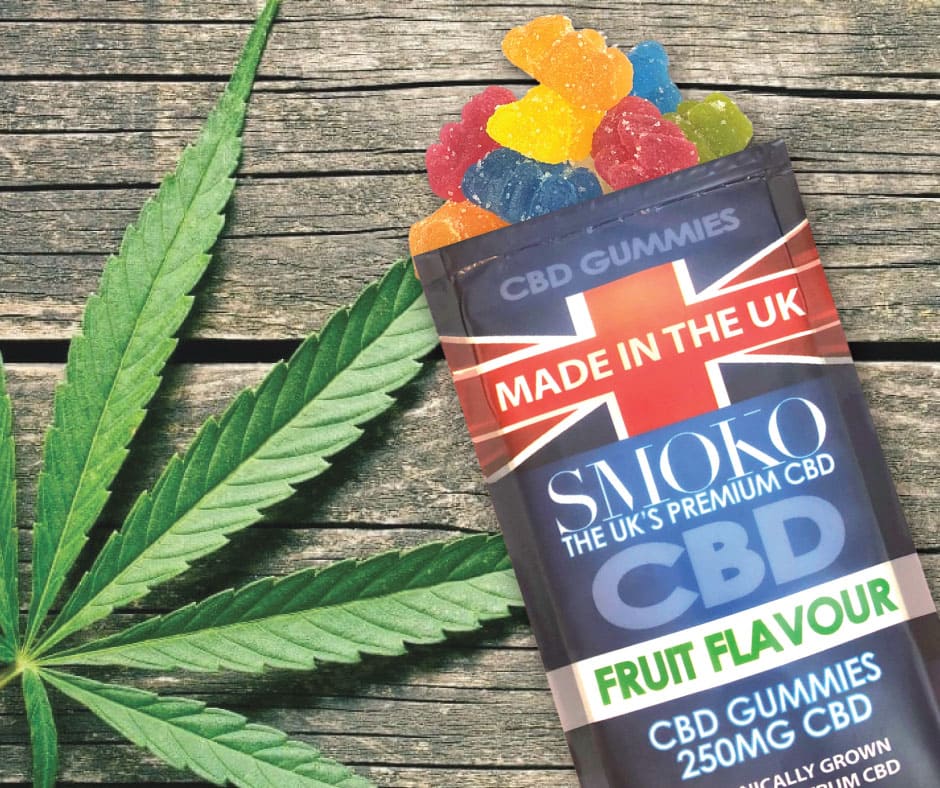
Broad-spectrum tinctures, gummies and soft gel capsules manufactured in the UK from hemp extract sourced from organically grown American hemp undergo third-party lab testing to verify zero THC levels. That doesn’t override anything the trials above show about placebo response rates or dosing thresholds, no honest publisher would claim otherwise, but it does mean the milligram count on the label is a number you can actually check rather than trust blindly.
The educational content published alongside these products, including this analysis, is written by Mike, whose focus is translating the trial evidence on cannabinoids into plain, usable guidance rather than marketing copy. That includes being upfront when the evidence for a specific use case (anxiety, sleep, general stress) is genuinely mixed rather than smoothing over the uncertainty to make a stronger sales pitch. Readers weighing whether to try CBD for sleep or CBD for depression deserve the same treatment: the actual trial data, the actual limitations, and a clear steer toward speaking with a clinician when a diagnosed condition is involved.
Where CBD research needs to go next
The honest gap in this field isn’t a lack of studies. It’s a lack of the right studies. Too much CBD research still tests low, consumer-relevant doses against placebo in small samples over a few weeks, then reports “no significant difference” as though that settles the matter, when it may simply mean the dose was never going to clear the bar pharmaceutical trials used.
What would move this forward is straightforward, if unglamorous: larger dose-ranging trials that test a spread of amounts against placebo in the same study, standardised product testing so “CBD” means the same thing across trials, and longer follow-up periods that can distinguish a stable effect from a first-month novelty response. Biomarker work to identify who actually responds to CBD pharmacologically, versus who’s responding to ritual and belief, would settle far more arguments than another 30-day trial in university students.
For consumers, the realistic expectation sits somewhere between the marketing and the sceptics. Subjective improvement in stress, sleep, or mood from taking CBD can be genuinely meaningful to someone’s day-to-day life. That’s not nothing. But it isn’t proof of a specific drug effect either, and conflating the two is how people end up paying premium prices for products dosed nowhere near the levels shown to matter in the trials that actually found something. Ask what dose was tested, ask what the placebo group did, and hold marketing claims to that standard before you hold your own experience to it.
— Mike
Try SMOKO CBD’s lab-verified tincture for yourself
Unlike products that lean on vague “natural wellness” language with no paper trail, Smokocbd publishes third-party lab results confirming zero THC and a verified cannabidiol content on every batch, so you’re never guessing what’s actually in the bottle you’re dosing from.
The SMOKO CBD Mint 2000mg Broad Spectrum CBD Tincture is made in the UK from organically grown American hemp, with a clearly stated milligram count per serving so you can actually track dose against outcome, rather than relying on marketing copy. It’s a wellness supplement, not a medical treatment, and if you’re managing a diagnosed condition or taking prescription medicine, a conversation with your GP or pharmacist should come before your first drop. If you’re ready to start your own tracked, dose-consistent trial, check the product page for current lab certificates and choose a strength that matches where you want to begin.
FAQ
Does CBD work, or is it placebo?
For pharmaceutical-grade CBD in specific epilepsy syndromes, the evidence clearly beats placebo. For common wellness uses like anxiety, everyday pain and sleep, several trials find CBD and placebo perform similarly, both outperforming no treatment at all.
What does CBD feel like when it kicks in?
Most people describe a subtle calming or relaxing sensation rather than an intense or obvious effect, and research suggests part of that sensation is shaped by expectation rather than the compound alone. Onset and intensity also depend heavily on dose, formulation and whether it’s taken with food, which affects absorption.
What is the downside of taking CBD?
The most commonly reported downsides in trials are mild: nausea, fatigue and diarrhoea. The more clinically important risk is drug interaction, since CBD affects liver enzymes that metabolise medicines including blood thinners and antiepileptics, so checking with a clinician before combining them matters.
Does CBD have mind-altering effects?
No. Pure CBD does not produce the intoxicating high associated with THC, and reviews describe it as carrying low abuse potential. Any sedative or relaxing sensation reported by users tends to be mild and is distinct from THC’s psychoactive effect.
How much CBD do studies actually use to see an effect?
Trials that report CBD outperforming placebo for conditions like anxiety or pain often use doses between 160mg and 1,200mg per day, considerably higher than the amount in most standard over-the-counter servings.