Current evidence suggests CBD may ease some symptoms and improve quality of life for people with ulcerative colitis, but it has not been shown to heal bowel inflammation or bring about remission. If you are in the UK, the MHRA treats CBD used for medical purposes as a medicine, so talk to your doctor or pharmacist before trying it. Never stop or adjust prescribed ulcerative colitis treatment without first contacting your IBD team.
TL;DR:
- The pilot trial found nearly identical remission rates after 10 weeks, while the Cochrane review included just two trials and 92 participants.
- A 2024 review linked cannabinoids with better quality of life, but found no significant improvement in clinical activity, inflammatory markers, or endoscopy.
- In the pilot, dizziness, sleepiness, and nausea were common, while adverse events and withdrawals were higher with the cannabidiol extract than placebo.
- Before starting, ask a pharmacist or gastroenterologist to check medication interactions, especially with drugs processed by liver enzymes, such as valproate.
- For highly pure CBD foods, the UK Food Standards Agency’s provisional daily intake is 0.15 mg per kilogram, about 10 mg for a 70 kg adult.
Table of Contents
- What clinical trials and reviews actually found
- Why you might feel better even when inflammation remains
- Safety, common side effects and interactions to check first
- If you still want to try CBD: a safe, clinical-first checklist
- What we bring to the CBD conversation
- Where to find our CBD products and lab reports
- FAQ
- Sources
What clinical trials and reviews actually found
The strongest direct evidence comes from a pilot trial testing a cannabidiol-rich botanical extract against placebo in people with ulcerative colitis. At 10 weeks, remission rates on the cannabidiol extract and placebo were almost identical, meaning the active treatment did not outperform a dummy capsule on the measure that matters most to gastroenterologists.

A 2024 systematic review pooling cannabinoid trials in inflammatory bowel disease found a similar pattern on a larger scale. Cannabinoids were linked to better self-reported quality of life, but not to reduced endoscopic disease activity or inflammatory markers in ulcerative colitis specifically, and the pooled difference in clinical disease activity was not statistically significant. A separate Cochrane review of cannabis and cannabidiol in ulcerative colitis reached a comparably cautious verdict: effects remain uncertain, and there is no evidence to support using cannabinoids to maintain remission.
Three limitations run through this evidence base:
- Small samples. The Cochrane review covers just two trials and 92 participants in total, far too few to settle the question either way.
- Mixed products. Several trial extracts contained measurable THC, so results do not transfer cleanly to the THC-free broad-spectrum products sold as wellness supplements.
- Wide confidence intervals. The 2024 meta-analysis reported high statistical heterogeneity between studies, which weakens confidence in any single pooled figure.
Taken together, the trial record points towards a possible symptom or quality-of-life signal, sitting alongside a consistent absence of proof that CBD changes the underlying disease course.
Why you might feel better even when inflammation remains
Cannabinoids interact with receptors involved in pain signalling, gut motility, nausea and sleep, which helps explain why some people notice their symptoms easing even when their gut lining has not changed. Feeling calmer, sleeping better or having less cramping are all real and worth something, but they are not the same thing clinicians look at when judging whether ulcerative colitis is under control.
- Gastroenterologists rely on blood markers such as CRP, faecal calprotectin and direct endoscopy to assess mucosal healing, not on how a patient feels day to day.
- A patient can report meaningful symptom relief while calprotectin and endoscopic scores stay unchanged, which is exactly the pattern the trial evidence above describes.
- Symptom relief on its own does not tell you whether your risk of flares, hospitalisation or long-term complications has gone down.
Pro Tip: Keep a simple symptom diary alongside your usual blood and stool tests, so you and your IBD team can see whether how you feel and what the markers show are actually moving together.
Safety, common side effects and interactions to check first
Trial data give a reasonably clear picture of what to expect if you try CBD. In the pilot ulcerative colitis trial, more adverse events and higher withdrawal rates occurred in the cannabidiol group than in the placebo group, with dizziness, somnolence and nausea among the most frequently reported issues; the certainty of this evidence is limited by the small sample size.
CBD is also metabolised through liver enzymes that handle many other medicines, which creates a real risk of interaction. Clinical interaction reviews document extensive potential interactions, including with drugs such as valproate, so a pharmacist or gastroenterologist medication review before starting CBD is not an optional extra.
UK regulatory guidance adds two more layers worth knowing:
- The MHRA considers any CBD product making medical claims to be a medicine subject to the Human Medicines Regulations, separate from how CBD foods are assessed for safety.
- The Food Standards Agency has set a provisional acceptable daily intake of 0.15 mg per kilogram of body weight for highly pure CBD in novel foods, roughly 10mg a day for a 70kg adult, and advises that pregnant women, children and other vulnerable groups avoid CBD foods without professional advice.
Around 10mg a day is the FSA’s provisional ceiling for a 70kg adult taking >98% pure CBD foods, a figure based on possible somnolence and liver effects seen at higher intakes. Our UK CBD regulations guide walks through what that means for everyday products. If you notice severe abdominal pain, fever, bleeding or rapid weight loss, these are signs of a possible flare and warrant urgent contact with your IBD team or GP rather than a change to your CBD routine.
If you still want to try CBD: a safe, clinical-first checklist
If, after weighing the evidence, you still want to try CBD alongside your ulcerative colitis care, keep your prescribed treatment at the centre of the decision.
- Confirm whether you are flaring. Check your symptoms against your IBD team’s agreed flare plan, such as the UCLH guide to managing an IBD flare, before adding anything new.
- Get a medicines review. Ask a pharmacist or your gastroenterologist to check for interactions with your current medication, particularly anything metabolised by the liver.
- Choose carefully and start low. If you go ahead, pick a product with published third-party lab testing, start at a low dose, and keep a short written record of any effects or side effects so your clinical team can monitor your progress.
Pro Tip: There is no agreed consumer dose of CBD for ulcerative colitis. Trial doses varied widely and several trial extracts contained THC, so treat any dose you read about online as a starting point for discussion with a clinician, not an instruction.
Our CBD quality standards checklist and tincture-specific guide go through what to look for on a lab report if you reach step three.
What we bring to the CBD conversation
We make broad-spectrum CBD tinctures, gummy bears and soft gel capsules using organically grown hemp, and every batch is third-party lab tested to confirm zero THC. We publish plain-language guides on CBD regulation and quality standards because people researching options for a condition like ulcerative colitis deserve to see the testing behind a product, not just a marketing claim. None of this replaces your IBD team: always check with them before adding CBD to your routine.
— Mike
Where to find our CBD products and lab reports
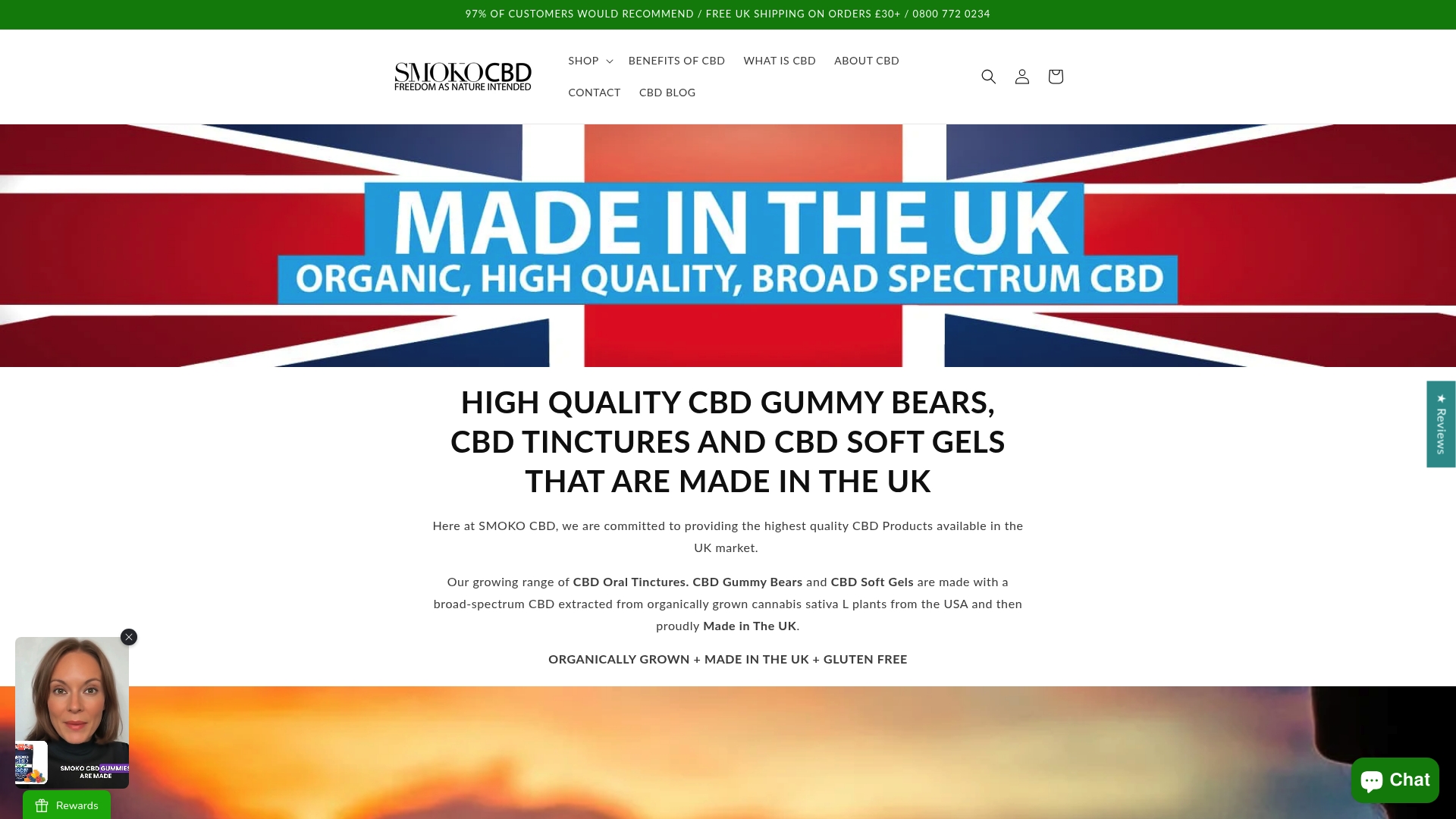
If you decide, with your clinical team’s input, that trying CBD makes sense for you, our full product range covers tinctures, gummy bears and soft gels, each with lab certificates and usage guidance listed on the product page. Our CBD Gummy Bears page shows exactly what a 250mg broad-spectrum batch looks like on paper. Reach out to our customer support team for the specific lab report behind any product, and keep your gastroenterologist or pharmacist in the loop on dosing. CBD is not a substitute for your prescribed ulcerative colitis therapy.
FAQ
How do you calm a colitis flare-up?
Most IBD teams advise following your personal flare plan first, which usually means optimising your existing medication, such as increasing mesalazine where appropriate, and contacting your team promptly rather than waiting it out. The UCLH flare guidance sets out when to escalate to a GP, urgent care or A&E.
Who should avoid taking CBD?
The Food Standards Agency advises that pregnant women, those trying to conceive, children and other vulnerable groups avoid CBD foods without professional advice, given possible effects on the liver and drowsiness at higher intakes. Anyone taking medication that interacts with liver enzymes should also get a pharmacist review first.
Does colitis cause foul smelling stool?
Ulcerative colitis commonly causes changes in stool consistency, urgency and odour because of inflammation and bleeding in the bowel lining. A noticeable change in smell alongside other flare symptoms is worth reporting to your IBD team as part of your usual flare plan.
Has ulcerative colitis ever been cured?
Ulcerative colitis is currently managed as a long-term condition rather than cured, with treatment aimed at inducing and maintaining remission. Surgical removal of the colon can resolve the disease for some patients, but this is a major decision made with a gastroenterology and surgical team, not a routine first step.
Sources
- A Randomized, double‑blind, placebo‑controlled pilot study of cannabidiol‑rich botanical extract in ulcerative colitis
- Meta-analysis of the therapeutic impact of cannabinoids in inflammatory bowel disease
- MHRA statement on products containing cannabidiol (CBD)