CBD can genuinely help take the edge off inflammation, based on a growing stack of preclinical evidence and a handful of promising human trials, though it works best as one piece of a wider plan rather than a standalone fix. For a sore knee or stiff shoulder, a topical applied directly to the skin usually acts fastest. For inflammation that runs deeper, such as arthritis flares or chronic gut irritation, an ingestible tincture or capsule tends to suit better. Whichever you choose, start low, check the third-party lab report, and speak to a clinician if you take other medicines.
TL;DR:
- Topical CBD products provide fast relief for localized inflammation but do not affect systemic conditions, requiring repeated application for effectiveness.
- Systemic formulations like tinctures and capsules vary in absorption speed and bioavailability, with full-spectrum options potentially offering enhanced effects through the entourage effect.
- Human studies suggest CBD may reduce inflammatory markers in conditions like rheumatoid arthritis and ulcerative colitis, but large-scale trials are still lacking, so treat it as an adjunct rather than a cure.
- Proper product selection involves checking third-party COAs, matching spectrum to risk tolerance, and titrating dose gradually from a low starting point for best results.
- CBD can interact with certain medications via liver enzyme inhibition, and quality control is essential to avoid contamination or mislabeled products, especially for sensitive groups.
Table of Contents
- Which CBD product suits your type of inflammation?
- Does CBD actually reduce inflammation?
- Topicals, tinctures, capsules, and spectrum: what’s the real difference?
- How do you choose a CBD product for inflammation?
- How much CBD should you take, and how fast will it work?
- What side effects and drug interactions should you check first?
- Why third-party testing and clear sourcing actually matter
- Where CBD fits in a realistic inflammation plan
- Ready to try CBD for your own inflammation?
Which CBD product suits your type of inflammation?
Matching the format to the problem matters more than chasing the highest milligram count on the label. Localised aches respond differently to systemic ones, and the delivery route decides how fast, and how far, the cannabinoids actually travel.
- Topical creams and balms: best for a specific joint, tendon, or muscle. They act on receptors near the skin’s surface, so relief for a stiff knee or an aching lower back tends to arrive within a short time, though the effect stays local rather than reaching the bloodstream.
- Tinctures: absorbed under the tongue, they reach the bloodstream faster than capsules and give you finer control over dose, which makes them useful for systemic or chronic inflammatory conditions such as widespread joint pain.
- Capsules and soft gels: convenient and pre-measured, ideal if you want the same dose every day without measuring drops, though they pass through the digestive system first, so onset is slower.
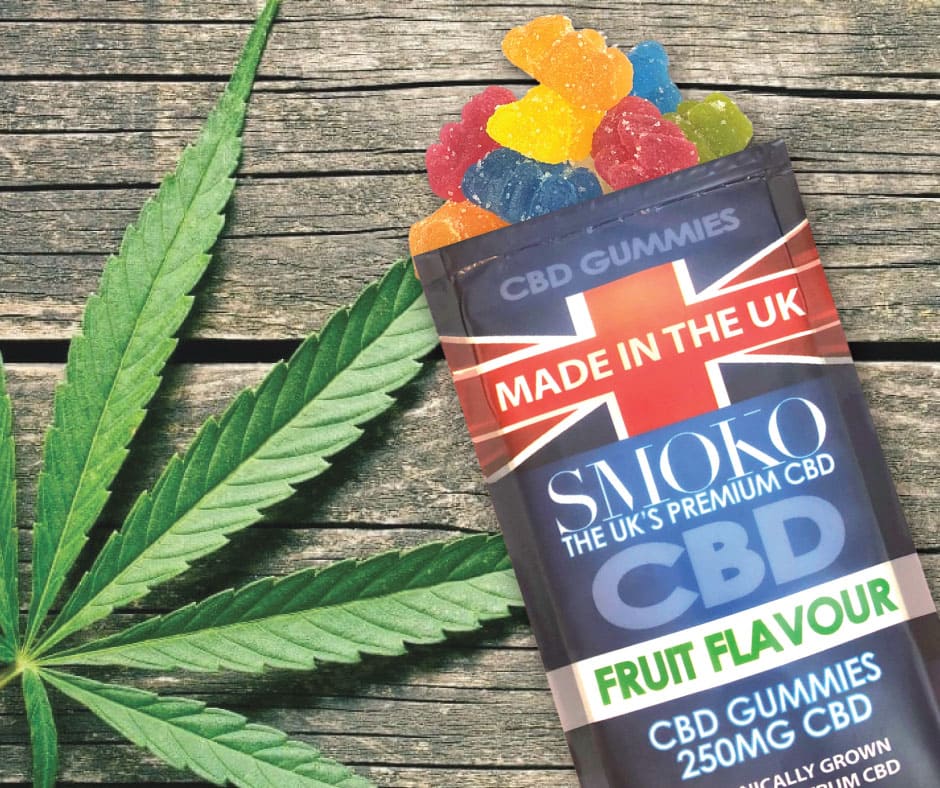
- Gummies: easy to dose consistently and pleasant to take, but variable sugar content and slower, less predictable absorption make them a secondary option for anyone prioritising precise inflammation control.
Combining formats often makes clinical sense. Someone managing a flare in one knee alongside more general joint stiffness might apply a topical directly to the knee while taking a low-dose tincture or capsule for the wider systemic picture. Reviews of delivery methods note this dual approach is common in practice, precisely because local and systemic inflammation rarely respond to the same route in the same way.
Does CBD actually reduce inflammation?
The mechanistic case for CBD is stronger than most people expect, even if the clinical case still has gaps. CBD doesn’t work like a typical anti-inflammatory drug that blocks one enzyme. Instead, it behaves as what researchers call a multi-target modulator, nudging several inflammatory pathways at once rather than switching off a single switch.
At the cellular level, CBD appears to reduce levels of key pro-inflammatory cytokines such as IL-1β and TNF-α, and it suppresses activity in the NLRP3 inflammasome, a cellular structure that acts like an alarm system for the immune response. When NLRP3 fires too often, or for too long, it drives chronic low-grade inflammation, the kind linked to joint pain, gut irritation, and long-term tissue damage. Tamping down that alarm without shutting off the immune system entirely is the theoretical appeal of CBD over blunter anti-inflammatory tools.
A systematic review of in-vivo studies found that CBD, and combinations of CBD with CBG or THC, reduced pro-inflammatory cytokines in the majority of animal models tested — though the same review found THC alone was far less reliable at producing that effect, which matters when choosing between broad-spectrum and full-spectrum products, according to this cytokine review.
The receptor picture backs this up. CBD interacts with CB2 receptors, serotonin receptors, and nuclear receptors including PPARγ, along with TRPV channels and adenosine signalling, according to a comprehensive review of CBD’s immune activity. That spread of targets explains why effects vary so much from person to person and product to product. It also explains why researchers keep calling for biomarker-driven trials rather than relying on how someone says they feel after two weeks.
Human evidence lags behind the lab work, as it usually does with cannabinoids. Small trials and translational studies have reported reductions in inflammatory markers and symptom improvement in conditions such as rheumatoid arthritis and ulcerative colitis. But large, long-term randomised controlled trials remain scarce, and study designs vary so widely in formulation, dose, and endpoint that comparing one trial to another is often not straightforward. Treat CBD as a genuinely promising adjunct backed by solid mechanistic science, not as a proven cure with the same evidence base as a licensed anti-inflammatory drug.
Topicals, tinctures, capsules, and spectrum: what’s the real difference?
Every format trades off speed against reach, and getting this trade-off wrong is the most common reason people give up on CBD too early.
Topicals work locally because CBD molecules interact with receptors in the skin and underlying tissue without needing to cross into the bloodstream. That’s their strength and their limit: fast local action, but no effect on inflammation happening elsewhere in the body. Ingestibles face the opposite problem. Oral CBD has notoriously poor bioavailability, meaning only a fraction of what you swallow reaches circulation, and it must survive first-pass metabolism in the liver before doing anything useful. That’s why oral effects build over hours to days rather than minutes, and why formulation quality (carrier oil, particle size, delivery technology) genuinely changes how well a product performs.
Gummies and capsules both offer dosing convenience, but gummies often carry added sugar and less predictable absorption, while soft gel capsules tend to give steadier, more repeatable dosing serving to serving.
Spectrum choice adds another layer:
- Broad-spectrum keeps other beneficial hemp compounds while removing THC entirely, a sensible default for anyone who wants supporting cannabinoids without any THC risk.
- Full-spectrum retains trace THC (usually within the legal limit), which some users report enhances effect through what’s called the entourage effect, but it raises THC-sensitivity and workplace-testing considerations.
- Isolate is pure CBD with nothing else, useful for anyone who wants total predictability but potentially missing the synergy other compounds provide.
Pro Tip: If you’re new to CBD and cautious about THC exposure, broad-spectrum products give you most of the reported entourage benefits with a declared zero-THC lab result to back it up.
How do you choose a CBD product for inflammation?
Skip the marketing copy and work through this checklist before adding anything to your basket.
- Pull up the certificate of analysis (COA). A trustworthy one lists cannabinoid content in mg per mL or per serving, and screens for residual solvents, heavy metals, and pesticides. If a product has no COA, or the one shown doesn’t match the batch number on your bottle, move on.
- Match the spectrum to your risk tolerance. Broad-spectrum for zero THC with entourage compounds intact; full-spectrum if you’re comfortable with trace THC; isolate if you want maximum predictability and nothing else in the mix.
- Check potency against your intended use. A topical needs a higher concentration per application to penetrate skin effectively, while a systemic product should state milligrams per serving clearly enough that you can titrate sensibly.
- Watch for red flags. No COA, vague sourcing claims, or language promising a cure for arthritis, chronic pain, or any diagnosed condition should end the conversation immediately. Real anti-inflammatory evidence is cautious and conditional, and packaging that isn’t cautious is telling you something.
How much CBD should you take, and how fast will it work?
Titration is the single most underused skill in CBD use, and it’s the difference between a product that “does nothing” and one that actually helps.
- Start low. A common starting point is 5 to 10mg of CBD daily, taken consistently rather than sporadically.
- Increase gradually. Add another 5 to 10mg every three to seven days, watching how your symptoms shift before adjusting again, which mirrors practitioner guidance on slow titration for people managing focal pain alongside systemic symptoms.
- For topicals, apply a pea-to-cherry-sized amount to the affected area two to three times daily; local relief for many people begins within an hour or two.
- Track and reassess. Systemic changes, particularly to inflammatory markers rather than just pain perception, tend to build over two to six weeks, not overnight.
Pro Tip: Keep a simple symptom diary, rating pain or stiffness out of ten each morning. Consistent symptom tracking over time provides more reliable insight than vague impressions.
If you’re on prescribed medication or managing a diagnosed inflammatory condition, this guidance from a dosing resource for pain management is worth reading alongside advice from your own clinician, and further practical detail sits in this broader guide to CBD dosing.

What side effects and drug interactions should you check first?
CBD is generally well tolerated, but it isn’t free of risk, and the interactions matter more than the mild side effects.
- Common effects: mild gastrointestinal upset, fatigue, and occasionally changes to liver enzyme levels on blood tests, particularly at higher doses.
- CYP450 interactions: CBD can inhibit liver enzymes from the cytochrome P450 family, which metabolise a wide range of prescription medicines including anticoagulants, some anticonvulsants, and statins. That inhibition can raise blood levels of those drugs unpredictably.
- Quality risks: mislabelled potency, contaminants, and undeclared THC turn up often enough in unregulated products that skipping the COA check is a genuine gamble, not just a formality.
- Higher-caution groups: pregnancy, breastfeeding, severe liver disease, and immunosuppression all warrant a conversation with a clinician before starting, given the enzyme interactions and the limited safety data in these groups specifically.
Why third-party testing and clear sourcing actually matter
Every claim in this guide assumes you’re buying from a brand willing to show its working. Broad-spectrum tinctures, soft gel capsules, and gummies produced from organically grown hemp and carrying third-party lab testing that confirms zero THC are the kind of declared, checkable COA the checklist above insists on. That transparency is the baseline, not a bonus feature, for anyone taking CBD seriously as part of an inflammation plan.
For a deeper look at how CBD fits into inflammation management specifically, Smokocbd’s dedicated inflammation guide expands on the mechanisms covered here, and it’s worth reading before you commit to a format or dose.
Where CBD fits in a realistic inflammation plan
CBD works best as a supporting player, not the whole strategy. Dietary patterns like Mediterranean-style eating and consistent omega-3 intake still carry more consistent evidence for lowering chronic inflammation than any single supplement, CBD included, and Smokocbd’s own comparison of food-based approaches against CBD is honest about that hierarchy.
Set expectations around weeks, not days, for systemic changes, and always flag CBD to your GP or pharmacist if you’re on regular medication, given the enzyme interactions covered earlier. One habit worth adopting from clinical practice: keep a short daily symptom diary. It turns a vague impression into a pattern you and your clinician can actually read.
— Mike
Ready to try CBD for your own inflammation?
An advantage to look for is that products ship with a declared, checkable COA confirming zero THC, so you’re never guessing whether the label matches the bottle. If steady, predictable dosing suits your routine, the SMOKO CBD Broad Spectrum 750mg Soft Gel Capsules give you the same measured amount every time, useful for systemic inflammation you’re managing daily. If you’d rather titrate your dose precisely, starting low and adjusting as your symptoms guide you, the SMOKO CBD Mint 2000mg Broad Spectrum Tincture gives you that finer control drop by drop. Whichever you pick, check the COA on the product page first, start at the low end of the dose range, and watch for any current offers or samples before committing to a full bottle.

This article is general information, not a substitute for advice from a qualified doctor. Consult a qualified healthcare professional about your own circumstances before acting on anything here.