TL;DR:
- CBD is a natural compound that improves mental clarity by reducing anxiety, enhancing sleep, and lowering neuroinflammation.
- It supports focus indirectly by calming the brain and modulating stress-related receptors, not through stimulation like caffeine.
CBD is a natural, non-intoxicating compound that supports mental clarity by reducing anxiety, improving sleep quality, and lowering neuroinflammation. It does not sharpen focus the way caffeine does. Instead, it removes the background noise that prevents your brain from working at its best. This cbd for mental clarity guide covers the science, the practical steps, and the honest limitations so you can make an informed decision. The endocannabinoid system (ECS), CB1 and CB2 receptors, and serotonin 5-HT1A receptors all play a role in how CBD influences cognition, and understanding that role changes how you use it.
How does CBD interact with the brain to support focus?
CBD does not act like a stimulant. CBD reduces mental noise such as anxiety and poor sleep, which then allows natural concentration to surface. Think of it less as pressing the accelerator and more as releasing the handbrake.

The endocannabinoid system regulates mood, memory, stress response, and sleep. CB1 receptors sit primarily in the brain and central nervous system. CB2 receptors are found mainly in immune tissue. CBD does not bind directly to either receptor. Instead, it modulates their activity indirectly, toning down overactive stress signals without switching off normal brain function.
CBD also interacts with serotonin 5-HT1A receptors, which influence anxiety, mood stability, and mental clarity. When serotonin signalling is steadier, the mental chatter that disrupts concentration quietens. That is the mechanism behind many of the focus-related benefits people report.
Neuroinflammation is another factor. Chronic low-grade brain inflammation contributes to brain fog, slow thinking, and poor working memory. Preclinical research shows CBD reduces pro-inflammatory cytokines, which are the chemical messengers that drive that inflammation. Clearer thinking follows when the inflammatory load drops.
Key mechanisms at a glance:
- ECS modulation: CBD indirectly tones down overactive CB1/CB2 receptor activity linked to stress and anxiety.
- Serotonin support: Interaction with 5-HT1A receptors stabilises mood and reduces anxious mental chatter.
- Anti-inflammatory action: Reduced pro-inflammatory cytokines lower neuroinflammation and brain fog.
- Neuroprotection: Full-spectrum CBD supports brain health by reducing oxidative stress and supporting cognitive resilience.
Pro Tip: If you are new to CBD, read the Smokocbd guide on CBD oil for focus before choosing a product. It explains the science in plain language alongside practical starting points.
What does the clinical evidence say about CBD and cognitive function?
The clinical picture is promising, though not yet complete. The strongest evidence links CBD to sleep improvement and anxiety reduction. Both of those outcomes directly improve focus and working memory.
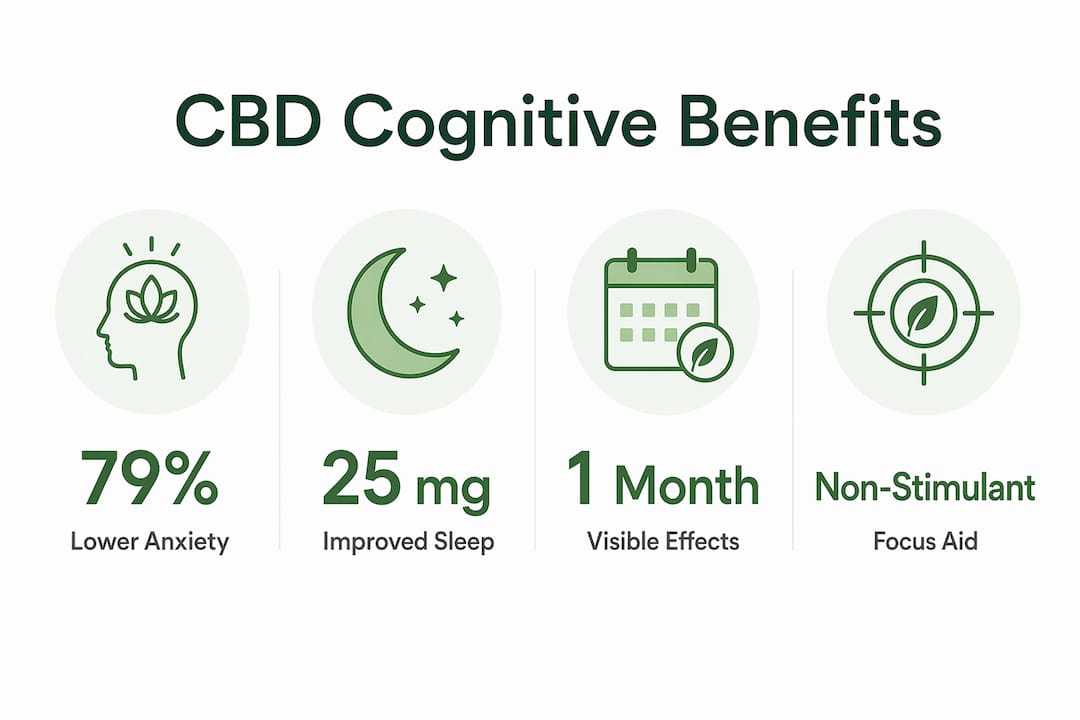
A 2022 randomised controlled trial found that 25 mg of CBD nightly significantly improved sleep quality over four weeks. Better sleep is one of the most reliable ways to improve memory consolidation and sustained attention the following day. The cognitive benefit is real, even if it arrives indirectly.
A 2019 study produced equally striking results. 79.2% of participants reported lower anxiety within one month of CBD use, and 66.7% reported improved sleep. Anxiety is one of the primary drivers of poor concentration. When it drops, cognitive bandwidth frees up.
| Outcome | Finding | Implication for focus |
|---|---|---|
| Sleep quality | Improved significantly with 25 mg nightly CBD over 4 weeks | Better sleep consolidates memory and sharpens attention |
| Anxiety reduction | 79.2% reported lower anxiety within one month | Less anxiety means more cognitive bandwidth for concentration |
| Sleep improvement | 66.7% reported better sleep alongside anxiety reduction | Dual benefit compounds the positive effect on focus |
| Neuroinflammation | Preclinical data shows reduced pro-inflammatory cytokines | Lower brain inflammation reduces brain fog |
The honest limitation is that most studies focus on anxiety and sleep rather than cognitive performance directly. CBD is not yet proven to enhance focus in healthy adults with no underlying anxiety or sleep issues. The benefits of CBD for clarity are most pronounced when anxiety or disrupted sleep is the root cause of poor concentration.
Statistic to note: In the 2019 study, anxiety and sleep improvements appeared within the first month. That timeline sets a realistic expectation. Do not judge CBD’s effect on focus after three days.
How to use CBD effectively for mental clarity and focus
Choosing the right format matters as much as choosing the right dose. Each delivery method has a different onset time and duration, which affects how you time it around work or study.
Choosing your format
CBD oils (tinctures) are the most flexible option. You hold the oil under your tongue for 60–90 seconds, and effects typically begin within 15–45 minutes. This makes oils well suited to taking 30 minutes before a focused work session. Smokocbd’s broad-spectrum CBD tincture is a practical starting point for adults new to using CBD for concentration.
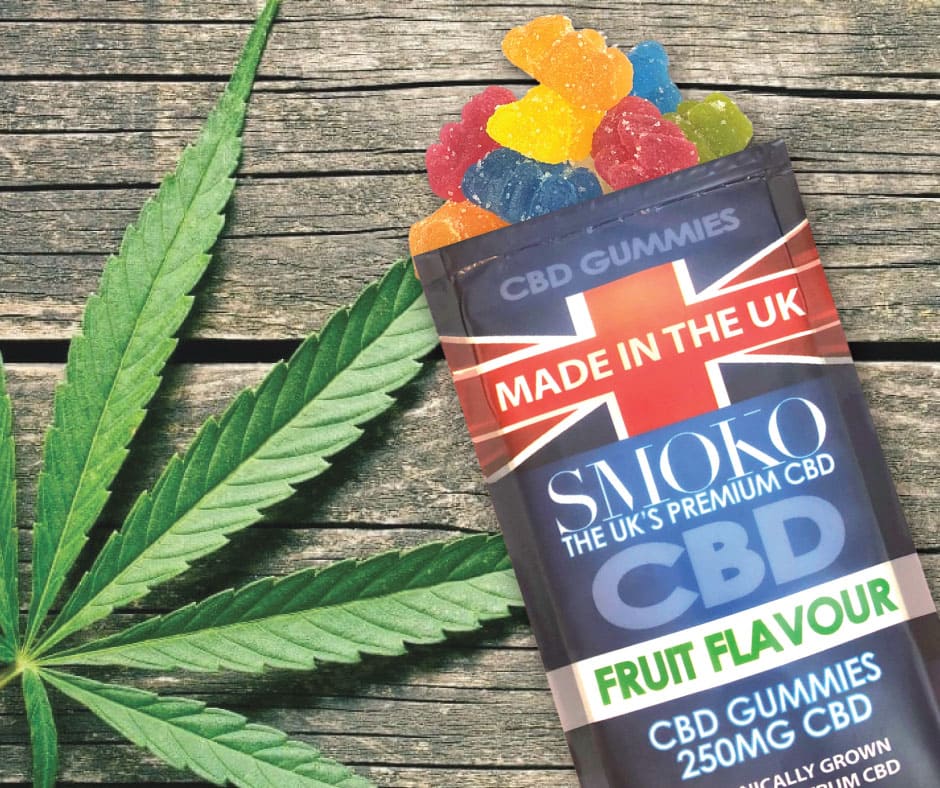
CBD gummies are convenient and consistent in dose. Onset is slower (45–90 minutes) because the compound passes through digestion. They suit adults who prefer a fixed, predictable dose without measuring.
Soft gel capsules offer the same consistency as gummies with no taste. They are ideal for people who want to build a daily routine around a set dose without any preparation.
Starting dosage and adjustment
- Start with 10–20 mg per day for the first week.
- Track your mood, sleep quality, and ability to concentrate each day.
- If you notice no change after one week, increase by 5–10 mg.
- Continue adjusting gradually until you find the dose that works for you.
- Starting low and tracking results is the safest and most effective way to find your optimal regimen.
Timing for focus support
Taking CBD sublingually 30 minutes before a demanding task gives the compound time to take effect. For sleep-related focus benefits, a consistent evening dose works better. Consistency across days matters more than any single dose.
Pro Tip: Combine your CBD routine with good sleep hygiene and regular hydration. CBD works best alongside foundational brain health habits like adequate sleep, exercise, and stress management. The compound supports those habits; it does not replace them.
Full-spectrum vs isolate
Full-spectrum CBD contains a range of cannabinoids and terpenes that work together. Broad-spectrum CBD offers a similar profile with THC removed. Isolate contains CBD alone. For cognitive support, broad-spectrum or full-spectrum formulations are generally preferred because the combined compounds appear to support brain health more effectively than CBD in isolation.
Common mistakes when using CBD for focus
CBD is not a quick fix. The most common mistake is expecting immediate, dramatic results after a single dose. CBD works gradually, and its cognitive benefits are largely indirect. Setting realistic expectations from the start prevents early abandonment.
Common pitfalls to avoid:
- Taking too high a dose too soon. High doses can cause drowsiness in some people, which is the opposite of what you want for focus. Start low.
- Inconsistent use. CBD builds up in the body over time. Skipping days disrupts that process and makes it harder to assess whether it is working.
- Ignoring lifestyle factors. CBD cannot compensate for chronic sleep deprivation, a poor diet, or unmanaged stress. It works within a healthy framework, not instead of one.
- Expecting stimulant-like effects. CBD does not produce the sharp, immediate alertness of caffeine. If that is what you are looking for, CBD will disappoint.
- Not tracking results. Without a simple log of sleep, mood, and focus, it is difficult to know whether your dose and timing are right.
“CBD should be viewed as a tool to clear obstacles to focus, not as a direct cognitive enhancer.” This framing matters. When you approach CBD as a background stabiliser rather than a performance drug, you use it correctly and get better results.
Side effects are generally mild. Some people experience dry mouth, light drowsiness, or mild digestive changes at higher doses. If you take prescription medication, speak to your GP before starting CBD. The natural CBD tips guide from Smokocbd covers safe usage in more detail.
Key takeaways
CBD supports mental clarity most effectively when anxiety or poor sleep is the root cause of reduced focus.
| Point | Details |
|---|---|
| CBD is not a stimulant | It removes barriers to focus like anxiety and poor sleep rather than directly sharpening attention. |
| Clinical evidence is solid for anxiety and sleep | 79.2% reported lower anxiety and 66.7% improved sleep within one month of use. |
| Start low and track progress | Begin with 10–20 mg daily and adjust gradually while logging sleep, mood, and focus. |
| Format affects timing | Oils work fastest (15–45 minutes); gummies and capsules suit consistent daily routines. |
| Lifestyle habits amplify results | CBD works best alongside good sleep hygiene, exercise, and stress management. |
My honest view on CBD as a focus tool
I have followed the CBD research closely for several years, and the pattern is consistent. People who get the most from CBD for focus are those who already take sleep and stress seriously. They are not using CBD as a shortcut. They are using it as a support layer on top of good habits.
What surprises many people is how much of their poor concentration is driven by low-level anxiety they have normalised. When CBD quietens that background noise, the improvement in focus can feel significant, even though nothing directly stimulant-like has happened. That is the mechanism working as it should.
The research on CBD and sleep is where I find the most convincing evidence. Sleep is the single most underrated cognitive tool available, and anything that reliably improves it will improve focus. CBD appears to do that for a meaningful proportion of people.
My caution is this: do not use CBD to paper over a lifestyle that is working against your brain. If you are sleeping five hours a night, skipping meals, and running on stress, CBD will not rescue your concentration. Fix the foundations first, then add CBD as a supporting tool. That combination is where the real results live.
— Mike
Smokocbd products for focus and mental clarity
Adults who want to put this guide into practice have several well-formulated options from Smokocbd. All products use broad-spectrum CBD from organically grown USA hemp, with zero THC confirmed by third-party lab testing.
The 1000mg broad-spectrum CBD tincture is a strong starting point for sublingual use before focused work. For those who prefer a measured, no-fuss daily dose, the CBD soft gel capsules offer 750mg in easy-to-swallow form. The CBD gummy bears suit adults who want a consistent daytime dose without any preparation. Each format supports the gradual, consistent approach that clinical evidence recommends for cognitive benefits.
FAQ
What is CBD and how does it support mental clarity?
CBD (cannabidiol) is a non-intoxicating compound from hemp that interacts with the endocannabinoid system and serotonin receptors. It supports mental clarity by reducing anxiety and improving sleep quality, both of which directly improve focus and working memory.
How long does CBD take to improve focus?
Clinical studies suggest meaningful improvements in anxiety and sleep appear within one month of consistent use. Cognitive benefits tied to those improvements follow the same timeline, so patience and consistency are key.
What is the best CBD format for concentration?
CBD oils taken sublingually are the fastest-acting format, with effects beginning within 15–45 minutes. This makes them well suited to taking before a focused work or study session.
Can CBD replace caffeine or other stimulants for focus?
CBD does not produce stimulant-like alertness. It works by reducing anxiety and improving sleep, which clears the way for natural concentration. It is a complement to good habits, not a replacement for stimulants.
Are there any side effects of using CBD for focus?
Side effects are generally mild and may include dry mouth, light drowsiness, or minor digestive changes at higher doses. Starting with a low dose and increasing gradually minimises the risk of unwanted effects.