TL;DR:
- CBD interacts with brain receptors and may help reduce anxiety symptoms through scientific mechanisms.
- Proper dosing, consistency, and product quality are essential for effective and safe use.
- While promising, CBD is a supplement, not a guaranteed cure, and professional advice is recommended for severe anxiety.
Anxiety is one of the most common reasons UK adults are turning to CBD, and it’s easy to see why. The wellness market is flooded with tinctures, gummies, capsules, and sprays, each promising relief. But knowing which product to choose, how much to take, and whether the science actually stacks up is genuinely confusing. This guide cuts through the noise with evidence-backed, practical tips for using CBD safely and effectively for anxiety relief in the UK, covering everything from how it works in your body to choosing the right format for your lifestyle and daily routine.
Table of Contents
- Understand how CBD tackles anxiety: the science and UK rules
- Master the essentials: top CBD tips for anxiety relief
- Choosing your format: tinctures, gummies or capsules?
- What to expect: effectiveness, evidence and common pitfalls
- The truth about CBD for anxiety: what most guides won’t tell you
- Start your CBD anxiety relief journey with trusted UK products
- Frequently asked questions
Key Takeaways
| Point | Details |
|---|---|
| Start low and slow | Begin with a low CBD dose and increase gradually for optimal and safe anxiety relief. |
| Know UK regulations | Stick to FSA-authorised products and do not exceed 70mg a day for safety and legality. |
| Choose the right format | Tinctures are the fastest-acting CBD, while gummies and capsules suit those preferring convenience. |
| Monitor effectiveness | Track your symptoms, side effects, and progress weekly to assess true benefits of CBD. |
| Check for interactions | Always consult your GP, especially if taking other medications or having complex health conditions. |
Understand how CBD tackles anxiety: the science and UK rules
Before picking a product, it helps to understand what CBD is actually doing inside you. Cannabidiol (CBD) is a non-psychoactive compound found in the hemp plant. Unlike THC, it won’t make you feel high. What it does instead is interact with your body’s endocannabinoid research in ways that may calm stress responses.
Specifically, CBD works through several mechanisms. It inhibits an enzyme called FAAH, which normally breaks down anandamide (sometimes called the “bliss molecule” because it’s also triggered by chocolate). By slowing that breakdown, CBD allows anandamide to linger longer in your system, which can tone down the brain’s stress signals. CBD also acts on CB1 receptors in the brain as a negative allosteric modulator, meaning it gently adjusts how those receptors respond rather than switching them on or off entirely. Perhaps most relevant to anxiety, CBD binds to 5-HT1A serotonin receptors, the same receptors targeted by many antidepressants, which helps explain its potential anxiolytic (anxiety-reducing) effects.
Dose matters considerably. Clinical studies suggest that effects are dose-dependent, meaning results vary significantly between low and high amounts, and finding your optimal dose takes time and consistency.
In the UK, CBD supplements for anxiety are legal as food supplements, provided they contain less than 0.2% THC and hold FSA (Food Standards Agency) novel food authorisation. Daily intake limits are 10mg for the general population and up to 70mg for healthy adults.
The NHS does not classify CBD as a medicine for anxiety. It is prescribed only for specific conditions such as epilepsy and MS. This means CBD for anxiety falls under the food supplement category, and any product making medical claims is not operating within UK law.
Some people should approach CBD with particular caution:
- Pregnant or breastfeeding individuals
- Children and young people under 18
- Those with liver conditions or taking prescription medication
- Anyone with a history of psychosis or severe mental health conditions
Always speak to your GP before starting CBD, especially if you are already taking prescribed medication or have an existing health condition.
With a firm grasp of why and how CBD may help, it’s time to explore key practical tips to use it safely and effectively.
Master the essentials: top CBD tips for anxiety relief
Knowing the science is one thing. Knowing how to actually use CBD day-to-day is where most people struggle. These steps give you a reliable, structured approach:
- Start low, go slow. Begin with 5 to 10mg per day. This is the most consistently recommended starting point across anxiety relief protocols. Increase your dose by 5mg every three to five days until you notice a meaningful improvement.
- Choose a consistent time. Whether morning or evening, taking CBD at the same time daily helps your body build a steady rhythm. Morning suits those managing daytime anxiety; evening may benefit those whose anxiety peaks at night or disrupts sleep.
- Keep a symptom journal. Track your anxiety levels, sleep quality, and overall mood each day. Reviewing weekly patterns helps you spot what’s working and catch any side effects early.
- Stay well hydrated. Dehydration can worsen anxiety symptoms and may affect how CBD is absorbed. Aim for at least 1.5 to 2 litres of water daily.
- Pair CBD with other wellness habits. Natural anxiety relief tips such as regular movement, mindful breathing, and quality sleep all amplify CBD’s potential benefits. It is not a standalone fix.
- Check for medication interactions. CBD is metabolised by the liver and can affect how certain drugs are processed, including blood thinners and antidepressants. The NHS medical cannabis guidance strongly advises consulting a healthcare professional before combining CBD with any prescription medicine.
Pro Tip: Use a simple 1 to 10 anxiety scale in your journal each morning and evening. After two weeks, you’ll have real data to guide your next dose adjustment rather than relying on vague feelings.
Patience is not optional. Many people abandon CBD after a week because they expect instant results. Most users report meaningful changes only after two to four weeks of consistent use.
Consult your CBD dosage guide regularly as you build your routine, since individual needs vary considerably based on body weight, metabolism, and anxiety severity.
These tip-based foundations prepare you to select the most appropriate CBD format and quality for your personal needs.
Choosing your format: tinctures, gummies or capsules?
One of the most common sources of confusion is choosing between CBD formats. Each has genuine trade-offs worth understanding before you buy.
| Format | Onset time | Bioavailability | Ease of use | Best for |
|---|---|---|---|---|
| Tincture (oil) | 20 to 40 minutes | ~12% sublingual | Moderate | Precise dosing, faster relief |
| Gummies | 45 to 90 minutes | Lower (digested) | Very easy | Convenience, consistent taste |
| Capsules | 45 to 90 minutes | Similar to gummies | Very easy | Flavourless, pre-measured intake |
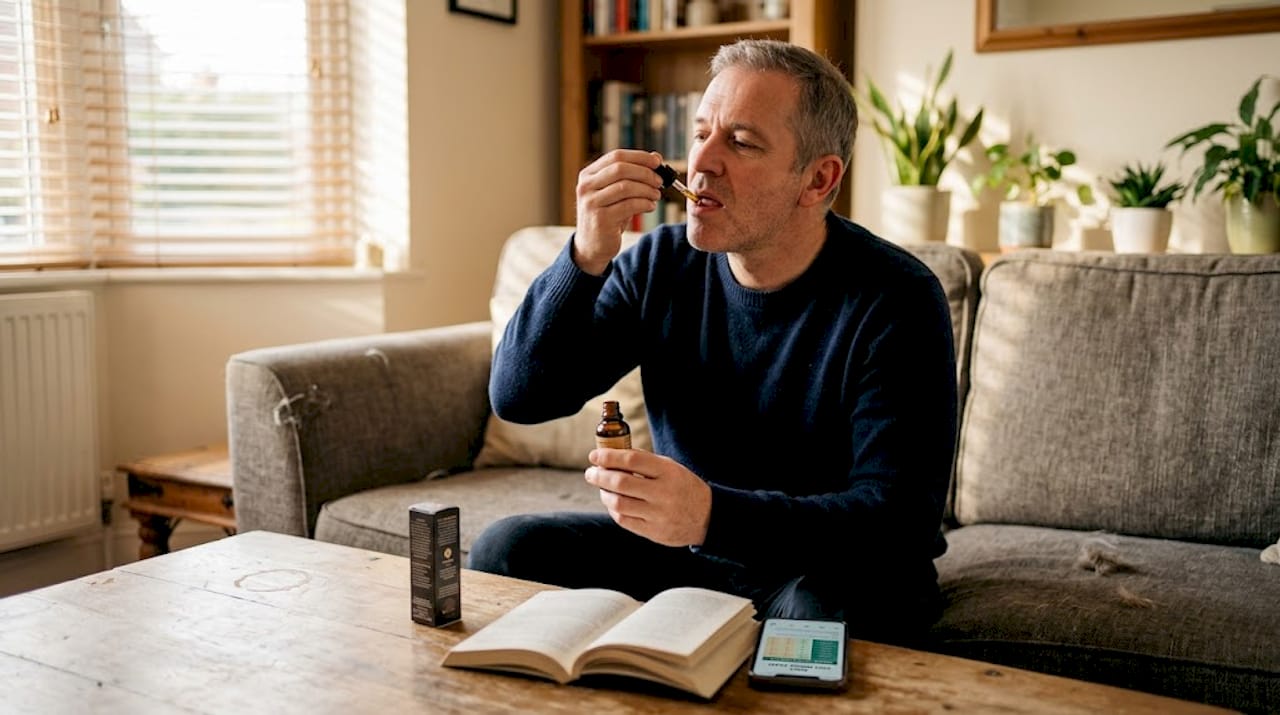
Tinctures are held under the tongue for 60 to 90 seconds before swallowing, allowing CBD to pass directly into the bloodstream through the mucous membranes. This faster onset makes them a popular choice for those who want more control over timing and dose. The downside is that some people find the earthy flavour off-putting, though mint and citrus options are widely available.
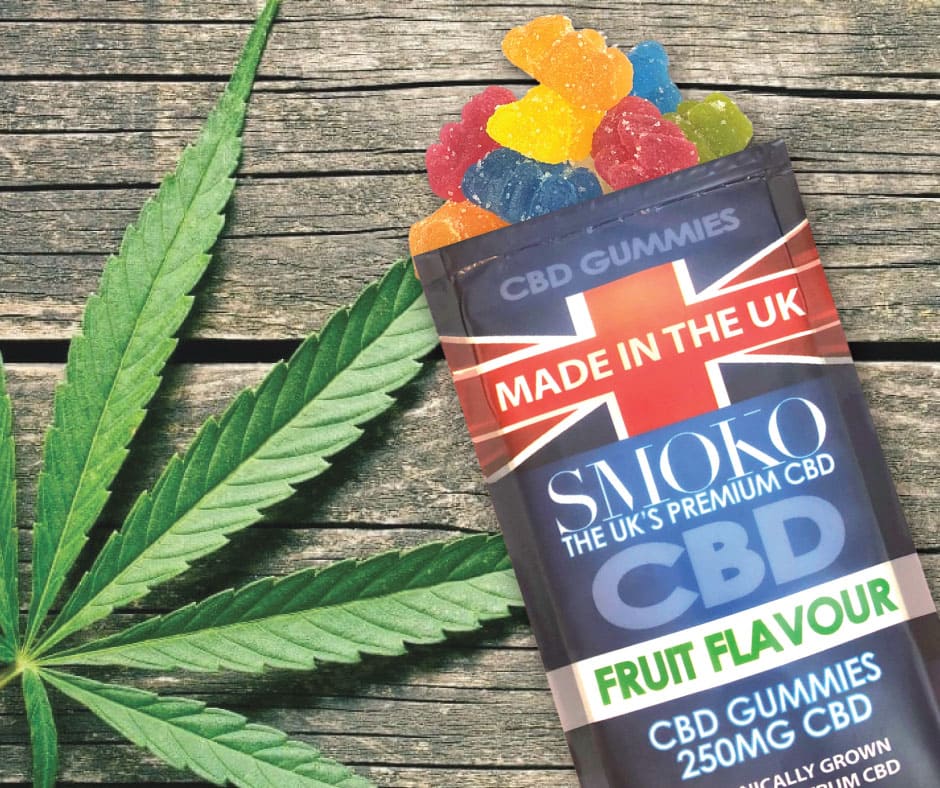
Gummies are arguably the most approachable format. They’re easy to carry, discreet, and taste like a treat. The slower onset (45 to 90 minutes) is worth factoring in if you’re managing situational anxiety, such as before a meeting or social event. Plan ahead.
Capsules offer the most clinical feel. There’s no taste, no measuring, and no guesswork. They suit people who prefer their wellness routine to feel straightforward and consistent.
All formats sold in the UK must meet FSA standards, including less than 0.2% THC and third-party lab testing. Always verify this before purchasing.
Pro Tip: If you’re new to CBD, starting with CBD oil for anxiety in tincture form gives you the most flexibility to adjust your dose precisely as you find your optimal level.
Key factors to weigh when selecting your format:
- Speed of relief needed: Tinctures win for faster action
- Convenience and routine: Gummies and capsules are simpler to integrate
- Taste sensitivity: Capsules are entirely neutral
- Dosing control: Tinctures allow the most precise adjustment
With a clear view of how to choose and use CBD forms, let’s examine what the latest studies and expert consensus actually say about its effectiveness for anxiety relief.
What to expect: effectiveness, evidence and common pitfalls
Honesty matters here. CBD is promising, but it is not a guaranteed solution for everyone.
| Evidence quality | Reported outcome | Limitations |
|---|---|---|
| High-quality studies | ~70% report anxiety improvement | High risk of bias, subjective reporting |
| Remaining studies | ~30% show no significant benefit | Small sample sizes, short durations |
Systematic reviews consistently point to a majority of high-quality studies reporting anxiety improvement with CBD use, but the same reviews flag significant concerns: high bias risk, reliance on self-reported outcomes, and a lack of large-scale, long-term trials. A 2025 review reinforced this mixed picture.
Placebo effects are real and meaningful in anxiety research. In double-blind trials, some participants report improvement simply from believing they are taking an active compound. This doesn’t invalidate CBD’s potential, but it does mean you should track results carefully rather than assuming improvement equals CBD’s direct effect.
Full-spectrum and broad-spectrum products may offer additional benefits through what researchers call the “entourage effect,” where multiple cannabinoids and terpenes work together more effectively than CBD alone. SMOKO CBD’s broad-spectrum range retains these beneficial compounds while maintaining zero THC, a key distinction for UK consumers.
Quality red flags to avoid:
- No Certificate of Analysis (COA) from a third-party lab
- Products not listed on the FSA’s novel food public list
- Claims that CBD will “cure” or “treat” anxiety (illegal under UK law)
- No clear THC content stated on the label
The NHS only prescribes cannabis-based products for epilepsy, MS-related spasticity, and chemotherapy-related nausea, not for anxiety. For severe or persistent anxiety, professional support remains essential and should not be replaced by any supplement. Explore the CBD health benefits that quality products may support, but keep expectations grounded.
With a balanced outlook on the current evidence, let’s reflect on what makes an evidence-first CBD anxiety approach genuinely effective and ethical.
The truth about CBD for anxiety: what most guides won’t tell you
Most articles on CBD for anxiety either oversell the benefits or dismiss them entirely. Neither serves you well.
Here’s what a sceptical, evidence-led approach actually reveals: CBD is a tool, not a cure. Used thoughtfully alongside sleep, exercise, social connection, and professional support where needed, it may meaningfully reduce the edge of daily anxiety for many people. Used as a silver bullet? It often disappoints.
The UK regulatory framework is genuinely protective. The FSA novel food authorisation process and the THC limit provide a real safety net. But not every product on the market is compliant. Your job as a buyer is to look for the COA, check the FSA public list, and understand that price alone is not a quality signal.
Also worth saying: anxiety is not one thing. Mild social anxiety responds very differently to CBD than severe generalised anxiety disorder (GAD). Respecting that complexity, rather than chasing a one-size-fits-all fix, is how you protect your wellbeing. Learning about CBD vs THC in wellness is a genuinely useful step in becoming a more informed buyer.
If your anxiety is severe, persistent, or affecting your daily life, please speak to a GP or mental health professional. CBD is a supplement, not a substitute for care.
Start your CBD anxiety relief journey with trusted UK products
If you’re ready to try CBD for anxiety, choosing a lab-tested, FSA-compliant product is the single most important decision you’ll make.
SMOKO CBD offers a range of broad-spectrum options crafted from organically grown hemp, verified by independent third-party lab testing for zero THC. Whether you prefer the precision of a mint CBD tincture, the convenience of a CBD tincture and gummies pack for a flexible daily routine, or the simplicity of CBD soft gel capsules, there’s an option to suit your lifestyle. As always, consult your GP before starting if you take prescribed medication or have an ongoing health condition.
Frequently asked questions
How much CBD should I take for anxiety in the UK?
The FSA recommends starting with 5 to 10mg daily and increasing gradually. Most people find an effective range of 15 to 40mg, with a maximum daily limit of 70mg for healthy adults.
Are CBD gummies or tinctures better for quick anxiety relief?
Tinctures typically act faster, within 20 to 40 minutes, thanks to higher bioavailability compared to gummies, which take 45 to 90 minutes. Choose based on your routine and how quickly you need relief.
Is CBD safe to use with anxiety medication?
CBD can interact with antidepressants and blood thinners by affecting how the liver processes these drugs. Always consult your GP before combining CBD with any prescribed medicine.
Can CBD cure anxiety?
No. CBD may help some people manage symptoms, but it is not NHS-approved as a treatment for anxiety, and the evidence remains genuinely mixed across clinical studies.