TL;DR:
- CBD is a non-intoxicating hemp-derived cannabinoid that interacts with the body’s endocannabinoid system to help manage stress and anxiety responses. Proper dosing, combining natural remedies, and ensuring product consistency are essential for effective anxiety relief, while monitoring medication interactions enhances safety. Tracking both situational and baseline anxiety over time allows for personalized adjustments and better outcomes.
CBD is defined as a non-intoxicating cannabinoid derived from hemp that interacts with the body’s endocannabinoid system to modulate stress and anxiety responses. If you are looking for practical CBD anxiety management tips grounded in current research, you are in the right place. A meta-analysis of 316 participants found an effect size of Hedges’ g = −0.92 for anxiety reduction with CBD, which is a clinically meaningful result. That said, CBD works best as part of a broader plan that includes natural anxiety remedies, careful dosing, and attention to medication safety.
1. How to choose the right CBD dosage for anxiety
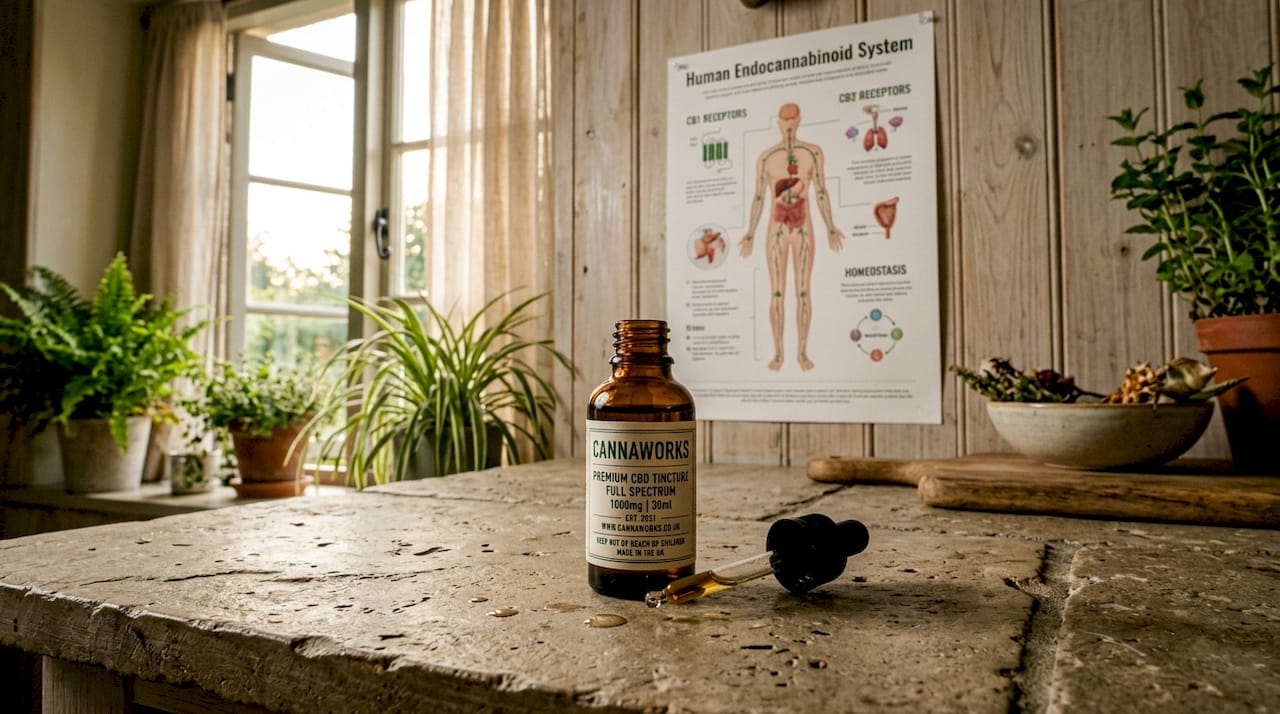
Getting the CBD dosage for anxiety right is the single most consequential decision you will make when starting out. Randomised controlled trials have studied purified CBD at single doses of 300 to 800 mg and daily regimens up to 1,000 mg, with mixed but promising outcomes, particularly for social anxiety. Most over-the-counter products sold in the UK contain far lower concentrations than those studied in trials. This means the label serving size alone is not a reliable guide to therapeutic effect.
The principle that practitioners consistently recommend is “start low, go slow.” Begin with a low dose, observe how your body responds over several days, and adjust gradually. Key practical points to bear in mind:
- Start with 10 to 25 mg per day and hold that dose for at least one week before changing it.
- Track both acute and baseline anxiety. Acute anxiety refers to how you feel in a specific stressful situation. Baseline anxiety is your general day-to-day tension level. Both matter.
- Do not assume commercial doses equal research doses. Real-life CBD dosing often delivers lower amounts than studied in trials, so adjust based on your personal response rather than the label alone.
- Note the time of day you take CBD. Some people find morning dosing reduces daytime tension, while others prefer evening use to support sleep and lower overnight stress.
Pro Tip: Keep a simple notes app entry each day rating your anxiety from 1 to 10, the dose you took, and the time. After two weeks, patterns become visible that would otherwise be invisible.
2. Natural anxiety remedies to combine with CBD
CBD for anxiety relief works most effectively when paired with natural strategies that target the nervous system directly. Nature-based interventions show a standardised mean difference of −0.83 for anxiety reduction across a meta-analysis covering over 3.8 million participants. That is a strong effect, comparable in magnitude to many pharmaceutical interventions. Combining these approaches with CBD may amplify symptom relief by addressing anxiety through multiple pathways simultaneously.
The most evidence-supported natural anxiety remedies to layer alongside CBD include:
- Aerobic exercise. Even 20 to 30 minutes of brisk walking lowers cortisol and raises endorphin levels. Exercise also upregulates the endocannabinoid system, which may make CBD more effective.
- Mindfulness meditation. Practices such as body scan meditation and mindful breathing reduce activity in the amygdala, the brain region most associated with fear and anxiety responses.
- Diaphragmatic breathing. Slow, deep breathing activates the parasympathetic nervous system within minutes. The 4-7-8 technique (inhale for 4 counts, hold for 7, exhale for 8) is widely used and requires no equipment.
- Time in natural environments. Spending time in parks, woodlands, or near water has measurable physiological effects, including lower heart rate and reduced cortisol. Even 20 minutes outdoors produces a meaningful shift.
- Sleep hygiene. Poor sleep amplifies anxiety the following day. Consistent sleep and wake times, limiting screen exposure before bed, and a cool, dark room all support the nervous system’s recovery.
“Natural strategies such as exercise, mindfulness, and breathing target stress physiology and complement CBD’s effects for anxiety relief.” — mypsychotherapy.org
3. How product consistency affects your anxiety relief
Switching between CBD products is one of the most common mistakes people make when using CBD oil for stress. Bioavailability varies significantly depending on whether you use an oil tincture, a soft gel capsule, or an inhaled format, and these differences affect both the timing and intensity of effects. Changing products mid-assessment makes it impossible to know whether a change in your anxiety is due to the CBD or simply the new formulation.
The table below summarises how common CBD formats compare on key practical factors:
| Format | Onset time | Bioavailability | Best suited for |
|---|---|---|---|
| Oil tincture (sublingual) | 15 to 45 minutes | Moderate to high | Flexible, adjustable dosing |
| Soft gel capsule | 45 to 90 minutes | Moderate | Consistent daily dosing |
| Inhaled (vape) | 2 to 10 minutes | High | Acute situational anxiety |
| Gummy / edible | 60 to 120 minutes | Lower, variable | Gradual, sustained effect |
Keeping your product and format constant for at least four to six weeks gives you a reliable baseline. Consistent product use is the only way to accurately interpret whether your dosage is working or needs adjustment. Smokocbd’s broad-spectrum tinctures, for example, use a fixed formulation with third-party lab testing, which makes dose-to-dose consistency far more predictable than switching between brands.
4. Medication safety: what to know before combining CBD with prescriptions
CBD interacts with several common medication classes, and this is not a minor consideration. The Mayo Clinic warns that CBD combined with alcohol or central nervous system (CNS) acting drugs can amplify side effects including dizziness, drowsiness, and poor concentration. If you are already taking medication for anxiety, depression, or sleep, this is particularly relevant.
Medications most commonly affected include:
- Sedatives and sleep aids such as diazepam or zopiclone, where CBD may intensify sedation.
- Antidepressants including SSRIs and SNRIs, where interactions can affect both efficacy and side effect profiles.
- Antihistamines used for allergies or sleep, which already cause drowsiness that CBD may compound.
- Anticonvulsants, where CBD has known pharmacokinetic interactions affecting drug blood levels.
A structured safety checklist before starting CBD is the most practical way to identify potential interactions. Write down every medication and supplement you currently take, including over-the-counter products, and review the list with your GP or pharmacist. You can also find detailed guidance on CBD drug interactions to prepare for that conversation.
It is also worth noting that hemp-related adverse reactions include anxiety itself, fatigue, nausea, and headache, with a reporting odds ratio of 5.15 for anxiety among adverse events in FAERS data. This means CBD is not universally calming for everyone, and individual responses vary by age and gender.
Pro Tip: Before your first dose, photograph your current medication list and share it with your GP. A five-minute conversation can prevent weeks of confusing side effects.
5. How to monitor and adjust your CBD anxiety management plan
Effective CBD anxiety management is not a set-and-forget process. Tracking your response systematically is what separates people who find a dose that works from those who give up after a few weeks. Dual tracking of situational and baseline anxiety provides a nuanced picture that single-measure tracking misses entirely.
Follow these steps to build a monitoring routine that actually informs your decisions:
- Rate your baseline anxiety each morning on a simple 1 to 10 scale before taking any CBD. This captures your general nervous-system state before the day’s stressors arrive.
- Rate acute anxiety after specific triggers. If public speaking, social situations, or work deadlines spike your anxiety, note your score immediately after those events.
- Log environmental and lifestyle factors. Sleep quality, caffeine intake, exercise, and major life stressors all influence anxiety independently of CBD. Recording these prevents false conclusions.
- Review your log every two weeks. Look for trends rather than day-to-day fluctuations. A consistent downward trend in baseline scores over a fortnight is a meaningful signal.
- Adjust dose by no more than 5 to 10 mg at a time. Larger jumps make it harder to identify the dose responsible for any change, positive or negative.
Apps such as Bearable or Daylio make this tracking straightforward on a smartphone, with mood and symptom logging that takes under two minutes per day. The goal is to build a personal evidence base, because what works at 25 mg for one person may require 50 mg for another.
Key takeaways
Effective CBD anxiety management combines appropriate dosing, natural complementary strategies, product consistency, and medication safety awareness.
| Point | Details |
|---|---|
| Start with a low dose | Begin at 10 to 25 mg daily and adjust gradually based on your personal response. |
| Combine with natural strategies | Exercise, mindfulness, and time outdoors amplify CBD’s anxiety-reducing effects. |
| Keep your product consistent | Switching formats changes bioavailability and makes it impossible to assess your dose accurately. |
| Check medication interactions | CBD can amplify CNS side effects of sedatives, antidepressants, and antihistamines. |
| Track both anxiety types | Log situational and baseline anxiety separately to build a clear picture of what is working. |
Why I think most people approach CBD anxiety management back to front
Most people I speak with start by asking “how much CBD should I take?” when the more useful first question is “what does my anxiety actually look like day to day?” Without a clear baseline, you have no way of knowing whether CBD is helping, and you are likely to either give up too soon or keep increasing the dose unnecessarily.
The research is clear that CBD shows genuine promise for anxiety reduction, but it is not a standalone solution. I have seen people get real, lasting benefit from CBD precisely because they treated it as one layer of a broader plan that included exercise, better sleep, and mindfulness. The people who struggle are usually those who expect CBD to do all the work while everything else stays the same.
My honest advice: spend the first two weeks doing nothing but tracking your anxiety before you even start CBD. That baseline data is worth more than any dosage chart. Then introduce CBD at a low dose, keep your natural strategies running in parallel, and let the data tell you what to do next. Patience and self-awareness are the two most underrated tools in anxiety management, and CBD works best when you bring both to the process.
— Mike
Try Smokocbd’s lab-tested CBD tinctures for anxiety support
If you are ready to put these strategies into practice, Smokocbd offers broad-spectrum CBD tinctures that make consistent dosing straightforward from day one.
The 500 mg citrus tincture is a practical starting point for new users, offering a manageable potency that suits the “start low, go slow” approach. For those who have already established a baseline and want to step up, the 1000 mg mint tincture delivers higher potency with the same third-party lab-tested formulation and zero THC. Every Smokocbd product is made from organically grown hemp and tested for consistency, so the dose you take today matches the dose you take next month. That consistency is exactly what effective anxiety monitoring requires.
FAQ
What is a safe starting CBD dose for anxiety?
Most practitioners suggest starting at 10 to 25 mg of CBD per day and holding that dose for at least one week before adjusting. Research trials have used doses from 300 to 800 mg, but over-the-counter products typically deliver lower amounts, so personal tracking matters more than matching trial doses.
Can CBD make anxiety worse?
Yes, in some cases. FAERS data shows a reporting odds ratio of 5.15 for anxiety as an adverse event associated with hemp use, and individual responses vary by age and gender. If you notice increased anxiety, irritability, or restlessness after starting CBD, reduce your dose or stop use and consult a healthcare professional.
How does CBD help with anxiety?
CBD interacts with the endocannabinoid system, which regulates stress responses, mood, and nervous-system activity. It is thought to modulate serotonin receptors and reduce activity in anxiety-related brain regions, though the precise mechanisms are still being studied.
Is it safe to take CBD with antidepressants?
CBD can interact with antidepressants and other CNS-acting medications, potentially amplifying side effects such as drowsiness and dizziness. Always review your current medications with a GP or pharmacist before starting CBD, particularly if you are taking SSRIs, SNRIs, or sedatives.
How long does CBD take to reduce anxiety symptoms?
Effects vary by format and individual. Sublingual tinctures typically produce effects within 15 to 45 minutes, while capsules and edibles can take up to 90 minutes or longer. Consistent daily use over several weeks is generally needed to assess baseline anxiety improvements.