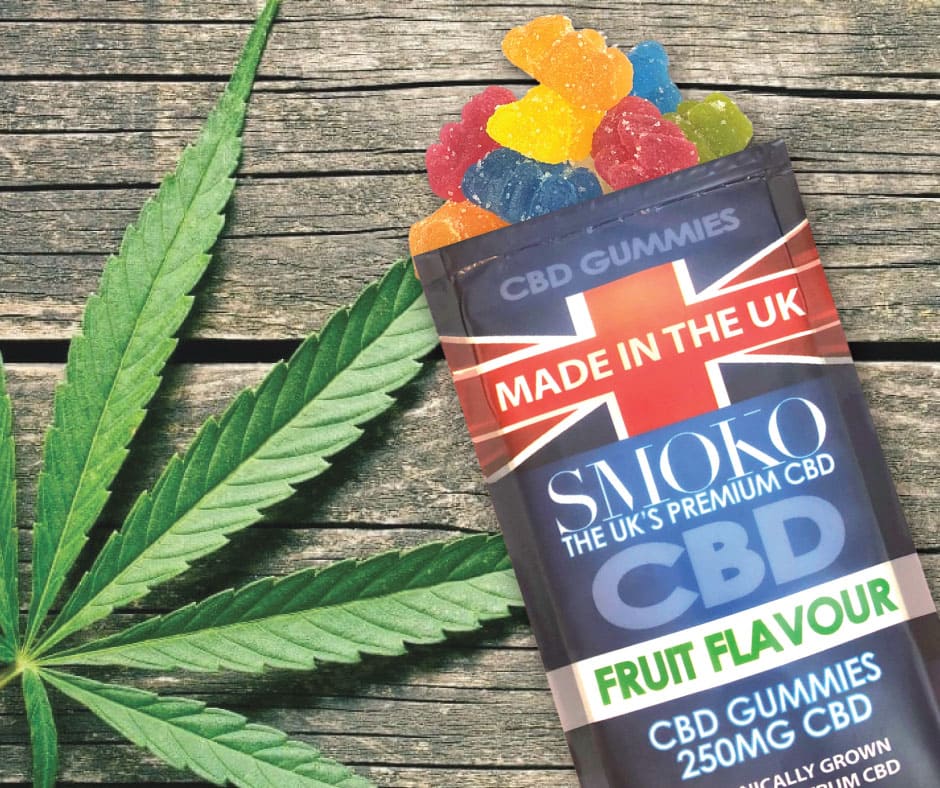
TL;DR:
- CBD, derived from hemp, effectively reduces chronic neuropathic pain and anxiety symptoms based on recent studies. Proper dosing, delivery methods, and third-party tested products are essential for safety and effectiveness. Consultation with healthcare providers is recommended before starting CBD, especially when on prescription medications.
Cannabidiol (CBD) is a non-psychoactive compound derived from hemp that shows genuine promise for managing chronic conditions, particularly neuropathic pain and anxiety. A 2026 University of Sydney trial found that CBD reduced chronic neuropathic pain by around 14%, with some participants reporting over 30% relief. A separate meta-analysis found CBD produces strong reductions in anxiety symptoms, with a Hedges’ g effect size of 0.92 across eight studies. These findings position CBD as a credible, evidence-backed option for adults seeking natural relief, provided they approach it with realistic expectations and quality products.
How does CBD work for chronic pain and anxiety?
CBD acts on the endocannabinoid system, a network of receptors found throughout the brain and body that regulates pain, mood, sleep, and immune response. When CBD interacts with CB1 and CB2 receptors, it can tone down pain signals travelling through the nervous system and calm overactive stress responses in the brain. This is why CBD for pain relief and using CBD for anxiety often produce noticeable results, while its effect on conditions like major depressive disorder is far less consistent.

The distinction matters. CBD’s anxiolytic effects stem from region-specific brain responses, particularly in areas governing fear and threat perception. Depression involves different neural pathways, and cannabinoids do not modulate those pathways as effectively. This explains why a meta-analysis covering 316 participants found strong evidence for anxiety reduction but insufficient evidence for depression treatment.
Dose-response relationships also vary significantly between individuals. Body weight, metabolism, the severity of the condition, and prior cannabinoid exposure all influence how much CBD a person needs. Starting low and adjusting gradually is not just cautious advice. It is the approach that clinical trials themselves have used to achieve meaningful results.
Pro Tip: Keep a simple symptom diary from day one. Recording your pain or anxiety score each morning and evening gives you real data to guide dose adjustments, rather than relying on vague impressions.
What dosage and delivery methods work best?
Clinical trials have used doses between 200mg and 800mg of CBD daily to achieve measurable pain relief. The University of Sydney trial escalated doses from 200mg upward over six weeks, reaching effective levels safely. Most consumer products sit well below these doses, which is one reason results can feel underwhelming for people with significant chronic pain.
Delivery method affects both speed and consistency of effect. Inhalation provides faster onset because CBD enters the bloodstream directly through the lungs. Oral formats such as tinctures, soft gels, and gummies take longer to act because they pass through the digestive system, but they tend to produce steadier, longer-lasting effects. Topical products work locally and are less useful for systemic conditions like generalised anxiety.
| Delivery method | Onset time | Duration | Best suited for |
|---|---|---|---|
| Inhalation (flower) | 5–15 minutes | 1–3 hours | Acute anxiety episodes |
| Tincture (sublingual) | 15–45 minutes | 4–6 hours | Daily pain and anxiety management |
| Soft gel capsules | 30–90 minutes | 6–8 hours | Consistent overnight or daytime dosing |
| Gummies (edibles) | 45–120 minutes | 6–8 hours | Convenient daily supplementation |
CBD flower products may offer more immediate anxiety relief than edibles due to faster absorption. However, for adults managing chronic conditions who need reliable, consistent effects throughout the day, oral formats such as tinctures and soft gels are the more practical choice.
Pro Tip: If you are using a tincture, hold the oil under your tongue for 60–90 seconds before swallowing. This sublingual absorption bypasses the digestive system and speeds up onset noticeably.
What safety considerations should you know about?
CBD generally carries a favourable safety profile with few serious side effects, even at high doses used in clinical settings. That said, some people experience drowsiness, dry mouth, reduced appetite, or mild gastrointestinal discomfort, particularly when starting out or increasing their dose too quickly.
The more serious concern is drug interactions. CBD inhibits a group of liver enzymes called cytochrome P450, which the body uses to metabolise many common prescription medications. This means CBD can raise or lower the effective concentration of drugs including blood thinners, anticonvulsants, and certain antidepressants. Anyone taking prescription medication should review CBD drug interactions with their GP before starting.
Key safety points to keep in mind:
- Drowsiness and fatigue are the most commonly reported side effects, especially at higher doses.
- Drug interactions are a real risk. CBD affects how the liver processes many medications.
- Product inaccuracy is a significant market problem. Inconsistent product labelling and unverified cannabinoid content are the greatest risks consumers face in the unregulated CBD market.
- Pregnancy and breastfeeding are contraindications. CBD use is not recommended during either.
- Medical supervision is advisable for anyone managing a chronic condition with existing prescriptions.
“CBD can be a reasonable, cautious option for anxiety, but the main risks arise from product inconsistency. Rigorous third-party testing is not optional. It is the minimum standard consumers should demand before purchasing any CBD product.”
How do you choose a high-quality CBD product?
Product quality varies enormously across the UK market. The three main types of CBD extract are broad spectrum, full spectrum, and isolate. Broad spectrum contains CBD alongside other beneficial cannabinoids and terpenes, but with THC removed. Full spectrum retains trace amounts of THC. Isolate is pure CBD with no other plant compounds. For most adults managing chronic conditions, broad spectrum offers a good balance of effectiveness and reassurance around THC content.
Third-party lab testing is the single most important quality indicator. A reputable brand publishes Certificates of Analysis (COAs) from independent laboratories, confirming the cannabinoid profile and verifying the absence of pesticides, heavy metals, and solvents. Without a COA, you have no way to confirm what is actually in the product.
Practical checks when selecting a CBD product:
- Verify the COA. Look for a report from an accredited third-party laboratory, not an in-house test.
- Check the cannabinoid profile. The CBD content on the label should match the lab report within a reasonable margin.
- Confirm THC levels. In the UK, legal CBD products must contain no more than 0.2% THC.
- Review the ingredient list. Avoid products with unnecessary fillers, artificial sweeteners, or undisclosed additives.
- Research the brand’s sourcing. Organically grown hemp with transparent supply chains is a reliable quality signal.
Pro Tip: Search for the product’s batch number on the brand’s website to pull up the corresponding COA. If a brand does not publish batch-specific lab reports, that is a clear reason to look elsewhere.
Smokocbd sources its hemp from the USA, uses broad spectrum extracts, and publishes third-party lab results confirming zero THC. That level of transparency is the standard worth holding all CBD purchases to.
What steps should you follow to integrate CBD into your routine?
A structured approach makes the difference between a frustrating trial and a genuinely useful addition to your chronic condition management. The process does not need to be complicated, but it does need to be deliberate.
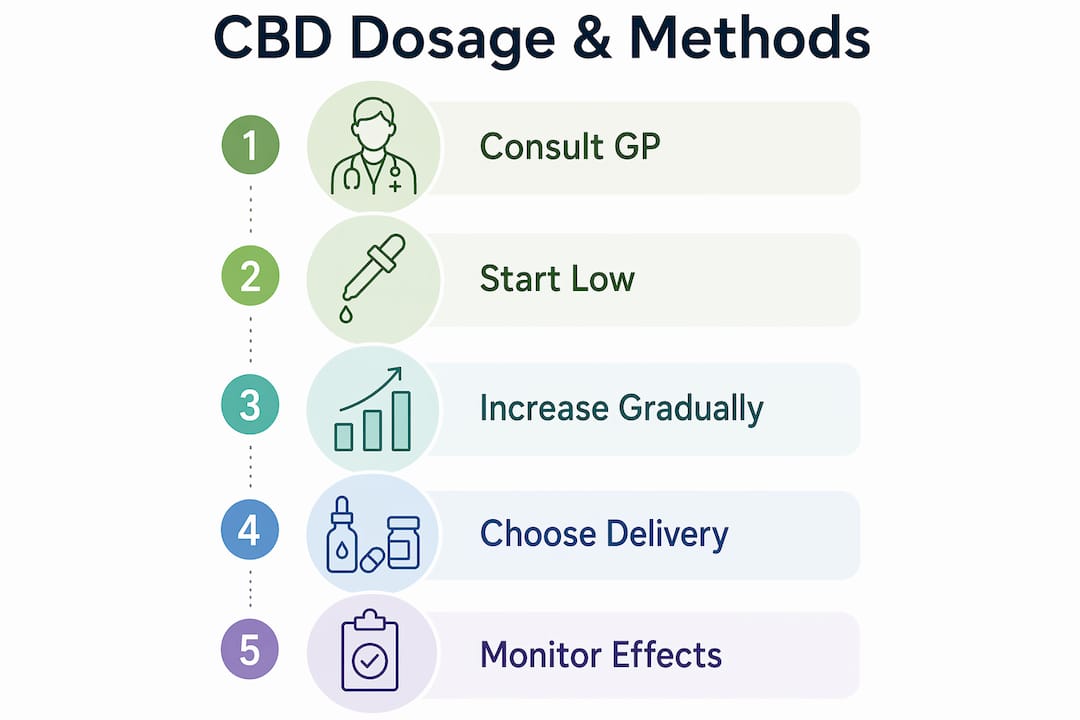
- Consult your GP or specialist first. Share your current medications and discuss whether CBD is appropriate for your specific condition. This step is non-negotiable if you take prescription drugs.
- Choose your delivery method based on your primary symptom. For daily chronic pain and anxiety, a tincture or soft gel offers consistent dosing. For acute anxiety episodes, faster-acting formats may be more useful.
- Start with a low dose. A starting point of 10–25mg per day is sensible for most adults. Give your body at least one to two weeks at this level before making any changes.
- Keep a symptom diary. Record your pain score, anxiety level, sleep quality, and any side effects daily. This gives you an objective record to guide adjustments.
- Increase gradually. If you see no benefit after two weeks, increase by 5–10mg increments. Do not rush this process. Effective dosing for chronic conditions often takes four to six weeks to establish.
- Review regularly. Reassess your symptoms and overall wellbeing every four weeks. If you experience worsening symptoms, new side effects, or no improvement after eight weeks, consult your healthcare provider.
| Stage | Action | Timeframe |
|---|---|---|
| Preparation | GP consultation and medication review | Before starting |
| Initiation | Begin at 10–25mg daily | Week 1–2 |
| Assessment | Review symptom diary and adjust dose | Week 3–4 |
| Titration | Increase by 5–10mg if needed | Week 5–6 |
| Ongoing review | Reassess with healthcare provider | Every 4 weeks |
The most common mistake adults make is abandoning CBD after one or two weeks at a dose that is too low to produce any effect. Effective pain management in clinical trials depended on reaching adequate doses over several weeks, not days. Patience and consistency are as important as the product itself.
Key takeaways
CBD works best for chronic conditions when paired with consistent dosing, quality-verified products, and professional oversight.
| Point | Details |
|---|---|
| Pain and anxiety evidence | A 2026 trial showed up to 30% pain relief; meta-analysis confirmed strong anxiety reduction. |
| Dose titration matters | Clinical trials used 200–800mg daily; consumer doses often need gradual increases to be effective. |
| Delivery method affects onset | Tinctures and soft gels suit daily management; inhalation suits acute anxiety episodes. |
| Third-party testing is essential | Always verify a batch-specific COA before purchasing any CBD product. |
| Medical supervision is advisable | CBD interacts with many prescription medications; consult your GP before starting. |
What I have learned from watching people use CBD for chronic conditions
The evidence for CBD is more credible than the sceptics admit and more limited than the enthusiasts claim. That tension is where most people get lost.
What strikes me most is how often people fail not because CBD does not work, but because they buy an untested product at an inadequate dose and give up after a fortnight. The naturalistic studies showing 34.8% anxiety reduction over four weeks did not happen by accident. Those results came from consistent use of quality products over a meaningful period.
The other thing I would push back on is the idea that CBD is a standalone solution. For adults managing arthritis, nerve pain, or chronic anxiety, CBD works best as one part of a broader plan that includes medical oversight, lifestyle adjustments, and realistic expectations. Treating it as a miracle cure sets people up for disappointment. Treating it as a useful, evidence-backed tool with known limitations is a far more productive starting point.
The market quality problem is real and it is not going away quickly. Until regulation tightens, the burden falls on consumers to demand third-party lab reports and choose brands that are transparent about sourcing and testing. That is not an unreasonable ask. It is just the current reality.
— Mike
Smokocbd’s lab-tested CBD range for chronic condition support
If you have read this far and are ready to try CBD with confidence, the quality of your first product matters more than most people realise.
Smokocbd offers a range of broad spectrum CBD products made from organically grown hemp, with zero THC confirmed by independent laboratory testing. The 1000mg broad spectrum CBD tincture is a strong starting point for adults managing chronic pain or anxiety, offering flexible sublingual dosing that you can adjust as you find your effective level. For those who prefer a fixed daily dose, the broad spectrum soft gel capsules provide 750mg per pack with consistent, measured delivery. All products come with published COAs, so you can verify exactly what you are taking before your first dose.
FAQ
What is CBD and how does it help chronic conditions?
CBD (cannabidiol) is a non-psychoactive hemp compound that interacts with the endocannabinoid system to reduce pain signals and calm anxiety responses. A 2026 trial showed it reduced chronic neuropathic pain by around 14%, with some individuals reporting over 30% relief.
How much CBD should I take for chronic pain?
Clinical trials used doses between 200mg and 800mg daily for neuropathic pain, escalating gradually over six weeks. Consumer use should start at 10–25mg daily and increase slowly under medical guidance.
Is CBD safe to use alongside prescription medication?
CBD inhibits liver enzymes that process many common medications, including blood thinners and anticonvulsants. Always consult your GP before combining CBD with any prescription drug.
Does CBD work for anxiety as well as pain?
Yes. A meta-analysis of eight studies found CBD produces strong reductions in generalised and social anxiety symptoms. Evidence for depression is insufficient, as CBD affects different brain pathways than those involved in depressive disorders.
How do I know if a CBD product is good quality?
Look for a batch-specific Certificate of Analysis from an accredited third-party laboratory. The lab report should confirm the CBD content matches the label and verify the absence of THC, pesticides, and heavy metals.