Current evidence does not show that CBD reliably treats gout. There are no human clinical trials testing CBD specifically for gout, and what limited data exists comes from other joint conditions or animal studies. Some people report easier sleep and calmer pain perception, but CBD can interact with common gout medicines, including colchicine, so a conversation with a clinician matters more than the dose you pick. The UK’s provisional ADI offers a sensible daily ceiling while that conversation happens.
TL;DR:
- Human evidence for CBD’s effectiveness in treating gout is nonexistent, with the best data coming from studies on other joint conditions that show limited pain relief.
- The highest-quality trial on oral CBD for joint pain found no benefit over placebo and observed increased liver enzyme levels at higher doses, raising safety concerns.
- CBD interacts with liver enzymes responsible for metabolizing common gout medications, especially colchicine, which can lead to unpredictable drug levels and toxicity.
- Using CBD within the UK’s provisional daily limit of 10 mg for a typical adult is advisable, with topical formulations offering potentially fewer interactions than oral products.
- Patients should consult a clinician before trying CBD, bring a verified product COA, and avoid use during acute gout flares or if they are pregnant, breastfeeding, or have liver issues.
Table of Contents
- What the research says about CBD and joint pain
- How CBD could plausibly affect gout symptoms
- Safety first: liver effects, drug interactions and vulnerable groups
- How to use CBD for joint discomfort within safe limits
- When to avoid CBD and how to prepare for a clinical discussion
- SMOKO CBD’s approach to transparency and a safe starter checklist
- Why the evidence gap matters more than the marketing
- Where SMOKO CBD products fit into a cautious trial
- Sources
- FAQ
What the research says about CBD and joint pain
Gout has never had its own CBD trial. Everything we know is borrowed from research into other joint conditions, plus a body of preclinical work in animals, which is a meaningful gap when you’re the one deciding whether to try it.
The clearest human data comes from a randomised trial of high-dose oral CBD in knee osteoarthritis, which found no meaningful pain advantage over placebo. Participants taking the higher doses also showed liver enzyme elevations more than those on placebo, a signal that matters for anyone considering regular oral use. This single trial doesn’t settle the question for every joint condition, but it’s the best-controlled evidence available, and it points the same direction as several smaller studies in rheumatoid arthritis: modest or absent pain relief, with tolerability concerns rising alongside the dose.
Animal studies tell a more encouraging story, though one that needs a large pinch of salt. Rodent models of joint inflammation have shown CBD reducing inflammatory markers and pain-related behaviour, which is part of why interest in CBD for arthritis and gout persists despite the thin human evidence. The trouble is translation: a mouse’s inflamed paw and a person’s urate-crystal-packed big toe are not the same biological event, and a compound that calms inflammation in a lab model does not automatically do the same job in a gout flare.
What the strongest available studies actually measured, and found, breaks down like this:
- Knee osteoarthritis trial: high-dose oral CBD versus placebo, measuring pain scores and safety; result was no superior pain relief and more liver enzyme elevations in the CBD group.
- Rheumatoid arthritis studies: small trials assessing pain and inflammatory markers with cannabis-based compounds; results have been mixed, with no consistent, reproducible pain benefit.
- Animal joint inflammation models: measuring inflammatory cytokines and pain behaviour after CBD administration; results showed reductions in both, but in non-human systems.
- Gout specifically: according to Healthline’s review of CBD oil for gout, no clinical studies exist in humans at all, so any claim about gout is extrapolated rather than tested.
The UK’s provisional ADI for CBD is set at 10 mg per day for a typical adult, based on body weight calculations. This figure gives readers a practical safety benchmark, especially given that the osteoarthritis trial’s liver enzyme signal appeared at doses well above typical consumer products.
None of this means CBD does nothing for joint discomfort. It means the evidence for gout specifically doesn’t exist yet, and the closest available evidence from other joint conditions is, at best, unconvincing on pain relief and worth watching on safety.
How CBD could plausibly affect gout symptoms
To understand why CBD is even discussed alongside gout, it helps to know what it actually does inside the body. CBD interacts with the endocannabinoid system, a network of receptors and signalling molecules involved in regulating pain, mood and inflammation. Rather than binding tightly to the two main cannabinoid receptors the way THC does, CBD works more indirectly, nudging several pathways at once: it affects TRPV1 channels (involved in pain and heat sensing), interacts with PPAR-gamma receptors linked to inflammation control, and influences levels of anandamide, the body’s own “bliss molecule” that normally breaks down quickly after release.
This scattergun mechanism is part of why CBD gets called an immuno-modulator rather than a straightforward painkiller. It doesn’t block pain signals outright the way an NSAID or colchicine does; it may tone down some of the inflammatory signalling that contributes to pain and swelling, at least in laboratory settings.
Animal studies back this up to a point. Rodent models have shown CBD reducing pro-inflammatory cytokines (the chemical messengers that ramp up swelling and pain) and improving pain-related behaviours after joint injury or inflammation. These are real, measurable effects in controlled lab conditions.
The limits are where things get relevant for gout specifically:
- Gout is crystal-driven inflammation, triggered by uric acid crystals depositing in a joint and activating a very specific immune response (the NLRP3 inflammasome pathway); this is mechanistically distinct from the general inflammatory models used in most CBD animal research.
- Bioavailability varies hugely by format: oral CBD (oils, gummies, capsules) passes through the liver and gut before reaching circulation, so a meaningful proportion is broken down before it has any effect, while topical CBD acts more locally on the skin and underlying tissue without that first-pass loss.
- Dose matters more than marketing suggests: the osteoarthritis trial’s negative result used high oral doses, which raises the question of whether typical consumer products, often dosed far lower, could plausibly do more.
None of this proves CBD works for gout, and it doesn’t disprove it either. It simply means the biological story is plausible enough to justify some interest, while remaining a long way short of a demonstrated treatment.
Safety first: liver effects, drug interactions and vulnerable groups
This is the section that matters most if you already take medication for gout, and it deserves your full attention before anything else in this article.
CBD is a competitive inhibitor of several cytochrome P450 liver enzymes, the same enzyme family responsible for metabolising a wide range of prescription drugs. According to Healthline’s review, this creates a genuine risk of interaction with medicines commonly used for gout, including colchicine, and with NSAIDs used for acute flares. When CBD slows down the enzymes that break down colchicine, blood levels of colchicine can rise unpredictably, which matters because colchicine already has a narrow safety margin. A practical guide to CBD drug interactions recommends telling any clinician about CBD use precisely because these interactions are easy to miss without a full medication review.
The osteoarthritis trial’s finding of raised liver enzymes at higher oral doses reinforces the same message: CBD is not risk-free simply because it’s sold as a supplement. Somnolence (excessive sleepiness) was also reported more often at higher doses in that trial, which matters if you drive or operate machinery.
Before starting CBD if you have gout, work through this checklist:
- List every medicine and supplement you currently take, including over-the-counter NSAIDs, since interactions aren’t limited to prescription-only drugs.
- Ask your GP or pharmacist specifically about colchicine and NSAID interactions if you take either, given the cytochrome P450 overlap.
- Flag any existing liver condition, since baseline liver function affects how safely you can metabolise CBD alongside other drugs.
- Mention pregnancy, breastfeeding or immunosuppression, as the Food Standards Agency advises these groups seek medical guidance before using CBD at all.
- Request baseline liver function tests if you plan regular oral use over several weeks, so any change can be caught early.
Pro Tip: Bring the product’s certificate of analysis (COA) and your full medicine list to any clinician appointment, so they can check actual CBD content against your other prescriptions rather than guessing from the label.
Vulnerable groups deserve extra caution here. Alongside pregnant and breastfeeding people, anyone immunosuppressed or on multiple long-term prescriptions should treat CBD as something to discuss first, not add quietly. This isn’t overcaution for its own sake: it’s the same standard applied to any substance capable of altering how your liver processes other drugs.
How to use CBD for joint discomfort within safe limits
If you’ve had the medication conversation and decided to try CBD, the next question is practical: which format, how much, and for how long.
Topical versus oral is the first fork in the road. Topical CBD, applied as a balm or cream directly over an affected joint, acts locally and doesn’t pass through the liver first, which may make it a lower-interaction option for people on colchicine or NSAIDs, though evidence for its effectiveness is still preclinical. Oral CBD, in oils, gummies or soft gels, affects the whole body and is more likely to interact with medications, but it’s the format most existing trial evidence has actually studied, however imperfectly.
The UK’s provisional ADI gives you a number to work from: 10 mg per day for a 70 kg adult, for products that are at least 98% pure CBD. Checking a label against this is straightforward once you know what to look for: divide the total CBD content of the bottle by the number of servings to get milligrams per serving, then compare that figure against 10 mg to see how much headroom you have.
A sensible starter protocol looks like this:
- Choose a product with a visible, batch-specific COA confirming CBD content and zero or negligible THC.
- Start at a low dose in the evening, since somnolence is a known effect and nighttime dosing turns a side effect into a potential benefit for sleep.
- Set a defined trial window of two to six weeks, tracking pain levels, sleep quality and any side effects in a simple daily note.
- Stop immediately if you notice unusual fatigue, digestive upset or any sign of liver-related symptoms, and mention it at your next appointment.
Typical labelled CBD content varies considerably by format, which is why checking your specific product matters more than following a generic rule:
| Product form | Typical labelled CBD per serving | Notes |
|---|---|---|
| Oil drops | 5 mg per dropper | Easiest to titrate in small increments |
| Soft gel capsule | 10 mg per capsule | Fixed dose, harder to adjust finely |
| Gummy | 5 mg per gummy | Similar fixed-dose limitation as capsules |
| Topical balm | Not standardised per application | Effect is local rather than systemic |
Always check the actual label on the product in front of you rather than assuming these ranges apply, since formulations differ between brands and batches.
Whatever format you choose, CBD is not a substitute for standard acute gout treatment. NSAIDs, colchicine, or steroids remain the evidence-based options during a flare, and CBD’s role, if any, sits alongside longer-term symptom management rather than emergency relief.

When to avoid CBD and how to prepare for a clinical discussion
Some situations call for skipping CBD altogether rather than experimenting cautiously. Pregnancy and breastfeeding are clear no-go zones, in line with Food Standards Agency guidance for the general population. Significant existing liver disease is another, given CBD’s effect on liver enzymes. Anyone on a complex prescription regimen, particularly one including colchicine, NSAIDs or other drugs processed by the liver, should treat CBD as something to clear with a clinician first rather than a low-risk add-on.
When you do book that conversation, come prepared:
- Bring a full, current medication list, including doses and how long you’ve taken each one.
- Bring the CBD product’s COA, so the clinician can see actual CBD and THC content rather than marketing claims.
- Bring a proposed dosage plan, including format, starting dose and how long you intend to trial it.
- Ask whether baseline liver function tests are appropriate, particularly if you plan regular oral use.
- Ask directly about interactions with colchicine or NSAIDs if either is part of your current treatment.
If you’re in the middle of an acute gout flare, this is not the moment to start CBD. Acute attacks respond to established treatments, and delaying them in favour of an untested supplement risks prolonged pain and joint damage. CBD, if it has a place at all, belongs in the longer-term picture, not the emergency one.
SMOKO CBD’s approach to transparency and a safe starter checklist
They make broad-spectrum tinctures, gummy bears and soft gel capsules from organically grown hemp, with every batch checked by third-party lab testing to confirm zero THC. That testing matters more than it might seem: a review in ACR journals points out that CBD products generally aren’t regulated to the same clinical standard as prescription medicines, which makes verified content and purity a genuine differentiator rather than a marketing flourish. Readers can check SMOKO CBD’s own pages on product quality standards and UK regulatory context for more detail on what to look for on a label.
Mike, who writes SMOKO CBD’s educational content on joint conditions, focuses this piece on what the evidence actually supports for gout rather than what’s commonly assumed. If you’re weighing up a trial of CBD for joint discomfort, a workable checklist looks like this:
- Pick a COA-verified product so you know exactly what you’re taking.
- Record your baseline pain and sleep quality before starting, so any change is measurable rather than impressionistic.
- Begin with a low nighttime dose, staying within the provisional ADI.
- Review progress with a clinician within your trial window, particularly if you take colchicine or NSAIDs.
Why the evidence gap matters more than the marketing
The honest position on CBD and gout is less exciting than most product pages suggest, and that’s precisely the point worth making. The strongest evidence we have, from osteoarthritis trials, leans towards no clear pain benefit and a real signal for liver enzyme changes at higher doses. Extrapolating this to gout, a condition with a completely different inflammatory trigger, is a stretch that most marketing copy glosses over.
What gets underrated in most discussions of CBD and joint pain is the drug interaction risk, not the pain relief question. Colchicine has a narrow safety margin, and CBD’s effect on liver enzymes is not a footnote, it’s arguably the single most important thing a gout patient should ask their GP about before trying anything.
If you take one thing from this article, make it this: treat CBD as a conversation to have with a clinician before your gout medication, not a home remedy to layer on top of it quietly. The UK’s provisional ADI gives you a number to work from once that conversation has happened, not a green light to skip it.
— Mike
Where SMOKO CBD products fit into a cautious trial
If you’ve talked to a clinician and decided a low-dose trial makes sense, choosing a product with verified, consistent CBD content removes one variable from an already uncertain picture. Their tinctures, gummy bears and soft gels are made from organically grown hemp and checked by third-party lab testing to confirm zero THC, so you can calculate your daily intake against the provisional ADI with confidence in what’s actually in the bottle.
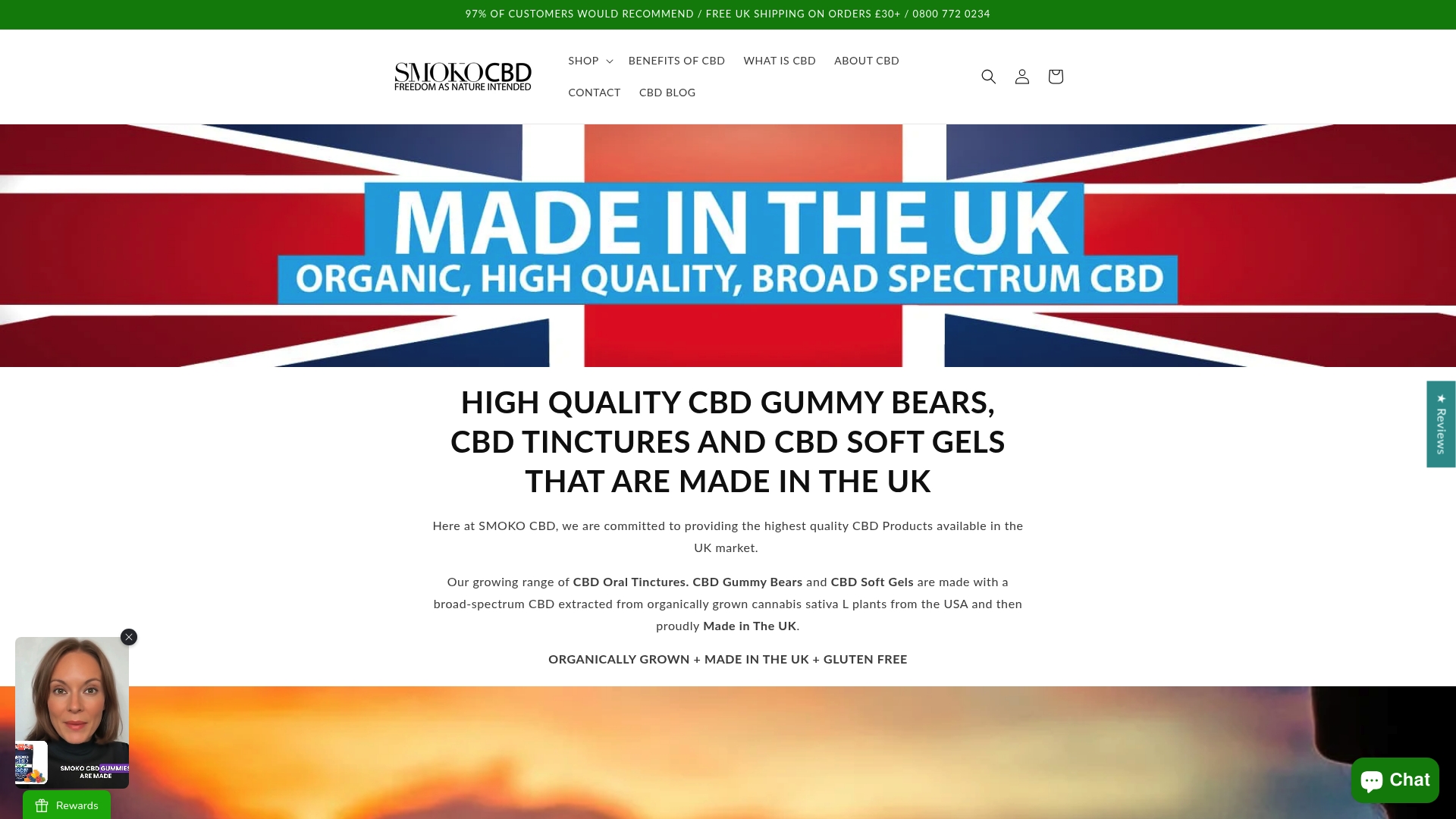
A tincture is often the easiest starting point for keeping intake low and adjustable, since drops let you titrate in small increments rather than committing to a fixed capsule or gummy dose. Soft gels and gummies suit people who prefer a consistent, pre-measured amount once they’ve settled on a dose that works.
Whichever format you choose, this remains a supplement to discuss with a clinician first, particularly if colchicine or NSAIDs are already part of your treatment. Browse the full range of tinctures, gummy bears and soft gels to see current options and lab testing details before you start.
Sources
For readers or clinicians who want to check the claims in this article directly:
- CBD oil for gout — Healthline
- Randomised trial: oral high‑dose cannabidiol in knee osteoarthritis — PMC
- Gov
FAQ
Does CBD reduce inflammation in joints?
Animal studies suggest CBD can reduce inflammatory markers and pain behaviour in joint inflammation models, but human trial evidence is weaker. A randomised trial in knee osteoarthritis found no superior pain relief over placebo, so the animal findings haven’t clearly translated to people yet.
What stops gout pain immediately?
Acute gout attacks are treated with NSAIDs, colchicine or steroids under medical guidance, not with CBD or other supplements. These are established, evidence-based options for fast symptom control during a flare, and delaying them risks prolonged pain and joint damage.
What do Chinese take for gout?
This question isn’t covered by the sources used in this article, and traditional remedy practices vary widely, so a reliable answer isn’t available here. Anyone considering a traditional or herbal approach to gout should discuss it with a clinician alongside standard evidence-based treatment.
Is it safe to take CBD and colchicine together?
CBD can inhibit liver enzymes involved in metabolising colchicine, which may raise colchicine levels unpredictably given its narrow safety margin, according to Healthline’s review of CBD for gout. Anyone on colchicine should speak to a GP or pharmacist before adding CBD, rather than combining them without medical review.