CBD can be sold lawfully in Great Britain, but only when a product clears three separate tests: food law, drugs law, and medicines regulation all apply at once, and failing any one of them puts a product at risk of enforcement. Before you sell or buy anything, check three things. First, is the product an authorised novel food, or does it at least appear on the FSA public list of CBD products? Second, does it meet the Misuse of Drugs Regulations ‘exempt product’ definition, keeping controlled cannabinoids below the operational threshold? Third, does the marketing avoid medicinal claims that would trigger MHRA licensing rules?
- Check the FSA public list or confirm a validated novel-food application exists
- Confirm the product meets the ‘exempt product’ test under the Misuse of Drugs Regulations 2001
- Review all marketing copy for implied medicinal claims
Pro Tip: Two figures matter more than any others right now: the provisional acceptable daily intake of 10 mg per day for high-purity CBD, and the controlled-cannabinoid-per-container threshold that Home Office guidance treats as the practical ceiling for an ‘exempt product’.
Key Takeaways
CBD products are lawful in Great Britain only when they clear novel-food authorisation, meet the Misuse of Drugs Regulations exempt-product test, and avoid unlicensed medicinal claims.
| Point | Details |
|---|---|
| Three-regime test | Every product must satisfy food law, drugs law, and medicines regulation simultaneously, not just one. |
| Novel-food status matters | Check the FSA public list or ask for a validated application reference before buying or stocking a product. |
| Know the 10 mg ADI | The provisional acceptable daily intake for high-purity CBD is 10 mg per day for a healthy adult. |
| Documentation beats claims | Accredited COAs and chain-of-custody records carry more weight with enforcement bodies than marketing copy. |
| Choose tested products | Smokocbd publishes third-party lab results confirming zero THC across its broad-spectrum tincture range. |
Table of Contents
- Which laws and regulators actually govern CBD?
- What does the novel foods regime require for edible CBD?
- What is the ‘exempt product’ test under the Misuse of Drugs Act?
- How much CBD and THC is actually considered safe?
- When does a CBD product become a medicine?
- What testing and labelling records do businesses need?
- How is CBD enforcement actually carried out?
- A step-by-step compliance checklist for CBD businesses
- How can consumers and retailers spot a compliant product?
- What regulatory changes should businesses expect next?
- A publisher’s view on managing CBD compliance risk
- Where Smokocbd fits into a compliant CBD purchase
- Frequently asked questions
- Sources
Which laws and regulators actually govern CBD?
CBD regulation in the UK isn’t a single rulebook. It’s four overlapping regimes, each run by a different authority, each with the power to act independently. A tincture sitting in a warehouse can simultaneously be a food, a potential medicine, and a potential controlled drug, depending on how it’s formulated and marketed.
The Misuse of Drugs Act 1971 and the Misuse of Drugs Regulations 2001 sit with the Home Office and its Drugs and Firearms Licensing Unit (DFLU). This is the “is it a controlled drug” question. Separately, food law through the Food Standards Agency (FSA) and Food Standards Scotland (FSS) governs anything ingested, meaning tinctures, gummies, and capsules all need novel-food clearance. Then there’s medicines regulation, enforced by the Medicines and Healthcare products Regulatory Agency (MHRA), which asks whether a product’s claims turn it into an unlicensed medicine. Finally, the Advertising Standards Authority (ASA) and its Committee of Advertising Practice (CAP) police how any of this gets marketed, regardless of what the underlying product is.
The awkward part: these bodies don’t cross-reference each other automatically. A product can be perfectly compliant with novel-foods law and still fall foul of MHRA rules purely through a poorly worded product description. Compliance means satisfying all four regimes, not just the one that feels most relevant to your product category.
What does the novel foods regime require for edible CBD?
Any edible CBD product, whether that’s an oil tincture, a gummy bear, or a soft gel capsule, needs novel-food authorisation before it can lawfully sit on a shelf in Great Britain and formulators must consider the role of terpenes in edibles for product development as explained by Elevated Remedies. This has been the case since CBD extracts were formally classed as novel foods in January 2019, according to GOV.UK guidance.
The FSA maintains a public list of products linked to validated applications, and it expects to issue recommendations to Ministers on the first formal CBD applications during Spring or Summer 2025, with products absent from that list subject to enforcement action. Getting a product onto that list, and eventually through to full authorisation, follows a broadly consistent path:
- Submit a novel-food application to the FSA with full safety data, manufacturing process details, and proposed conditions of use.
- Wait for validation, which confirms the application contains the required information, not that the product is safe or approved.
- Appear on the public list once validation is confirmed, which allows continued marketing while the full risk assessment proceeds.
- Await ministerial authorisation, the final step that converts a validated application into a legally settled market position.
Pro Tip: Validation is not authorisation. A validated application only earns a spot on the public list, which the FSA itself has clarified is not a product approval and should never be marketed as one. If your supplier can’t show you a validated application ID, or if the FSA later withdraws a validation over data quality concerns, you’re better off reformulating or pulling the product than gambling on eventual authorisation.
What is the ‘exempt product’ test under the Misuse of Drugs Act?
Every CBD product containing any trace of a controlled cannabinoid, and that includes THC, THC-V, and CBN, needs to satisfy the ‘exempt product’ definition set out in the Misuse of Drugs Regulations 2001, or it’s legally treated as a Class B controlled drug. That’s not a hypothetical risk category; it’s the default legal status unless the product proves otherwise.
The Home Office has been candid about the practical difficulty here: it’s nearly impossible to extract CBD without leaving trace controlled cannabinoids behind, even in high-purity isolates. That makes testing non-negotiable rather than a nice-to-have.
- Commission accredited batch testing using a laboratory that reports method detection limits, not just pass/fail results.
- Confirm total controlled cannabinoid content sits within the operational threshold the Home Office applies when assessing exempt status.
- Retain the certificate of analysis (COA) alongside supplier declarations for every batch, not just spot samples.
- Build a chain-of-custody trail linking raw hemp source, extraction batch, and finished product lot number.
Pro Tip: Enforcement bodies tend to focus on documentary evidence and traceability as much as raw lab numbers, according to Home Office guidance on drug licensing for cannabinoid products. A demonstrable audit trail from farm to finished product often does more to deflect an enforcement escalation than a marginally better COA. If your paperwork has gaps, get advice before you claim exemption publicly.
How much CBD and THC is actually considered safe?
The Joint Expert Committee on Novel Foods (ACNFP) and the Committee on Toxicity (COT) have set a provisional acceptable daily intake (ADI) of 10 mg per day for high-purity CBD, equivalent to 0.15 mg per kilogram of bodyweight, based on their assessment of a CBD isolate novel-food applicationisolate-RP349). That single figure now shapes almost every serving-size decision manufacturers make.
- A 2000mg bottle with a standard 1ml serving needs to keep individual doses well within that 10 mg ceiling across a typical day’s use.
- Labels should make the maths easy for the consumer, not force them to calculate mg-per-drop themselves.
- The Advisory Council on the Misuse of Drugs has also pushed for very low per-unit exposure limits on psychoactive cannabinoids specifically, separate from the CBD dose itself
Pregnant women, children, and anyone taking prescription medication fall into a higher-caution bracket, and that shapes what marketing can responsibly say, not just what the label states.
When does a CBD product become a medicine?
The MHRA’s test is simple to state and awkward to apply: if a product is presented as treating, preventing, or curing a condition, it’s a medicine, and it needs a marketing authorisation under The Human Medicines Regulations 2012 before it can legally make that claim. Crucially, the MHRA won’t tell you in advance whether your specific product crosses that line. The responsibility for classifying a product correctly sits with the business selling it, not the regulator.
Practically, that means marketers need to know the difference between what’s allowed and what isn’t:
- Permitted: general wellness language, factual ingredient information, references to authorised health claims listed on the GB Nutrition and Health Claims (NHC) register
- Prohibited: any implication that a product treats pain, anxiety, inflammation, or any named medical condition
The ASA’s own guidance on CBD advertising reinforces this, and it’s the body that will act if marketing copy strays into medicinal territory, regardless of what the product label itself says.
What testing and labelling records do businesses need?
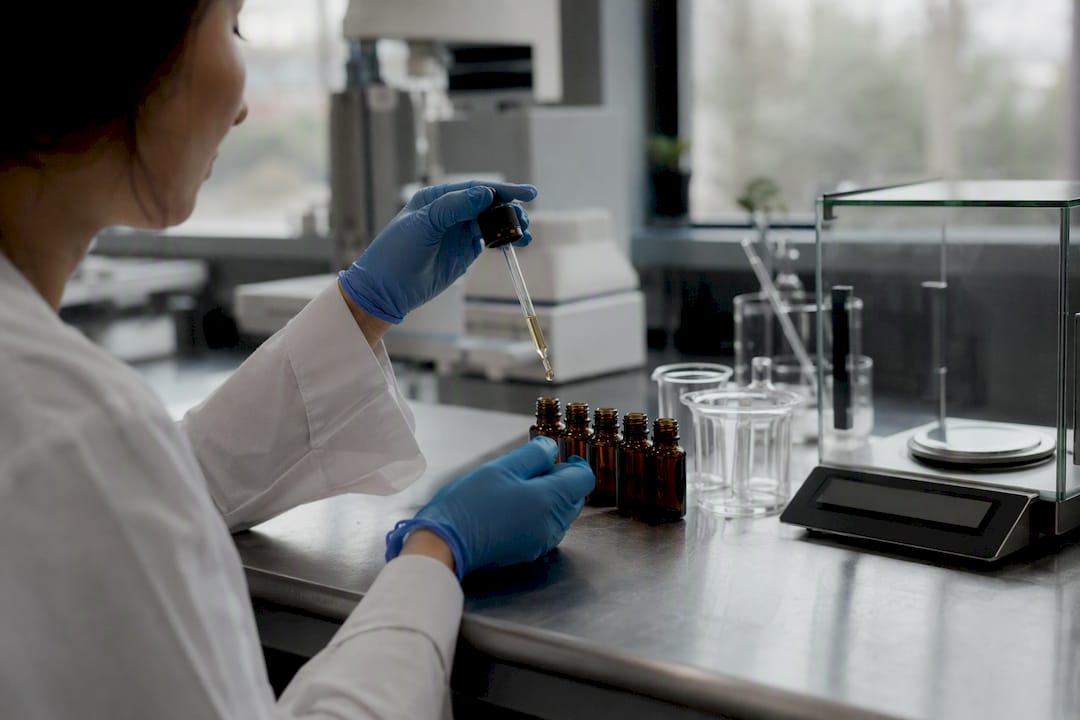
Enforcement agencies want to see paperwork, not promises. The baseline document set for any compliant CBD business includes:
- A certificate of analysis (COA) for every production batch, ideally from a laboratory accredited to ISO/IEC 17025
- Manufacturing and supply chain records tracing hemp source through to finished product
- Novel-food application materials, including the validation reference if the product appears on the FSA public list
- Full ingredient and allergen labelling, alongside nutrition information where the product qualifies as a food
Labels also need clear serving-size guidance so consumers can track their intake against the 10 mg provisional ADI, plus warning statements aimed at vulnerable groups where relevant.
Pro Tip: Retest high-risk batches, not just new formulations. Cannabinoid ratios can drift between harvests even when your extraction process stays identical, so a testing cadence tied to raw material lot changes catches problems a fixed annual schedule would miss. Keep batch records for at least the shelf life of the product plus a reasonable buffer, since that’s the window in which a complaint or enforcement query is most likely to land.
How is CBD enforcement actually carried out?
Several bodies share enforcement responsibility, and which one gets involved depends on which regime a product has breached.
- Home Office (DFLU) handles controlled-drug breaches and licensing for anyone producing, importing, or supplying cannabinoid products that fail the exempt-product test
- Border Force intercepts non-compliant imports at the point of entry, particularly relevant for products sourced from outside the UK
- Local authority Trading Standards teams typically lead on novel-food and labelling enforcement at retail level
- The MHRA acts against unlicensed medicinal claims, regardless of where the product itself sits legally
Typical enforcement outcomes range from a quiet request for voluntary withdrawal through to product seizure and, in the most serious controlled-drug cases, criminal prosecution. A Home Office licence becomes mandatory the moment a business imports, produces, or supplies a product containing non-exempt controlled cannabinoids, and operating without one where required carries the same criminal exposure as trading in any other controlled substance.
A step-by-step compliance checklist for CBD businesses
Getting a defensible compliance position isn’t complicated, but it does need to happen in the right order. Skipping ahead to labelling before you’ve confirmed classification is the single most common mistake businesses make.
- Classify the product first. Decide whether you’re dealing with a food, a potential medicine, or a controlled substance risk, because that decision shapes everything downstream.
- Test for controlled cannabinoids. Commission accredited lab testing that reports THC, THC-V, and CBN against detection limits, not just a headline CBD percentage.
- Check novel-food status. Confirm your product, or the formulation it’s based on, has a validated application and ideally sits on the FSA public list.
- Review packaging and marketing copy. Strip out anything that reads as a medicinal claim, and cross-check any health claim against the GB NHC register.
- Set up record retention. Keep COAs, supplier declarations, and application references filed against batch numbers, ready to produce on request.
At each stage, the evidence you’re gathering is specific: microbial test results and cannabinoid profiles at step 2, a validated application ID at step 3, and a documented review sign-off at step 4.
Pro Tip: Retain compliance records for a minimum of the product’s shelf life plus twelve months, and retest any batch where the raw hemp source or extraction method changes, even slightly. A detailed classification walkthrough is worth reading in full if you’re building this process from scratch rather than refining an existing one.
How can consumers and retailers spot a compliant product?
You don’t need a compliance department to run a basic screen on a CBD product before you buy or stock it. Four checks cover most of the risk:
- Is the product listed on the FSA public list, or can the seller show a validated novel-food application reference?
- Is there a recent COA from an accredited laboratory, with a batch number that matches the product in hand?
- Does the marketing avoid any language implying the product treats a medical condition?
- Are nutrition and allergen details present on the label, as required for any ingestible product?
If a seller can’t produce a COA on request, that’s a reasonable basis to walk away, and persistent gaps in documentation are worth reporting to Trading Standards.
Pro Tip: Do the serving-size maths yourself before you trust the label. Divide the total CBD content by the number of servings per container, then check that figure against the 10 mg per day provisional ADI, especially for products aimed at first-time users who might not titrate their dose carefully.
What regulatory changes should businesses expect next?
CBD regulation in the UK has moved in fairly clear stages, and the next milestones are already signalled.
- 2019: CBD extracts formally confirmed as novel foods
- 2020: The FSA public list announced, giving compliant products a route to stay on shelves during assessment
- 2023: Provisional ADI figures published following the ACNFP and COT safety review
- 2024 to 2025: FSA and FSS risk-management work progressing towards formal recommendations to Ministers
Watch two figures closely over the next stretch: the 10 mg/day provisional ADI, which could tighten once full authorisation decisions land, and the operational threshold used for the exempt-product test, which shapes formulation limits industry-wide. Full ministerial authorisation for the first wave of applications is the next real turning point, and it’s likely to bring tighter labelling conditions alongside it.
A publisher’s view on managing CBD compliance risk
Formulate conservatively and test relentlessly. Businesses that treat the provisional ADI as a target to approach, rather than a ceiling to respect, are the ones most exposed when the FSA finalises its authorisation decisions. Transparent, batch-specific COAs aren’t a marketing flourish; they’re the single strongest protection against enforcement action, and every serious operator in this space should be publishing them, not just holding them in a file somewhere.
Where Smokocbd fits into a compliant CBD purchase
Every batch of Smokocbd’s broad-spectrum tinctures, including the 2000mg MCT oil formulation, goes through third-party laboratory testing to verify zero THC before it reaches a customer. That testing sits behind every claim on the label, not just the headline strength figure, and COAs are available to anyone who wants to check a batch before buying.
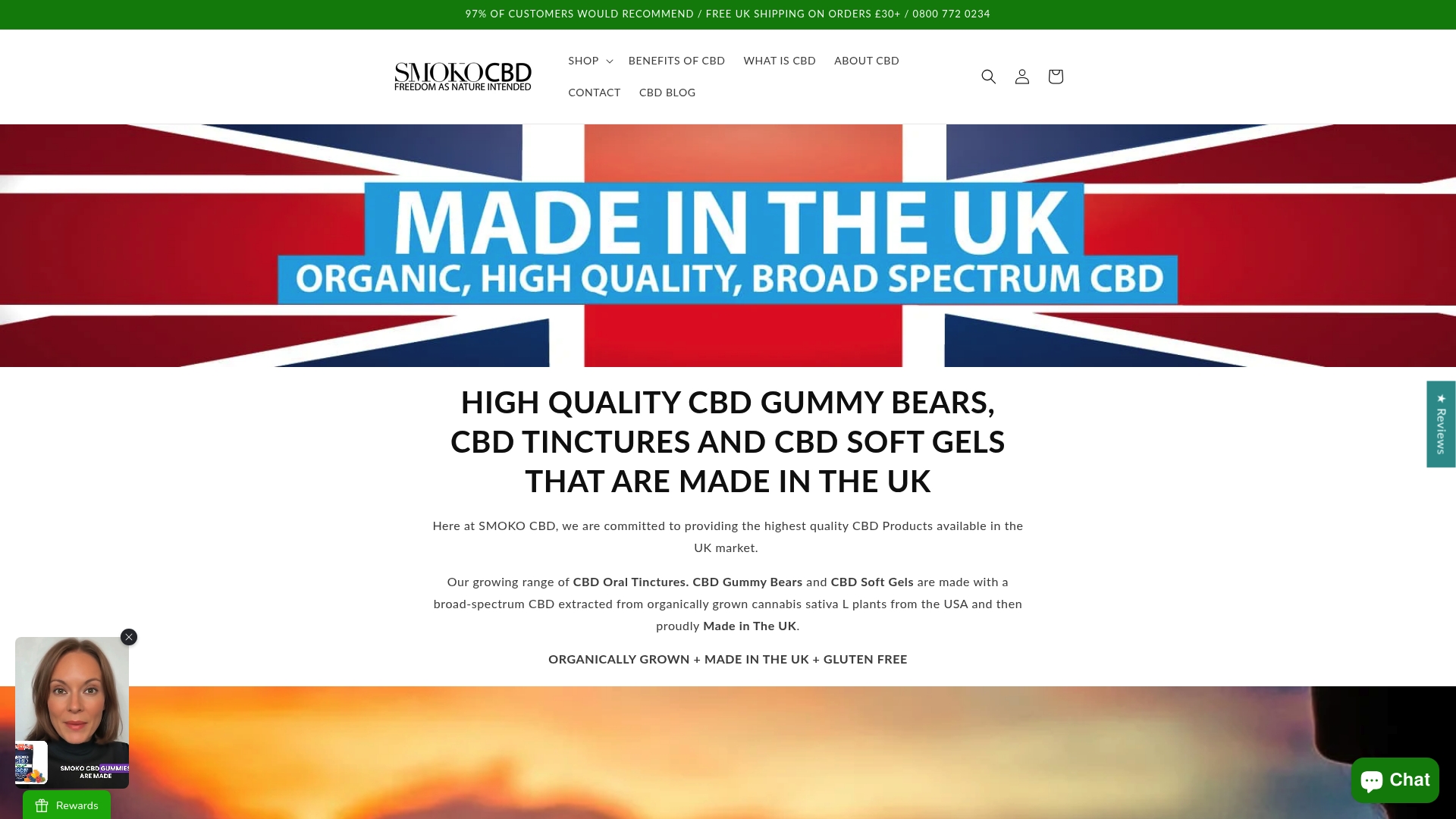
If you’re a retailer trying to verify a supplier’s paperwork, or simply a consumer who wants to see a certificate of analysis before committing to a bottle, get in touch with the Smokocbd team directly for the batch-specific documents. Checking a COA takes minutes and settles the question properly, rather than relying on a label claim alone.
Frequently asked questions
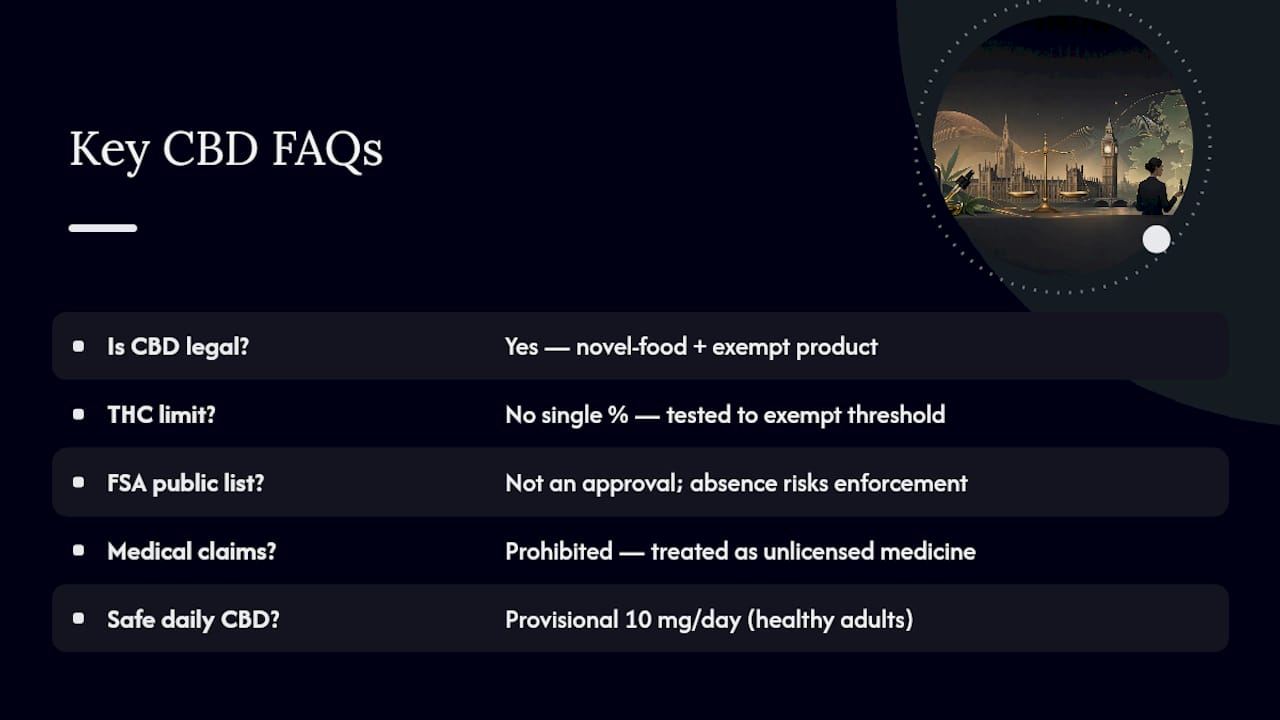
Is CBD legal to buy and sell in the UK? CBD can be legal, but only when the specific product meets the novel-food authorisation requirement, passes the Misuse of Drugs Regulations exempt-product test, and avoids unlicensed medicinal claims in its marketing.
What is the legal THC limit in UK CBD products? There’s no single published percentage limit; instead, products must meet the ‘exempt product’ definition under the Misuse of Drugs Regulations 2001, which the Home Office assesses using accredited testing against a low operational threshold for total controlled cannabinoids.
Does a product need to be on the FSA public list to be sold legally? Products linked to a validated novel-food application can remain on the market while authorisation is pending, but the FSA has confirmed public list inclusion is not itself a product approval, and products absent from the list risk enforcement.
Can CBD sellers claim their product treats anxiety or pain? No. The MHRA treats any such claim as evidence the product is an unlicensed medicine, which is illegal without a marketing authorisation under The Human Medicines Regulations 2012.
How much CBD is considered safe to take daily? The provisional acceptable daily intake set by the ACNFP and COT is 10 mg per day for a healthy adult using high-purity CBD, though pregnant women, children, and those on medication should seek tailored guidance.
Is broad-spectrum CBD regulated differently from isolate or full-spectrum products? The same novel-food and exempt-product rules apply across isolate, broad-spectrum, and full-spectrum products; the practical difference lies in how easily each formulation stays under the controlled-cannabinoid threshold during testing.
This article is general information, not a substitute for advice from a qualified lawyer. Consult a qualified legal professional about your own circumstances before acting on anything here.