CBD is not proven to reduce dental anxiety: the best available trial found no significant difference from placebo. Separate research suggests CBD may ease acute dental pain at higher doses, but pain relief and anxiety relief are different outcomes with different evidence bases. Anyone considering it should follow the Food Standards Agency’s daily intake advice and tell their dental team before their appointment, since CBD can interact with sedatives and other medicines.
TL;DR:
- CBD has not shown significant reduction in dental anxiety at typical consumer doses based on the strongest available evidence.
- Pain relief from CBD in dental cases requires doses far above over-the-counter products, often associated with side effects like sedation and gastrointestinal issues.
- The Food Standards Agency advises a provisional daily intake limit of 10 mg of CBD, which is unlikely to produce noticeable anxiety or pain relief.
- Patients should inform their dental team about CBD use, including dosage and timing, and consider low-dose trials well before their appointment.
- Traditional behavioral techniques or clinically supervised sedation remain the most effective options for managing dental anxiety.
Table of Contents
- What the research actually shows about dental anxiety and pain
- How CBD might work on anxiety and pain
- Safety, regulation and dosing guidance to know first
- Practical steps to take before your appointment
- Alternatives dentists use for anxiety, and when they fit better
- Where a lab-tested CBD product fits into the picture
- A calmer, evidence-based way to think about this
- How SMOKO CBD can help you get started safely
- Sources
- FAQ
What the research actually shows about dental anxiety and pain
The most rigorous test of CBD for dental nerves came from a 2024 double-blind randomised trial published in the Journal of Endodontics. Patients due for endodontic treatment took a preoperative CBD-rich cannabis extract or a placebo, and researchers measured anxiety before and after treatment alongside postoperative pain. The result was unambiguous: anxiety scores in the CBD group were not significantly lower than placebo, and in some measures were actually higher. Postoperative pain showed no meaningful improvement either. The study’s authors called for further research rather than treating the result as final, but it is currently the clearest human evidence we have on CBD and dental anxiety specifically.
Pain tells a different story. A randomised placebo-controlled trial of acute toothache involving 61 adults found that single oral doses of CBD produced a meaningful analgesic effect over three hours, with pain reduction reaching 73% from baseline at the 180-minute mark in the higher-dose group. That sounds promising until you look at the doses used: 10 mg per kilogram of body weight and 20 mg per kilogram, far beyond anything sold as an over-the-counter wellness product. Side effects tracked upward with dose too, including sedation, diarrhoea and abdominal pain.
- A 2024 trial found no significant anxiety or pain benefit from preoperative CBD before dental surgery.
- A separate toothache trial found real pain relief, but only at experimental doses well above consumer products.
- Anxiety and pain are distinct clinical outcomes, and a result in one does not carry over to the other.
A 2024 randomised trial reported no significant reduction in dental anxiety with preoperative CBD-rich extract, which means the popular idea that CBD calms dental nerves is not yet backed by the strongest available evidence.
How CBD might work on anxiety and pain
CBD’s anxiolytic potential is often linked to its effect on the 5-HT1A serotonin receptor, part of the same system targeted by some anxiety medicines. In plain terms, CBD may nudge this receptor to tone down the brain’s stress response rather than switching it off entirely, though the dental trial evidence has not yet confirmed this translates into calmer patients in the chair.
For pain, the mechanism looks more peripheral: CBD is thought to interact with inflammatory and nociceptive pathways in tissue, which could explain the toothache trial’s analgesic signal. How you take CBD also matters. Sublingual drops absorb faster than gummies or capsules because they bypass digestion, while an oral edible takes longer to act but may last longer. Dose, formulation and timing all shape whether CBD does anything noticeable before your appointment starts.

Safety, regulation and dosing guidance to know first
Before trying CBD around a dental visit, it helps to understand what UK regulators actually say, because their advice is about consumer safety, not treatment effectiveness. The Food Standards Agency sets a provisional acceptable daily intake of 10 mg of CBD per day for healthy adults, based on 98% pure CBD. This is a precautionary ceiling reflecting uncertainty about long-term effects, including possible impacts on the liver and thyroid, not a dose calculated to relieve anxiety or pain.
The FSA’s provisional daily limit for CBD is 10 mg, a figure worth checking against product labels since some products contain far more per serving.
Certain groups are advised to avoid CBD altogether or seek medical advice first:
- Pregnant or breastfeeding women, due to insufficient safety data.
- Under-18s, children and young people, outside clinical supervision.
- People who are immunosuppressed or taking regular prescription medicines, because of potential interactions.
Side effects relevant to a dental visit include drowsiness, which matters if you are driving yourself home, dry mouth, which can be uncomfortable during and after treatment, and mild gastrointestinal upset. None of these are dangerous for most healthy adults, but they are worth planning around.
Practical steps to take before your appointment
If you decide to try CBD before dental treatment, a few simple steps reduce the risk of surprises in the chair.
- Tell your dentist in advance, naming the exact product, its CBD content per serving, when you took it, and any other medicines or supplements you use.
- Choose your formulation with timing in mind: sublingual drops act faster than gummies, which matters if you only expect anxiety during the appointment itself rather than beforehand.
- Arrange transport home if you expect drowsiness, and never swap CBD in for a prescribed anxiolytic or sedation plan without your clinician’s approval.
Disclosure matters because dental teams need to factor CBD into their medication review, particularly where local anaesthetics containing adrenaline are planned.
Pro Tip: Trial a single low dose of one product on a quiet day well before your appointment, so you know how it affects you before relying on it for something that matters.
Alternatives dentists use for anxiety, and when they fit better
For everyday nervousness, behavioural approaches often work well: controlled breathing, pacing appointments in shorter visits, and gradual exposure techniques that reduce sensitivity over repeated visits. Cognitive behavioural therapy techniques are also used for longer-term dental phobia.
For moderate to severe phobia, clinicians typically turn to options with closer monitoring and stronger evidence behind them:
- Oral benzodiazepines prescribed and monitored by a dentist or GP for short-term anxiety control.
- Inhalational sedation using nitrous oxide, adjusted in real time during treatment.
- Intravenous sedation for more invasive procedures, delivered with full monitoring.
Situational nerves before a routine check-up call for a different response than a diagnosed phobia that stops someone attending the dentist altogether, and the right route depends on which one you are dealing with.
Where a lab-tested CBD product fits into the picture
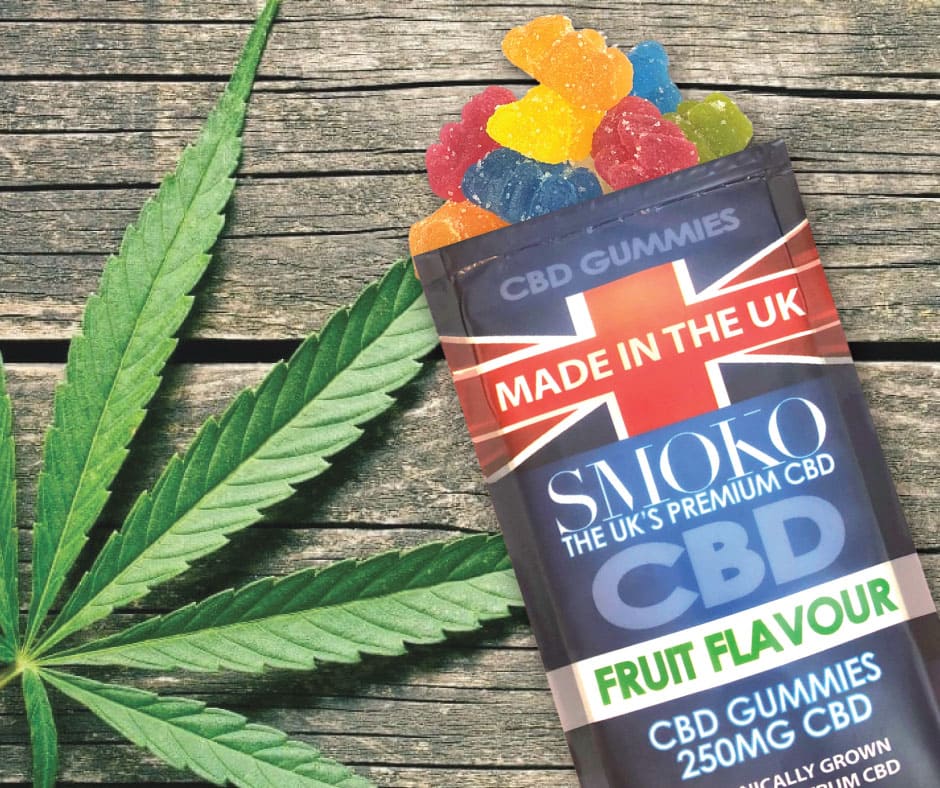
Broad-spectrum tinctures, gummy bears and soft gel capsules made in the UK from organically grown hemp, with third-party lab testing confirming zero THC, are available on the market. None of this makes CBD a proven anxiety treatment, and the evidence above should shape expectations rather than marketing claims.
If you are considering an over-the-counter product, a few checks help:
- Ask for the batch’s lab certificate before buying, not after.
- Check total CBD per serving against the FSA’s 10 mg daily guidance rather than assuming more is better.
- Avoid stacking multiple CBD products in the same day, since serving sizes add up quickly.
A sensible starting point is a single, low dose of one product tried well ahead of the appointment, discussed openly with your dental team beforehand.
A calmer, evidence-based way to think about this
The honest summary is that CBD shows a plausible pain signal at high doses and no proven anxiety benefit at consumer doses, so treat it as a maybe, not a fix. Raise it during your dental medication review rather than trying it the morning of your appointment. If you take a dose beforehand, arrange a lift home in case of drowsiness.
— Mike
How SMOKO CBD can help you get started safely
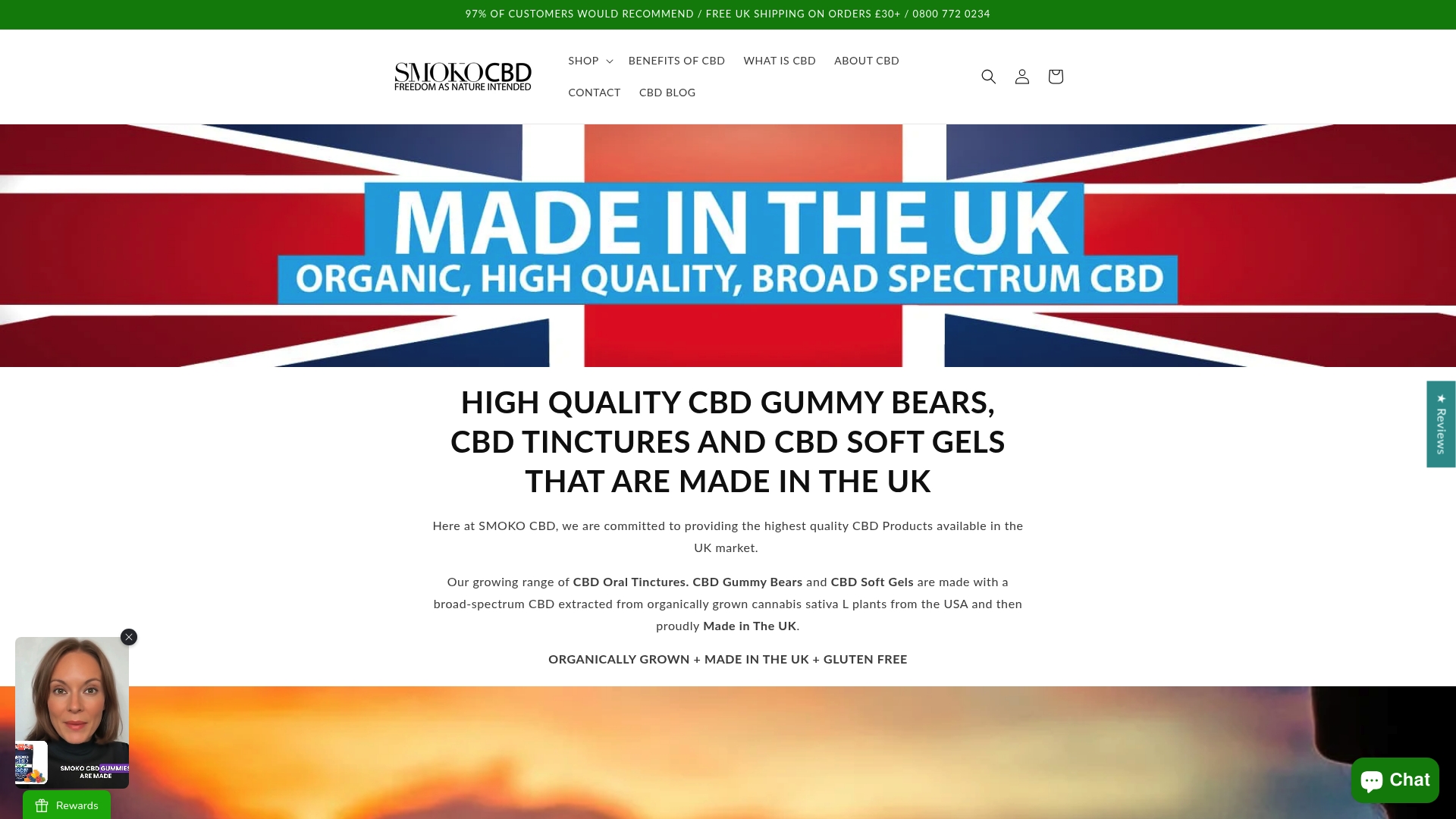
For anyone who has weighed the evidence and wants to try CBD alongside, not instead of, their normal dental care plan, SMOKO CBD’s tinctures, gummy bears and soft gels are made in the UK with lab-verified zero THC. A sublingual tincture suits readers who want faster onset before an appointment, while gummies suit those who prefer a set, labelled dose.
- Compare the lab report against the label before buying.
- Check total CBD per serving against the FSA’s 10 mg daily guidance.
- Read more on dosage and formulation choices before your first order.
Browse the full CBD product range to see current tinctures, gummies and soft gels and find the format that suits your routine.
This article is general information, not a substitute for advice from a qualified doctor. Consult a qualified healthcare professional about your own circumstances before acting on anything here.
Sources
- Effect of Preoperative Oral Cannabidiol-Rich Cannabis Extract on Anxiety and Postoperative Pain after Endodontic Treatment: A Double-Blind Randomized Clinical Trial
- Cannabidiol as an alternative analgesic for acute dental pain (PMC)
- Gov
- Managing interactions with local anaesthetics in dentistry — NHS Specialist Pharmacy Service
FAQ
How do dentists deal with dental anxiety?
Dentists typically start with behavioural approaches such as breathing techniques, shorter paced appointments and clear communication about what to expect. For moderate to severe anxiety, they may use inhalational sedation, oral benzodiazepines or intravenous sedation under monitored conditions.
Can diazepam be used to treat dental anxiety?
Yes, oral benzodiazepines including diazepam are sometimes prescribed by dentists or GPs for short-term anxiety control before a dental appointment. This is a clinician-managed option with monitoring, distinct from over-the-counter products like CBD, and should only be used as prescribed.
What can I do if I’m scared to go to the dentist?
Speak to your dental team about your specific fears so they can pace treatment, offer behavioural techniques or discuss sedation options suited to the severity of your anxiety. Mention any CBD or other supplements you are considering so they can factor this into your care plan.
How common is dental anxiety?
Dental anxiety is a widely recognised issue that affects many adults to varying degrees, from mild nervousness to a diagnosed phobia that prevents attending appointments altogether. The right response depends on where on that spectrum a person sits, which is why dentists assess severity before recommending behavioural or clinical approaches.