TL;DR:
- CBD is a non-psychoactive cannabinoid that does not produce a “high,” unlike THC, which is responsible for intoxication. The effects of CBD primarily involve reducing anxiety and promoting relaxation through indirect modulation of the body’s endocannabinoid system without impairing perception or coordination. The risk of feeling intoxicated depends on a product’s THC content, not CBD itself, emphasizing the importance of verified lab testing and choosing products with minimal or no detectable THC.
CBD is defined as a non-psychoactive cannabinoid, meaning it does not produce the intoxicating “high” associated with cannabis. That effect comes from delta-9-tetrahydrocannabinol, or THC, a chemically distinct compound that acts on the brain in a fundamentally different way. Federal sources confirm that CBD and delta-9-THC are separate substances with separate effects. So if you are wondering whether CBD will get you high, the short answer is no. The longer answer depends on what is actually in the product you are using, and that distinction matters more than most people realise.
Will CBD get you high, and what does it actually do to your mind?
Cannabidiol (CBD) is one of over a hundred cannabinoids found in the cannabis plant, but its effects on the mind are nothing like those of THC. CBD is non-intoxicating and does not cause euphoria, distorted perception, or impaired coordination. Research focuses on its anxiolytic properties, meaning it may help reduce anxiety and promote a sense of calm, but this is categorically different from intoxication.
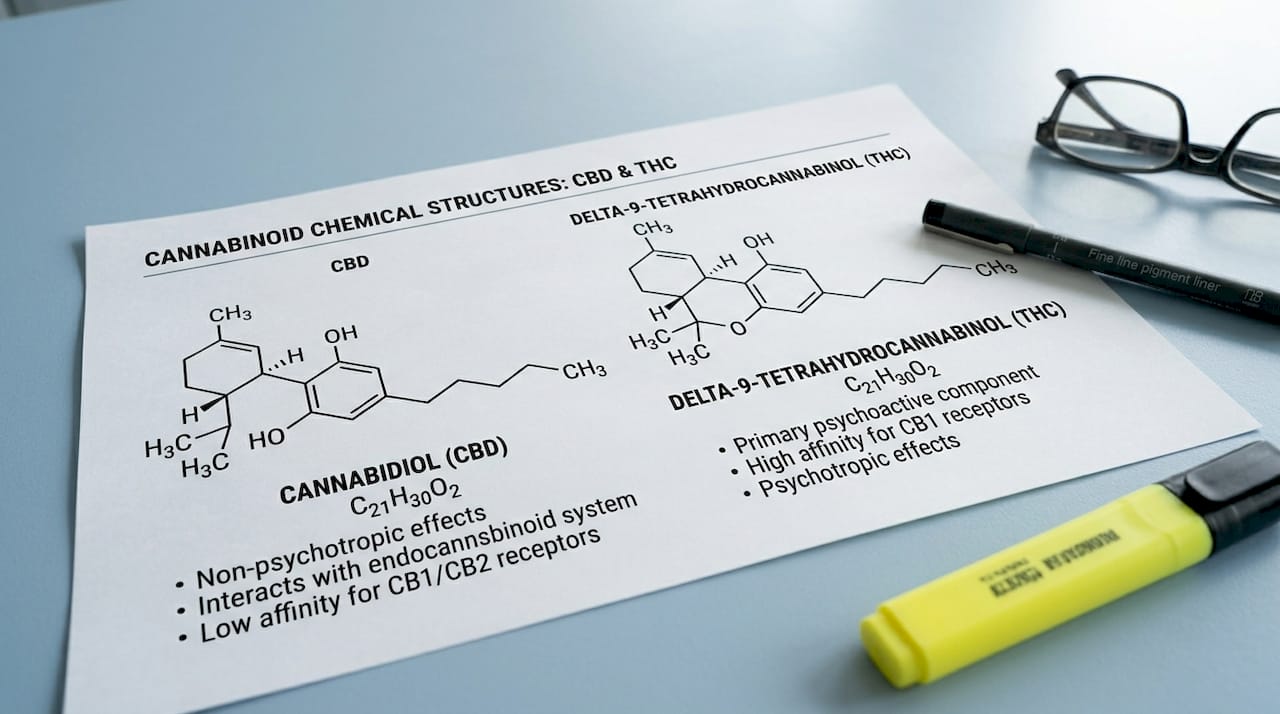
CBD works by interacting with the body’s endocannabinoid system (ECS), a network of receptors and signalling molecules that helps regulate mood, sleep, pain, and immune response. Rather than binding directly to CB1 receptors in the brain the way THC does, CBD modulates the ECS more indirectly. Think of it less as pressing a switch and more as gently turning a dial, nudging the system toward balance rather than overriding it.
The effects people typically report from CBD include:
- A sense of physical relaxation without mental cloudiness
- Reduced feelings of tension or low-level anxiety
- Improved sleep quality over consistent use
- Mild relief from discomfort or inflammation
None of these constitute a “high” in any clinical or experiential sense. The absence of intoxication is not a marketing claim. It is a pharmacological fact backed by the scientific consensus on CBD’s receptor activity.
Pro Tip: If you feel unusually drowsy or lightheaded after taking a CBD product, check the label carefully. Those effects are more likely linked to trace THC content or other added ingredients than to CBD itself.
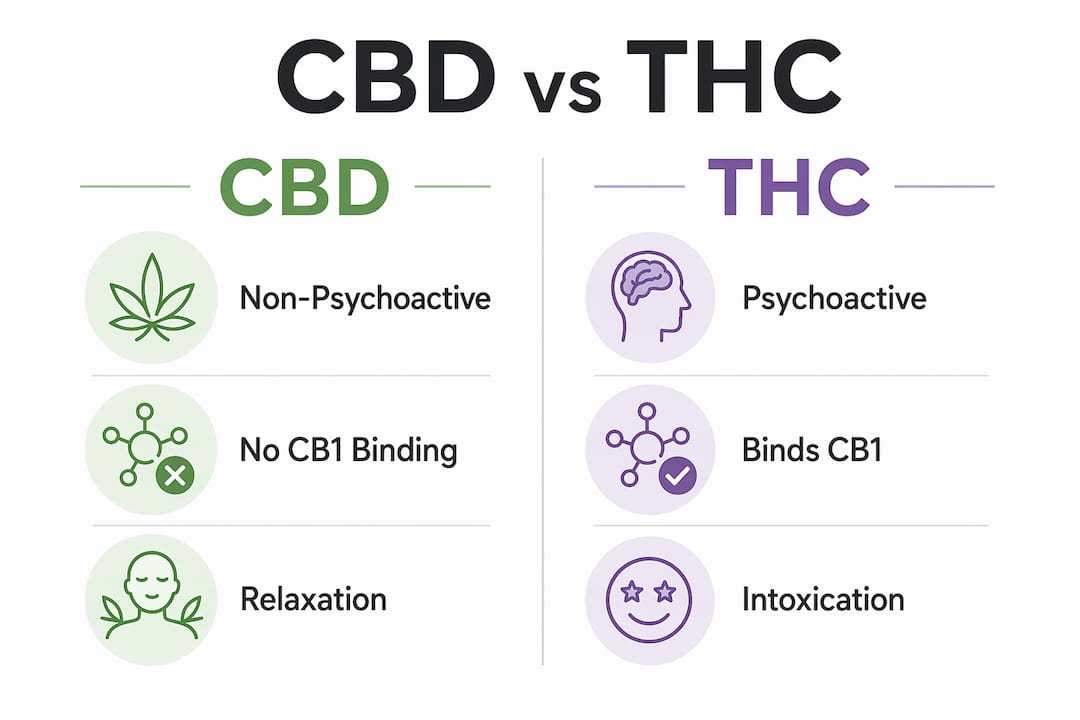
What causes the cannabis high: THC versus CBD explained
The cannabis high is caused entirely by delta-9-THC, not CBD. Understanding the difference between THC and CBD is the single most useful piece of knowledge for anyone new to cannabinoids. THC binds directly and powerfully to CB1 receptors in the brain, triggering the release of dopamine and producing the euphoric, sometimes disorienting experience that defines intoxication. CBD does not bind to CB1 receptors in the same way and does not trigger that dopamine cascade.
Hemp-derived CBD products are legally defined by their delta-9-THC content, which must remain at or below 0.3% dry weight. Products that exceed this threshold cross into cannabis territory and carry genuine intoxication risk. This legal boundary exists precisely because THC content determines psychoactive potential, not CBD content.
“The ‘high’ is caused by delta-9-THC, not CBD. The critical question is always how much THC is actually present in the product.” — Federal Register insight on THC vs CBD psychoactivity
There is one further nuance worth knowing. CBD can increase THC blood levels in some circumstances, meaning that if a product contains both compounds, CBD does not neutralise the THC. It may actually intensify or prolong its effects. This is not a reason to avoid CBD. It is a reason to be certain your CBD product contains verified zero or negligible THC.
| Property | CBD | THC |
|---|---|---|
| Psychoactive | No | Yes |
| Binds CB1 receptors directly | No | Yes |
| Causes euphoria | No | Yes |
| Legal in UK (from hemp) | Yes | Restricted |
| Intoxication risk | None (pure CBD) | Present above trace levels |
The cbd vs thc key differences come down to this: same plant, profoundly different effects on the brain. Treating them as interchangeable is the most common misconception in the CBD category.
How product type and THC contamination affect psychoactivity
Not all CBD products carry the same risk profile. The type of extract used determines whether trace THC is present, and regulators assess CBD safety primarily on the basis of THC contamination levels rather than CBD content alone. This is a critical point that most product descriptions gloss over.
The three main product types are:
- Full-spectrum CBD: Contains all cannabinoids from the hemp plant, including trace amounts of THC. While levels are typically below 0.3%, cumulative use or high doses could result in detectable THC in the bloodstream. Some users of full-spectrum products have failed drug tests unexpectedly due to THC accumulation.
- Broad-spectrum CBD: Processed to remove THC while retaining other beneficial cannabinoids such as CBG and CBN. This is generally the preferred choice for those who want the benefits of multiple cannabinoids without intoxication risk.
- CBD isolate: Pure cannabidiol with all other plant compounds removed. Zero THC, zero risk of psychoactive effects from the product itself.
The problem is that labelling does not always reflect reality. Some commercial CBD products are inaccurately labelled regarding their spectrum type and actual THC content, creating genuine safety risks for consumers. A product sold as “broad-spectrum” may still contain measurable THC if the manufacturing process is inconsistent or poorly controlled.
This is where Certificates of Analysis (COA) become non-negotiable. A COA is a document produced by an independent, accredited laboratory that confirms the exact cannabinoid profile of a product, including THC levels. Third-party lab testing is the only reliable way to verify what is actually in a CBD product before you consume it.
Pro Tip: Always request or check the COA for the specific batch of product you are buying, not just a generic certificate on the brand’s website. Batch-specific testing reflects what is actually in your bottle.
How to choose CBD products that won’t cause a high
Choosing CBD confidently comes down to knowing what to look for and what to avoid. The following guidance applies whether you are buying tinctures, gummies, or soft gel capsules.
- Choose broad-spectrum or isolate products. Full-spectrum products retain trace THC by design. If avoiding any psychoactive risk is your priority, broad-spectrum or isolate formulations are the safer choice.
- Read the COA before purchasing. Look specifically for the delta-9-THC figure. For zero-risk products, this should read “not detected” or be below 0.01%. A reputable brand will make this document easy to find.
- Avoid unverified online sellers. Products sold without accessible lab reports carry the highest risk of mislabelling. Verified low-THC products from tested sources provide the safest approach for avoiding intoxication and positive drug tests.
- Be cautious with combined or novelty products. CBD products blended with other botanical extracts, adaptogens, or unlisted compounds can produce unexpected effects that are difficult to attribute to any single ingredient.
- Start with a low dose. Individual metabolism affects how CBD is processed. Risk depends on both THC percentage and individual metabolism, so starting low and increasing gradually gives you clear information about your personal response.
- Report unexpected effects. If you experience dizziness, confusion, or any sensation resembling intoxication after taking a CBD product, stop use and check the product’s THC content. These effects are not caused by CBD alone.
The UK Food Standards Agency (FSA) recommends that healthy adults consume no more than 70mg of CBD per day. Staying within this range with a verified zero-THC product removes virtually all psychoactive risk.
Key takeaways
CBD does not cause a high because it is non-psychoactive. Any intoxication risk from a CBD product comes entirely from its THC content, not from the CBD itself.
| Point | Details |
|---|---|
| CBD is non-psychoactive | CBD does not bind CB1 receptors like THC and produces no euphoria or intoxication. |
| THC drives the high | Delta-9-THC is solely responsible for cannabis intoxication, even in CBD-labelled products. |
| Product type matters | Broad-spectrum and isolate products carry far lower THC risk than full-spectrum formulations. |
| COAs are non-negotiable | Batch-specific third-party lab reports are the only reliable way to verify zero or trace THC. |
| Mislabelling is a real risk | Some commercial CBD products contain more THC than stated, making independent testing critical. |
Why I think most people are asking the wrong question about CBD
People ask “will CBD get me high?” when the question they actually need answered is “does this specific product contain THC?” Those are not the same question, and conflating them is where most confusion originates.
I have spoken with dozens of people who tried CBD, felt unexpectedly drowsy or slightly off-balance, and concluded that CBD had “done something” to their head. In almost every case, the product they used was a full-spectrum tincture with no accessible COA and a vague label. The CBD was not the culprit. The unverified THC content was.
What I find genuinely frustrating is how many brands lean into the ambiguity. Phrases like “cannabis-derived wellness” or “whole-plant extract” sound appealing but obscure the THC question entirely. Reputable brands answer that question upfront, with batch-specific lab data, not marketing language.
My honest recommendation is this: if you are new to CBD and your primary concern is avoiding any psychoactive effect, start with a CBD isolate or a verified broad-spectrum product from a brand that publishes its COAs. Do not rely on the word “broad-spectrum” on a label alone. Check the actual numbers. The CBD and drug testing question is equally worth understanding if you are subject to workplace screening.
CBD is genuinely useful for relaxation, sleep, and managing everyday tension. It does not need to be psychoactive to be effective, and the best products prove that with transparency rather than promises.
— Mike
Try Smokocbd’s lab-tested, zero-THC CBD products
If you want the benefits of CBD without any concern about psychoactive effects, Smokocbd’s broad-spectrum range is independently tested to confirm zero detectable THC in every batch.
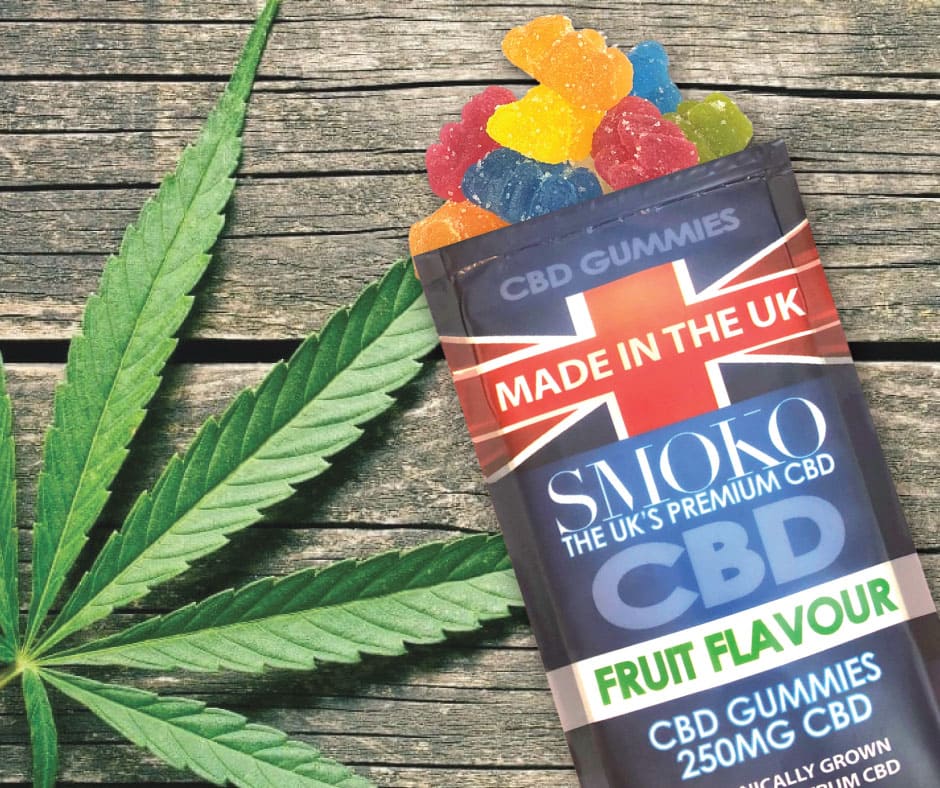
The Smokocbd 1000mg Broad Spectrum CBD Tincture is a clean, mint-flavoured oil made from organically grown US hemp, with a published COA for every batch. For those who prefer a measured daily dose, the CBD soft gels and gummies bundle offers the same zero-THC assurance in convenient capsule and edible form. Both products are designed for adults who want genuine wellness support, with full transparency on what is inside.
FAQ
Does CBD make you high?
No. CBD is non-psychoactive and does not produce a high. Only THC, a separate cannabinoid, causes intoxication.
Is CBD psychoactive in any way?
CBD is not psychoactive in the way THC is. It may produce mild relaxation or reduced anxiety, but it does not cause euphoria, impaired coordination, or altered perception.
Can a CBD product cause a high if it contains THC?
Yes. Full-spectrum CBD products contain trace THC, and at sufficient doses or with consistent use, this can cause mild psychoactive effects or result in a positive drug test. Always check the COA for delta-9-THC levels.
What is the safest CBD product type for avoiding a high?
CBD isolate carries zero risk of THC-related intoxication. Verified broad-spectrum products with a batch-specific COA confirming “not detected” for delta-9-THC are equally safe.
Can CBD cancel out the effects of THC?
No. CBD does not cancel THC effects and may in some cases increase THC blood levels, altering rather than neutralising the experience.