Some natural supplements can give athletes small, situation-specific advantages — but only when they sit on top of a sound diet, not in place of one. The IOC consensus statement puts it plainly: “food first but not always food only.” A handful of ingredients have genuinely robust trial evidence behind them.
The most robust evidence supports a small group of supplements—caffeine, creatine monohydrate, beta-alanine, and nitrate/beetroot—for specific athletic scenarios. Vitamin D and omega-3 may be beneficial in certain groups, usually when deficiency or specific needs are identified. The effectiveness and need for each supplement depends on individual context, as summarised in the evidence table below.
Contamination warning: A supplement labelled “natural” is not automatically safe or clean. Prohibited substances have been found in products that carry no warning on the label. Athletes competing under anti-doping rules should use only third-party tested products (look for Informed Sport or Informed Choice certification) and consult a registered sports dietitian or physician before adding anything new.
Key takeaways
A small group of natural supplements, particularly caffeine, creatine, beta-alanine, and nitrate, have robust trial evidence for specific athletic scenarios, but they work only when they sit on top of a sound diet and a well-structured training plan.
| Point | Details |
|---|---|
| Food first, always | Audit your diet before adding any supplement; most gaps can be closed with food. |
| Short list of robust evidence | Caffeine, creatine, beta-alanine, and nitrate have the strongest evidence; most herbal products do not. |
| Third-party testing is non-negotiable | Use Informed Sport or Informed Choice certified products; request the batch-specific COA. |
| CBD requires THC verification | WADA removed CBD from its prohibited list, but THC contamination remains a real doping risk; choose zero-THC verified products. |
| Smokocbd for verified CBD | Smokocbd’s UK-made, third-party tested broad-spectrum CBD tinctures offer a traceable, zero-THC option for recovery support. |
Table of Contents
- What “natural supplements” actually means — and why the label can mislead you
- Why athletes reach for natural supplements in the first place
- Which natural supplements have meaningful evidence?
- Herbal and botanical supplements: where the evidence gets thin
- Safety, contamination, and UK regulation: what every athlete needs to know
- How to choose and use natural supplements safely
- CBD and athletes: evidence, UK legalities, and how to judge quality
- Smokocbd’s broad-spectrum CBD: quality you can verify
- Sources
What “natural supplements” actually means — and why the label can mislead you
The term dietary supplement covers a wide spectrum: vitamins, minerals, amino acids, botanicals, concentrates, and sports foods such as protein powders and energy gels. In the UK, these products sit in a regulatory grey zone between food and medicine. The Food Standards Agency oversees them as food products, while the Medicines and Healthcare products Regulatory Agency (MHRA) steps in only when a product makes a medicinal claim or contains a controlled substance.
“Natural” is a marketing word, not a safety classification. Arsenic is natural. So is hemlock. The word tells you nothing about whether an ingredient is effective, correctly dosed, or free from contaminants. A botanical extract can vary enormously in its concentration of active compounds depending on the plant variety, growing conditions, extraction method, and storage. Two products with identical labels can deliver very different amounts of the ingredient you are actually after.
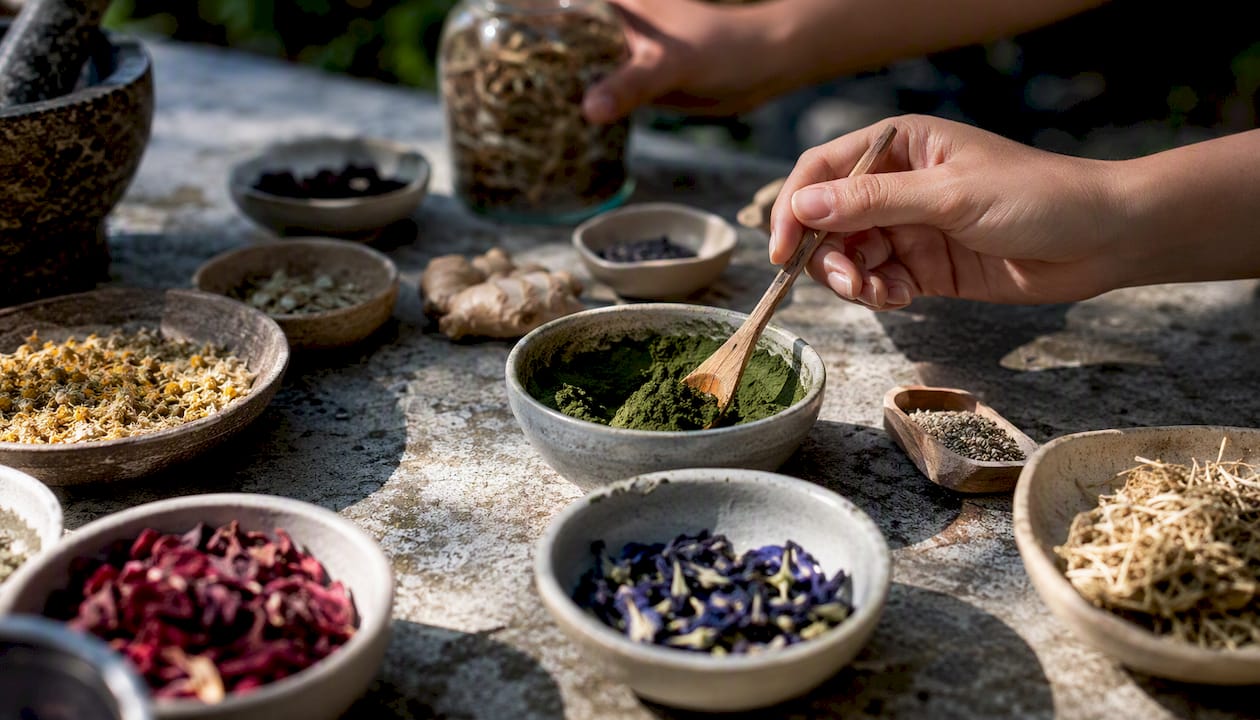
The practical distinction worth holding onto: whole foods deliver nutrients in a matrix of fibre, phytochemicals, and co-factors that supplements rarely replicate. Supplements are useful when a specific nutrient is genuinely hard to obtain from food in adequate amounts, or when a direct ergogenic effect has been demonstrated in controlled trials. Outside those two scenarios, the evidence for most products is thin.
Why athletes reach for natural supplements in the first place
Research by Maughan and colleagues has documented for years that supplement use is widespread across all levels of sport, driven by a cluster of practical motives rather than a single reason. Understanding those motives helps separate sensible use from wishful thinking.
- Correcting nutrient shortfalls. Vitamin D deficiency is genuinely common in the UK, particularly through autumn and winter. Iron, calcium, and B12 can fall short in athletes with restricted diets or high training loads.
- Convenience and energy supply. Carbohydrate gels and protein shakes are not magic; they are portable, fast-digesting food. During a three-hour ride, a gel is simply a practical way to deliver glucose when solid food is impractical.
- Direct ergogenic effects. A small group of supplements, caffeine and creatine being the clearest examples, have demonstrated measurable performance effects in controlled trials. This is a short list, but it is real.
- Supporting recovery and adaptation. Protein timing around training, omega-3 for inflammation management, and sleep-supporting compounds such as CBD are all used with recovery as the primary aim.
- Body composition management. Protein supplementation can help athletes hit daily protein targets without excess calories, particularly during phases of controlled energy intake.
- Health maintenance during heavy training. Intense training blocks can suppress immune function temporarily. Vitamin D and omega-3 are the most evidence-supported options here, though the effect sizes are modest.
The motive also shifts with the level of sport. Elite athletes, who often have access to registered sports dietitians, tend to use a narrower, more evidence-focused range of products. A 2023 MDPI survey found that amateur athletes are more likely to source supplement advice from peers or the internet and to perceive lower risk from botanical products, which is a combination that increases the chance of a poor choice.
Which natural supplements have meaningful evidence?
A 2025 systematic review in Frontiers in Nutrition found supplement use among athletes ranging from 40% to 100% across studies, yet consistent evidence for performance gains exists for only a limited set of ingredients. The table below summarises the key ones.
The NIH Office of Dietary Supplements notes that supplements in this category can help only when they add to a sound dietary foundation. They do not compensate for poor sleep, inadequate calories, or a chaotic training plan.
A few practical points worth noting:
- Individual responses vary considerably. Roughly 10–15% of people are non-responders to creatine, for example. Trial a supplement in training before relying on it in competition.
- Timing matters for some, not all. Caffeine timing is well-studied (60 minutes pre-exercise is a common recommendation). Protein timing around training sessions is useful but total daily intake matters more than the exact window.
- Nitrate and oral hygiene interact. Antibacterial mouthwash neutralises the oral bacteria that convert dietary nitrate to nitrite, which is a step that is necessary for the ergogenic effect. This is one of the more counterintuitive practical details in sports nutrition.
Herbal and botanical supplements: where the evidence gets thin
The herbal supplement market is large and growing, but the evidence base for most botanical products in sport-specific contexts is not. Harvard Health concludes that many products marketed as performance enhancers lack convincing evidence that they outperform a well-balanced diet.
Common botanicals and their typical evidence situation:
- Turmeric / curcumin — anti-inflammatory properties are plausible and some small trials show reduced muscle soreness, but bioavailability is poor without piperine (black pepper extract), and sport-specific evidence is inconsistent.
- Ashwagandha — adaptogen claims are popular; some trials suggest modest reductions in perceived stress and small improvements in VO2 max, but study quality is variable and effect sizes are small.
- Ginseng — long history of use; evidence for athletic performance is weak and inconsistent across trials.
- Rhodiola rosea — some interest as a fatigue-reducer; evidence is preliminary and most trials are small.
- Beetroot (as a botanical) — the nitrate content is the active mechanism here, which is why it appears in the robust-evidence category above when standardised nitrate doses are used. Whole beetroot juice products vary in nitrate concentration, so the dose is less predictable.
A peer-reviewed PMC review documents variable ingredient concentrations in herbal supplements, multiple reported adverse reactions, and cases of serious physiological complications. The core problem is standardisation: two bottles of the same herbal product from different manufacturers can contain very different amounts of the active compound, and neither label is required to tell you which one you have.
Warning: “Natural” does not mean “safe.” Herbal products have caused liver damage, cardiovascular events, and drug interactions. St John’s Wort, for example, is a well-documented inducer of liver enzymes that can reduce the effectiveness of prescription medicines including oral contraceptives and anticoagulants. Always check for herb-drug interactions before starting any botanical supplement.
Pro Tip: If you are considering a herbal supplement, search for it on the MHRA’s Yellow Card scheme and the European Food Safety Authority’s database of adverse event reports before purchasing. A quick search takes two minutes and can reveal a safety signal that no marketing copy will mention.
Safety, contamination, and UK regulation: what every athlete needs to know
The scale of the supplements market creates real quality-control problems. Harvard Health notes that roughly half of adults take at least one supplement, and the market is large enough that economic incentives can outpace quality assurance.

The WADA contamination risk
The World Anti-Doping Agency (WADA) prohibited list includes dozens of substances that have been found as undeclared contaminants in supplements. An athlete who tests positive because of a contaminated product is still liable under anti-doping rules, regardless of intent. This is not a theoretical risk. Studies have detected prohibited stimulants, anabolic agents, and diuretics in products sold as protein powders, pre-workouts, and herbal blends.
UK regulatory context
In the UK, food supplements are regulated under legislation that sets maximum levels for certain vitamins and minerals but does not require pre-market safety testing or efficacy proof for most ingredients. The MHRA can act against products that make unauthorised medicinal claims or contain controlled substances, but routine pre-market checks on botanical content or contamination are not mandated. This means a product can reach the shelf without anyone having independently verified that it contains what the label says.
Third-party testing schemes
The most practical risk-reduction step available to athletes is choosing products that carry certification from a recognised third-party testing scheme:
- Informed Sport — tests every batch for WADA prohibited substances; the most widely recognised scheme for competitive athletes in the UK.
- Informed Choice — a risk-based testing programme from the same organisation (LGC Group), covering a broader product range.
- UKAS-accredited laboratories — the UK Accreditation Service accredits testing labs; a certificate of analysis (COA) from a UKAS-accredited lab carries more weight than one from an unaccredited facility.
Third-party certification reduces risk but does not eliminate it. Batch-to-batch variation means a tested batch is not a guarantee for every subsequent production run. Athletes competing at a level where anti-doping rules apply should treat certification as a necessary condition, not a sufficient one.
Practical steps to reduce your risk:
- Check the Informed Sport or Informed Choice database before purchasing.
- Ask the supplier for a COA specific to the batch you are buying (identified by lot number).
- Avoid products with proprietary blends that do not disclose individual ingredient amounts.
- Be especially cautious with pre-workout and weight-loss products, which have the highest contamination rates in published surveys.
How to choose and use natural supplements safely
A structured approach to supplement decisions protects both your health and your sport eligibility. Work through these steps before adding anything new.
- Audit your diet first. Track food intake for a week using an app such as Cronometer or MyFitnessPal. Most athletes who think they need a supplement discover a dietary gap they can close with food.
- Test for deficiencies before supplementing. Vitamin D and iron are the two most commonly deficient nutrients in UK athletes. A blood test from your GP or a sports medicine clinic gives you a baseline; supplementing without knowing your level risks over-correction.
- Check the WADA prohibited list. If you compete under anti-doping rules, verify the ingredient’s status at Wada-ama before purchase. Some substances are prohibited in competition only; others are prohibited at all times.
- Choose a third-party tested product. Search the Informed Sport database at Informed-sport or the Informed Choice database. If the product is not listed, that is a meaningful signal.
- Request the batch-specific COA. The certificate of analysis should show the lot number, test date, the laboratory name (check it is UKAS-accredited or equivalent), and results for prohibited substances and label-claimed ingredients.
- Trial in training, not competition. Start with the lower end of the evidence-based dose range and use the supplement in at least three training sessions before relying on it in a race or match. GI tolerance, sleep effects, and individual response all need to be established first.
- Document what you take. Keep a record of product name, manufacturer, lot number, dose, and timing. If a positive test ever occurs, this documentation is your first line of defence.
- Consult a registered sports dietitian or physician. The British Dietetic Association’s Sport and Exercise Nutrition Register (SENr) lists practitioners who are qualified to give sport-specific advice. A single consultation can save months of trial and error.
Pro Tip: When reading a COA for a CBD or botanical product, look beyond the headline cannabinoid or active-ingredient figure. Check that the THC result is expressed as a specific number (e.g. “< 0.01%”) rather than “not detected” with no quantification limit stated. A COA that does not specify the limit of detection is not telling you as much as it appears to.
CBD and athletes: evidence, UK legalities, and how to judge quality
CBD (cannabidiol) is one of the more discussed natural supplements in sport right now, and the evidence picture is genuinely evolving. Current systematic reviews suggest modest, preliminary support for CBD’s role in sleep quality, perceived pain, and anxiety management, though large-scale, sport-specific randomised controlled trials are still limited. The mechanism involves the endocannabinoid system, a regulatory network that helps the body modulate pain signals, stress responses, and sleep cycles.
For UK athletes, the legal position is clear: CBD itself is generally not a controlled substance under the Misuse of Drugs Act 1971 when products contain no more than trace levels of THC. The World Anti-Doping Agency removed CBD from its prohibited list in 2018. However, THC remains prohibited in competition, and THC contamination in CBD products is a documented risk. An athlete who tests positive for THC because of a contaminated CBD product faces the same consequences as any other anti-doping violation.
Practical quality checks for CBD products:
- Third-party COA showing THC at or below the detection threshold. For athletes, zero-THC or broad-spectrum products with verified non-detectable THC are the safest choice.
- Batch number on the label matched to the COA. If the batch number on the bottle does not match the COA the supplier provides, the test result does not apply to your product.
- Concentration verification. The Certificate of Analysis should confirm that the CBD content matches the label claim within a reasonable tolerance (typically ±10–20%).
- Full ingredient list. Avoid products with vague “proprietary blend” labelling or undisclosed carrier oils.
- UK-manufactured or UK-tested. Products made and tested in the UK are subject to MHRA oversight and are more likely to meet FSA novel foods guidance.
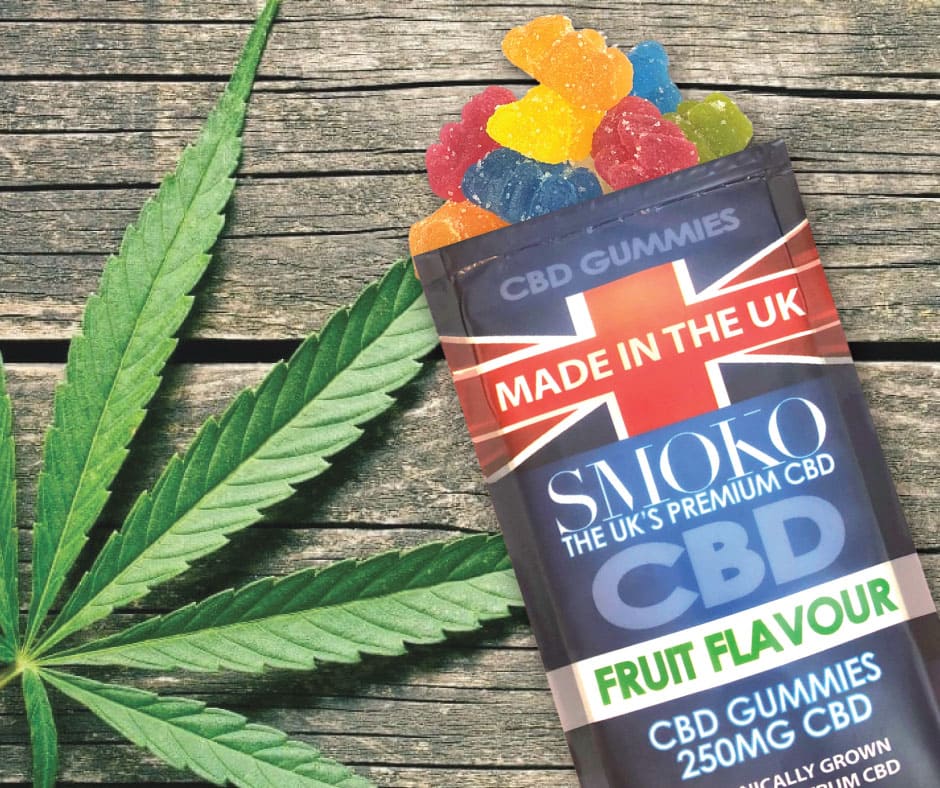
Smokocbd’s broad-spectrum CBD tinctures, gummy bears, and soft gel capsules are made in the UK using organically grown hemp, with zero THC verified by third-party lab testing. For athletes specifically interested in recovery support, the CBD for athletes guide on the Smokocbd site covers the evidence in more detail. Athletes subject to doping control should review the zero-THC advantages article and confirm their governing body’s position before use.
The evidence gap is the real story
The honest picture of why athletes use natural supplements is more nuanced than either enthusiasts or sceptics tend to admit. A short list of ingredients—caffeine, creatine, beta-alanine, nitrate, and protein—have earned their place through rigorous trial evidence. Vitamin D and omega-3 are useful in specific populations. Beyond that, the evidence thins out quickly, and the herbal market in particular is saturated with products where marketing has outpaced science by a considerable margin.
What strikes me most, having worked through the research on this, is how often the decision to supplement is made backwards. Athletes pick a product first and then look for reasons to justify it, rather than identifying a specific gap in their diet or performance and then asking whether a supplement addresses it. The IOC’s “food first” framing is not a platitude; it is a decision filter. If you cannot articulate the specific gap a supplement is meant to fill, and point to evidence that it fills it, that is a strong signal to put the product back on the shelf.
The contamination risk deserves more attention than it typically gets outside elite sport. Third-party testing is the minimum standard, not a premium option. And for CBD specifically, the quality of the COA matters as much as the fact that one exists.
If you are uncertain, a single session with a practitioner on the British Dietetic Association’s SENr register will give you more useful, personalised guidance than any amount of online research.
Smokocbd’s broad-spectrum CBD: quality you can verify
Athletes who have worked through the food-first checklist and are looking for a well-documented natural recovery support option will find Smokocbd’s broad-spectrum CBD products worth considering. Every product is third-party tested for zero THC, made in the UK from organically grown hemp, and comes with detailed product information and accessible customer support.
The Smokocbd 2000mg Mint CBD Tincture is a high-strength option for athletes who want a precise, measurable dose with a clean ingredient list. The COA is available, the batch is traceable, and the zero-THC position is verified rather than assumed. Athletes competing under anti-doping rules should confirm their governing body’s current position on CBD before use, and the CBD workout checklist on the Smokocbd site walks you through the practical steps to use any CBD product safely alongside your training.
Sources
- Efficacy of dietary supplements on sports performance outcomes: a systematic review of evidence in elite athletes — Frontiers in Nutrition
- Dietary supplements for exercise and athletic performance - Health Professional Fact Sheet (NIH ODS)
- Herbal supplements in athletes: safety and efficacy review — PMC
- Athletes perceived level of risk associated with botanical food supplement use and their sources of information — MDPI
- Can supplements boost my athletic performance? — Harvard Health
- The use of dietary supplements by athletes — PubMed (Maughan RJ)
This article is for general information only and is not a substitute for advice from a registered sports dietitian, physician, or other qualified health professional. Always confirm current anti-doping rules with your governing body before using any supplement.