TL;DR:
- THC-free CBD means no detectable Delta-9 THC below approximately 0.01%.
- Products are made by extracting from low-THC hemp and removing THC via chromatography, distillation, or crystallisation.
- Choose between isolate for strict THC avoidance and broad-spectrum for an entourage effect without THC.
Not all CBD is created equal, and assuming every product on the shelf is free from THC could be a costly mistake. Whether you’re managing chronic pain, seeking better sleep, or simply curious about natural wellness, the distinction between THC-containing and THC-free CBD matters enormously, especially if you face workplace drug testing or simply want complete peace of mind. This guide cuts through the noise to explain what ‘THC-free’ genuinely means, how these products are made, and which type suits your lifestyle. By the end, you’ll know exactly what to look for and how to shop with confidence.
Table of Contents
- What does THC-free CBD actually mean?
- How is THC-free CBD made?
- Types of THC-free CBD: Isolate vs broad-spectrum
- Why choose THC-free CBD? Wellness benefits and practical reasons
- THC-free CBD: What most guides don’t tell you
- Choose the right THC-free CBD for your wellness goals
- Frequently asked questions
Key Takeaways
| Point | Details |
|---|---|
| THC-free defined | True THC-free CBD means lab-tested, non-detectable THC—essential for sensitive users and compliance. |
| Two types available | Choose between CBD isolate (pure CBD) and broad-spectrum (CBD with other plant compounds but zero THC). |
| Production matters | Professional extraction and purification processes ensure legal, safe, and effective THC-free CBD products. |
| Check the COA | Always verify a product’s certificate of analysis to confirm true THC-free status. |
| Wellness impact | THC-free CBD offers relaxation, pain relief, and overall balance without risk of intoxication or failed drug tests. |
What does THC-free CBD actually mean?
The phrase ‘THC-free’ sounds reassuringly simple, but it carries a precise technical meaning that’s worth understanding properly. In the CBD industry, ‘THC-free’ means no detectable Delta-9 THC on a laboratory Certificate of Analysis (COA). That’s an important distinction: ‘no detectable’ is not the same as ‘absolute zero.’ It means THC falls below the limit of quantification (LOQ) of the testing equipment used, which is typically below 0.01%.
There are two main product types that fall under the THC-free umbrella:
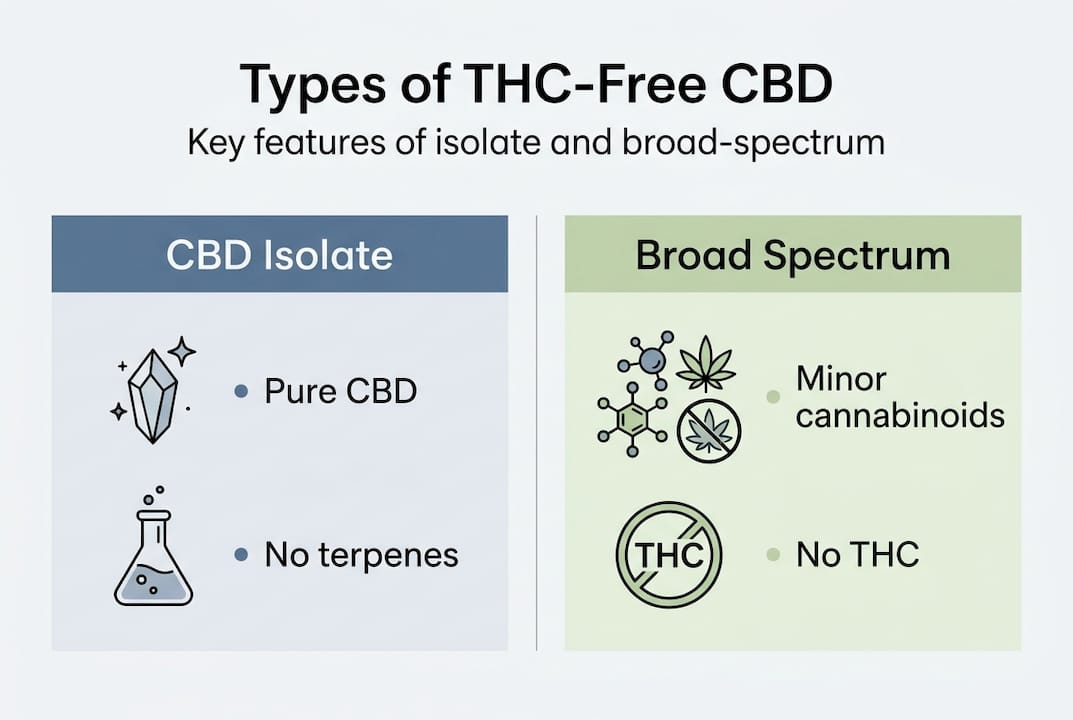
- CBD isolate: Pure CBD extracted and isolated from the hemp plant. No other cannabinoids, terpenes, or plant compounds are present. This is the most stringent option for anyone who must avoid THC entirely.
- Broad-spectrum CBD: Contains CBD alongside other beneficial cannabinoids and terpenes, but with THC specifically removed during processing. This type aims to preserve more of the plant’s natural compounds while still being THC-free.
Understanding the CBD vs THC differences is the first step to making a confident purchase. In the UK, the legal threshold is under 1mg of THC per container, regardless of product size. That means a 10ml tincture and a 30ml tincture both have the same 1mg ceiling.
| Product type | THC content | Other compounds | Best for |
|---|---|---|---|
| CBD isolate | Non-detect | None | Strict THC avoidance |
| Broad-spectrum | Non-detect | Terpenes, minor cannabinoids | Holistic wellness |
| Full-spectrum | Up to legal limit | All plant compounds | General CBD use |
One common misconception is that ‘THC-free’ automatically means safe for all workplace drug tests. It usually does, but not always. Some drug tests are sensitive enough to flag even trace amounts that sit just at the edge of a lab’s detection limit. Always check the COA, not just the label.
Key point: A product labelled ‘THC-free’ should have a COA confirming non-detect levels. If a brand cannot provide one, walk away.
Knowing the difference between THC and CBD also helps you understand why THC-free products were developed in the first place. THC is the compound responsible for psychoactive effects. CBD has no such effect, making THC-free CBD a practical, legal, and safe choice for everyday wellness.
How is THC-free CBD made?
Now that we’ve defined THC-free CBD, let’s see how it’s made and why reliable production matters. The process begins long before a product reaches your hands, starting with the hemp plant itself.
The production process, step by step:
- Hemp cultivation: Farmers grow low-THC hemp strains, typically containing less than 0.3% THC at harvest. Organically grown hemp from the USA is widely regarded as a high-quality source.
- Extraction: CBD and other compounds are pulled from the plant using CO2 or ethanol extraction. THC-free CBD is made by extracting from low-THC hemp and then removing residual THC through remediation or crystallisation.
-
THC removal: This is the critical stage. Manufacturers use one of three main methods:
- Chromatography: Passes the extract through a medium that separates compounds by molecular weight, isolating and removing THC.
- Distillation: Uses heat and pressure to separate cannabinoids based on their boiling points.
- Crystallisation: Allows pure CBD to form crystals, leaving other compounds (including THC) behind in the solution.
- Testing: The final product is sent to a third-party laboratory to confirm THC levels are non-detect before packaging.
For CBD isolate, crystallisation is particularly effective. Research shows 52% pure CBD crystals can be produced at over 99% purity with negligible THC remaining. That’s a remarkably clean result.
| Removal method | How it works | Result |
|---|---|---|
| Chromatography | Separates by molecular size | Precise, reliable |
| Distillation | Separates by boiling point | Broad-spectrum friendly |
| Crystallisation | CBD forms pure crystals | Isolate production |
For broad-spectrum CBD explained in more detail, the process typically uses chromatography or distillation so that terpenes and minor cannabinoids are preserved while THC is selectively removed. This is more technically demanding than isolate production, which is why broad-spectrum products tend to cost a little more.
Trace THC can occasionally remain in a product, not because of poor manufacturing, but because no extraction process is perfectly absolute. This is why third-party lab testing is non-negotiable, not a nice-to-have.
Pro Tip: When reviewing a CBD isolate guide or any product page, look for the batch-specific COA rather than a generic one. Batch-specific results reflect the exact product in your hands.
Types of THC-free CBD: Isolate vs broad-spectrum
Understanding production, let’s break down how isolate and broad-spectrum fit into your wellness choice. Both are THC-free CBD options serving different needs, and choosing between them comes down to your personal circumstances.
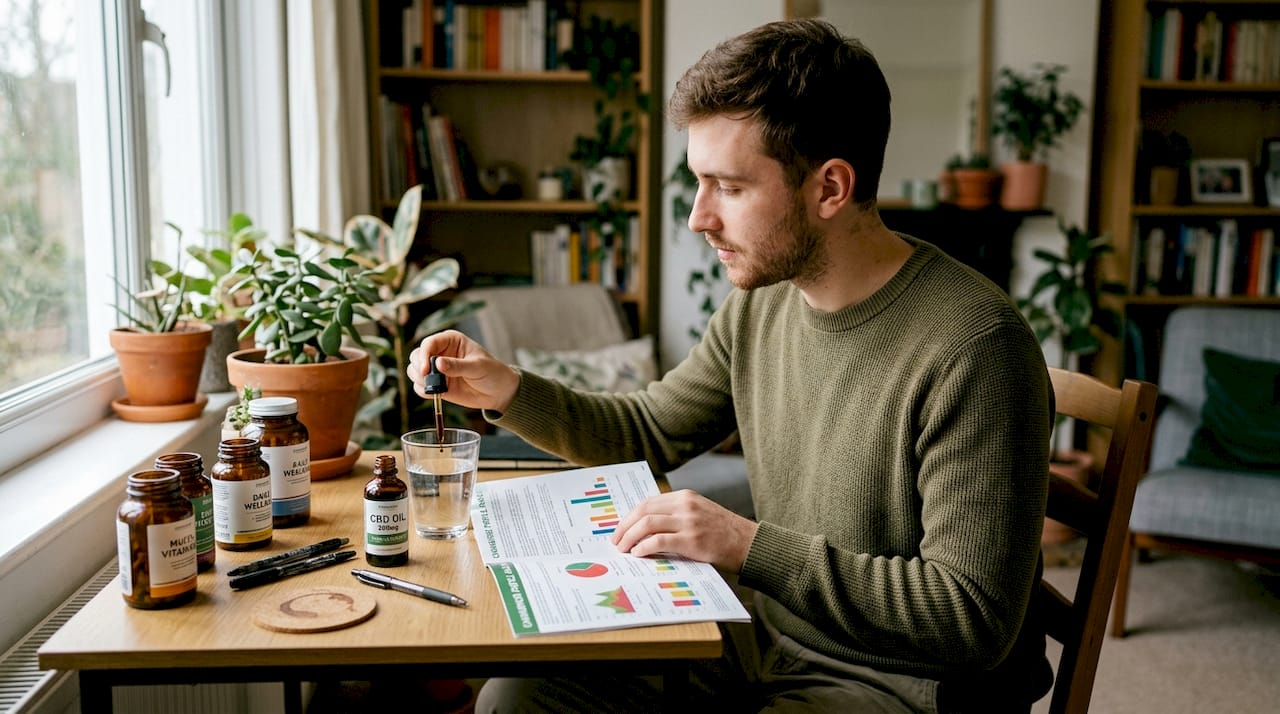
CBD isolate is the purest form of cannabidiol available. It contains nothing but the CBD molecule itself. No terpenes, no flavonoids, no other cannabinoids. For someone subject to regular workplace drug testing or who has a medical reason to avoid all cannabis-derived compounds, isolate is the safest route.
Broad-spectrum CBD retains the full range of hemp’s natural terpenes and minor cannabinoids (such as CBG and CBN) while having THC specifically removed. Many users prefer this because of the so-called ‘entourage effect,’ the idea that cannabinoids and terpenes work better together than any single compound does alone.
| Feature | CBD isolate | Broad-spectrum |
|---|---|---|
| CBD content | Pure CBD only | CBD + other cannabinoids |
| THC | Non-detect | Non-detect |
| Terpenes | None | Present |
| Entourage effect | No | Yes |
| Best for | Drug testing, strict avoidance | Holistic wellness |
| Taste | Neutral | Mild, plant-like |
Here’s how to decide which suits you:
- Choose isolate if you face regular drug screening, are particularly sensitive to other cannabinoids, or prefer a completely flavourless product.
- Choose broad-spectrum if you want to maximise the wellness potential of hemp without any THC risk. The broad-spectrum CBD guide covers this in more depth.
- Look for clear labelling that states which type the product is. Reputable brands make this obvious. If a label is vague, that’s a red flag.
- Always check whether the product lists its cannabinoid profile. A good brand will show you exactly what’s in the bottle, not just what isn’t.
For those exploring pure CBD isolate for the first time, it’s worth noting that some people find isolate slightly less effective than broad-spectrum, simply because the entourage effect is absent. That said, many users report excellent results with isolate, particularly for targeted symptom relief.
Why choose THC-free CBD? Wellness benefits and practical reasons
Now, let’s explore why THC-free CBD is the wellness choice for many seeking peace of mind and proven results. The appeal goes well beyond simply avoiding a high.
The wellness benefits of CBD include support for pain relief, anxiety management, improved sleep, and reduced inflammation. THC-free products deliver all of these potential benefits without any psychoactive risk. You can take your morning CBD capsule before work, your lunchtime tincture, and your evening gummy without any concern about impaired thinking or mood changes.
Who benefits most from choosing THC-free?
- Professionals subject to drug testing: Drivers, healthcare workers, and those in safety-critical roles. Understanding CBD and drug testing in the UK is essential before starting any CBD routine.
- Parents: Those who want to model responsible wellness habits or who share a household with children.
- Older adults: Individuals who may be more sensitive to any psychoactive compounds or who take other medications.
- First-time users: Anyone nervous about trying CBD for the first time will find THC-free products a reassuring starting point.
It’s important to note that ‘THC-free’ is not absolute zero. Lab limits of quantification mean that a tiny, clinically insignificant amount could theoretically be present. For most people, this is entirely irrelevant. For those with very strict requirements, it’s worth reviewing CBD product certificates directly and asking suppliers about their LOQ standards.
Pro Tip: Don’t rely solely on marketing claims. A trustworthy brand will publish its third-party COAs publicly, updated per batch. If you can’t find a COA on a brand’s website within a few clicks, consider that a warning sign.
Quick checks before buying any THC-free CBD product:
- Confirm the COA shows ‘non-detect’ for Delta-9 THC
- Check the COA is from an accredited third-party laboratory
- Verify the batch number on the COA matches your product
- Look for clear labelling of whether it’s isolate or broad-spectrum
- Choose brands that source from organically grown hemp
THC-free CBD: What most guides don’t tell you
Most articles stop at definitions and benefits. But there’s a layer of nuance that genuinely matters for UK buyers, and it rarely gets discussed openly.
The phrase ‘THC-free’ is not absolute. It’s a technical classification based on a lab’s ability to detect THC at a given sensitivity. Two products both labelled ‘THC-free’ could have meaningfully different actual THC levels depending on the lab equipment used. A lab with a high LOQ might miss trace amounts that a more sensitive lab would catch.
This isn’t scaremongering. For the vast majority of users, this distinction is irrelevant. But if you’re in a profession where a positive drug test carries serious consequences, it matters a great deal. Smart buyers look beyond the label. They request batch-specific COAs, check that the testing lab is accredited, and don’t hesitate to contact suppliers directly with questions.
At SMOKO CBD, we believe transparency is the foundation of trust. Reviewing CBD test certificates should be a standard step in your buying process, not an afterthought. The brands worth your loyalty are the ones that make this information easy to find.
Choose the right THC-free CBD for your wellness goals
Armed with knowledge and perspective, you’re ready to make an informed choice. Finding a product that genuinely matches your needs doesn’t have to be complicated.
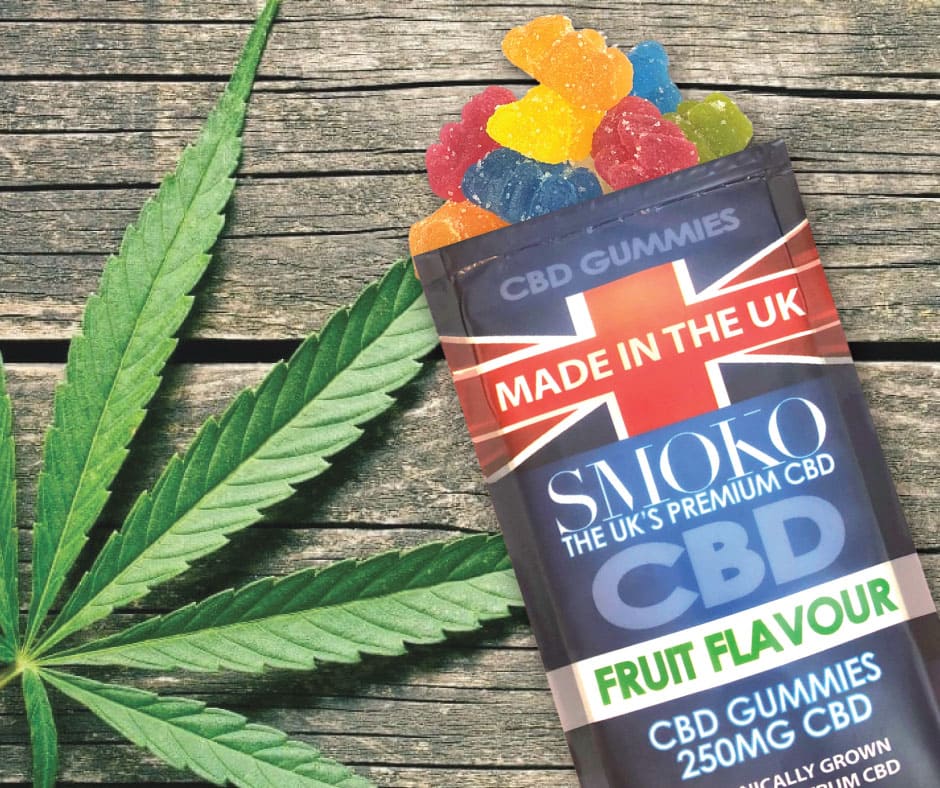
At SMOKO CBD, every product is rigorously third-party tested to confirm non-detect THC levels, with certificates available for you to review. Whether you prefer the smooth delivery of a 1000mg Mint Broad Spectrum tincture, the convenience of CBD soft gel capsules, or a tastier approach with gummy bears, there’s a format to suit every routine. Explore the full SMOKO CBD selection and find the formula that supports your individual wellness goals with complete peace of mind.
Frequently asked questions
Is THC-free CBD legal in the UK?
Yes, THC-free CBD is legal in the UK provided it contains less than 1mg THC per container as confirmed by third-party lab testing.
Will THC-free CBD show up on a drug test?
THC-free CBD should not trigger a positive result, but trace THC is possible if a lab’s detection limit is not sufficiently sensitive, so always verify the product’s COA before use.
What’s the difference between broad-spectrum and isolate THC-free CBD?
Broad-spectrum includes other compounds such as terpenes and minor cannabinoids with THC removed, while isolate is pure CBD with nothing else present.
Are THC-free CBD products safe for everyone?
THC-free CBD is considered safe for most adults, but confirming product contents via COA and consulting a healthcare provider is always advisable, particularly if you take prescription medication.