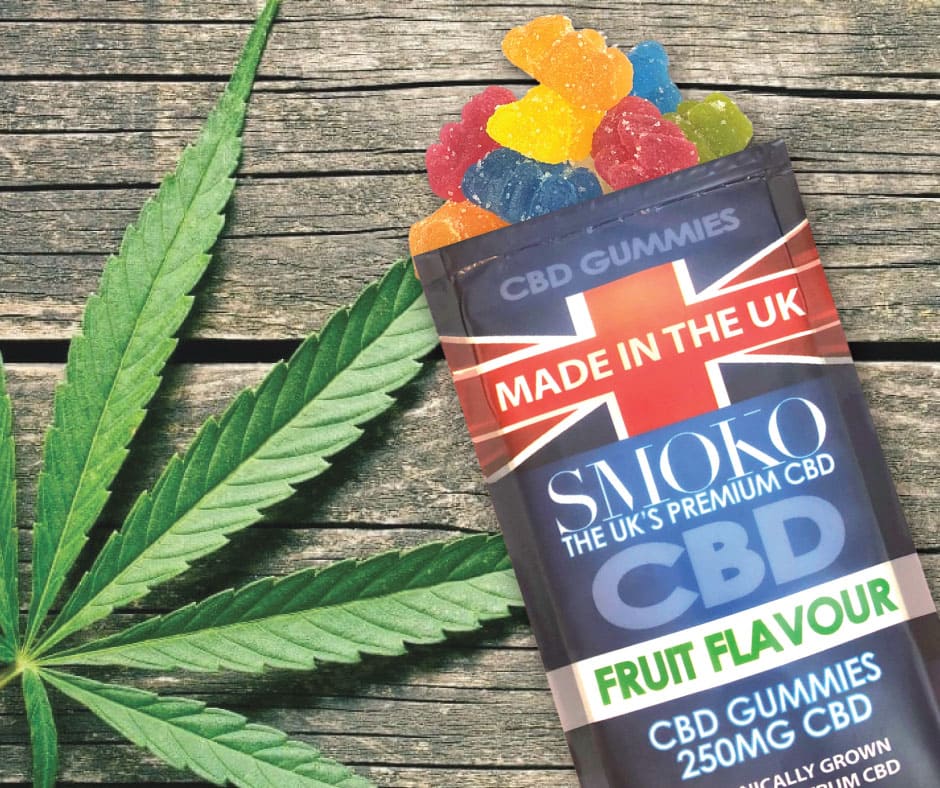
Over two million adults in the UK now use CBD products regularly, yet confusion persists about what CBD wellness actually involves and whether it delivers real health benefits. Cannabidiol (CBD) is a non-psychoactive compound extracted from hemp plants, increasingly popular for managing pain, reducing anxiety, and improving sleep quality. This article explains how CBD supports wellbeing through interactions with your body’s natural systems, examines the scientific evidence behind its most common uses, and provides practical guidance for choosing quality products that align with UK regulations and your personal wellness goals.
Table of Contents
- Key takeaways
- Understanding CBD wellness and how it works
- Evaluating CBD’s effects on pain, anxiety and sleep
- Safety, dosage and UK regulations for CBD wellness
- Choosing the right CBD products for wellness goals
- Explore high-quality CBD products at SMOKO CBD
- Frequently asked questions
Key Takeaways
| Point | Details |
|---|---|
| CBD wellness basics | CBD is a non intoxicating compound from hemp used in oils, tinctures, gummies and topicals to support wellbeing without an intoxicating high. |
| Indirect ECS action | CBD interacts indirectly with endocannabinoid system receptors and other targets to modulate pain mood and sleep. |
| Evidence on CBD | Clinical evidence is mixed with some benefits for sleep and self reported relief, but robust pain or anxiety results are inconsistent. |
| Regulation and quality | UK regulation sets dosage limits and advises caution when CBD is taken with other medicines, while emphasising the importance of selecting reputable products and correct dosing. |
Understanding CBD wellness and how it works
CBD wellness refers to the use of cannabidiol, a non-psychoactive compound from hemp, in oils, tinctures, gummies and topicals to support wellbeing. Unlike tetrahydrocannabinol (THC), the compound that creates a “high” in cannabis, CBD produces no intoxicating effects. Manufacturers extract CBD from hemp plants and formulate it into various types of CBD products UK consumers can purchase legally.
The biological mechanisms behind CBD’s wellness potential involve multiple systems in your body. CBD interacts indirectly with endocannabinoid system receptors, modulates serotonin receptors, and inhibits enzymes that break down your natural cannabinoids. This complex interaction helps regulate pain perception, anxiety responses, inflammatory processes, and sleep cycles.
Your endocannabinoid system (ECS) contains two primary receptors: CB1 receptors concentrated in your brain and nervous system, and CB2 receptors found mainly in immune cells. Rather than binding directly to these receptors like THC does, CBD works more subtly by preventing the breakdown of anandamide, your body’s natural “bliss molecule.” It inhibits fatty acid amide hydrolase (FAAH) and monoacylglycerol lipase (MAGL), enzymes that normally degrade endocannabinoids, allowing these beneficial compounds to remain active longer.
CBD also interacts with serotonin receptors, particularly 5-HT1A, which influences mood and anxiety. Additionally, it activates TRPV1 receptors involved in pain and inflammation regulation. This multi-target approach explains why CBD shows potential across various wellness applications rather than addressing just one specific condition.
Common CBD product formats include:
- Tinctures and oils placed under the tongue for quick absorption
- Edible gummies providing convenient, pre-measured doses
- Topical creams and balms for localised application
- Soft gel capsules offering consistent systemic delivery
Pro Tip: Start with low doses of CBD, around 5-10mg, and gradually increase every few days to find your optimal effect without overwhelming your system.
Using full-spectrum CBD products may provide an entourage effect, where multiple hemp compounds work together synergistically, potentially offering greater benefits than isolated CBD alone. This occurs because terpenes, flavonoids and trace cannabinoids complement CBD’s actions through their own mechanisms.
Evaluating CBD’s effects on pain, anxiety and sleep
Clinical evidence for CBD’s wellness benefits presents a nuanced picture that varies considerably across different conditions and study designs. Understanding what research actually shows helps set realistic expectations about CBD’s potential role in your wellness routine.
For pain management, observational studies show CBD may improve migraine disability and sleep, but randomised controlled trials show no significant pain reduction in hand osteoarthritis or psoriatic arthritis. This disconnect between patient reports and controlled trials suggests that placebo effects, expectation bias, or individual variation may play substantial roles. Some people experience meaningful relief whilst others notice no difference, making CBD an unpredictable option for pain that requires personal experimentation under medical guidance.

Anxiety research reveals similarly mixed findings. Acute high-dose CBD reduces social anxiety in controlled settings, with single doses of 400-600mg showing measurable effects in brain imaging studies and behavioural assessments. However, chronic evidence remains inconclusive, with fewer long-term trials examining sustained anxiety reduction. Most positive anxiety studies use doses far higher than typical consumer products provide, raising questions about real-world applicability. For context, many commercial CBD products contain 10-30mg per serving, well below the 400-600mg used in anxiety trials.
Sleep improvement shows more promising results. Clinical trials demonstrate CBD with terpenes can increase deep and REM sleep, whilst chronic 30mg doses reduce wakefulness after sleep onset. These findings suggest CBD may help you stay asleep rather than fall asleep initially, addressing sleep maintenance insomnia more effectively than sleep onset difficulties. The combination of CBD with specific terpenes like myrcene and linalool appears particularly beneficial for sleep architecture.
| Condition | Evidence strength | Typical effective dose | Key findings |
|---|---|---|---|
| Chronic pain | Weak to moderate | 15-60mg daily | Mixed results; observational benefits not confirmed in RCTs |
| Social anxiety | Moderate (acute) | 400-600mg single dose | Reduces anxiety in controlled settings; chronic data limited |
| Sleep quality | Moderate | 20-40mg before bed | Increases deep sleep and reduces night-time waking |
| Inflammation | Preliminary | Varies by application | Topical applications show localised anti-inflammatory effects |
The quality of evidence matters significantly. Observational studies, where researchers simply track people using CBD, cannot establish causation because numerous confounding factors influence outcomes. Randomised controlled trials provide stronger evidence but often use pharmaceutical-grade CBD at precise doses, which may not reflect typical consumer product use.
Individual responses to CBD vary dramatically based on genetics, existing endocannabinoid system function, body weight, metabolism, and the specific condition being addressed. What works brilliantly for your friend might produce no noticeable effect for you, emphasising the importance of personalised experimentation.
Pro Tip: Consult a healthcare provider before using CBD for anxiety or pain management, particularly if you take medications, due to varied clinical results and potential interactions.
For CBD for sleep and insomnia, consider taking your dose 1-2 hours before bedtime to allow absorption and peak effects to align with your sleep window. Combining CBD with good sleep hygiene practices like consistent bedtimes and reduced screen time enhances overall effectiveness.
Safety, dosage and UK regulations for CBD wellness
Navigating CBD safety and legality in the UK requires understanding specific regulatory frameworks that govern these products. The Food Standards Agency (FSA) classifies CBD as novel food with provisional acceptable daily intake of 10mg per day for healthy adults. This conservative limit reflects ongoing safety assessments rather than confirmed harm at higher doses, but exceeding it regularly may carry unknown long-term risks.
Certain populations should avoid CBD during pregnancy, breastfeeding, and for children, whilst those taking medications require caution as CBD affects CYP450 enzymes involved in drug metabolism. These liver enzymes process numerous common medications, including blood thinners, antidepressants, and some cardiovascular drugs. CBD can slow their breakdown, potentially increasing medication levels in your bloodstream to unsafe concentrations.
Typical effective doses vary by wellness goal. Pain management studies use 15-60mg daily, though individual responses differ substantially. Sleep improvement typically requires 20-40mg taken one to two hours before bed. Anxiety reduction in clinical settings uses much higher acute doses of 400-600mg, well above what most consumer products provide in practical serving sizes.
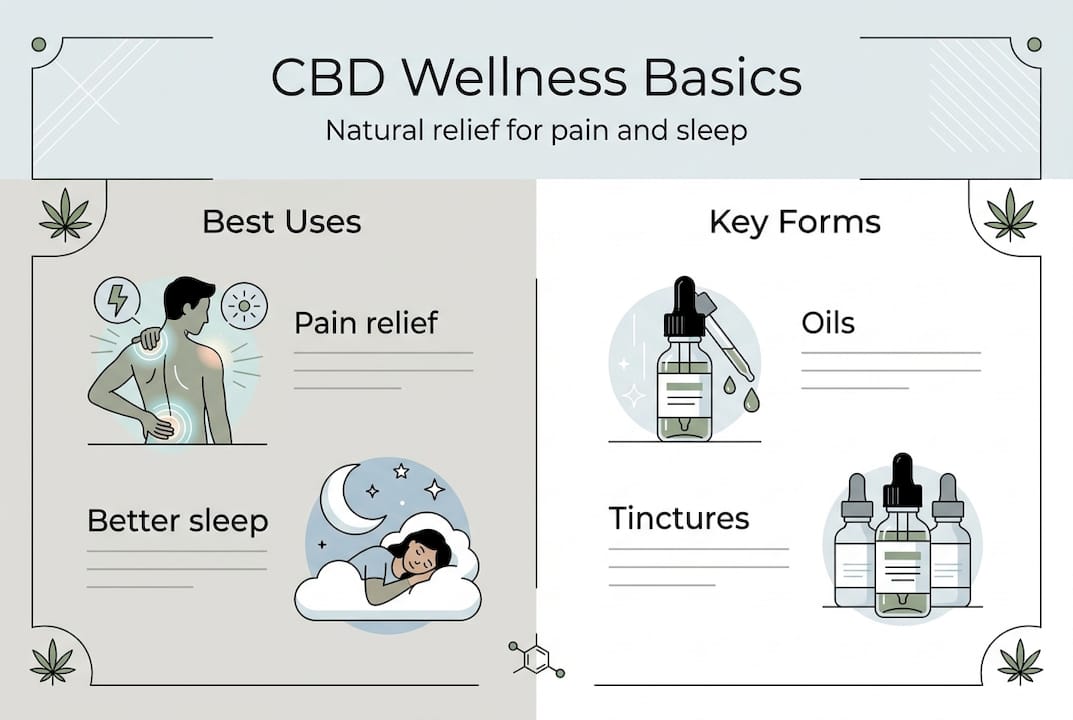
Common mild side effects include fatigue, diarrhoea, changes in appetite, and occasional dizziness. These typically occur at higher doses and often diminish as your body adjusts. CBD shows low addiction potential compared to many pharmaceutical alternatives, with no significant withdrawal symptoms reported in clinical studies.
Key safety considerations include:
- Verify products contain less than 0.2% THC to comply with UK law
- Check for third-party lab testing certificates confirming cannabinoid content
- Start with minimal doses and increase gradually over several days
- Monitor for side effects or unexpected reactions
- Avoid driving or operating machinery until you know how CBD affects you
- Store products away from children and pets
Steps for safely introducing CBD to your routine:
- Consult your GP or pharmacist about potential medication interactions
- Choose a reputable brand with transparent lab testing and clear labelling
- Begin with 5-10mg daily for one week, monitoring effects and side effects
- Increase by 5mg increments weekly until you achieve desired benefits
- Maintain a journal tracking dose, timing, effects and any concerns
- Reassess your usage monthly to determine ongoing value
UK regulations require CBD products to hold novel food authorisation to be sold legally. Many products currently on the market operate under a transitional arrangement whilst full authorisation processes continue. Check the FSA’s public list of authorised products to ensure compliance.
The UK CBD law and compliance framework continues evolving as regulators gather more safety data. Following the CBD wellness safe use checklist helps ensure you use these products responsibly whilst staying within legal boundaries.
Product labels should clearly state CBD content per serving, provide usage instructions, list all ingredients, and include batch numbers for traceability. Avoid products making specific medical claims, as these violate UK advertising standards and often indicate unreliable manufacturers.
Choosing the right CBD products for wellness goals
Selecting appropriate CBD products requires understanding the differences between product types and matching them to your specific wellness objectives. Full-spectrum CBD tends to offer greater benefits than isolate due to the entourage effect, where multiple hemp compounds work synergistically. However, isolate products suit those wanting pure CBD without any other plant compounds.
Full-spectrum CBD contains all naturally occurring hemp compounds including trace amounts of other cannabinoids, terpenes, and flavonoids. Broad-spectrum products include these beneficial compounds but remove THC entirely, offering a middle ground for those concerned about even trace THC levels. CBD isolate is pure cannabidiol with all other compounds stripped away, providing the highest CBD concentration per milligram but potentially missing synergistic benefits.
Product formats suit different applications and preferences:
| Product type | Absorption speed | Duration | Best for | Considerations |
|---|---|---|---|---|
| Tinctures/oils | 15-45 minutes | 4-6 hours | Flexible dosing, systemic effects | Requires measuring; hemp taste |
| Gummies | 45-90 minutes | 6-8 hours | Convenience, taste, consistent dosing | Slower onset; contains sugar |
| Topicals | 15-30 minutes | 2-4 hours | Localised pain, skin conditions | Doesn’t enter bloodstream |
| Soft gels | 45-90 minutes | 6-8 hours | Travel-friendly, precise dosing | Slower absorption than tinctures |
Dosing examples by wellness goal help establish starting points. For pain management, begin with 15-20mg twice daily and adjust based on response. Sleep improvement typically requires 20-40mg taken 1-2 hours before bed. Anxiety management requires careful individual titration, starting low at 10mg daily and increasing slowly whilst monitoring effects.
CBD tinctures benefits include flexible dosing control, as you can easily adjust drops to fine-tune your intake. Hold the oil under your tongue for 60-90 seconds before swallowing to maximise sublingual absorption, which bypasses first-pass liver metabolism and delivers CBD more efficiently into your bloodstream.
For localised issues like joint discomfort or muscle soreness, CBD topical products applied directly to affected areas provide targeted relief without systemic effects. These work through skin receptors and local endocannabinoid activity rather than entering your bloodstream.
Product selection tips include:
- Verify third-party lab testing results showing cannabinoid content and contaminant screening
- Calculate cost per milligram of CBD to compare value across products
- Check extraction methods; CO2 extraction produces cleaner, higher-quality CBD
- Read customer reviews focusing on specific wellness goals matching yours
- Confirm THC content stays below 0.2% for UK legal compliance
- Ensure clear labelling with batch numbers and expiry dates
Pro Tip: Use tinctures for flexible dosing adjustments and faster effects, whilst choosing topicals for localised discomfort without systemic absorption.
Reputable brands provide comprehensive certificates of analysis (COAs) from independent laboratories, detailing exact cannabinoid profiles, terpene content, and screening results for pesticides, heavy metals, residual solvents, and microbial contaminants. Request these documents if not readily available on product pages.
The CBD wellness checklist for safe use and benefits helps evaluate products systematically before purchase. Consider your lifestyle when choosing formats; busy professionals might prefer convenient gummies or capsules, whilst those wanting precise control benefit from tinctures.
Storage matters for maintaining potency. Keep CBD products in cool, dark places away from direct sunlight and heat, which degrade cannabinoids over time. Most products remain stable for 12-18 months when stored properly, though checking expiry dates ensures optimal effectiveness.
Explore high-quality CBD products at SMOKO CBD
Finding trusted CBD products that meet UK quality standards simplifies your wellness journey. SMOKO CBD offers broad-spectrum tinctures in refreshing mint and citrus flavours, alongside gummies and soft gel capsules with varying potencies to match your specific needs.
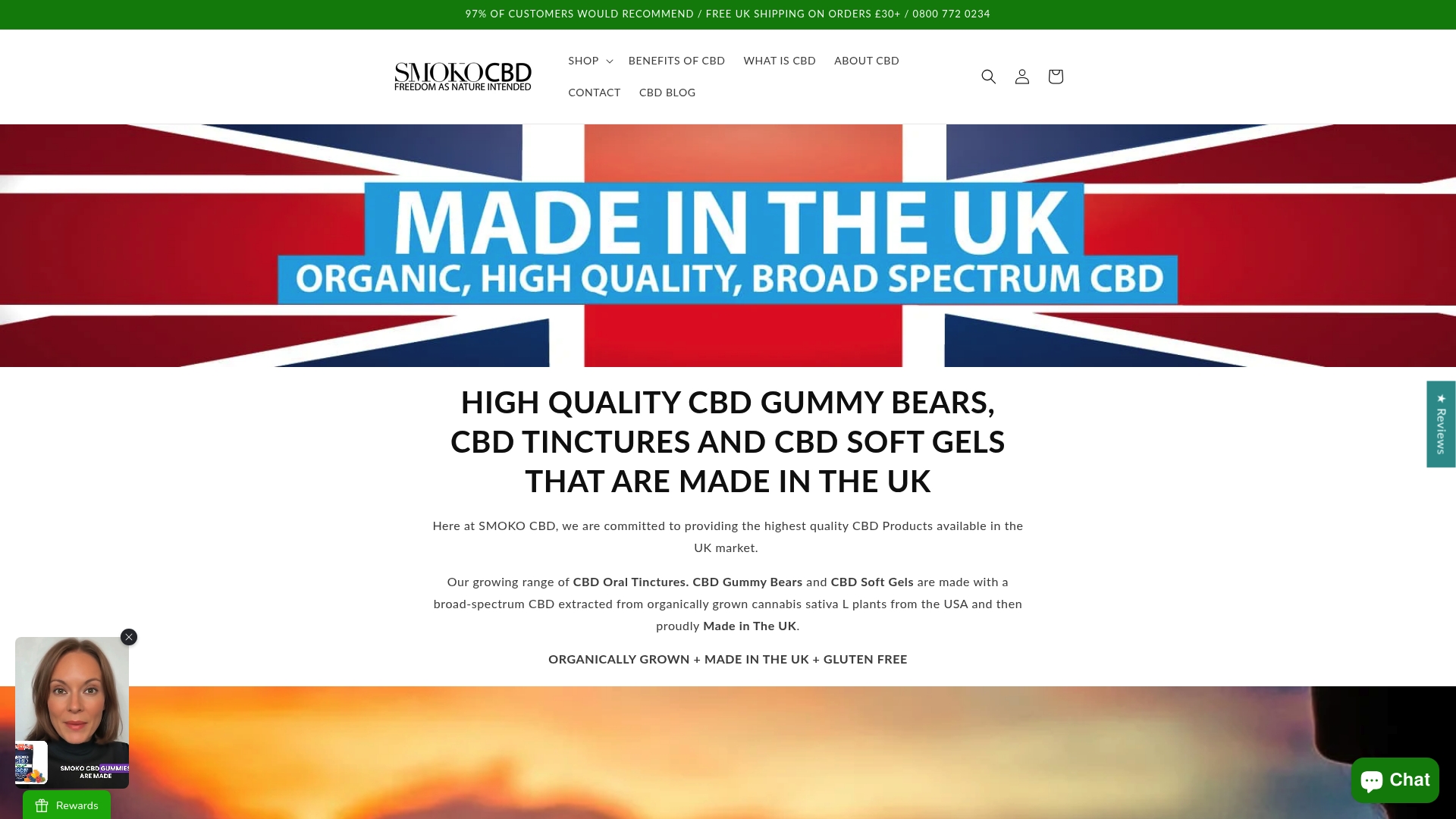
Every product undergoes rigorous third-party lab testing to verify cannabinoid content and confirm zero THC levels, ensuring you receive pure, effective CBD that complies with UK regulations. Whether you’re exploring SMOKO CBD mint flavour 1000mg tincture for flexible daily dosing, trying the convenient 500mg CBD tinctures and gummies pack for varied consumption methods, or preferring the precise dosing of SMOKO CBD 750mg soft gels, you’ll find options suited to managing pain, reducing anxiety, or improving sleep quality naturally.
Frequently asked questions
What is CBD wellness?
CBD wellness involves using non-intoxicating cannabidiol from hemp plants in various product formats to support natural health and wellbeing. It focuses on managing pain, anxiety, sleep issues, and inflammation through interaction with your body’s endocannabinoid system rather than producing psychoactive effects.
Is CBD safe to use for anxiety and pain?
CBD is generally safe for most healthy adults when used appropriately, though evidence for anxiety and pain relief varies considerably across studies. You should consult a healthcare provider before using CBD for these conditions, particularly if you take medications, as CBD can interact with drugs metabolised by liver enzymes.
How much CBD should I take for sleep?
Clinical studies suggest 20-40mg of CBD taken 1-2 hours before bedtime may improve sleep quality by increasing deep sleep stages and reducing night-time waking. Start with 20mg and adjust gradually based on your response, as individual needs vary significantly.
Is CBD legal in the UK?
Yes, CBD products are legal in the UK when they contain less than 0.2% THC and hold novel food authorisation from the Food Standards Agency. The FSA recommends healthy adults limit intake to 10mg daily pending further safety research, though many users consume higher amounts.
What types of CBD products are best for wellness?
The best CBD product depends on your specific wellness goals and preferences. Tinctures offer flexible dosing and faster absorption for systemic effects, gummies provide convenient pre-measured doses, topicals work well for localised discomfort, and soft gels suit those wanting consistent daily supplementation. Full-spectrum or broad-spectrum products may provide greater benefits than isolates due to the entourage effect of multiple hemp compounds working together.