CBDA is the raw, acidic compound hemp plants produce before heat or light converts it to CBD. Controlled studies, including a human pharmacokinetic trial, show CBDA can be absorbed faster and reach far higher plasma levels than CBD. The catch: human clinical evidence for CBDA’s actual health benefits is still thin. Check a product’s Certificate of Analysis (COA) before trusting any label, and lean on CBD when you want an evidence-backed choice.
TL;DR:
- CBDA demonstrates significantly higher absorption and plasma concentration than CBD in controlled studies, but the small sample size limits confidence in these results.
- Its distinct pharmacology involves COX-2 inhibition and serotonin receptor activity, indicating potential for nausea relief and anti-inflammatory effects, though human evidence is lacking.
- CBDA’s chemical instability often leads to its conversion into CBD during manufacturing and storage, making cold-processed extracts more likely to retain actual CBDA content.
- CBD has a stronger and more established human research base for wellness applications, while CBDA remains promising but unproven in clinical settings.
- Use products with verified COAs and stay within the 10 mg daily CBD ADI, as CBDA’s regulatory status and potential drug interactions are less well-defined than CBD’s.
Table of Contents
- CBDA vs CBD: how they differ at a molecular level
- CBDA vs CBD oil: what the absorption data shows
- Preclinical promise vs proven human benefit
- How CBDA survives (or doesn’t) from plant to product
- Safety, dosing, and drug-test considerations in the UK
- How Smokocbd helps you verify what you’re buying
- Therapeutic uses: where CBDA and CBD genuinely differ
- CBDA vs CBD legal status: what actually differs
- Drug interactions: does CBDA carry different risks?
- What I’d tell a friend choosing between them
- Why Smokocbd is worth considering for your next purchase
- Sources
- FAQ
CBDA vs CBD: how they differ at a molecular level
Every hemp plant makes CBDA first. It sits in the glandular trichomes of unfired flowers as the acidic, carboxylated form of the molecule. Apply heat, light, or simply time, and CBDA loses a carboxyl group in a reaction called decarboxylation, becoming CBD. That single chemical step explains most of what follows, because CBDA and CBD do not behave identically once they are inside you.
The two compounds appear to work through different routes:
- CBDA shows notable affinity for COX-2 inhibition (the same enzyme pathway targeted by common anti-inflammatory drugs) and interacts with 5-HT1A serotonin receptors, a target linked to nausea and mood regulation.
- CBD works more broadly, modulating the endocannabinoid system indirectly and touching multiple receptor pathways rather than one dominant target.
That divergence matters for anyone assuming the two are interchangeable. A review of acidic cannabinoids points out that CBDA’s pharmacology is genuinely distinct, not simply a weaker or stronger version of CBD’s. Findings built on CBD research, decades of it by now, cannot be quietly reassigned to CBDA. They are different molecules with different jobs.
CBDA vs CBD oil: what the absorption data shows
This is where the CBDA vs CBD debate gets genuinely interesting, because the pharmacokinetics (how fast and how much of a compound reaches your bloodstream) tell a surprising story.
A controlled human trial found CBDA’s Cmax was 19 to 25 times higher than CBD’s, with Tmax reached up to twice as fast, when both were dosed as part of a full-spectrum hemp product. Cmax measures peak concentration in the blood; Tmax measures how long it takes to get there. In practical terms, that trial’s participants absorbed CBDA faster and in far greater quantity than CBD from the same dose.

Preclinical work backs this up from a different angle. A nanomicelle formulation study found CBDA plasma concentrations in mice were much higher than those of CBD under equivalent dosing, once encapsulated in a lipid-based delivery system.
A few caveats matter before anyone treats this as settled:
- The human trial used a multi-cannabinoid product, so THC and other compounds may have influenced the results.
- Sample sizes in that PK trial were small, which limits how confidently the findings generalise.
- CBD’s own absorption is notoriously food-dependent. A 2018 PK study found a high-fat meal boosted CBD’s Cmax and AUC several-fold, with Tmax landing around three to five hours after dosing.
Formulation, not just chemistry, decides how much of either compound actually reaches your system.
Preclinical promise vs proven human benefit
The gap between what CBDA might do and what it has actually been shown to do in people is the single most important thing to understand here.
Laboratory and animal studies suggest several promising signals for CBDA:
- Anti-nausea effects, plausibly linked to its 5-HT1A receptor activity.
- Anti-inflammatory potential via COX-2 inhibition, the same pathway NSAIDs target.
- Early anticonvulsant signals in preclinical models.
Every one of those points comes from cell studies or animal models, not large human trials. CBD, by contrast, has a longer track record of human clinical evidence behind specific indications, including its established role in certain seizure disorders. That is not a small distinction. It is the difference between “this compound does something interesting in a dish” and “this compound has been shown to help people.”
Pro Tip: Treat any CBDA product marketed for a specific condition with scepticism unless the seller can point you to human trial data. “Studied in mice” and “studied in patients” are not the same claim, however similar the marketing language sounds.
A cannabinoid encyclopaedia review makes the same point from a different angle: expert consensus repeatedly cautions against assuming CBD’s clinical track record transfers to CBDA.
How CBDA survives (or doesn’t) from plant to product
CBDA is chemically unstable. Heat during extraction, warm storage conditions, or prolonged light exposure can all trigger decarboxylation before the product ever reaches you, quietly converting labelled CBDA into CBD without anyone changing the packaging.
That instability shapes which formats actually deliver what they promise:
- Cold-processed, raw extracts are the most likely to retain meaningful CBDA content, since they avoid the heat that drives conversion.
- Heated oils and isolates overwhelmingly contain CBD, because the manufacturing process itself decarboxylates the raw material.
- Nanomicelle and lipid-carrier formulations can meaningfully raise bioavailability for either compound, wrapping the cannabinoid in a delivery system that improves absorption.
- COA-verified batches are the only reliable way to know what you are actually getting, since a label alone cannot confirm the CBDA-to-CBD ratio in the bottle.
Ask for a COA showing both CBDA and CBD quantification alongside a manufacturing date. Comparing that ratio against the labelled serving size gives you a realistic estimate of what you are actually consuming, rather than what the front of the packaging implies.
Safety, dosing, and drug-test considerations in the UK
UK guidance gives consumers a clear ceiling to work from. The Food Standards Agency has set a provisional acceptable daily intake (ADI) of 10 mg of CBD per day for a healthy 70 kg adult. That figure applies to CBD specifically, but anyone using a product containing both CBDA and CBD should count total cannabinoid exposure toward that same ceiling rather than treating each compound as a separate allowance.
A few points worth acting on:
- The FSA advises vulnerable groups, including pregnant or breastfeeding people, to avoid CBD products entirely.
- Anyone on prescription medication should seek medical advice first, since cannabinoids can interact with liver enzymes in the CYP450 family that metabolise many common drugs.
- Zero-THC claims only mean something when backed by third-party lab testing. A COA is your actual safeguard, not the marketing copy on the box.
- Novel-food assessments submitted to UK authorities have repeatedly addressed THC limits and detection thresholds, which is worth checking if drug testing is a concern for you.
Our CBD dosage guide covers how to stay within that 10 mg ceiling in practice.
How Smokocbd helps you verify what you’re buying
Broad-spectrum CBD products are made in the UK from organically grown hemp sourced in the USA, with batches tested by third-party labs to confirm zero THC. That matters more than most marketing copy admits, given how much this article has focused on the gap between label claims and lab-verified content.
Beyond the products themselves, Smokocbd publishes detailed guidance on how CBD differs from THC and how UK regulatory standards apply to both, alongside a wellness guide addressing pain, anxiety, sleep, and inflammation. If you are the kind of reader who wants to check a COA before trusting a label, that transparency is the point.
Therapeutic uses: where CBDA and CBD genuinely differ
The therapeutic case for each compound rests on different evidence. CBD’s applications, including support for anxiety, sleep disruption, and inflammatory discomfort, draw on a substantial and growing body of human research alongside decades of prior cannabinoid study. CBDA’s case is younger and narrower.
Where CBDA looks genuinely distinct is in its COX-2 inhibition and serotonin receptor activity, mechanisms that suggest particular promise for nausea and inflammatory conditions specifically, rather than the broader wellness applications CBD is marketed for. That specificity is worth taking seriously, but it is preclinical specificity. Nobody has run the large human trials needed to confirm those lab signals translate into reliable relief.
For anxiety in particular, CBD carries the stronger evidential base for informing a purchase decision today. CBDA’s serotonin receptor interaction is mechanistically plausible for mood-related effects, but a plausible mechanism is not the same as a demonstrated outcome in people. If you want a product chosen for a specific therapeutic goal rather than general wellness, that distinction should guide the label you pick, not the marketing headline on the box.
The practical upshot: treat CBD as the compound with the clearer human evidence trail for most everyday wellness goals, and treat CBDA as a compound worth watching rather than one to build a treatment plan around just yet.
CBDA vs CBD legal status: what actually differs
Legally, CBDA occupies a murkier position than CBD in most jurisdictions, including the UK, largely because regulators have built their frameworks around CBD specifically rather than the full range of cannabinoids a hemp plant produces.
UK novel food regulations and the FSA’s provisional ADI were established with CBD as the reference compound. CBDA has not received the same explicit regulatory treatment, which leaves products containing meaningful CBDA levels in a comparatively undefined space. That does not make CBDA illegal. It means the specific consumer protections and dosing guidance built for CBD, including the 10 mg ADI, were not designed with CBDA’s distinct pharmacokinetics in mind.
Practically, this matters most for anyone buying raw or “live” hemp extracts marketed specifically for CBDA content. Those products sit further from the regulatory frameworks that govern mainstream CBD oils, gummies, and capsules. Our UK CBD regulations overview covers the current landscape for CBD specifically. For CBDA, the safest approach is treating any UK regulatory guidance written for “CBD” as not automatically covering CBDA, and choosing sellers who test and disclose both compounds separately on their COAs.
Drug interactions: does CBDA carry different risks?
CBD’s interaction profile is reasonably well documented: it inhibits certain CYP450 liver enzymes, the same family responsible for metabolising a wide range of prescription medications, including some blood thinners and antidepressants. That inhibition can raise the effective concentration of those drugs in your system, which is why medical advice matters before combining CBD with prescription medicine.
CBDA’s interaction profile is far less studied. Its distinct molecular targets, COX-2 inhibition in particular, raise a specific question: does CBDA interact differently with anti-inflammatory medications like ibuprofen than CBD does? The honest answer is that nobody has run the trials needed to say definitively. CBDA sharing a pathway with common NSAIDs is a plausible reason for caution, not a confirmed risk, but plausible caution is still worth acting on until better data exists.
Anyone taking regular medication, whether for inflammation, mood, or any chronic condition, should treat CBDA with at least the same caution as CBD, and arguably more given the smaller evidence base. Our guide on combining CBD and ibuprofen covers the mechanics of that particular interaction, and the same CYP450 caution applies whether the product on your shelf contains CBD, CBDA, or both.

What I’d tell a friend choosing between them
CBDA’s mechanism looks genuinely interesting, but interesting is not the same as proven. Until more human trials exist, I’d treat CBDA as complementary to CBD rather than a replacement, unless a specific product can point you to real clinical evidence.
Before buying anything: check the COA for both compounds, stay within the ADI, confirm the formulation, and check storage conditions. Ask a doctor first if you take regular medication.
— Mike
Why Smokocbd is worth considering for your next purchase
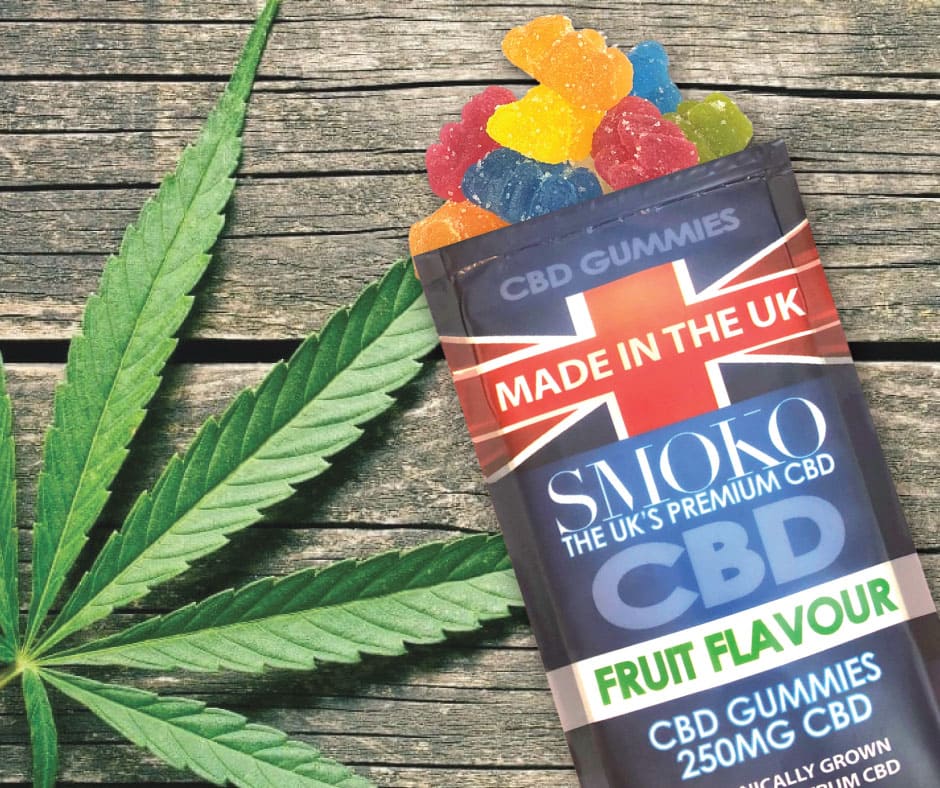
Everything in this article points to the same conclusion: the compound with genuine human evidence behind it is CBD, and the product you choose should be verifiable, not just marketed. Smokocbd’s broad-spectrum tinctures, gummy bears, and soft gels are made in the UK from organically grown, USA-sourced hemp, with every batch backed by third-party lab testing confirming zero THC. That is the concrete advantage over a raw CBDA product with no clinical backing and no verified COA.
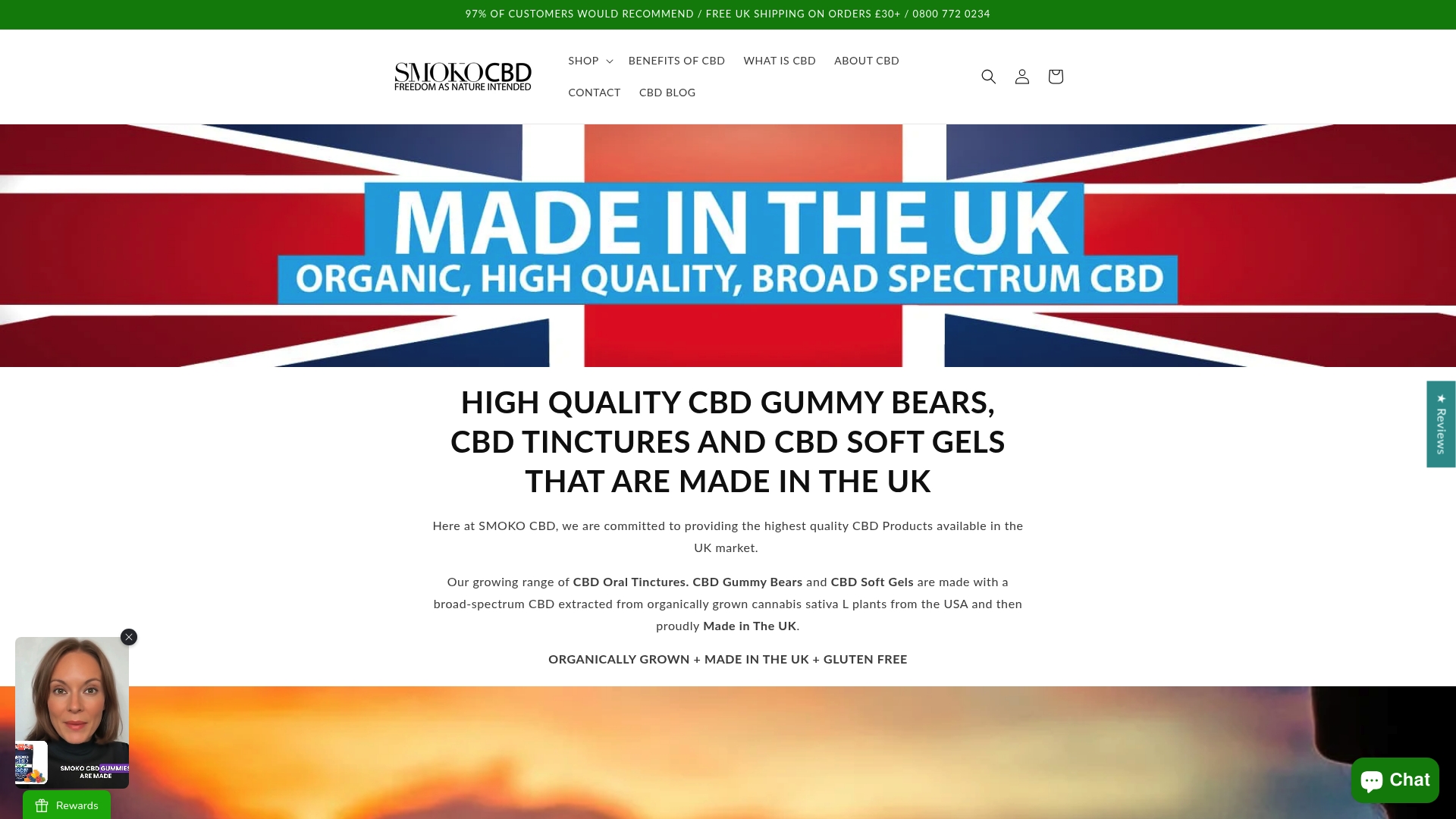
If your priority is CBD supported by decades of cannabinoid research rather than a compound still working its way through preclinical trials, Smokocbd’s tinctures, gummy bears, and soft gels give you flavour and format options without gambling on unproven claims. New customers can start with the broad-spectrum CBD gummies and check the batch COA before their first order, exactly the habit this article has argued for throughout.
This article is general information, not a substitute for advice from a qualified doctor. Consult a qualified healthcare professional about your own circumstances before acting on anything here.
Sources
- Gov
- Study showing increased bioavailability of cannabinoid acids using nanoformulation — PubMed
- The pharmacokinetics and pharmacodynamics of a hemp‑derived full‑spectrum cannabinoid product — Johns Hopkins (Pure)
- Pharmacokinetics and food effect study for oral cannabidiol — PubMed (2018)
FAQ
Is CBDA more effective than CBD?
Not proven to be. CBDA shows faster absorption and higher plasma levels in controlled studies, but “more bioavailable” is not the same as “more effective” for any specific health outcome. CBD has the stronger human clinical track record for most everyday wellness uses today.
What are the effects of CBDA?
Preclinical research points to anti-nausea, anti-inflammatory, and possible anticonvulsant effects for CBDA, largely through COX-2 inhibition and 5-HT1A receptor activity. Most of this evidence comes from cell and animal studies rather than large human trials, so real-world effects in people remain less certain.
Is CBDA good for anxiety?
CBDA’s interaction with serotonin (5-HT1A) receptors is mechanistically plausible for mood-related effects, but there is no strong human trial evidence confirming this for anxiety specifically. CBD currently has a broader base of human research behind it for anxiety-related use, making it the better-evidenced choice.
Does CBDA show on a drug test?
CBDA itself is not THC and should not cause a positive test for THC on its own, but products containing trace THC alongside CBDA can carry that risk regardless of which cannabinoid dominates. Always check a product’s COA for confirmed zero-THC status rather than relying on the CBDA or CBD label alone.