CBD may ease some of the nerve pain and discomfort linked to shingles for certain people, but it is not a proven treatment and should never replace antiviral medication or your GP’s advice. Early research on topical cannabinoids for nerve pain is promising but limited, while the Food Standards Agency sets a provisional safe intake of 10 mg of CBD a day for most healthy adults. Speak to your GP before starting, particularly if you take other medication.
TL;DR:
- Limited clinical evidence suggests topical CBD may reduce shingles-related nerve pain, but most studies are small, short-term, and inconclusive.
- The Food Standards Agency recommends a daily CBD intake of no more than 10 mg for healthy adults to avoid potential risks.
- CBD might help calm skin inflammation and modulate pain signals, but effects vary depending on application route and individual response.
- People on medication or with compromised immune systems should consult a GP before trying CBD due to possible interactions and safety concerns.
- Using high-quality, certified CBD products and starting with topical formulations are considered safer initial approaches alongside traditional treatments.
Table of Contents
- What does the clinical evidence say about CBD for shingles and nerve pain?
- How might CBD reduce shingles-related skin pain and itch?
- Which CBD product and dose should you try first?
- What are the risks, side effects and drug interactions to know about?
- How do you trial CBD safely alongside your shingles treatment?
- Why product quality matters when choosing a CBD brand
- What do patients actually report when trying CBD for shingles pain?
- Author perspective: cautious optimism, not a shortcut
- If you choose to try CBD: where to start with SMOKO CBD
- FAQ
- Sources
What does the clinical evidence say about CBD for shingles and nerve pain?
Shingles pain, and the longer-lasting nerve pain it can leave behind (known as postherpetic neuralgia, or PHN), has made people curious about cannabidiol as an add-on option. The honest answer is that the evidence is encouraging in places but far from conclusive.
A systematic review of non-oral and non-inhaled cannabinoid use for neuropathic pain found limited clinical research overall, though one small randomised trial of a topical CBD-enriched preparation showed statistically significant reductions in certain pain measures compared with placebo. That is a genuinely useful signal, but it comes from a small trial with a short follow-up period, not a large body of consistent findings.
Separately, broader reviews of cannabinoids for neuropathic pain have found that purified oral CBD on its own tends not to reduce pain intensity much compared with placebo. Most of the modest benefit seen in trials comes from products that combine CBD with THC or use whole-plant extracts, which carry a different side-effect profile and are not what most UK consumer CBD products contain.
Case reports add another layer. Documented cases of CBD used as an add-on for postherpetic neuropathy have reported symptom improvement, occasionally alongside reduced doses of other pain medication. These are low-level evidence: one or a handful of patients, no control group, and no way to rule out other factors.
Key gaps in the evidence base include:
- Most trials use different CBD products, strengths and delivery methods, making comparisons difficult.
- Follow-up periods are typically short, often weeks rather than months.
- Safety data over long-term use in people with shingles specifically is sparse.
- Few studies separate topical from oral effects, despite very different absorption patterns.
The Food Standards Agency has set a provisional acceptable daily intake of 10 mg of CBD per day for a healthy 70 kg adult, a benchmark worth keeping in mind before assuming “more is better” when trying CBD for pain.
How might CBD reduce shingles-related skin pain and itch?
Shingles pain happens because the varicella-zoster virus reactivates and damages nerve fibres, causing pain signals that can persist even after the rash has cleared. CBD is thought to interact with the body’s endocannabinoid system, a network of receptors found throughout the skin and peripheral nerves that helps regulate pain, inflammation and itch.
CBD’s plausible actions include:
- Calming local inflammation around irritated nerve endings, which may reduce the burning or stabbing sensations typical of PHN.
- Interacting with receptors involved in pain signalling, potentially damping down how strongly pain messages reach the brain.
- Offering some neuroprotective effects that could, in theory, support nerve recovery, though this is still being studied.
The route matters here. Topical CBD applied to the skin targets receptors locally and is thought to stay largely confined to that area, meaning less of it reaches the bloodstream. Oral or sublingual CBD, by contrast, travels through the body more broadly and can influence mood and central pain processing, which is partly why people sometimes report feeling calmer as well as less sore.
Pro Tip: If itching and burning are concentrated in one patch of skin, a topical product targets that area directly, rather than dosing your whole system for a localised problem.
Which CBD product and dose should you try first?
Choosing between a cream and a capsule is not just personal preference. It affects how much CBD reaches your bloodstream and how predictable the effects are.
Topical creams and balms act locally, with minimal absorption into the rest of the body, which makes them a sensible starting point for a rash that is still tender or healing. Oral drops, sublingual tinctures and soft gel capsules work differently: they are swallowed or absorbed under the tongue, enter the bloodstream, and build up cumulatively if taken more than once a day.

This is where the FSA’s provisional ADI becomes genuinely useful. The guidance of 10 mg of CBD per day for a healthy 70 kg adult means that if you are taking a tincture in the morning and gummies in the afternoon, you could unintentionally exceed that figure. Read labels carefully and count total daily intake across every product, not just one.
A pragmatic approach:
- Start with a topical product applied to the affected area and monitor for a week or two.
- If topical use alone is not enough and your GP agrees, consider a low-dose oral product.
- Begin oral dosing well below the recommended limit and increase gradually only if needed.
- Keep a simple daily log of how much CBD you have taken, from every source.
When choosing a product, check that it:
- Has a current third-party Certificate of Analysis (COA) showing cannabinoid content and confirming zero THC.
- States clearly whether it is broad-spectrum or isolate.
- Lists CBD content per serving, not just per bottle, so dosing is easy to calculate.
Further detail on calculating daily amounts is covered in this CBD dosage guide, which sets out how the 10 mg benchmark applies across different product types.
What are the risks, side effects and drug interactions to know about?
CBD is not risk-free, and shingles patients are often exactly the group who need to be most careful, since many are older, immunocompromised, or already taking several medications.
The Food Standards Agency advises that people on prescription medication, pregnant or breastfeeding women, children, and immunocompromised individuals should either avoid CBD or seek medical advice before using it. Shingles itself is more common and often more severe in people with weakened immune systems, which puts a meaningful share of this audience directly into that cautionary group.
Commonly reported side effects in clinical reviews include:
- Dizziness or light-headedness, particularly at higher doses.
- Sedation or drowsiness, which can be more noticeable when combined with other pain medications.
- Nausea or digestive upset.
- Changes in liver enzyme levels, seen in some trial participants, which is why monitoring matters for anyone on regular medication.
CBD is processed by the liver via enzymes known as the CYP pathway, the same system responsible for metabolising many common drugs, including some anticoagulants and neuropathic pain medications such as gabapentin or amitriptyline. This means CBD can potentially raise or lower the levels of those drugs in your blood, making them more or less effective, or increasing side effects. A pharmacist or GP can check your specific medications against known interactions before you start.
Seek urgent medical attention if you notice unusual bruising or bleeding, yellowing of the skin or eyes, severe drowsiness, or if your shingles rash spreads, worsens, or reaches near the eyes.
How do you trial CBD safely alongside your shingles treatment?
A structured approach keeps CBD a sensible add-on rather than a gamble.
Before you start:
- Confirm your antiviral course and pain management plan with your GP, and do not delay or skip either.
- List every medication and supplement you currently take.
- Check for any known allergies to carrier oils or other ingredients in the product.
- Choose a product with a current, verifiable COA.
The trial itself:
- Apply a topical CBD product to the affected skin for one to two weeks, tracking pain, itch and sleep quality daily.
- If relief is insufficient and your GP is comfortable with it, introduce a low-dose oral product, staying within the FSA’s guidance unless advised otherwise.
- Record your daily total dose, a simple pain score, sleep quality and any side effects in a notebook or phone app.
- Stop and contact your GP if the rash worsens, pain increases sharply, or you notice new side effects.
Pro Tip: Never stop or reduce prescribed neuropathic medication because you’ve started CBD. Any adjustment to existing treatment should happen with your GP’s input, not on your own timetable.
This structured approach mirrors the dosing principles covered in our guide to CBD and nerve pain.
Why product quality matters when choosing a CBD brand
Not all CBD products are made to the same standard, and that matters more when you are dealing with a painful, healing area of skin or a compromised immune system.
Signals worth checking for in any product you consider:
- Broad-spectrum formulation with a current third-party lab report confirming zero THC content.
- Clear labelling of CBD content per serving, not just per bottle.
- Organically grown hemp sourced with a traceable supply chain.
- Accessible customer support for questions about dosing or ingredients.
Some CBD brands position their tinctures, gummy bears and soft gels around these points, using organically grown, USA-sourced hemp and independent lab testing to confirm zero THC. For someone managing shingles pain, that kind of verification matters because it means dosing is predictable and the product is less likely to carry unexpected contaminants.
None of this replaces medical treatment. Antivirals and prescribed neuropathic medications remain the primary tools for managing shingles and its aftermath; a well-tested CBD product is, at most, a supporting option used alongside that care.
What do patients actually report when trying CBD for shingles pain?
Survey data collected as part of UK regulatory consultations shows that a notable share of people who use CBD say they do so for pain relief and general wellbeing, and many report a perceived benefit. That kind of self-reported feedback is worth taking seriously, since it reflects real lived experience.
It is also, by its nature, different from the controlled trial evidence described earlier. People who report feeling better after starting CBD may also be resting more, managing stress differently, or simply experiencing the natural easing of shingles pain over time as the rash heals. Case reports documenting improvement in postherpetic neuropathy when CBD was used as an add-on therapy show the same pattern: individual accounts of relief, sometimes alongside reduced use of other pain medication, but no control group to confirm CBD caused the change.
The honest takeaway is that personal reports and small case series are a reasonable basis for considering a cautious trial, discussed with your GP, but they are not the same as proof that CBD works for shingles pain in general. Treat them as one data point among several, not the final word.
Author perspective: cautious optimism, not a shortcut
Some people genuinely report feeling less pain and sleeping better once they add CBD to their shingles recovery. I don’t dismiss that. But the trial evidence for CBD alone, taken orally, for neuropathic pain remains thin, and shingles patients are often exactly the group with the most to lose from an unmonitored interaction.
My honest advice: talk to your GP openly about trying CBD, keep a simple daily record of dose and symptoms, and treat the FAQ and primary sources linked here as your starting point for further reading, not a substitute for professional input.
— Mike
If you choose to try CBD: where to start with SMOKO CBD
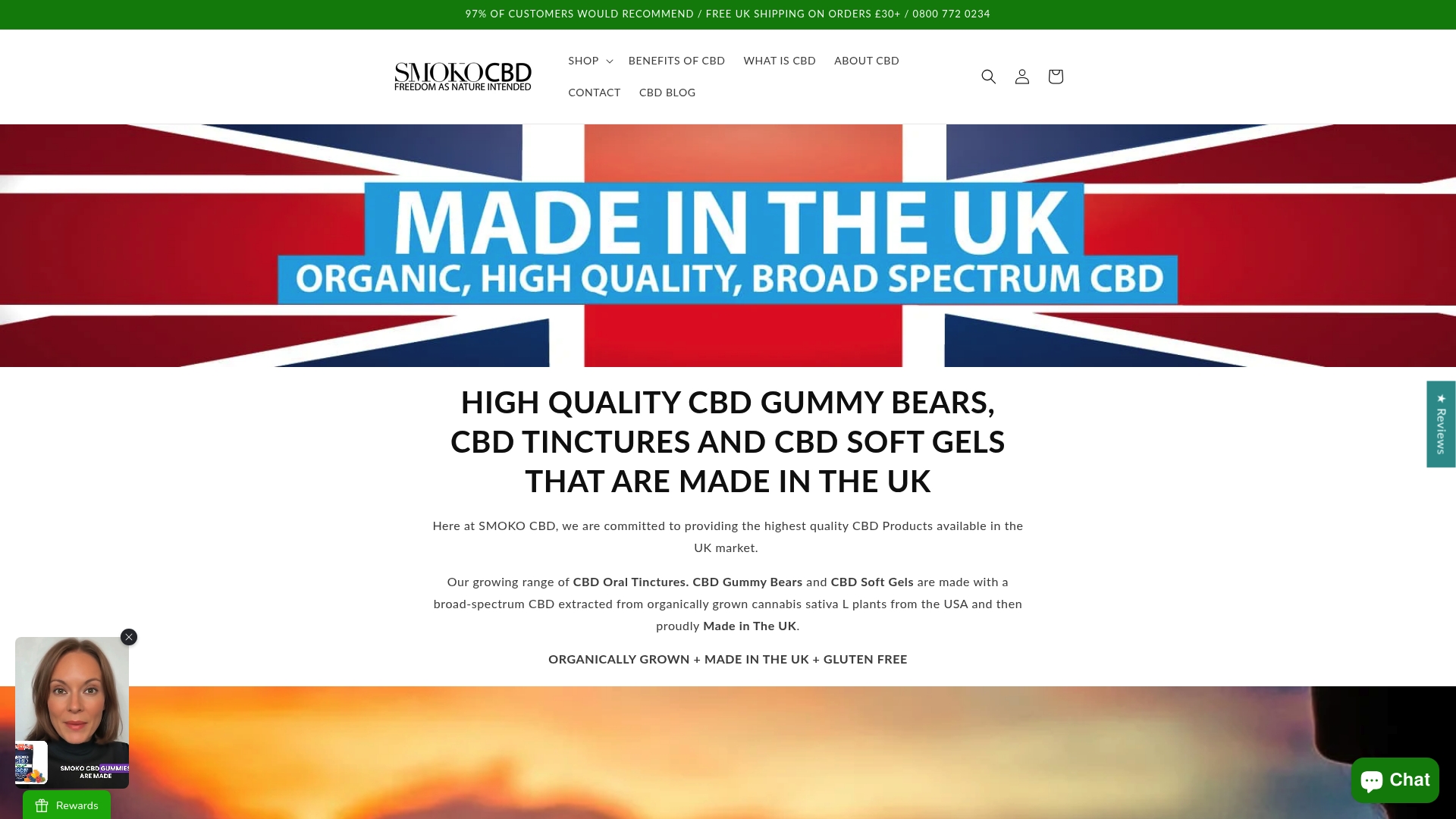
If your GP has given the go-ahead, starting simple makes sense. SMOKO CBD’s collection of tinctures, gummy bears and soft gels gives you a choice between a fast-acting sublingual drop and an easy, pre-measured edible, which suits people who want predictable dosing without any guesswork around strength.
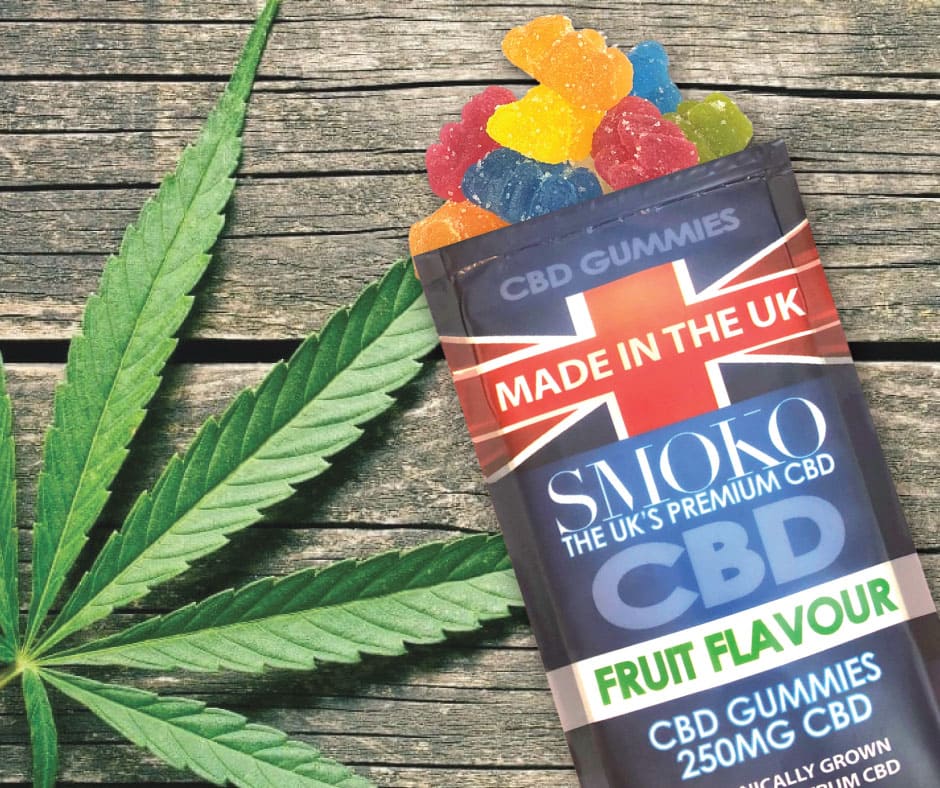
For a low-dose starting point, the 250mg broad-spectrum CBD gummies offer a measured way to begin, letting you track exactly how many milligrams you have taken each day against the FSA’s guidance.
Before you order:
- Check the product’s COA for confirmed zero-THC status.
- Keep your total daily CBD intake at or below 10 mg unless your GP advises otherwise.
- Use customer support if you have questions about a specific product or ingredient.
Some CBD providers offer free UK shipping on orders over a certain amount, with customer support available for questions about choosing between tinctures, gummies or soft gels.
FAQ
Can CBD help relieve shingles pain?
CBD may offer some relief from the nerve pain and itching associated with shingles for certain people, based on small studies and patient reports, but it is not a proven treatment. It should be used alongside, not instead of, antiviral medication and your GP’s advice.
How do you calm down a shingles flare-up?
Standard care involves starting prescribed antiviral medication promptly, keeping the rash clean and covered, and using pain relief recommended by your GP, as outlined in NHS guidance on post-herpetic neuralgia. Cool compresses and loose clothing over the affected area can also ease discomfort while the rash heals.
What should I avoid if I have shingles?
Avoid scratching the rash, sharing towels or close contact with anyone who hasn’t had chickenpox or the chickenpox vaccine, and starting new supplements, including CBD, without checking with your GP first. People who are immunocompromised, pregnant or on regular medication should seek medical advice before trying CBD.
What calms nerve pain from shingles?
NHS-recommended treatments for postherpetic neuralgia include medications such as amitriptyline, gabapentin, pregabalin and topical patches, chosen based on individual response and tolerability. Some people also explore topical CBD as an add-on, though the evidence for this remains limited and it should be discussed with a GP first.
Is CBD safe to combine with shingles medication?
CBD can interact with medications processed by the same liver enzymes used for several nerve pain drugs and anticoagulants, which may change how those medications work. Always check with your GP or pharmacist before combining CBD with any prescribed shingles treatment.
Sources
- Safety assessment on the safety of cannabidiol (CBD) isolate as a novel food (FSA) — RP225
- Post-herpetic neuralgia — NHS
- Systematic review: cannabinoids by non‑oral/non‑inhaled routes for neuropathic pain — PMC