Early clinical trials suggest CBD can ease specific PMS symptoms, particularly pain, anxiety and irritability, when taken as a short course starting at symptom onset. The evidence isn’t definitive: studies are small, several are open-label rather than placebo-controlled, and depression and sleep symptoms show far weaker signals. If you’re on prescription medication or dealing with severe PMDD, speak to a GP or pharmacist before you try it.
TL;DR:
- Most evidence supports CBD’s potential to reduce menstrual pain, anxiety, irritability, and stress when used during the first five days of symptoms, but data remains limited.
- Localized delivery methods such as CBD-infused tampons and suppositories show promising results with significant pain reduction and fewer systemic effects than oral products.
- Dosing in trials typically involves 160-320 mg twice daily, starting at symptom onset, for five days, which is higher than most over-the-counter options.
- CBD’s effectiveness on depression and sleep disturbances is weak, and most studies are small, short, and lack placebo controls.
- Always choose products with independent third-party lab testing, clear labeling, and consult a healthcare professional before use, especially if on medication.
Table of Contents
- What the research shows so far
- How much CBD do people use, and when do they take it?
- Oral, vaginal or topical: which delivery route has the best evidence?
- Are there side effects or drug interactions to worry about?
- What should you check before buying a CBD product?
- How to trial CBD responsibly over one cycle
- Where the evidence stands, and where it doesn’t
- Trying CBD? Where to start with SMOKO CBD
- Sources
What the research shows so far
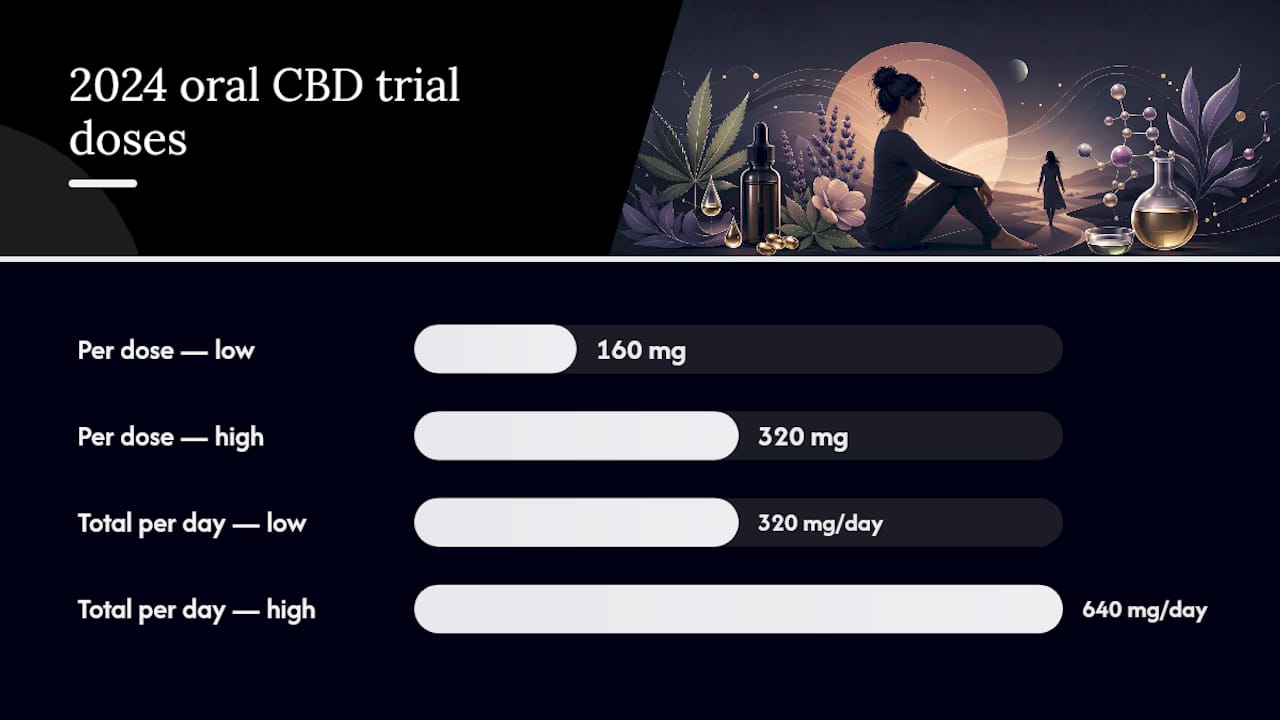
The strongest data point comes from a 2024 open-label trial testing oral CBD isolate against menstrual-related symptoms. Participants took either 160mg or 320mg twice daily (320mg or 640mg total per day) for five consecutive days, beginning right as symptoms started. Irritability, anxiety, stress and subjective pain severity all dropped compared with baseline, and the effects held up over three menstrual cycles. That’s encouraging, but the trial had no placebo arm, so some of the improvement could reflect expectation rather than the compound itself.
Localised delivery has produced some of the more striking numbers. A randomised single-blinded trial of CBD-infused tampons followed dozens of women through multiple cycles and found statistically significant pain reduction in the early and later months. A small proportion reported product-related irritation, indicating a reasonable tolerability profile for something used internally.
Statistic callout: In a proof-of-concept trial of an intravaginal CBDA/CBD suppository involving 48 participants, mean pain scores fell significantly, and most women reduced their use of oral painkillers alongside it.
A larger survey-based study comparing 77 women using a commercial 100mg CBD suppository against 230 following standard care found the CBD group reported less frequent, less severe symptoms and reduced analgesic use.
Where does this leave you? A few things are worth holding onto:
- Pain and mood-related symptoms (anxiety, irritability, stress) show the most consistent improvement across studies.
- Depression and sleep disturbance have much thinner evidence behind them.
- Most trials are small, short, and not all placebo-controlled.
- Harvard Health’s review concluded that high-quality evidence for many CBD claims remains limited, and called for more rigorous trials.
That last point matters. Enthusiasm for CBD in women’s health has outpaced the trial data, so treat early results as a promising direction rather than a settled answer; learn more about how CBD acts on hormones to understand its potential impact.
How much CBD do people use, and when do they take it?
Trial dosing has been more structured than most consumer habits. The oral isolate trial used 160mg or 320mg twice daily, for a five-day window that began right at the first sign of symptoms rather than running continuously through the month. That short, targeted pattern shows up across multiple studies of menstrual-related CBD use.
A few practical notes for translating that into real life:
- Trial doses (up to 640mg/day) are considerably higher than what most over-the-counter tinctures or gummies are designed to deliver in a single serving.
- Product strength varies hugely between brands, so a “high-strength” retail tincture and a trial dose aren’t automatically comparable.
- Starting low and increasing gradually, rather than matching a trial dose exactly, is the more sensible approach for most people.
- The five-day, symptom-onset pattern used in trials is not the same as taking CBD every day of the month indefinitely.
Pro Tip: Keep a simple symptom log for at least one full cycle before you start, noting pain intensity, mood and any medication you take. Without a baseline, it’s almost impossible to tell whether a change is down to CBD or normal monthly variation.
Oral, vaginal or topical: which delivery route has the best evidence?
Route matters more with CBD than with most supplements, because where it goes in the body changes both the evidence base and what you can reasonably expect.
Oral products (tinctures, softgels, capsules) act systemically. Onset is slower, absorption varies a lot between people, and the compound passes through the liver before reaching circulation, which affects how much actually becomes active. This is the route with the most trial data behind it, including the 2024 open-label study.
Vaginal suppositories and CBD-infused tampons deliver cannabinoids closer to the uterus itself. Researchers increasingly favour this route for dysmenorrhoea because it may achieve higher local concentration with fewer whole-body effects, a rationale that’s driving growing interest in localised delivery research. The suppository and tampon trials cited above both used this approach, with good tolerability and clinically meaningful pain reduction.
Topical creams and patches applied to the abdomen or lower back may help with surface muscle tension, but there’s little evidence they reach deep enough to influence uterine contractions directly.
- Choose oral if you want systemic effects on mood and general pain alongside cramps.
- Choose a suppository or tampon format if cramping itself is your primary complaint and you want localised action.
- Choose topical only for surface-level tension, not as a substitute for addressing period pain at its source.
- Whatever the format, hygiene and manufacturing standards matter more for anything used intravaginally, so stick to products with published testing.
Are there side effects or drug interactions to worry about?
None of the studies flagged serious adverse events.
The bigger concern is drug interactions. CBD is metabolised by liver enzymes in the CYP450 family, the same pathway many common medicines use. That means it can raise or lower blood levels of certain drugs, including some anticoagulants (like warfarin), several antiepileptic medications, and other CYP450 substrates. Long-term repeated monthly use hasn’t been well studied, so treating it as an occasional, targeted tool rather than a permanent daily habit is the more cautious approach for now. Inhaled or vaped cannabis products carry separate risks entirely; the CDC has documented severe lung disease linked to adulterated vaping products, which is one reason oral and topical routes are the safer starting point.
Seek medical advice before trying CBD if any of these apply to you:
- You’re pregnant or breastfeeding.
- You take anticoagulants, antiepileptics, or any regular prescription medicine metabolised by the liver.
- Your PMDD symptoms are severe enough to affect daily functioning significantly.
- You’ve had unexplained liver problems in the past.
- You’re already on multiple medications and unsure how they interact.
The NHS guidance on PMS and PMDD outlines the standard clinical pathway, including SSRIs and hormonal treatments, which remains the first port of call for anyone with severe or disruptive symptoms.
What should you check before buying a CBD product?
Not all CBD products are made equal, and the gap between a well-tested item and a poorly labelled one can be significant. Before buying, check for:
- A current Certificate of Analysis (COA) from independent third-party lab testing.
- Clear labelling of both CBD content and confirmed THC levels (ideally zero, for anyone wanting to avoid THC entirely).
- A batch number that matches the COA you’re looking at.
- Full ingredient transparency, especially for anything used intravaginally.
Broad-spectrum products retain other hemp compounds without THC, while isolates contain CBD alone. Both routes are backed by trial data, so this comes down to personal preference more than efficacy.
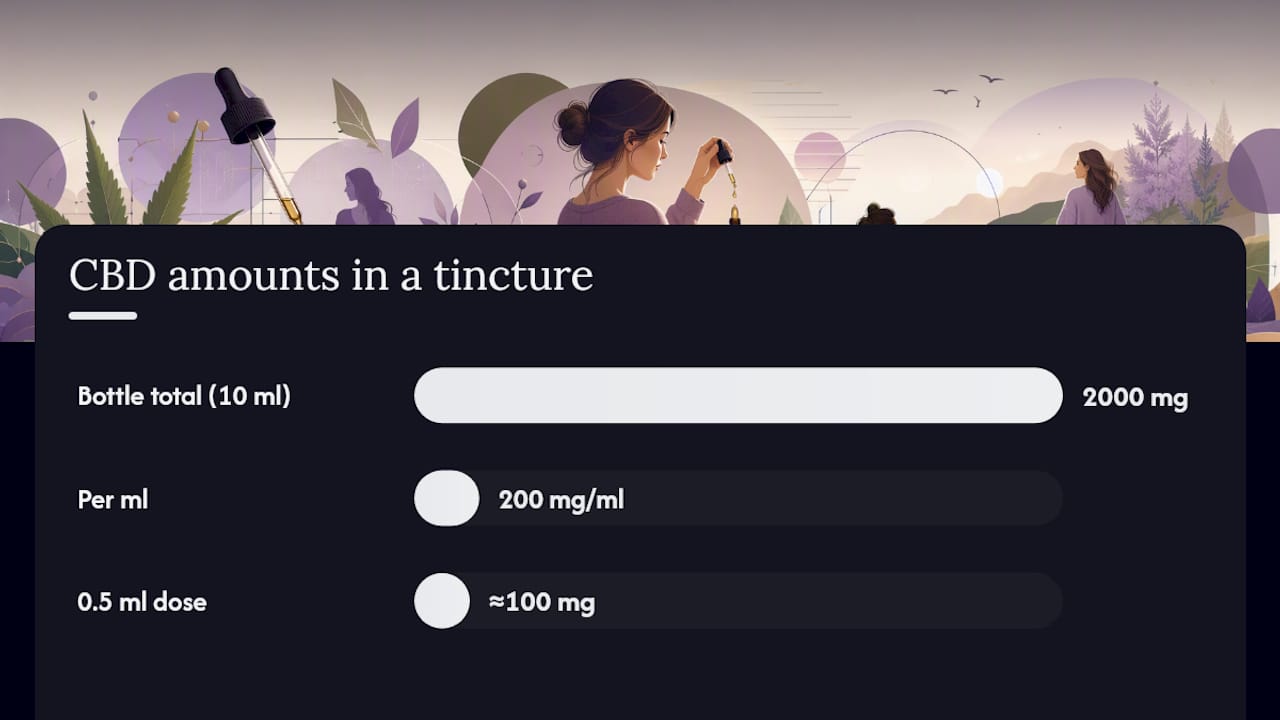
Estimating your per-dose amount is straightforward. A 10ml tincture bottle stating 2000mg total CBD contains roughly 200mg per ml, so a 0.5ml dropper delivers around 100mg, useful context against the trial doses discussed earlier.
Pro Tip: For anything used vaginally, stick to manufacturers who publish batch-specific COAs and follow pharmaceutical-grade hygiene standards. Read the potential health benefits of CBD alongside any product’s own testing documents rather than relying on marketing copy alone.
How to trial CBD responsibly over one cycle
- Track your baseline symptoms (pain, mood, sleep) for one full cycle before starting anything.
- Choose a format and a product with a published COA, matching your primary symptom to the right delivery route.
- Start at symptom onset and use for up to five days, mirroring the pattern used in most trials rather than dosing continuously all month.
- Log any changes and side effects daily, comparing against your baseline.
Scale back or stop if side effects appear, and get medical input first if you’re pregnant, breastfeeding, or already on regular prescription medicine.
Pro Tip: Your diary doesn’t need to be elaborate. A simple 1 to 10 pain scale, a one-word mood note, and a tick if you took any other medication is enough to spot a genuine pattern.
Where the evidence stands, and where it doesn’t
The honest answer is that CBD for PMS sits in a genuinely interesting middle ground: too many consistent small signals to dismiss, too few large placebo-controlled trials to call it settled. What’s notable is how much of the recent research has shifted toward localised delivery rather than oral dosing, which suggests researchers increasingly think proximity to the uterus matters more than blood concentration. Anyone recommending a single “right way” to use CBD for period symptoms right now is overstating what the data supports. We’d rather point you to the trial evidence, encourage a documented one-cycle trial, and be upfront about what still needs proving. Products with published lab testing and clear dosing information deserve a look; anything vague about its own contents doesn’t.
— Mike
Trying CBD? Where to start with SMOKO CBD
If you’re weighing up where to actually begin, consider broad-spectrum, zero-THC CBD products available in tincture, gummy bear, and soft gel capsule formats covering the main formats discussed above. Some trusted products are tested by independent third-party labs, and results may be published so you can check CBD content and confirm THC levels rather than taking a label’s word for it.
For an oral trial following the pattern used in clinical research, the 2000mg broad-spectrum CBD MCT oil tincture gives you enough strength to dose flexibly and adjust as you track your own response. Before you start, read through the potential health benefits of CBD page, check the batch COA against what’s on the bottle, and run anything you’re already taking past a pharmacist. That’s the sensible order to do things in, and it’s the one worth sticking to.
This article is general information, not a substitute for advice from a qualified doctor. Consult a qualified healthcare professional about your own circumstances before acting on anything here.
Sources
- Examination of the Effects of Cannabidiol on menstrual-related symptoms (open-label trial) — PubMed entry
- Efficacy and usability of a cannabidiol-infused tampon for the relief of primary dysmenorrhea
- Why are women using CBD products — and do they work? — Harvard Health Publishing