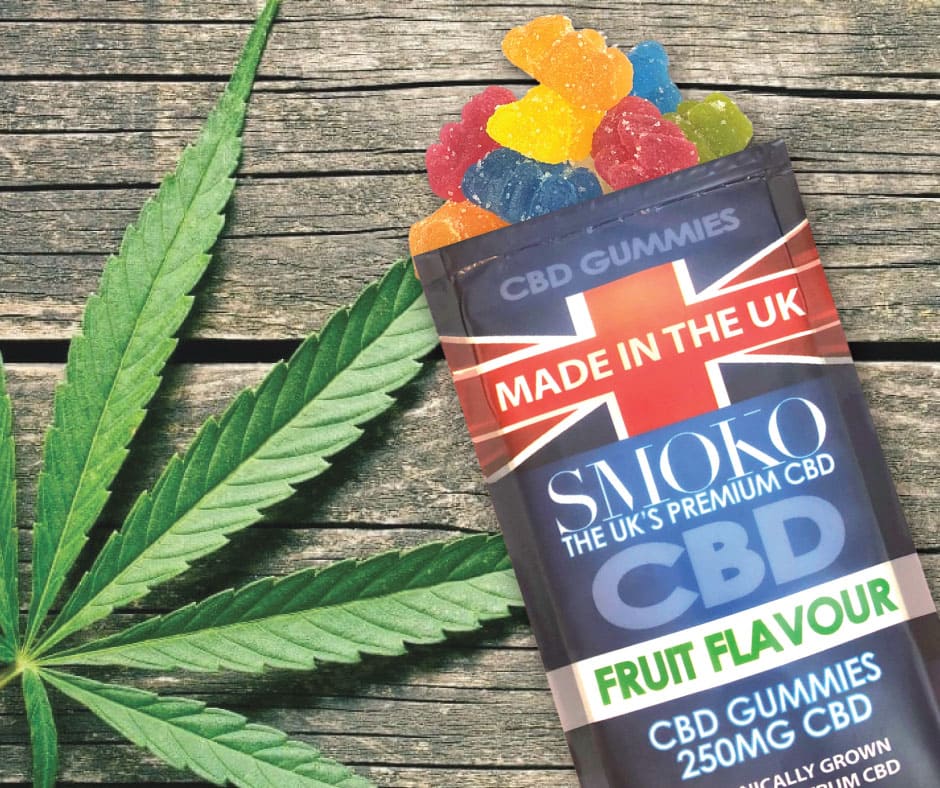
A 2024 randomised, double-blind trial found that nightly use of a 10% intraoral CBD gel for 30 days cut the sleep bruxism index by a significant amount, pain scores substantially, and jaw muscle activity notably. That is genuinely promising, but it comes from one small study, and the UK guidance caps routine CBD intake at a provisional 10 mg a day for a healthy adult. Later in this piece we set out a cautious, mg-based way to trial it.
TL;DR:
- The 2024 trial showed that nightly use of a 10% intraoral CBD gel for 30 days significantly reduced sleep bruxism activity, pain, and muscle tension in 60 participants with muscular bruxism.
- The trial’s small sample size and short duration mean results are promising but not enough to establish CBD as an effective treatment without further research.
- CBD’s potential effects are based on its interaction with the endocannabinoid system, which may help regulate motor activity, stress, and local inflammation in the jaw muscles.
- Using CBD via intraoral gel targets the jaw directly with minimal systemic absorption, while oral tinctures and gummies deliver CBD more slowly through the bloodstream.
- Safety considerations include keeping total daily intake below 10 mg, and consulting healthcare professionals before use, especially for pregnant, medicated, or vulnerable individuals.
Table of Contents
- What the clinical studies say about CBD and bruxism
- Why CBD might reduce jaw muscle activity and pain
- Routes of use: gels, topicals, tinctures, capsules and gummies
- Safety, drug interactions and UK regulator guidance
- Where CBD belongs in a multimodal bruxism management plan
- A conservative 4 to 6 week trial plan and dosing principles
- Author perspective: weighing the evidence honestly
- SMOKO CBD products if you are considering a cautious trial
- FAQ
- Sources
What the clinical studies say about CBD and bruxism
Most of what we know about CBD and teeth grinding comes down to a single, well-designed trial, so it is worth understanding exactly what it measured. The 2024 randomised, double-blind clinical trial recruited 60 participants with bruxism-associated muscular tension and pain, splitting them between a 5% and a 10% intraoral CBD gel applied nightly to the buccal mucosa over the masseter muscle for 30 days.
Those three measures matter because they capture different angles on the same problem: how often and hard people grind, how much it hurts, and how active the muscle actually is during sleep. Seeing improvement across all three gives the result more weight than a single self-reported outcome would.
A 2025 follow-up study using the same 5% and 10% intraoral gels over 30 days reported improvements in sleep quality (measured by the Pittsburgh Sleep Quality Index) and migraine-related disability (measured by MIDAS) compared with placebo, correlating with the reduced masseter activity seen in the earlier trial. That link between jaw muscle tension, sleep quality and headache disability fits with what many people with bruxism already notice: the grinding, the morning jaw ache and the tension headaches tend to travel together.
None of this amounts to proof that CBD treats bruxism, and the limitations are worth naming plainly:
- Small sample size: 60 participants is enough to detect a meaningful signal, but far too few to generalise confidently to everyone with bruxism.
- Short duration: 30 days tells us little about whether benefits persist, plateau or fade with continued use.
- Specific population: participants had bruxism associated with temporomandibular muscular pain, not the broader population of people who simply grind their teeth without pain.
- Limited replication: a systematic review of sleep bruxism management concludes that pharmacological therapies, CBD included, need larger and longer randomised trials before firm recommendations can be made.
So the honest summary is this: the trial data are encouraging and mechanistically coherent, but they describe an early-stage signal rather than an established treatment.
Why CBD might reduce jaw muscle activity and pain
The biological rationale for CBD easing bruxism symptoms rests on the endocannabinoid system (ECS), a network of receptors and signalling molecules that helps regulate pain, mood, stress response and motor control. A translational neurobiological model proposes the ECS as a kind of homeostatic thermostat for the nervous system: it can ramp up or tone down activity in pathways involving dopamine, GABA and serotonin (5-HT1A), all of which influence muscle tone and stress reactivity.
Bruxism, particularly the sleep-related kind, is thought to involve dysregulated motor output during the lighter stages of sleep, often linked with heightened sympathetic arousal. If the ECS genuinely helps regulate that arousal and the motor pathways feeding into jaw clenching, then a compound that interacts with cannabinoid receptors could plausibly dampen the excessive signaling that drives grinding episodes.
The endocannabinoid system functions as a homeostatic neuromodulator, integrating dopaminergic, GABAergic and serotonergic signalling relevant to motor control, stress responsivity and pain processing in bruxism.
There is also a more local, peripheral explanation worth separating from that central one. CBD interacts with TRPV1 receptors and CB2 receptors found in peripheral tissue, and these pathways are associated with reduced local inflammation and altered pain signalling at the site of application. Applied directly to the masseter via an intraoral gel, this could help explain why the trial measured both less muscle activity and less pain, two somewhat independent effects that a purely central mechanism would not fully account for.
It is worth being clear-eyed about what this model is and is not. It is a coherent hypothesis built from existing neuroscience, not a confirmed mechanism demonstrated in bruxism patients specifically. Mechanistic plausibility explains why researchers thought CBD was worth testing for bruxism in the first place, but it does not substitute for the clinical outcomes data, and it certainly does not mean every person who tries CBD will experience the same reduction in grinding or pain that trial participants did.

Routes of use: gels, topicals, tinctures, capsules and gummies
The route you choose changes both how CBD reaches the jaw muscle and how much of it enters your bloodstream, and the trial evidence is specific about which route was tested.
The published trials used an intraoral gel applied directly to the buccal mucosa overlying the masseter muscle, used nightly before sleep for 30 days. This route places CBD close to the muscle itself, which may explain the strong sEMG and bruxism index reductions, while limiting how much reaches general circulation compared with swallowing a product. Hygiene matters here: clean, dry application to the inside of the cheek, consistent timing each night, and avoiding food or drink immediately afterwards all help the gel do its job without being washed away.
Extraoral topical or transdermal products, applied to the skin over the jaw rather than inside the mouth, work on a similar local principle but were not the format used in the key trials. Oral tinctures, soft gel capsules and gummies, by contrast, are swallowed and absorbed systemically, meaning the CBD circulates throughout the body rather than concentrating at the jaw. That makes oral products slower to take effect but potentially more useful for the broader anxiolytic or sleep-supporting effects some people associate with CBD, alongside any local benefit.
- Intraoral gel: closest match to trial evidence, targets the masseter directly, minimal systemic exposure.
- Extraoral topical or transdermal: plausible local effect on jaw muscle, but untested in bruxism-specific trials.
- Oral tinctures, soft gels or gummies: slower onset, systemic distribution, easier to dose precisely in milligrams.
Pro Tip: If your main goal is reducing nocturnal grinding specifically, a localised application mirrors what the trial evidence actually tested; if you are also hoping for broader sleep or stress support, an oral product taken earlier in the evening may suit you better.
Safety, drug interactions and UK regulator guidance
Before trying CBD for bruxism, the dosing ceiling and interaction risks deserve more attention than they usually get in wellness content. The UK Food Standards Agency has set a provisional acceptable daily intake of 10 mg of CBD per day for a healthy 70 kg adult, based on 0.15 mg per kilogram of body weight.
A provisional ADI of 10 mg a day sounds modest next to some commercially marketed doses, and it is: many oral tinctures and capsules on the market contain considerably more than that in a single serving, so checking the milligram content per dose, not just the bottle’s total strength, is essential.
A few groups need particular caution:
- Pregnant or breastfeeding people are advised by the FSA to avoid CBD altogether.
- Anyone on prescription medication should check for interactions, since CBD is metabolised via the liver’s CYP450 enzyme pathway, the same route used by many common drugs including statins and anticoagulants; our guide to CBD and drug interactions covers this in more detail.
- Children, immunosuppressed individuals and anyone with liver disease should seek medical advice before use, per the same FSA guidance.
Commonly reported side effects in trial settings include somnolence (drowsiness), which is unsurprising given CBD’s interaction with pathways involved in sedation and sleep regulation. Less common but worth monitoring are changes in liver function tests, particularly at higher doses or with prolonged use, which is why anyone using CBD regularly for more than a few weeks should consider periodic review with a GP, especially if also taking other medications metabolised by the liver. It is worth understanding how CBD differs pharmacologically from THC, since the two compounds behave quite differently in the body despite coming from the same plant, a distinction explained in more depth here.
Where CBD belongs in a multimodal bruxism management plan
CBD is not a standalone fix, and the clinical literature is consistent on this point. The systematic review of sleep bruxism management frames pharmacological options, CBD among them, as adjuncts to established care rather than replacements for it.

For many adults with bruxism, the first and most important step is ruling out obstructive sleep apnoea (OSA), since grinding is sometimes a downstream symptom of disrupted breathing during sleep rather than an isolated muscular issue. StatPearls’ clinical guidance on bruxism management emphasises this assessment step, alongside standard dental measures such as occlusal splints, which protect teeth from wear even though they do not necessarily reduce how often grinding occurs.
Within that framework, CBD sits as a potential adjunct aimed at the muscular tension and pain component, and possibly at reducing nocturnal motor activity in selected cases, rather than as a first-line treatment for the underlying cause.
- Start with assessment: a dentist or GP can evaluate for OSA, occlusal wear patterns and any underlying TMD.
- Protect the teeth: an occlusal splint remains standard care regardless of what else you try.
- Address behavioural factors: stress management, sleep hygiene and reducing stimulants like caffeine are foundational, evidence-backed measures.
- Consider CBD as an adjunct: aimed at muscle tension and pain rather than as a replacement for dental or sleep assessment.
- Escalate when needed: persistent symptoms, significant tooth wear or suspected OSA warrant referral for a sleep study, botulinum toxin injections, or dental rehabilitation.
Our CBD for TMJ and jaw tension guide covers how this fits specifically with temporomandibular joint symptoms, which often overlap with bruxism in practice.
A conservative 4 to 6 week trial plan and dosing principles
If you and your clinician decide a trial of CBD is reasonable, working in milligrams rather than drops keeps you anchored to the FSA’s guidance and avoids the inconsistency that comes with different products using different concentrations per drop.
- Week 1 to 2: start at a low dose, around 5 mg a day, taken in the evening if using an oral tincture or capsule, or following the product’s intraoral application instructions if using a gel.
- Week 3 to 4: if well tolerated and no improvement is noted, you may increase gradually, keeping total daily intake from all CBD sources within the provisional ADI of 10 mg a day unless a clinician has advised otherwise.
- Week 5 to 6: assess overall response using the markers below, and discuss with your dentist or GP whether to continue, adjust, or stop.
Throughout the trial, keep a simple daily or weekly log of:
- Jaw soreness, rated on a simple 0 to 10 scale each morning.
- Morning stiffness or tightness, noted as present or absent.
- Sleep quality, a rough subjective rating alongside hours slept.
- Any unusual symptoms, particularly fatigue, nausea or abdominal discomfort that might suggest a liver function issue worth reviewing with a GP.
Stop and seek medical advice if you notice persistent drowsiness that affects daily function, digestive upset that does not settle, or any sign of jaundice or unexplained fatigue. Apply products consistently, at the same time each evening, and avoid combining multiple CBD products without totting up their combined milligram content against the daily guidance. Our usage tips checklist is a useful companion for tracking this consistently.
Pro Tip: Keep the trial to one variable at a time: if you change your CBD dose and your sleep routine in the same week, you will not know which one helped.
Author perspective: weighing the evidence honestly
We think the most responsible thing we can do here is resist overselling what a single trial, however well-designed, can tell us. But one randomised trial of 60 people with a specific type of muscular jaw pain is a starting point, not a verdict, and anyone presenting it otherwise is doing readers a disservice.
Our own approach to CBD, across every product line we offer, rests on third-party lab testing confirming zero THC and consistent cannabinoid content, because a cautious trial like the one outlined above only works if you actually know how many milligrams you are taking. We would rather a reader start at a low dose with a product whose strength is verified than guess with something unlabelled. If a trial of CBD for bruxism interests you, we would always suggest raising it with your dentist or GP first, particularly if you take other medication, and reviewing a product’s certificate of analysis before you buy.
— Mike
SMOKO CBD products if you are considering a cautious trial
If you and your clinician decide a measured trial makes sense, the product format you choose should match the dosing precision you need. Our full product collection includes tinctures, soft gels and gummies, each suited to a slightly different approach.
- Tinctures suit readers who want milligram-precise titration, since the dropper allows small, gradual increases within the FSA’s 10 mg a day guidance.
- Soft gels suit a steady, consistent daily dose once you know what level works for you, without needing to measure anything.
- Gummies, such as our 250 mg broad-spectrum gummy pack, suit readers who prefer a fixed, pre-measured amount per piece, though you will need to check the milligram count per gummy against your daily total.
Whichever format you choose, add up your total daily CBD intake across every product you use, not just one, and compare that figure against the 10 mg a day guidance. Products backed by third-party lab testing confirming zero THC help you know exactly what you are measuring against. If you take prescription medication, check with your GP or pharmacist first.
This article is general information, not a substitute for advice from a qualified doctor. Consult a qualified healthcare professional about your own circumstances before acting on anything here.
FAQ
Can CBD help bruxism?
Early clinical evidence suggests it might, at least as a short-term adjunct. A 2024 randomised, double-blind trial found that a 10% intraoral CBD gel used nightly for 30 days reduced the sleep bruxism index by a significant amount, alongside reductions in pain and muscle activity, though this is a single small study rather than established treatment.
What is the most effective treatment for bruxism?
There is no single most effective treatment, and management guidance recommends a multimodal approach rather than one fix. This typically starts with assessing for obstructive sleep apnoea, using an occlusal splint to protect teeth, and addressing behavioural or stress-related factors, with pharmacological options reserved as adjuncts where appropriate.
Is CBD like a muscle relaxer?
Not directly. CBD does not work through the same mechanism as prescription muscle relaxants; instead, trial evidence suggests it may reduce muscle activity and pain in bruxism through its interaction with the endocannabinoid system and peripheral pain pathways, a different route to the same practical goal of less tension.
Can CBD treat TMJ?
CBD is not a treatment for temporomandibular joint disorder itself, but it has been studied as a way to ease the muscular tension and pain that often accompany TMJ-related bruxism. Our guide to CBD for TMJ covers how this fits alongside standard dental and medical care.
How much CBD should I take for teeth grinding?
There is no clinically established bruxism-specific dose, so a conservative starting point is around 5 mg a day, increasing gradually while staying within the UK’s provisional ADI of 10 mg a day for a healthy adult unless a clinician advises otherwise.
Sources
- Cannabidiol intervention for muscular tension, pain, and sleep bruxism intensity—A randomized, double‑blind clinical trial
- Endocannabinoid system modulation in bruxism: a neurobiological hypothesis and translational model of ECS-targeted intervention
- Provisional cannabidiol (CBD) acceptable daily intake (ADI) – lay summary (UK government / FSA)