TL;DR:
- Clary sage baths, when properly diluted with carrier oils or salts, promote relaxation and reduce cortisol levels. Precautions include avoiding use before 37 weeks of pregnancy and patch testing for sensitive skin. Combining clary sage with complementary oils enhances stress relief within a consistent routine maximizes benefits.
Clary sage baths are an aromatherapy technique that combines diluted Salvia sclarea essential oil with warm water to promote deep relaxation, reduce stress, and support holistic wellness. The practice draws on clary sage’s well-documented ability to influence cortisol levels, with one controlled trial showing a 32% reduction in salivary cortisol following clary sage vapour inhalation. Trusted sources including Botanical Origins and Aromatherapy Anywhere consistently highlight safe dilution as the single most important factor in making these baths both effective and skin-safe. Whether you are new to herbal bath recipes or looking to refine an existing routine, this guide covers everything you need.
What ingredients do you need for a clary sage bath?
A successful clary sage bath requires three categories of ingredient: the essential oil itself, a dispersing agent, and optional bath additives for skin and scent. Carrier oils such as sweet almond, jojoba, and grapeseed are the most effective dispersing agents because they moisturise skin while distributing the essential oil evenly through the water. Epsom salts and full-fat milk are popular alternatives for those who prefer a lighter, less oily feel. Getting the ingredient list right before you run the tap saves you from the most common mistake in essential oils bath preparation: adding undiluted oil directly to water.
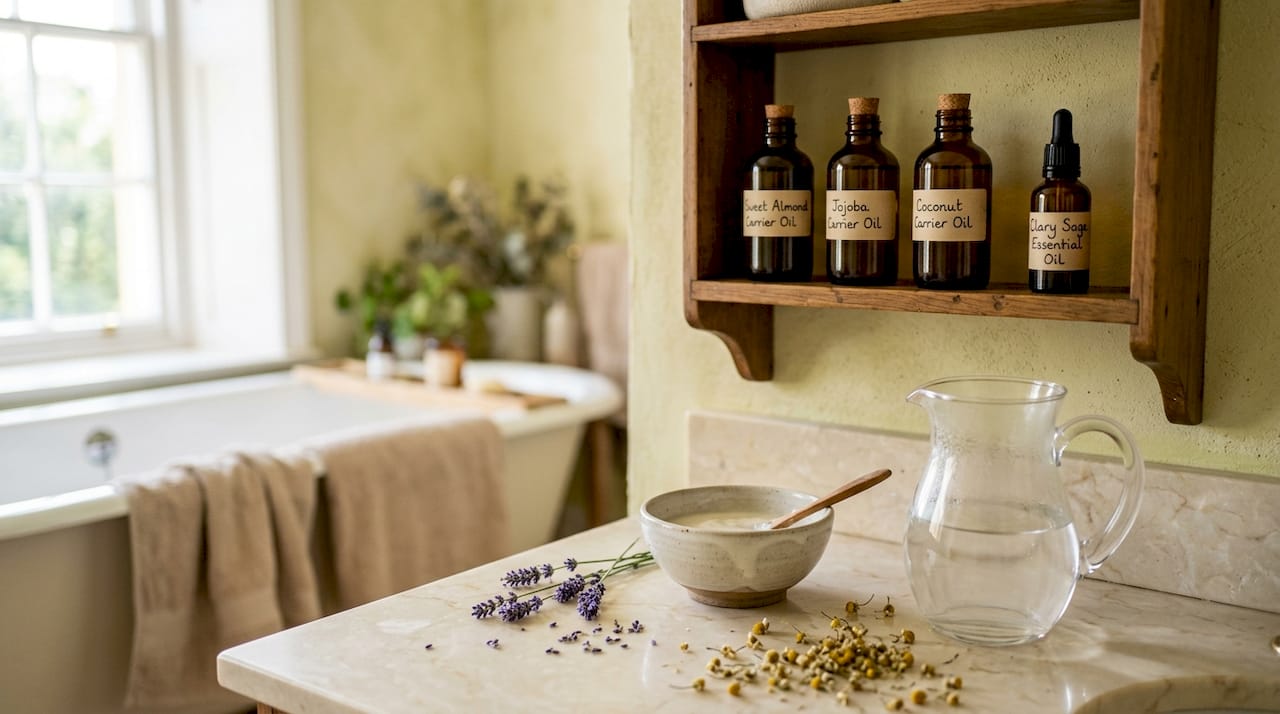
Carrier oil comparison for bath use
| Carrier oil | Texture | Absorbency | Best for |
|---|---|---|---|
| Sweet almond | Light to medium | Medium | Normal to dry skin |
| Jojoba | Very light, waxy | Fast | Oily or sensitive skin |
| Grapeseed | Thin, non-greasy | Fast | Combination or acne-prone skin |
| Coconut (fractionated) | Light liquid | Medium | Dry skin, strong dispersing |
The table above shows that no single carrier oil suits every skin type. Jojoba is technically a liquid wax, which means it disperses clary sage oil particularly well without leaving a heavy residue in the bath.
Beyond the carrier oil, you will need:
- Clary sage essential oil (therapeutic or food grade, from a reputable supplier)
- Bath salts (Epsom or Himalayan) as an alternative or additional dispersant
- Full-fat milk or unscented bath gel for a creamy, emulsified soak
- A small glass bowl or bottle for premixing before adding to the bath
Pro Tip: If you have dry or mature skin, sweet almond oil is the most forgiving carrier for a clary sage bath. For oily or reactive skin, jojoba disperses the oil just as effectively with a far lighter feel.
How do you safely prepare a clary sage bath step by step?
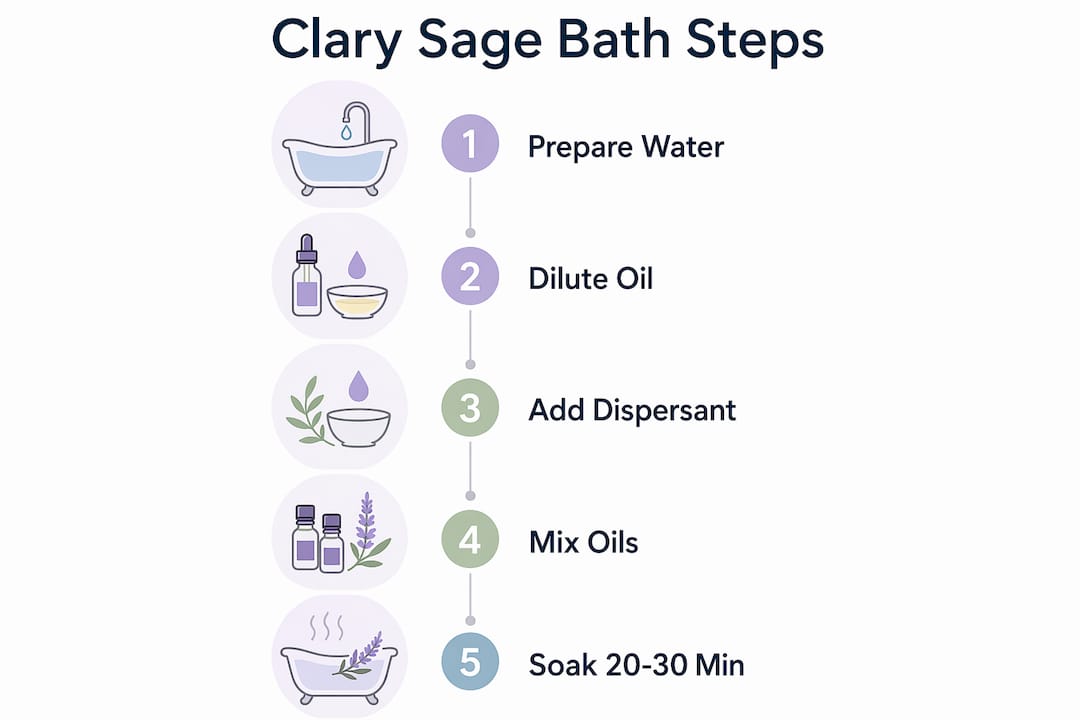
Safe preparation is the foundation of any aromatherapy bath, and the steps below reflect guidance from both Aromatherapy Anywhere and Botanical Origins. The core rule is straightforward: never add undiluted oils directly to bathwater. Essential oils do not dissolve in water. Without a dispersant, they float in concentrated droplets that can cause skin irritation or sensitisation on contact.
Follow these steps for a safe, effective soak:
- Choose your dispersant. Measure one tablespoon of your chosen carrier oil, or three tablespoons of Epsom salts, into a small bowl.
- Add the essential oil. Mix 5 to 10 drops of clary sage oil into the dispersant thoroughly. For sensitive skin, start at five drops.
- Run the bath. Fill the tub with warm (not scalding) water. Aim for a comfortable temperature around 37 to 38 degrees Celsius.
- Add the premix. Pour the dispersant blend into the running water and swirl gently to distribute it evenly.
- Soak for 20 to 30 minutes. This duration aligns with inhalation study protocols that demonstrate measurable relaxation effects.
- Avoid facial submersion. Keep concentrated oil contact away from eyes and mucous membranes throughout the soak.
- Pat dry and rest. Allow at least 15 minutes of quiet rest afterwards to extend the calming effect.
“The key variable for safe essential oil baths is not the scent but the formulation that disperses oils evenly to protect skin from irritation.” — Aromatherapy Anywhere
Pro Tip: Run your clary sage bath in the evening, roughly 60 to 90 minutes before bed. The drop in core body temperature after a warm soak signals the body to prepare for sleep, amplifying the oil’s natural calming properties.
What precautions should you know before using clary sage baths?
Clary sage essential oil carries specific contraindications that set it apart from gentler oils like lavender. Its oestrogen-like activity means it is not appropriate for everyone, and understanding these limits protects you from avoidable adverse effects.
Key precautions to observe:
- Pregnancy. Avoid clary sage baths before 37 weeks of pregnancy. The oil’s hormonal properties can stimulate uterine contractions, and medical consultation is strongly advised before any use during pregnancy.
- Hormone-sensitive conditions. Individuals with oestrogen-dependent conditions (such as certain fibroids or hormone-sensitive cancers) should consult a healthcare provider before use.
- Patch testing. Experts recommend a 24 to 48 hour patch test at 0.5 to 1% dilution before your first full bath, particularly if you have sensitive or reactive skin.
- Scalding water. Hot water above 40 degrees Celsius accelerates oil evaporation, intensifies inhalation, and increases the risk of dizziness. Keep water temperature moderate.
- Undiluted oil. Adding clary sage oil directly to bathwater without a dispersant is the most common mistake. Oils float in concentrated droplets and make direct skin contact at full strength.
- Children and elderly individuals. Lower dilutions (0.5%) are appropriate for these groups. Seek professional guidance before use.
- Alcohol consumption. Clary sage can amplify the sedative effects of alcohol. Avoid combining the two.
“Aromatherapy with clary sage supports stress and mood improvement but should complement, not replace, medical treatments.” — Ubiehealth
Treating these precautions as non-negotiable rather than optional is what separates a genuinely restorative bath from a risky one.
Which essential oils complement clary sage in a bath?
Clary sage has a rich, slightly earthy, herbaceous scent that blends well with floral and citrus oils. Pairing it thoughtfully creates a more personalised calming bath experience and can target specific wellness goals beyond general stress relief.
Popular complementary oils and their benefits:
- Lavender (Lavandula angustifolia). The most widely studied relaxation oil. It softens clary sage’s intensity and adds a familiar, sleep-promoting quality to the blend.
- Chamomile (Anthemis nobilis). Roman chamomile is particularly effective for easing physical tension and skin sensitivity. It pairs gently with clary sage for a soothing herbal bath recipe.
- Bergamot (Citrus bergamia). Adds a bright, uplifting citrus note that counterbalances clary sage’s heavier earthiness. Use bergapten-free bergamot to avoid photosensitivity.
- Ylang ylang (Cananga odorata). A deeply floral oil associated with mood uplift. Use sparingly (one to two drops maximum) as its scent is potent.
Complementary oil blending guide
| Essential oil | Aromatherapy benefit | Drops to add with clary sage |
|---|---|---|
| Lavender | Relaxation, sleep support | 3 to 5 drops |
| Roman chamomile | Tension relief, skin soothing | 2 to 3 drops |
| Bergamot (bergapten-free) | Mood uplift, stress relief | 2 to 3 drops |
| Ylang ylang | Emotional balance | 1 to 2 drops |
Keep the total drop count across all oils within the 5 to 10 drop guideline per bath. Adding more does not increase the benefit and raises the risk of sensitisation. You can read more about safe bath preparation techniques for essential oil and carrier oil combinations.
Pro Tip: For a classic relaxing blend, combine 4 drops of clary sage, 3 drops of lavender, and 2 drops of Roman chamomile in one tablespoon of sweet almond oil. This trio covers stress, tension, and sleep in a single soak.
How do you maximise relaxation benefits through routine and environment?
A single clary sage bath can feel pleasant, but consistent multi-week routines are what condition the nervous system for sustained stress relief. Treating the bath as a ritual rather than a one-off event is the difference between temporary relief and cumulative benefit.
Practical steps to build an effective routine:
- Frequency. Two to three baths per week is a reasonable starting point. Daily baths are fine for most people but monitor your skin for any dryness or sensitivity.
- Timing. Evening baths, taken 60 to 90 minutes before sleep, align the body’s natural temperature drop with the oil’s calming properties.
- Ambience. Dim lighting, a consistent playlist of low-tempo music, and a phone-free environment all reduce cortisol independently of the oil. Combining these with clary sage creates a compounding effect.
- Soak duration. Aim for 20 to 30 minutes per session. Research protocols examining aromatherapy effects use 20 to 60 minute exposure windows, and shorter soaks may not deliver the full benefit.
- Track your response. Keep a brief note of your mood and sleep quality after each bath for four to six weeks. This helps you identify which blends and timings work best for your body.
- Hydrate afterwards. Warm baths cause mild fluid loss through perspiration. Drinking a glass of water post-soak supports recovery and prevents the light-headedness some people experience.
The goal is to make the bath a reliable signal to your nervous system that rest is coming. Consistency builds that association far more effectively than intensity.
Key takeaways
Clary sage baths deliver their best results when the oil is properly diluted, the routine is consistent, and safety precautions are treated as fixed rules rather than suggestions.
| Point | Details |
|---|---|
| Always dilute before adding to water | Mix 5 to 10 drops in a carrier oil or Epsom salts before adding to the bath. |
| Cortisol reduction is measurable | A controlled trial found a 32% cortisol reduction from clary sage aromatherapy. |
| Precautions are non-negotiable | Avoid use before 37 weeks of pregnancy and patch test before the first session. |
| Complementary oils enhance results | Lavender, chamomile, and bergamot pair well with clary sage for targeted benefits. |
| Consistency matters more than intensity | Multi-week routines condition the nervous system for lasting stress relief. |
Why I think most people underestimate the formulation step
Most articles on the magic of clary sage focus heavily on the oil’s properties and almost nothing on the dispersant. In my experience, that is where the majority of disappointing or irritating bath experiences come from. People add a few drops to hot water, notice a faint scent and some skin redness, and conclude the oil “didn’t work.” The oil worked fine. The formulation failed.
Premixing clary sage with a carrier oil before the bath runs is a small step that makes a significant difference to both safety and scent throw. I have also found that starting at five drops rather than ten gives you a much cleaner read on how your body responds, particularly if you are new to natural stress remedies. You can always increase the dose in a subsequent session. You cannot undo a sensitisation reaction.
The other thing worth saying honestly is that clary sage baths are a support tool, not a cure. They work best as part of a broader wellness routine that includes sleep hygiene, movement, and where appropriate, other natural therapies. Expecting a single bath to resolve chronic stress is setting yourself up for disappointment. Expecting a consistent, well-prepared ritual to take the edge off and improve sleep quality over several weeks is entirely realistic.
— Mike
Pair your clary sage ritual with Smokocbd for deeper calm

If you are building a natural wellness routine around relaxation and stress relief, clary sage baths are an excellent foundation. Smokocbd’s broad-spectrum CBD tincture is a natural complement to that routine. Taken orally before or after your bath, a 1000mg mint-flavour CBD oil from Smokocbd supports the same nervous system pathways you are targeting with aromatherapy. All Smokocbd products are third-party lab tested, contain zero THC, and are made with organically grown hemp. For those who prefer a different format, the CBD soft gels and gummies bundle offers a convenient, pre-dosed option that fits neatly into an evening wind-down routine alongside your bath.
FAQ
How many drops of clary sage oil should I use in a bath?
Use 5 to 10 drops of clary sage essential oil per bath, always premixed into a tablespoon of carrier oil or three tablespoons of Epsom salts before adding to the water. Start at five drops if you have sensitive skin.
Is clary sage safe to use in a bath during pregnancy?
Clary sage should be avoided before 37 weeks of pregnancy due to its oestrogen-like properties and potential to stimulate uterine contractions. Always consult a healthcare professional before use during pregnancy.
What is the best carrier oil for a clary sage bath?
Jojoba and sweet almond oil are both excellent choices. Jojoba suits oily or sensitive skin due to its fast absorption, while sweet almond oil is better for dry skin and provides a slightly richer feel in the water.
How long should I soak in a clary sage bath?
A soak of 20 to 30 minutes is recommended. This duration aligns with aromatherapy research protocols that demonstrate measurable relaxation and cortisol-reducing effects from essential oil inhalation.
Can I mix clary sage with other essential oils in the bath?
Yes. Lavender, Roman chamomile, and bergapten-free bergamot all blend well with clary sage. Keep the total drop count across all oils within the 5 to 10 drop guideline per bath to avoid skin sensitisation.