TL;DR:
- Choosing high-quality CBD involves checking legality, spectrum, extraction, COA, and dosage clarity.
- CBD products vary in onset time and suitability, including oils, gummies, capsules, and bath bombs.
- CBD safety tips include verifying lab reports, FSA approval, and consulting a doctor if on medication.
Stress and anxiety affect millions of adults across the UK, and many are turning to CBD as a natural option for daily relief. The market, however, is crowded and confusing. Hundreds of brands make bold claims, product formats vary enormously, and UK regulations restrict what can actually be stated on a label, leaving shoppers unsure of what to trust. This guide cuts through the noise. Whether you’re curious about CBD oils, gummies, or capsules, you’ll find clear, evidence-based guidance here to help you make an informed choice that suits your lifestyle and wellbeing goals.
Table of Contents
- How to choose CBD for stress: Criteria that matter
- The top CBD products for stress relief in the UK
- CBD versus other natural stress remedies
- Risks, regulations and who should avoid CBD
- What most guides miss about CBD for stress
- Explore trusted CBD options for your stress relief journey
- Frequently asked questions
Key Takeaways
| Point | Details |
|---|---|
| CBD selection matters | Look for lab-tested, FSA-authorised CBD products below 0.2% THC for legal stress relief in the UK. |
| Match format to need | Oils act faster, gummies are discreet, and capsules offer precise dosage for stress management. |
| Know the limits | Healthy adults should stay within 10–70mg CBD daily and avoid untested or unregulated products. |
| CBD is not a cure | CBD may ease symptoms but is not approved as a stress or anxiety treatment by the NHS. |
| Not for everyone | Pregnant/breastfeeding people, children, and those on medication should avoid CBD for stress. |
How to choose CBD for stress: Criteria that matter
Navigating the world of CBD is genuinely tricky. There are hundreds of products on the UK market, and not all of them meet the standards you should expect. Knowing what to look for makes all the difference between wasting money and finding something that actually supports your daily calm.
First, legality matters. UK CBD products are legal as food supplements, provided they contain less than 0.2% THC and hold FSA novel food authorisation. The FSA recommends a maximum of 70mg per day for healthy adults, though its general guidance for food supplements sits at 10mg per day. Understanding these limits helps you avoid overdoing it and ensures you stay on the right side of UK law.
Here are the key criteria to assess before buying:
- Product type: Oils and tinctures are fast-acting and easy to dose. Gummies are discreet and pre-measured. Capsules offer precise, consistent servings.
- Spectrum: Broad-spectrum CBD contains multiple cannabinoids without THC. Full-spectrum includes trace THC, which may enhance effects through what is known as the entourage effect. Isolate is pure CBD alone.
- Extraction method: CO2 extraction is the gold standard for purity and consistency.
- Certificate of Analysis (COA): This third-party lab report confirms exactly what is (and is not) in the product. Never buy without one.
- Dosage clarity: Labels should state the exact CBD content in milligrams per serving, not just per bottle.
- Ingredient transparency: Avoid products with vague or excessive additives.
The NHS perspective is that more research is needed, but for general wellness use, choosing a quality-tested product within the recommended limits is a sensible starting point. Understanding CBD dosage basics before you begin will help you build a consistent routine.
Pro Tip: Commit to a single product for at least two weeks before judging its effects. CBD interacts with your endocannabinoid system gradually, and switching too soon means you never get a true read on what works for your body.
The top CBD products for stress relief in the UK
Armed with effective selection criteria, here are the most popular and practical CBD formats available for stress management in the UK today.
CBD oils and tinctures remain the most widely used format. You place drops under the tongue (known as sublingual use), where CBD is absorbed directly into the bloodstream, bypassing the digestive system. Onset is typically 20 to 40 minutes, and dosing is easy to adjust drop by drop.
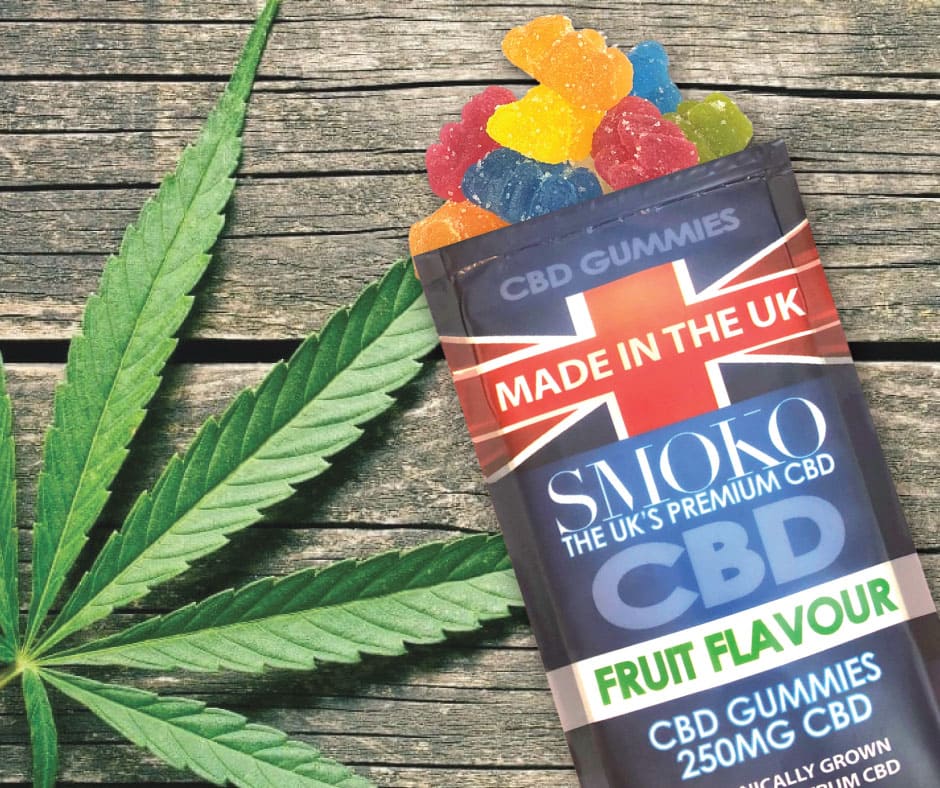
CBD gummies are a firm favourite for those who want a straightforward, pre-dosed option. They taste good, travel well, and require zero measuring. The trade-off is a longer onset time, usually 45 to 90 minutes, because they pass through the digestive system first.
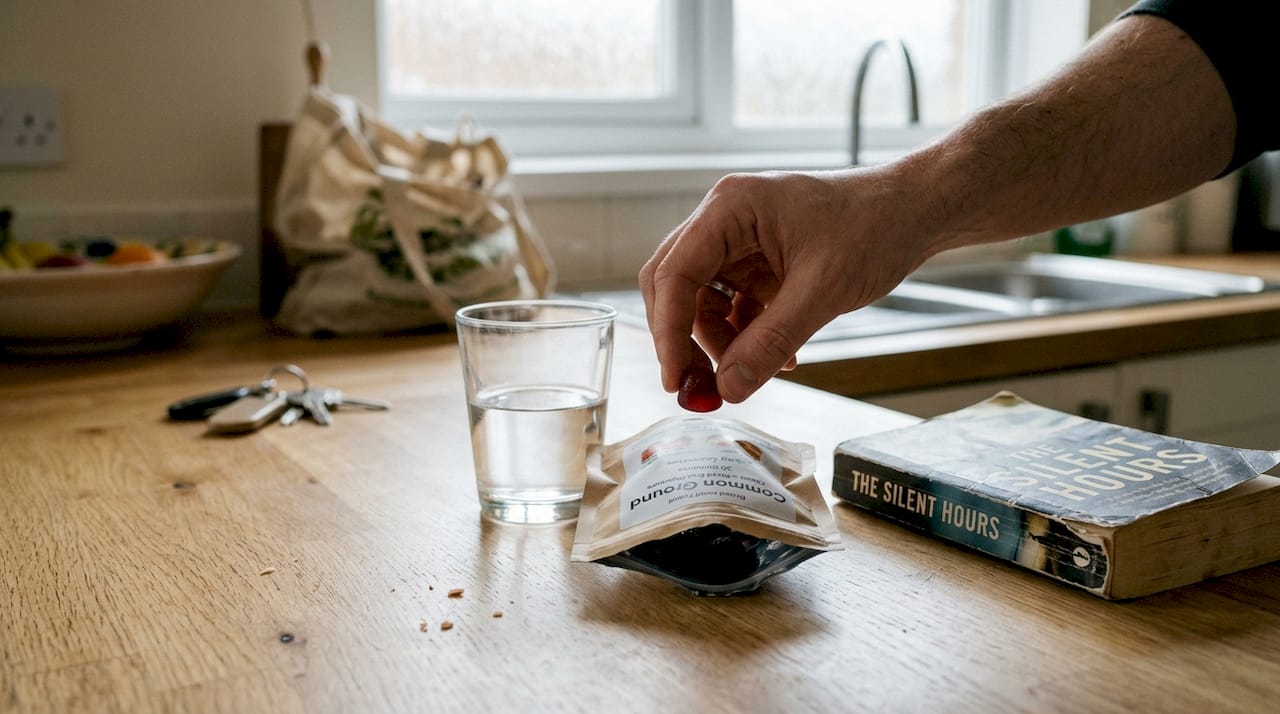
CBD soft gel capsules suit anyone who prefers a routine more akin to taking a standard supplement. Each capsule contains a fixed dose, making them ideal if you want complete consistency every day.
CBD bath bombs offer a more sensory, topical experience. While the evidence for stress relief through skin absorption is less robust, many people find the ritual of a CBD-infused bath genuinely calming.
As different product formats have distinct onset times and suitability profiles, choosing the right one really does depend on your lifestyle and preferences.
| Product type | Onset time | Key benefit | Best for |
|---|---|---|---|
| CBD oil/tincture | 20–40 minutes | Fast, flexible dosing | Active stress management |
| CBD gummies | 45–90 minutes | Pre-dosed, discreet | Daily routine support |
| CBD capsules | 45–90 minutes | Precise, consistent | Long-term supplement use |
| CBD bath bombs | Variable | Sensory relaxation | Wind-down rituals |
For a broader overview of what’s available, the natural CBD solutions guide and a curated CBD supplements list are excellent starting points for researching your options further.
CBD versus other natural stress remedies
With an understanding of leading CBD products, it’s important to see how they compare to non-CBD options. CBD is not a silver bullet, and it works best as part of a broader approach to wellbeing.
Other well-established natural stress remedies include:
- Herbal teas such as chamomile and valerian root, which have a long history of traditional use for relaxation.
- Magnesium supplementation, which supports nervous system function and may reduce tension.
- Breathing techniques such as box breathing or 4-7-8 breathing, which activate the parasympathetic nervous system almost immediately.
- Regular exercise, which remains one of the most consistently evidenced tools for managing stress and anxiety long-term.
What makes CBD different is its interaction with the endocannabinoid system, the body’s own regulatory network for mood, sleep, and stress response. CBD may help tone down overactive stress signals, though the science is still developing. Current NHS evidence describes the research as promising but limited, with small studies and insufficient data for the NHS to endorse over-the-counter CBD specifically for anxiety.
| Remedy | Onset | Evidence base | Key consideration |
|---|---|---|---|
| CBD oil | 20–40 min | Emerging | Requires lab-tested product |
| Chamomile tea | 20–30 min | Traditional use | Very low risk |
| Magnesium | Days to weeks | Moderate | Check with GP if on medication |
| Exercise | Immediate to days | Strong | Requires sustained habit |
| Breathing techniques | Immediate | Strong | Free, always available |
Exploring other stress remedies alongside CBD is a sensible approach. And if you’re curious about the difference between cannabinoids, the CBD vs THC guide explains the key distinctions clearly.
Risks, regulations and who should avoid CBD
Before making a final decision, it’s essential to understand the safety landscape around CBD in the UK. Getting this right protects both your health and your peace of mind.
CBD is legal in the UK as a food supplement, not a medicine. This means brands cannot legally claim it treats or cures any condition. FSA guidance is clear that pregnant or breastfeeding individuals, children, and anyone taking prescribed medications should avoid CBD due to potential interactions and insufficient safety data for those groups.
MHRA advice also highlights that products making medicinal claims without authorisation are operating outside the law, a useful red flag when assessing brands.
Here are the key safety checks to carry out before trying CBD:
- Verify the COA: Check the third-party lab report confirms CBD content and shows THC below 0.2%.
- Check FSA novel food status: Confirm the product is on the FSA’s public list of authorised CBD products.
- Review the ingredients list: Avoid products with undisclosed additives or ambiguous labelling.
- Speak to your GP: Especially important if you take blood thinners, antidepressants, or other regular medications.
- Start low: Begin with a low dose (around 10mg per day) and increase gradually if needed, staying within the 70mg daily limit.
‘Individual variability in response is high; CBD is not a replacement for prescribed treatments.’
The NHS also notes risks associated with unregulated products, including THC contamination and inconsistent CBD levels. Sticking with brands that offer clear CBD safety and health tips and transparent safety regulations goes a long way.
Pro Tip: Screenshot or save the COA from any brand you buy from. If a company can’t provide one on request, walk away.
What most guides miss about CBD for stress
Most articles on this topic tell you what CBD is and list some products. What they rarely say is this: CBD is one of the most individual supplements you can try. Two people with similar stress levels can have entirely different responses to the same product at the same dose. One person feels noticeably calmer within a week. Another feels nothing for a month, then suddenly notices they’re sleeping better.
This variability isn’t a flaw in the product; it reflects real differences in how our endocannabinoid systems function. Genetics, diet, sleep quality, and existing stress load all influence how CBD lands. Many guides overpromise because nuance doesn’t sell. The truth is that responsible use, realistic expectations, and genuine consistency give you the best chance of finding value in CBD.
If you want a clearer picture of what to realistically expect, the CBD for anxiety guide is worth reading before you commit to a product. Results vary. But for many people, when the right product meets the right routine, the difference is real.
Explore trusted CBD options for your stress relief journey
Ready to take the next step? SMOKO CBD offers a carefully curated range of broad-spectrum products that meet UK quality standards, with full third-party lab testing and zero THC confirmed on every batch. Whether you’re new to CBD or looking to switch to a more reliable brand, there’s a straightforward option for you.
The 1000MG Mint CBD Tincture is a great starting point for fast, flexible dosing, while the CBD Gummy Bears offer a delicious pre-dosed option for daily routine support. Browse the full SMOKO CBD range to find the product that fits your lifestyle and start your wellness journey with confidence.
Frequently asked questions
Is CBD safe for daily use for stress?
Current UK guidance suggests that 10mg per day is the recommended intake for food supplements, though healthy adults may use up to 70mg; always choose a lab-tested, FSA-authorised product.
What is the best CBD format for fast stress relief?
CBD tinctures and oils taken sublingually act the fastest, typically within 20 to 40 minutes, while gummies and capsules take longer due to digestion.
Can CBD cure anxiety or stress?
No. While CBD may help manage symptoms for some people, the NHS notes there is insufficient long-term evidence to endorse over-the-counter CBD as a cure for anxiety or stress.
Who should not take CBD for stress relief?
CBD should be avoided by pregnant or breastfeeding individuals, children, and anyone on prescribed medication, as FSA guidance highlights the risk of interactions and insufficient safety data for these groups.