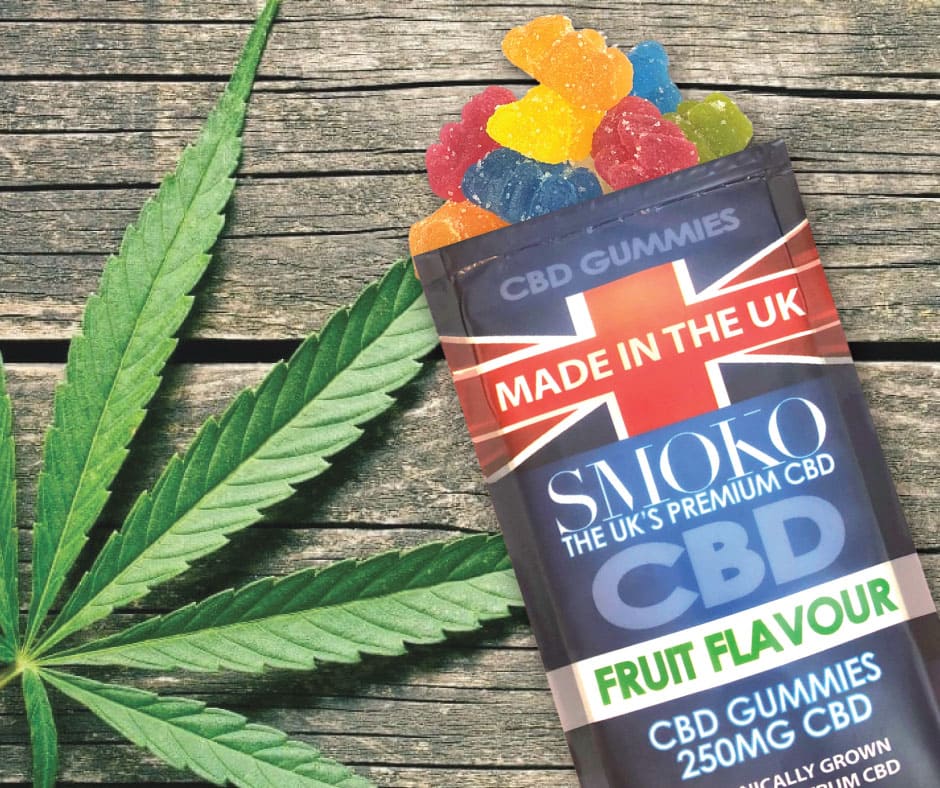
CBG and CBD are both non-intoxicating cannabinoids, but they sit at very different points on the evidence scale. CBD has the stronger clinical record, backed by a licensed medicine for severe epilepsy and a reasonable body of research on anxiety and sleep. CBG, by contrast, has one well-designed human trial suggesting it may ease acute anxiety at a dose of 20 mg, though the research is early. The FSA’s provisional guidance caps healthy adult CBD intake at 10 mg a day, a figure worth keeping in mind as you read on.
TL;DR:
- Most current research supports using CBD as a licensed medicine for epilepsy and significantly more studies show its benefits for anxiety and sleep.
- CBG has promising early evidence, including one human trial indicating it reduces anxiety without impairing cognition, but more research and larger trials are needed.
- Safety guidelines recommend limiting CBD intake to 10 mg daily, and product labels should be checked to avoid exceeding this dose.
- Combining CBD and CBG carries potential interactions with prescription medications due to effects on liver enzymes, so consulting a healthcare provider is advised.
- CBG products are generally more expensive and less standardized than CBD ones, and are mainly available in oils and tinctures with limited retail options.
Table of Contents
- What CBD and CBG actually are
- Practical differences that matter when choosing between them
- What the human research actually shows
- Safety, dosing and the rules you need to know
- Combining CBG and CBD and what it means for other medicines
- Choosing a lab-tested product you can trust
- How the chemistry and extraction of CBG and CBD differ
- Which plants are richest in CBG compared with CBD
- Where CBG and CBD’s benefits genuinely diverge
- Onset time and how long each one lasts
- How legal status differs from one country to another
- The forms each cannabinoid comes in
- Weighing curiosity about CBG against the caution CBD has already earned
- Where SMOKO CBD fits if you want to try either
- Sources
- FAQ
What CBD and CBG actually are
CBD (cannabidiol) is the major cannabinoid in hemp, present in high concentrations in most extracts. CBG (cannabigerol) is a minor cannabinoid, often called the “mother cannabinoid” because its acidic form, CBGA, is the biochemical precursor that plant enzymes convert into THCA, CBDA and other cannabinoids as the plant matures. By the time most hemp is harvested, only a small fraction of CBGA remains unconverted, which is why CBG typically appears in trace amounts compared with CBD.
Neither compound is intoxicating in the way THC is. THC binds tightly to CB1 receptors in the brain and produces a high; CBD and CBG interact with the endocannabinoid system far more indirectly. CBD has low affinity for CB1 and CB2 receptors but influences the system by other routes, including interaction with 5-HT1A serotonin receptors (thought to relate to its calming effects) and some engagement with GABA signalling, the same pathway targeted by anti-anxiety medicines. CBG appears to interact more directly with CB1 and CB2 receptors, though at lower potency than THC, and also acts on receptors involved in pain and inflammation regulation.
Both are sold as oils, capsules, gummies, vapes and topicals, though CBG remains far less common on UK shelves than CBD.
Practical differences that matter when choosing between them
The way each cannabinoid engages the body maps roughly onto the effects people report. CBD’s action on serotonin and GABA pathways aligns with its reputation for easing anxiety and supporting sleep, while its interaction with immune signalling underlies interest in it for inflammation. CBG’s more direct receptor engagement has generated interest in appetite, gut comfort and pain, alongside the newer anxiety data.
- CBD has a considerably larger evidence base, with a licensed epilepsy medicine and multiple human trials on anxiety, sleep and pain.
- CBG is earlier stage, with promising but limited human data and primarily preclinical research.
- CBG costs more to produce, since it occurs in smaller quantities and requires early harvesting or more intensive extraction.
- Sourcing is less standardised for CBG, making batch testing particularly important.
For most people starting out, this difference in research maturity is the single biggest factor to weigh before assuming CBG will do more than CBD.
What the human research actually shows
CBD’s clinical high point is Epidyolex (called Epidiolex in some markets), a licensed pharmaceutical form of purified CBD. NHS England guidance confirms it has randomised controlled trial evidence supporting its use for certain severe epilepsy syndromes, and that licensed cannabis-based medicinal products should only be supplied under clinician direction. Beyond epilepsy, the picture for CBD is more mixed: a number of smaller human studies point to reductions in anxiety symptoms and improvements in sleep quality, and some trials suggest a role in pain management, but many of these studies involve modest sample sizes, varying doses and inconsistent formulations. The overall signal is encouraging rather than definitive, and it is stronger for anxiety-related symptoms than for most other claimed uses.
CBG’s most notable human evidence comes from a double-blind, placebo-controlled crossover trial in which 34 participants received 20 mg of hemp-derived CBG. The study found that this dose reduced subjective anxiety and stress without causing motor or cognitive impairment, a meaningful result given that many anxiety treatments carry sedation as a trade-off. The trial’s crossover design, where each participant acted as their own control, adds confidence to the finding, but 34 people is still a small group, and the result needs replication before it can be treated as settled. Preclinical work (lab and animal studies) suggests CBG may have anti-inflammatory, antibacterial and gut-related effects, but this has not yet been confirmed in people.
Read together, CBD has moved further along the path from promising signal to established use, while CBG’s anxiety data are a genuine step forward that still needs more people, more doses and more replication behind it.
Safety, dosing and the rules you need to know
The FSA advises a provisional acceptable daily intake of 10 mg of CBD per day for healthy adults, alongside guidance to limit Δ9-THC contamination to no more than 70 micrograms per day. That ADI is far lower than the doses used in many commercial products, so it is worth checking labels rather than assuming more is better. The FSA’s own safety assessment work treats CBD as a novel food and flags that pregnant or breastfeeding women, children and anyone on medication should avoid CBD unless a doctor advises otherwise.
Common CBD side effects include tiredness, changes in appetite and mild digestive upset. CBG’s side-effect profile in the human trial was notably clean, with no reported impairment, though the evidence base is too small to draw firm conclusions about rarer effects. The 20 mg dose used in the CBG anxiety trial sits well below typical commercial CBD doses, and neither figure should be treated as interchangeable, since the compounds are not dosed on a like-for-like basis. If you are using products from more than one source, add up your total daily CBD intake to check it against the 10 mg guidance, and speak to a GP or pharmacist before starting if you take other medicines or fall into a vulnerable group.
Combining CBG and CBD and what it means for other medicines
Some product makers combine CBG and CBD on the theory that cannabinoids work better together, sometimes called an entourage effect. The human evidence for this specific claim is limited, and most of what is known about combined effects comes from broader cannabis research rather than controlled CBG-CBD trials, so treat combination claims as plausible rather than proven.
What is better established is that CBD affects liver enzymes in the CYP450 family, the same pathway that metabolises a large share of prescription medicines, including some blood thinners, antidepressants and epilepsy drugs. Clinical guidance from Great Ormond Street Hospital warns that cannabinoids can alter how the body processes other medicines, which is reason enough to check with a clinician before combining CBD or CBG with anything you are already prescribed.
If you want to try either cannabinoid cautiously:
- Start with a single product rather than layering CBD and CBG at once.
- Begin at the lowest labelled dose and hold there for at least a week.
- Keep a simple symptom diary noting dose, time and any effects.
- Check in with a pharmacist or GP, especially if you take regular medication.
- Adjust only one variable at a time, whether that is dose, product or timing.
Pro Tip: If you are testing a new cannabinoid product, avoid starting or stopping other supplements in the same week, so you can tell what is actually causing any change.
Choosing a lab-tested product you can trust
A certificate of analysis (COA) is the clearest way to check what is actually in a bottle. A proper COA shows the full cannabinoid profile (confirming how much CBD or CBG is present), the Δ9-THC level against the FSA’s contamination guidance, and results for solvents, pesticides and microbial contamination.
- Check the cannabinoid profile matches what the label claims, in milligrams rather than vague percentages.
- Look for a batch-specific COA, not a generic one, since cannabinoid content can shift between production runs.
- Confirm THC is at or near the detection limit, supporting a genuine zero-THC claim rather than just a broad-spectrum label.
- Read the full ingredient list for allergens and carrier oils, and check servings per container against the total mg claimed.
Batch-specific lab reports are often available for broad-spectrum tinctures, gummy bears and soft gels, testing for zero THC as part of standard quality control. For a closer look at how CBG evidence stacks up in practice, see our deeper dive on CBG and pain relief, and for guidance on staying within the FSA’s daily limit, our UK safety guide walks through counting total intake across products.
How the chemistry and extraction of CBG and CBD differ
CBD and CBG share the same basic cannabinoid skeleton but differ in the position and arrangement of their side chains, which is enough to change how each binds to receptors and how the body processes them. Both begin life in the plant as acidic precursors (CBDA and CBGA) that convert to their active forms through decarboxylation, typically triggered by heat during processing.
Extraction is where the practical differences show up. CBD is extracted from mature hemp plants using methods such as CO2 extraction or ethanol extraction, both well established at commercial scale because CBD is present in relatively large quantities. CBG extraction is more demanding. Because CBGA converts into other cannabinoids as the plant matures, producers wanting a high CBG yield often harvest hemp earlier than usual, when CBGA levels peak before conversion takes hold. Alternatively, some extractors use selectively bred, high-CBG hemp cultivars, or isolate CBG through more intensive chromatographic separation of a standard extract. Both routes add cost and complexity, which is reflected in CBG products typically carrying a higher price than equivalent CBD ones.
Which plants are richest in CBG compared with CBD
Standard hemp cultivars grown for CBD production are bred to maximise CBDA conversion, so mature plants can contain meaningful percentages of CBD by dry weight, with CBG usually left as a minor residual compound, often well under 1%.
CBG-rich hemp comes from a different breeding approach entirely. Certain hemp cultivars have been selectively bred to slow the conversion of CBGA into other cannabinoids, preserving higher CBG levels at harvest, sometimes referred to informally as CBG-dominant strains. These remain far less widely cultivated than standard CBD hemp, partly because yields are lower and partly because demand has only recently grown. Some producers also harvest conventional hemp plants earlier in their growth cycle specifically to catch higher CBGA content before it converts, trading overall yield for a richer CBG profile. This scarcity on the cultivation side is a major reason CBG products remain a smaller, pricier niche of the broader cannabinoid market compared with the well-established CBD supply chain.

Where CBG and CBD’s benefits genuinely diverge
CBD’s strongest and most specific claim to fame remains its role in Epidyolex, licensed for certain severe childhood epilepsy syndromes under clinician supervision, a use case with no CBG equivalent. Beyond that, CBD’s broader reputation for supporting sleep, general relaxation and everyday aches rests on a wider, if still mixed, body of human research.
CBG’s standout finding so far is more specific: the 20 mg dose that reduced subjective anxiety and stress in a controlled trial without the drowsiness or cognitive fog sometimes associated with anti-anxiety approaches. Preclinical research also points to CBG having distinct anti-inflammatory and antibacterial properties, and some interest in appetite and gut comfort that differs from CBD’s typical profile, though none of this has yet been confirmed in people. If there is a unique CBG angle, it may be a calming effect without sedation, a combination that would set it apart from many existing options if larger trials support it.
Onset time and how long each one lasts
How quickly CBD or CBG takes effect depends more on the delivery form than the cannabinoid itself. A vape or sublingual oil held under the tongue tends to act within 15 to 45 minutes, since the compound reaches the bloodstream quickly through the lungs or the tissue under the tongue. Edibles such as gummies or capsules take longer, often an hour or two, because the cannabinoid has to pass through digestion first.

Duration follows a similar pattern. Inhaled or sublingual forms tend to wear off sooner, often within a few hours, while edibles release more gradually and can produce effects that last longer, sometimes stretching towards six hours or more, though this varies by person and formulation. The CBG anxiety trial measured effects within the hours following a single 20 mg dose, broadly consistent with how other sublingual or oral cannabinoid products behave, though direct head-to-head timing comparisons between CBD and CBG in the same people have not been published. In practice, choosing a form based on how quickly you want relief and how long you want it to last matters as much as choosing between the two cannabinoids themselves.
How legal status differs from one country to another
Cannabinoid law varies considerably outside the rules discussed above. In the United States, hemp-derived CBD and CBG are federally permitted under the 2018 Farm Bill provided THC content stays below the federal threshold, though individual states can and do impose their own additional restrictions. In several European Union countries, CBD’s legal status depends on novel food authorisation processes broadly similar in principle to the one CBD is undergoing in the domestic market discussed earlier, though timelines and specific thresholds differ by country. Some countries take a far stricter line, treating any cannabis-derived product, regardless of THC content, as a controlled substance with no retail exemption.
CBG sits in a more ambiguous position globally simply because fewer countries have written specific rules for it, given how recently it has appeared as a standalone consumer product. Where a jurisdiction’s law refers broadly to “cannabis extracts” rather than naming individual cannabinoids, CBG may fall under the same restrictions as CBD or THC by default. Anyone travelling with cannabinoid products, or ordering from an overseas retailer, should check the destination country’s own current rules rather than assuming domestic legality carries across borders.
The forms each cannabinoid comes in
CBD’s maturity in the market shows up in the range of products available. Oils and tinctures, taken sublingually, remain the most common format because they allow reasonably precise, adjustable dosing. Gummies and other edibles offer a fixed dose per piece and mask the earthy taste some people dislike in oils. Soft gel capsules provide another fixed-dose, no-taste option that suits people who prefer swallowing a familiar-looking supplement. Vapes deliver CBD quickly through inhalation, though they suit people already comfortable with vaping rather than newcomers.
CBG is available in a narrower range, largely mirroring CBD’s formats on a smaller scale. CBG oils and tinctures are the most widely available, often sold as CBG isolate or blended with CBD in a combination tincture. CBG-specific vapes and edibles exist but remain less common on general retail shelves than their CBD counterparts, a reflection of the cultivation and extraction challenges covered earlier rather than any lack of consumer interest.
Weighing curiosity about CBG against the caution CBD has already earned
CBG is genuinely interesting. A well-designed trial showing reduced anxiety without sedation is the kind of result that deserves attention, not dismissal. But one trial of 34 people is a beginning, not a verdict, and it would be a mistake to let early enthusiasm outrun what the data can actually support.
CBD earned its stronger reputation the slow way, through years of accumulating trials and a licensed medicine that had to clear a high evidential bar. That is worth respecting rather than treating as old news next to a newer compound. Favour products with genuine batch testing, keep your intake within the guidance given, and treat any dramatic claim, for either cannabinoid, as a reason to check the source rather than a reason to buy.
— Mike
Where SMOKO CBD fits if you want to try either
If the research above has you leaning towards giving CBD a try with more confidence about what you are actually taking, SMOKO CBD’s range gives you a straightforward starting point. Every product is broad-spectrum, made in the UK from organically grown, USA-sourced hemp, and tested by an independent third party to confirm zero THC.
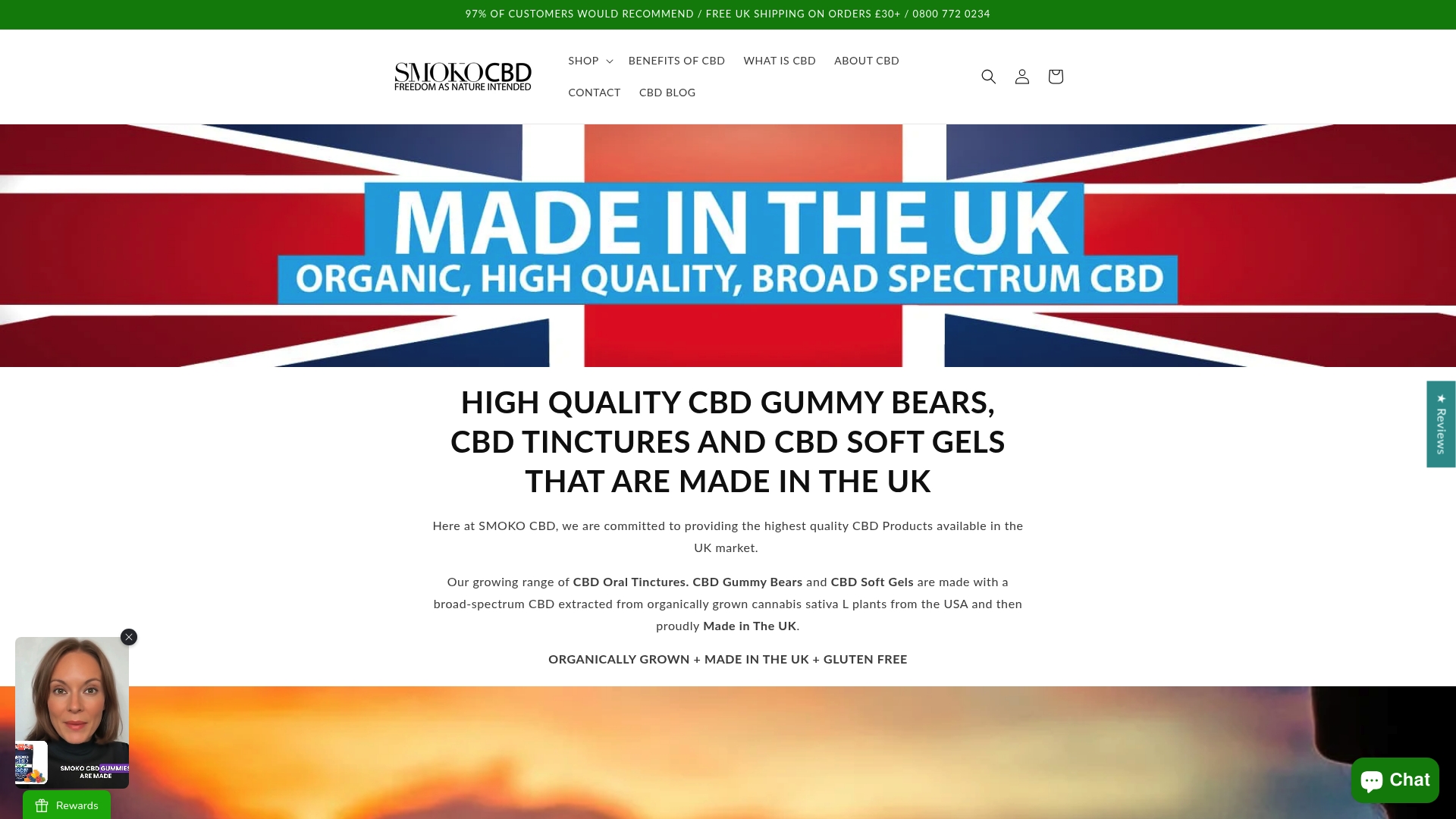
- CBD Tinctures for sublingual dosing you can adjust drop by drop.
- CBD Gummy Bears with a fixed dose per sweet, useful for anyone who dislikes the taste of oil.
- CBD Soft Gels for a no-fuss, swallow-and-go option.
Each product line comes with a published lab report so you can check the cannabinoid profile and confirm THC sits at the detection limit before you buy, exactly the checklist covered earlier in this article. Browse the full CBD product collection to compare formats, or start with the 250mg CBD Gummy Bears if a fixed, clearly labelled dose is what you are after.
This article is general information, not a substitute for advice from a qualified doctor. Consult a qualified healthcare professional about your own circumstances before acting on anything here.
Sources
- Gov
- Acute effects of cannabigerol on anxiety, stress, and mood: a double‑blind, placebo‑controlled, crossover, field trial - PMC
- Cannabis‑based products for medicinal use (CBPMs) - NHS England
- Safety assessment on the safety of cannabidiol (CBD) isolate as a novel food - Food Standards Agency
FAQ
Is CBG or CBD better for anxiety?
Neither is definitively “better”, since they have been tested differently: CBD has a broader base of human studies on anxiety symptoms, while a controlled trial found that a 20 mg dose of CBG reduced subjective anxiety and stress without impairment. The right choice depends on what evidence and side-effect profile matter most to you, and a GP or pharmacist can help you weigh that against any medicines you take.
Is CBG a stimulant or a sedative?
Early human trial data found that a 20 mg dose of CBG reduced anxiety and stress without causing motor or cognitive impairment, suggesting it is not strongly sedating at that dose. It is not classed as a stimulant either, and its broader effects on alertness have not been thoroughly studied in people.
Is CBG legal to buy and use?
CBG derived from hemp with THC below the legal threshold is generally treated the same way as CBD under domestic novel food rules, meaning products should meet labelling and safety requirements set out by the FSA. Legal status varies elsewhere, so always check the rules of the specific country you are in before buying or travelling with CBG products.
What is CBG most commonly used for?
CBG is most often used by people interested in its early evidence for easing anxiety and stress without sedation, based on a controlled human trial using a 20 mg dose. Preclinical research also points to potential anti-inflammatory and gut-related effects, though these have not yet been confirmed in human studies.
Can I take CBD and CBG together safely?
There is limited direct human evidence on combining CBD and CBG specifically, so any benefit from doing so remains more theoretical than proven. Because CBD can affect how the liver metabolises other medicines, check with a pharmacist or GP before combining either cannabinoid with prescription drugs.