Combining CBD and caffeine is generally safe at typical consumer doses, but CBD does not reliably cancel caffeine jitters, and how the two interact depends heavily on how much CBD you take. A 2024 preliminary trial testing 200 mg of caffeine alongside CBD doses of 25 to 240 mg in 54 adults found few changes in self-reported drug effects or anxiety, an encouraging but small signal. Separately, a phase 1 pharmacokinetic trial using high, prescription-level CBD (750 mg twice daily) found it inhibited the CYP1A2 enzyme that clears caffeine, extending caffeine’s half-life from 5.4 to 10.9 hours.
That gap between the two findings is the whole story. The low doses found in most CBD drinks and tinctures are unlikely to meaningfully change how your body processes caffeine. Pharmaceutical-strength doses can. Dose is everything here, and it’s the detail most casual advice skips.
- The 2024 trial (N = 54) found minimal changes in subjective drug effects at consumer-relevant CBD doses.
- The 2021 pharmacokinetic trial found high-dose CBD nearly doubled caffeine’s half-life via CYP1A2 inhibition.
- Product type, formulation, and individual sensitivity all shape how the combination actually feels.
Pro Tip: Start with a low CBD dose, keep a simple log of what you took and how you felt, and check whether any medication you’re on is metabolised by CYP1A2 before mixing CBD with your coffee.
Key Takeaways
Combining CBD and caffeine is generally safe at common consumer doses, but only high pharmaceutical-level CBD doses meaningfully slow caffeine metabolism through CYP1A2 inhibition.
| Point | Details |
|---|---|
| Dose is the deciding factor | Low consumer CBD doses showed minimal effects in trials; 750mg doses nearly doubled caffeine’s half-life. |
| CBD doesn’t reliably stop jitters | Reducing caffeine intake directly is often more effective than adding CBD to counter jitters. |
| THC changes the outcome | Full or broad-spectrum products with THC present behave differently from THC-free formulations in combination. |
| Check medications first | CBD affects CYP enzymes used by some antidepressants, antipsychotics, and anticoagulants. |
| Verify product quality | Choose a broad-spectrum, third-party lab-tested option like the SMOKO CBD Mint 2000mg tincture with a clear COA and confirmed mg per serving. |
Primary sources and further reading
Table of Contents
- What human studies actually show about CBD and caffeine
- How CBD and caffeine interact inside the body
- What people actually notice when they mix CBD and coffee
- Who should be cautious about combining CBD and caffeine
- How to try CBD with caffeine safely for the first time
- Choosing a CBD product to pair with your coffee
- A lab-tested tincture worth trying alongside your coffee
- Frequently asked questions
- Sources
What human studies actually show about CBD and caffeine
Only a handful of controlled trials have looked directly at CBD and caffeine together, and the picture they paint is more nuanced than most marketing copy suggests.
The most relevant consumer-facing study is the 2024 preliminary trial, which gave 54 healthy adults 200 mg of caffeine alongside CBD doses ranging from 25 mg up to 240 mg. Researchers tracked self-reported drug effects and anxiety levels and found little change across that dose range, a reassuring result for anyone worried about combining the two at everyday levels. The authors were careful to frame this as preliminary. A small sample and short observation window mean it establishes a plausible safety pattern rather than a settled conclusion.
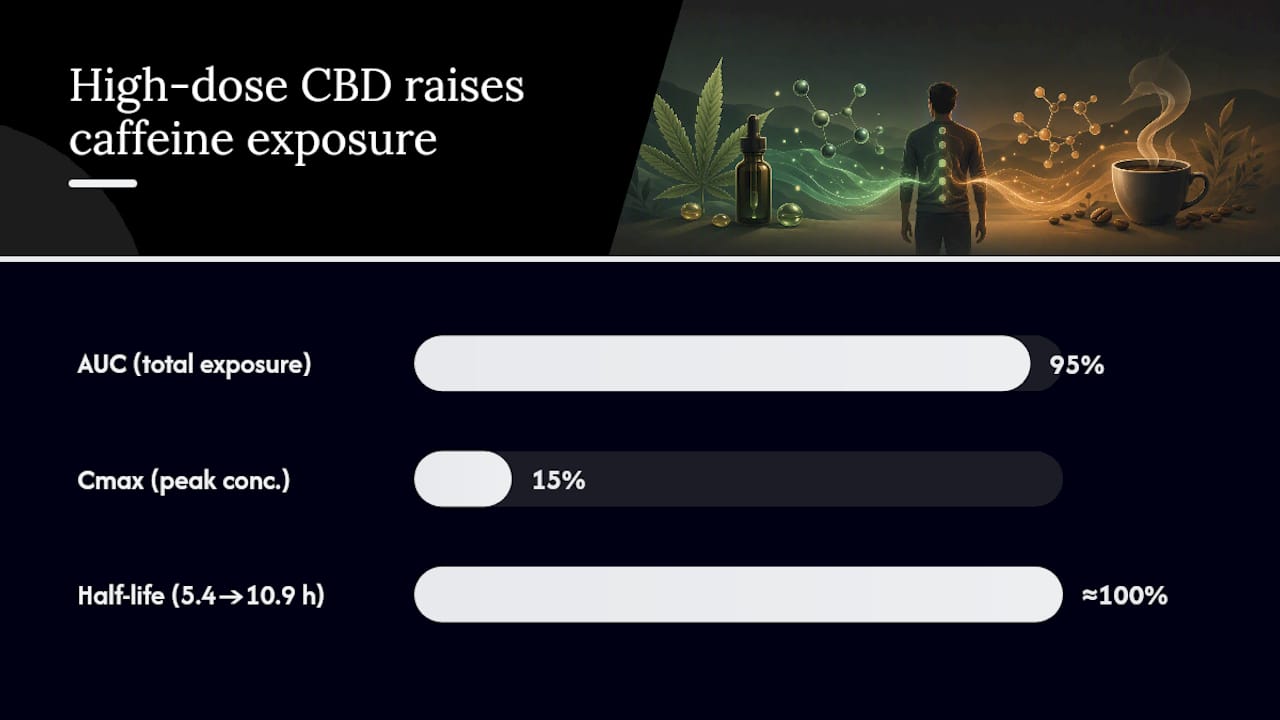
The 2021 phase 1 pharmacokinetic trial takes a very different angle. Using a prescription CBD formulation similar to Epidiolex, dosed at 750 mg twice daily until steady state, researchers measured what happened to caffeine’s journey through the body. CBD at this dose inhibited CYP1A2, the liver enzyme responsible for breaking down caffeine. The result: caffeine’s area under the curve (a measure of total drug exposure) rose by 95%, peak concentration increased by 15%, and caffeine’s half-life roughly doubled.
A third strand of evidence complicates matters further. A 2025 Neuropsychopharmacology study looked at what happens when CBD, caffeine, and Δ9‑THC are combined rather than just CBD and caffeine alone. It found that CBD alongside THC and caffeine increased some subjective effects and plasma THC concentrations compared with conditions without CBD. THC changes the equation. A broad-spectrum or full-spectrum product with any THC content is not chemically equivalent to a THC-free formulation, even if both are labelled “CBD.”
| Study | CBD dose tested | Caffeine dose | Key numeric finding |
|---|---|---|---|
| 2024 preliminary trial | 25–240 mg | 200 mg | Minimal change in subjective effects |
| 2021 pharmacokinetic trial | 750 mg twice daily | Standard probe dose | Caffeine half-life rose from 5.4 to 10.9 hours |
The limitations across this evidence base matter as much as the findings themselves.
- Sample sizes are small, often fewer than 60 participants.
- Follow-up periods are short, typically hours to a few days, not months or years.
- CBD formulations vary widely between studies, from pharmaceutical oil to consumer tinctures.
- None of the trials tracked long-term safety in people taking CBD and caffeine daily for extended periods.
Statistic Callout: High-dose CBD (750 mg twice daily) increased caffeine’s half-life by roughly 100%, from 5.4 to 10.9 hours, in a controlled pharmacokinetic trial.
How CBD and caffeine interact inside the body
Caffeine works by blocking adenosine receptors in the brain, the ones that normally build up through the day and make you feel drowsy. Block them, and you feel alert. That mechanism is well established and has nothing to do with CBD directly.
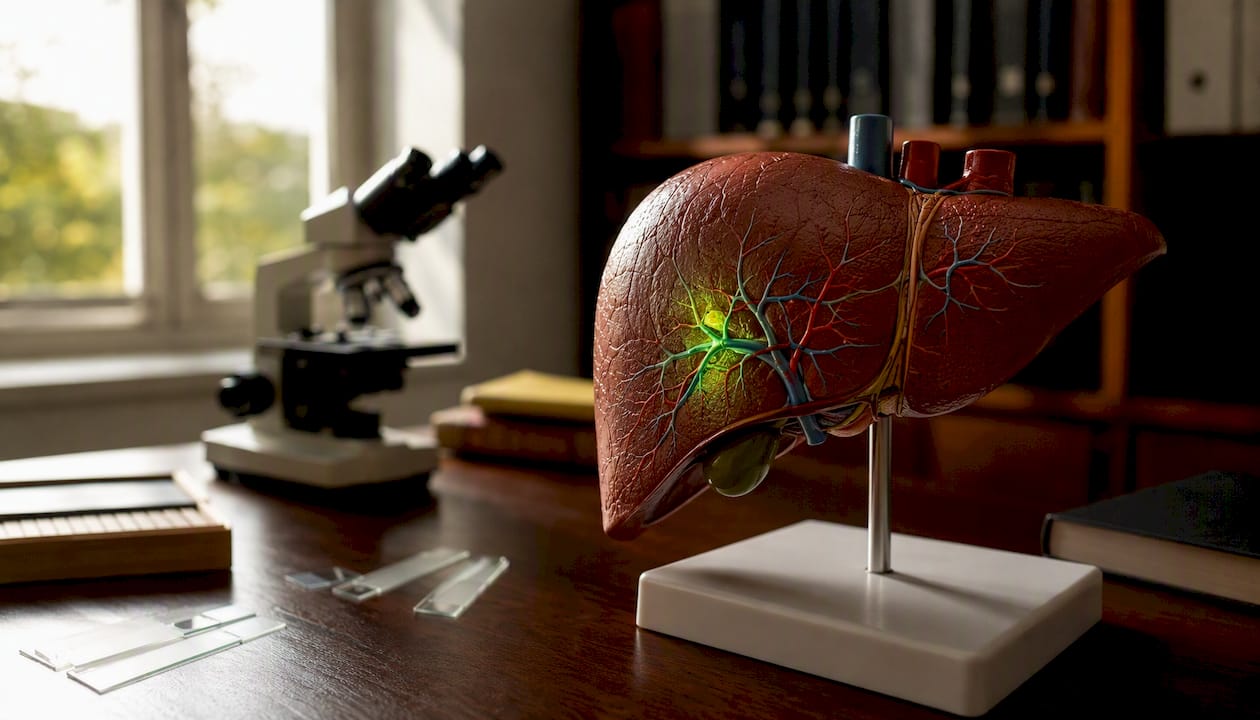
Where CBD enters the picture is in how your liver clears caffeine afterwards. Caffeine is metabolised primarily by an enzyme called CYP1A2. CBD, particularly at high doses, competes for that same enzyme pathway and slows it down. Think of CYP1A2 as a checkout queue: caffeine needs to pass through it to be broken down into paraxanthine and cleared from your system. High-dose CBD effectively adds a second, slower cashier, so caffeine lingers in the queue longer.
The numbers from the 2021 pharmacokinetic trial illustrate the scale of this at pharmaceutical doses: a 95% increase in caffeine’s total exposure (AUC) and a jump in half-life from 5.4 to 10.9 hours at 750 mg of CBD twice daily. That’s a meaningful pharmacological effect, but it was observed at a dose far above what’s found in a typical tincture serving or CBD coffee.
Practically, this means the “feel” of extended caffeine clearance isn’t a smoother buzz. It’s often just a longer one. If caffeine sticks around in your system for twice as long, that afternoon coffee might still be active in your bloodstream come bedtime, a plausible mechanism for the sleep disruption some heavy CBD-and-caffeine users report. That’s a different phenomenon from “CBD cancelling jitters,” and conflating the two is where a lot of casual advice goes wrong.
- CYP1A2 inhibition is dose-dependent: low CBD doses are unlikely to meaningfully slow caffeine metabolism.
- Extended caffeine half-life can mean caffeine affects your sleep hours later than expected.
- CBD’s own calming effects on the nervous system are separate from its metabolic effect on caffeine clearance.
What people actually notice when they mix CBD and coffee
Anecdotal reports from CBD coffee drinkers cluster around a few recurring themes, though none of them are universal. Some describe a steadier energy curve with fewer jitters. Others notice no difference in alertness at all. A smaller group report feeling unexpectedly sleepy later in the day, which lines up with the extended half-life mechanism described above.
Formulation seems to explain a good deal of this variation. A water-soluble CBD product, engineered using oil-in-water emulsion techniques, disperses and absorbs differently than a straight oil tincture stirred into a hot drink. Individual caffeine sensitivity plays a role too. Someone who already gets jittery on a single espresso is bringing a different baseline into the experiment than someone who drinks four cups a day without issue.
“I noticed less of an edge with my usual coffee, but I honestly can’t tell if that’s the CBD or just expecting it to help,” is a fairly representative paraphrase of the kind of self-report found in personal accounts of trying CBD coffee for anxiety.
That last point, expectation shaping experience, is worth taking seriously. Placebo effects are well documented in cannabinoid research, and small, uncontrolled personal experiments are exactly the conditions where they thrive.
- Reported effects range from smoother energy to no noticeable change to increased evening drowsiness.
- Product type and individual caffeine tolerance both shape the outcome.
- Anecdotes are useful for context but carry real selection and placebo bias.
Who should be cautious about combining CBD and caffeine
Some groups have a genuinely higher-stakes reason to slow down before mixing the two.
Pregnant or breastfeeding people should avoid CBD altogether given the absence of safety data in this population, and caffeine intake already carries its own separate guidance in pregnancy. People with liver disease need particular caution, since CBD is processed through the liver and the 2021 pharmacokinetic trial reported transaminase elevations in some participants at high, sustained doses. Anyone with a heart arrhythmia should be careful too, since caffeine already raises heart rate in sensitive individuals, and extending its half-life could prolong that effect. People taking multiple medications, competitive athletes subject to anti-doping rules, and workers facing routine drug screening all have practical reasons to check before combining the two.
The medication interaction risk deserves its own attention. CBD affects several CYP enzymes beyond CYP1A2, including pathways used to metabolise certain antidepressants and antipsychotics, some pain medications, and certain anticoagulants. If a medication’s leaflet mentions grapefruit juice interactions, that’s often a useful proxy sign it shares a metabolic pathway CBD can also affect. A clinician or pharmacist can check this in minutes.
Alert: Stop use and seek medical advice if you notice jaundice, severe gastrointestinal upset, sustained drowsiness, or heart palpitations after combining CBD and caffeine. Prescription-level CBD trials reported liver enzyme elevations in some participants, a signal worth taking seriously even though consumer doses are typically far lower.
- Pregnant or breastfeeding people should avoid CBD.
- Liver disease, arrhythmias, and polypharmacy all raise the stakes of combining CBD with caffeine.
- Athletes and safety-sensitive workers should check product THC content and any relevant testing policies, since THC and CBD are not interchangeable.
How to try CBD with caffeine safely for the first time
A methodical first attempt beats guesswork, and it doesn’t take long to set up.
- Check your medications first. Look up whether anything you take regularly is metabolised through CYP1A2 or related liver pathways, or ask a pharmacist directly.
- Choose a low CBD dose. Somewhere between 5 and 10 mg is a sensible starting point, well below the doses used in the pharmacokinetic trials that showed metabolic effects.
- Know your caffeine amount. A standard cup of coffee has roughly 80 to 100 mg of caffeine; know what you’re working with rather than estimating.
- Pick a low-risk time of day. Try this on a day without important commitments, in case you feel unexpectedly sleepy or alert.
- Decide on timing. You can take CBD and caffeine together or stagger them by an hour or two; staggering makes it easier to tell which substance is producing which effect.
- Track what happens. Note the CBD dose, caffeine dose, time taken, subjective alertness, any anxiety, resting heart rate, and how you slept that night.
- Adjust gradually. Change one variable at a time rather than altering both dose and timing simultaneously.
If you notice chest tightness, a racing heart, or severe anxiety, stop and seek medical attention rather than waiting it out.
Pro Tip: If jitters are your main concern, try reducing your caffeine intake before adding more variables with CBD. Cutting your coffee from two cups to one often solves the jitter problem more reliably than any supplement added on top.
Choosing a CBD product to pair with your coffee
Not every CBD product on the market deserves a place next to your morning brew, and the quality gap between brands is wider than most people expect.
Look for a current third-party Certificate of Analysis (COA) before buying anything. It should confirm the cannabinoid profile (broad-spectrum versus full-spectrum), verified THC content, and screening for heavy metals, residual solvents, and microbial contamination. This matters because CBD drinks and oils remain loosely regulated in many markets, and mislabelling, including unexpected THC content, is a documented problem.
Formulation affects your coffee experience too. Oil-based tinctures can separate or pool on the surface of a hot drink, while water-dispersible formulations blend more evenly and may change how quickly effects are felt. For a first attempt, a lab-tested, mid-range dose gives you room to adjust up or down without guessing.
- Confirm a current, batch-specific COA is available.
- Check the cannabinoid profile and confirmed THC level.
- Look for solvent, heavy metal, and microbial testing results.
- Note the exact CBD mg per serving so your dosing stays consistent.
Pro Tip: When comparing tinctures, check the mg-per-drop figure on the COA rather than just the total bottle strength. That’s the number that actually tells you how much CBD lands in your cup.
What we still don’t know
The evidence base has real gaps. Trials to date lean on small, fairly uniform populations, use varied formulations, and stop short of tracking outcomes over months or years. Dose-response data at the levels typically found in consumer drinks, rather than prescription-strength doses, is still thin, and almost nothing has been studied in people managing chronic health conditions.
Worth watching: larger randomised trials with standardised water-soluble formulations, longer pharmacokinetic studies in people already taking regular medication, and any replication of CYP1A2 inhibition at genuinely low, consumer-relevant doses.
- Watch for trials using doses under 50 mg CBD, closer to real-world drink servings.
- Watch for studies tracking daily use over weeks or months, not hours.
- Watch for research specifically involving people on common CYP1A2-metabolised medications.
A practical view on CBD and caffeine
The honest position sits between the hype and the alarm. For most healthy adults, low-dose CBD alongside normal caffeine intake carries a reasonable safety profile based on what the 2024 trial found, but the “CBD cancels jitters” claim gets ahead of the evidence. If jitters are your real problem, cutting caffeine usually beats adding CBD on top of it.
Product quality matters more than most people assume, and anyone on regular medication should treat a pharmacist conversation as a five-minute step, not an inconvenience.
A lab-tested tincture worth trying alongside your coffee
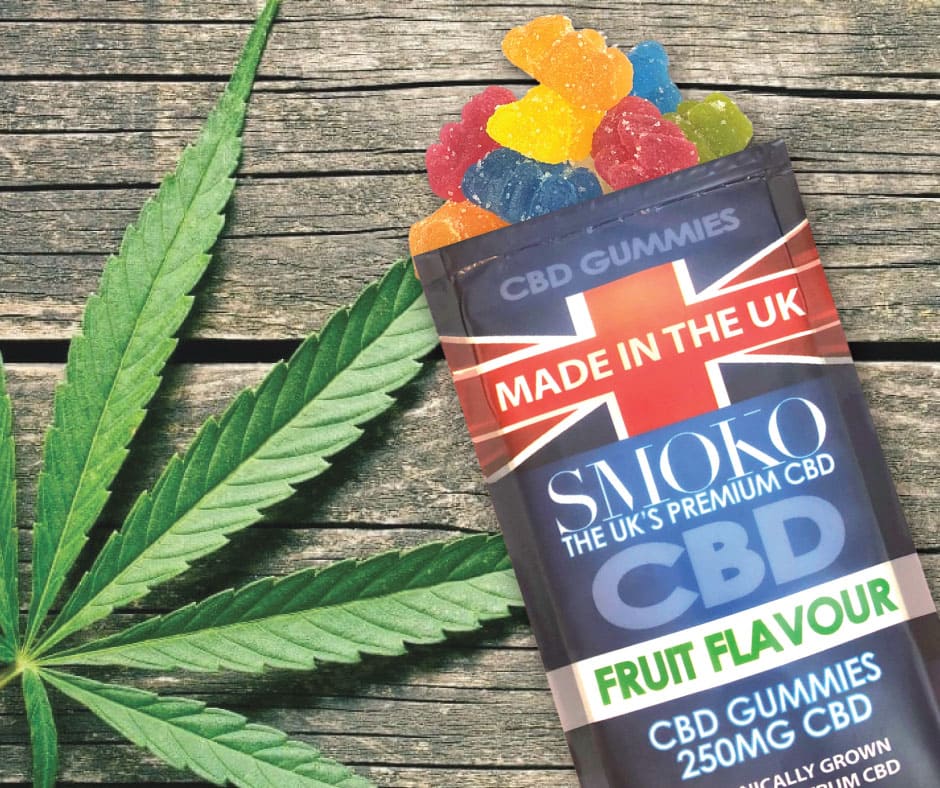
If you’re ready to experiment, product quality is the variable most within your control, and it’s the one worth getting right first. The SMOKO CBD Mint 2000mg Broad Spectrum CBD Tincture is a broad-spectrum, zero-THC option verified through third-party lab testing, made from organically grown hemp, giving you a clear mg-per-drop figure to work from rather than a guess.
For a first attempt, a standard 1ml dropper from a 2000mg/10ml bottle delivers roughly 200mg of CBD, so a quarter dropper gets you close to a 5 to 10mg starting dose, well within the range used safely in the preliminary caffeine trial. Add it to your coffee or take it separately, whichever makes tracking easier. As with any CBD product, stay within the recommended daily amount on the label, and check with a pharmacist first if you’re on regular medication. Head to the product page to check current stock and full COA details before your first cup.
Frequently asked questions
Does CBD cancel out caffeine jitters? Not reliably. The evidence for CBD directly counteracting caffeine jitters at consumer doses is thin; reducing caffeine intake tends to be a more dependable fix.
Can I take CBD and caffeine at the same time? For most healthy adults at low CBD doses, taking them together appears reasonably safe based on the 2024 preliminary trial, though staggering them makes it easier to tell which one is causing which effect.
Does CBD affect how caffeine is metabolised? Yes, but mainly at high doses. A pharmacokinetic trial found 750mg of CBD twice daily inhibited CYP1A2 and nearly doubled caffeine’s half-life; low consumer doses are unlikely to have the same effect.
Is CBD coffee safe to drink every day? Long-term daily use hasn’t been well studied. Occasional use at low, lab-verified doses appears low-risk for most healthy adults, but anyone on regular medication should check with a clinician first.
What should I check before buying a CBD product to use with coffee? Look for a current third-party COA, confirmed THC content, a clear cannabinoid profile, and an exact CBD mg per serving so you can dose consistently.
This article is general information, not a substitute for advice from a qualified doctor. Consult a qualified healthcare professional about your own circumstances before acting on anything here.
Sources
- A preliminary investigation of the simultaneous effects of cannabidiol and caffeine
- A Phase 1 Open‑Label, Fixed‑Sequence Pharmacokinetic Drug Interaction Trial to Investigate the Effect of Cannabidiol on the CYP1A2 Probe Caffeine in Healthy Subjects