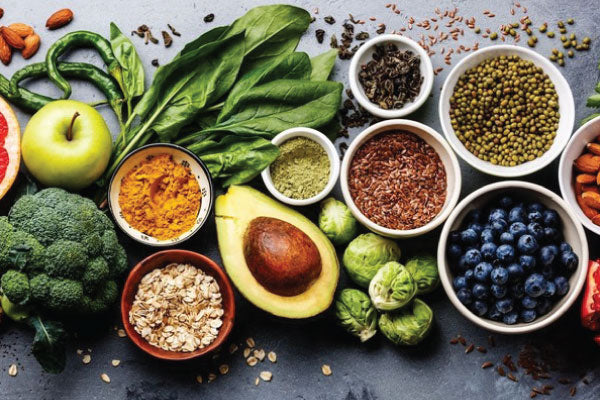
To get menopause bloating under control, you really have to go after the root causes: those rollercoaster hormones messing with your digestion and making you retain water. This means tackling it from a few different angles at once. Think dietary tweaks to cut down on gassy foods, finding ways to manage stress, and getting some consistent exercise to keep your gut moving. Small changes can honestly make a world of difference in just a few weeks.
Why Menopause Bloating Happens and What to Do

If you're suddenly dealing with a tight, gassy feeling in your stomach that just won't quit, you aren't imagining it. Menopause bloating is a real—and really frustrating—symptom that can knock your comfort and confidence. It's not just about weight gain; it's a direct result of the hormonal storm brewing inside during perimenopause and beyond.
The main player here is the drop in oestrogen. This hormone does a lot more than just run your monthly cycle; it’s also crucial for managing fluid balance and keeping your digestive system ticking along smoothly. As oestrogen levels fall, your body can start holding onto more water, which leads to that puffy, swollen sensation.
At the same time, oestrogen helps keep cortisol, your body's main stress hormone, in balance. With less oestrogen on patrol, cortisol levels can creep up, and that has a direct impact on your gut. This strong link between your brain and your digestive tract means stress can literally slow digestion down, leaving you with trapped gas and inflammation.
The Hormonal Impact on Your Gut
Imagine your digestive system is a perfectly efficient production line. Oestrogen and progesterone act as the line managers, making sure everything chugs along at just the right speed. During menopause, these managers suddenly become a bit unreliable.
This hormonal shift often slows down peristalsis—the muscle contractions that move food through your gut. When things slow down, food hangs around in your system for longer, giving gas-producing bacteria extra time to ferment it. The result is that all-too-familiar feeling of pressure and bloating.
Key Takeaway: Menopause bloating isn't just one single problem. It's a perfect storm of sluggish digestion, water retention, and your gut's reaction to stress, all kicked off by changing hormones. Getting your head around these interconnected causes is the first real step toward finding relief.
And if you’re experiencing this, you are far from alone. A study from Teesside University revealed that a staggering 77% of UK women going through perimenopause or menopause struggle with bloating, with most saying it either started or got much worse during this time.
Your Quick Guide to Beating Menopause Bloat
To help make sense of it all, it's useful to connect the problem directly to a practical first step. This table breaks down the main triggers for menopause bloating and gives you a clear, actionable starting point for each one.
| What's Happening | Why It Causes Bloating | Your First Actionable Step |
|---|---|---|
| Declining Oestrogen | Slows down digestion and leads to water retention, creating a gassy and puffy feeling. | Incorporate gentle movement like a daily 20-minute walk to stimulate gut motility and help release gas. |
| Increased Cortisol (Stress) | Disrupts the gut microbiome and can cause inflammation, making your stomach more sensitive. | Try a 5-minute deep breathing exercise when you feel stressed to calm your nervous system and your gut. |
| Slower Gut Motility | Food ferments for longer in the digestive tract, producing excess gas that gets trapped. | Gradually increase soluble fibre from sources like oats and chia seeds to promote regularity. |
| New Food Sensitivities | Your gut may become more sensitive to foods like dairy or gluten that never bothered you before. | Keep a simple food and symptom diary for one week to identify potential personal trigger foods. |
These hormonal changes can really shake up your gut's natural balance. Many women find that exploring the relationship between CBD oil and gut health can offer additional insights into restoring digestive harmony during this phase of life. By pinpointing these root causes, you can stop fighting a generic "bloat" and start targeting the specific issues driving your discomfort.
Finding Fast Relief When Bloating Strikes
When your stomach feels like an overinflated balloon, you don't have time to wait for long-term diet changes to work their magic. You need relief, and you need it now.
The good news is there are several simple things you can do to ease that awful pressure and discomfort, often within an hour or less. These are your go-to tactics for those moments you just need to feel better, fast.
A surprising amount of relief can come from what you drink. It might sound counterintuitive to add more liquid when you feel full, but the right herbal teas are brilliant for calming an angry digestive system.
- Peppermint Tea: A classic for a reason. The natural compounds in peppermint work to relax the muscles in your gut, which can help release trapped gas.
- Ginger Tea: Famous for its anti-inflammatory powers, ginger can soothe an upset stomach and get digestion moving, helping to clear things out before gas has a chance to build up.
- Fennel Tea: For centuries, people have used fennel seeds to beat the bloat. Like peppermint, it helps to relax intestinal muscles, providing a welcome release.
Gentle Movement and Massage
I know the last thing you feel like doing when you're bloated is moving, but a little bit of gentle activity is honestly one of the most effective ways to get your digestive system going again.
Even a simple 10-minute walk around the block can stimulate peristalsis—that's the natural wave-like muscle movement in your gut—which helps push trapped air through your system. It doesn't need to be a power walk; a slow, steady pace is all it takes to encourage things along without making you feel worse.
You can also try a gentle abdominal massage. Lie on your back, and with your fingertips, gently rub your stomach in a clockwise motion. This simple technique follows the natural path of your large intestine and can help manually guide trapped gas towards the exit.
Quick Tip: Your posture matters more than you might think. Slouching squashes your abdomen, leaving less room for gas to move. Simply sitting or standing up straight can create more space and instantly relieve some of that internal pressure.
Over-The-Counter Assistance
Sometimes, you just need a little extra help from the pharmacy. Remedies containing simeticone can be incredibly effective for fast relief. Simeticone works by breaking down large, painful gas bubbles into smaller ones, making them much easier to pass and easing that feeling of being painfully stretched. As always, it's best to check with a pharmacist or your GP before starting any new medication.
The NHS offers clear guidance on managing bloating, which is a really useful resource.
This official advice really backs up the idea that simple lifestyle tweaks, like the ones we've just covered, are your first and best line of defence. It puts the focus on diet, gentle exercise, and figuring out your personal triggers—empowering you with practical, accessible ways to stop menopause bloating in its tracks.
Building Your Anti-Bloat Menopause Diet
When it comes to managing menopause bloating, what you put on your plate is hands-down your most powerful tool. Quick fixes might offer a bit of temporary relief, but a smart, long-term approach to your diet is what really brings sustainable change. This isn’t about strict rules or deprivation; it's about making clever choices that calm your digestive system and put you back in the driver's seat.
Forget vague "eat healthy" advice. To genuinely stop menopause bloating, we need to get specific—pinpointing the nutrients that help and sidestepping the common culprits that hurt. It’s all about creating an anti-inflammatory, gut-friendly plate that works with your body, not against it.
Embrace Soluble Fibre and Probiotic Power
As digestion often slows during menopause, the type of fibre you choose really matters. While all fibre is good, making soluble fibre a priority can be a game-changer. This type dissolves in water to form a gel-like substance, which helps soften everything up and encourages gentle, regular bowel movements without kicking up a load of extra gas.
Think of it as a soothing traffic controller for your gut. Some brilliant sources include:
- Oats: A warm bowl of porridge is a fantastic, comforting way to start your day.
- Chia Seeds: Just a tablespoon stirred into a smoothie or sprinkled over yoghurt does the trick.
- Apples and Pears: The flesh of these fruits is packed with soluble fibre.
- Carrots: Perfect for snacking or adding a bit of crunch to your meals.
Alongside fibre, bringing probiotic-rich foods into your routine can help rebalance your gut microbiome, which often gets thrown off by hormonal shifts. These friendly bacteria are essential for good digestion and can reduce the fermentation that leads to gas and bloating. Delicious options like kefir, live-yoghurt, kimchi, and sauerkraut are fantastic for nurturing a happy gut.
The infographic below shows a few simple, immediate actions you can take to complement your dietary changes, especially when bloating strikes unexpectedly.
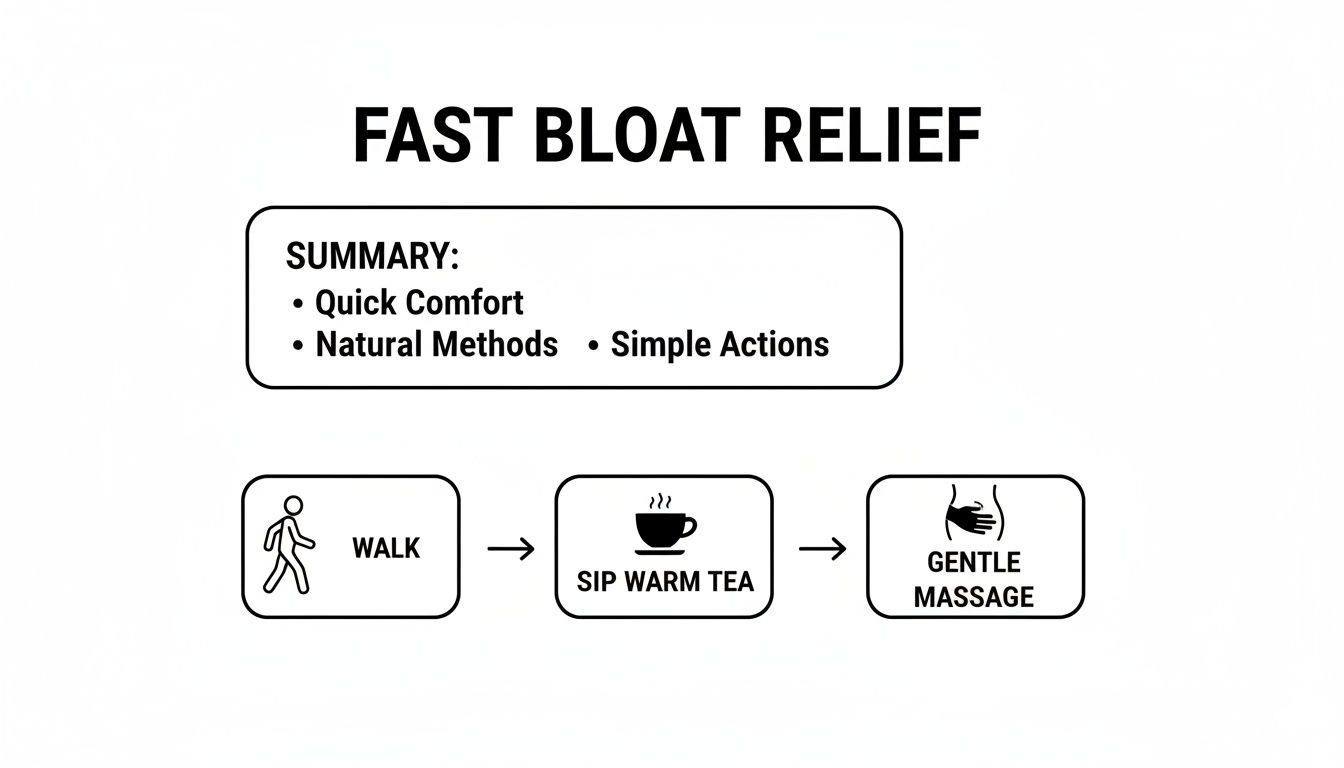
This little guide is a great reminder that combining dietary strategies with simple physical actions, like a gentle walk or sipping a warm herbal tea, creates a powerful one-two punch for immediate comfort.
Understanding and Managing FODMAPs
It’s incredibly common during menopause for women to suddenly develop sensitivities to foods that were never a problem before. A major trigger for bloating is a group of fermentable carbohydrates known as FODMAPs (that’s Fermentable Oligosaccharides, Disaccharides, Monosaccharides, and Polyols). These are essentially short-chain carbs that your small intestine struggles to absorb, causing them to ferment and produce gas further down the line.
Following a low-FODMAP plan isn't about cutting these foods out forever. It's more of a short-term investigation to figure out your personal triggers. Foods high in FODMAPs include things like:
- Onions and garlic
- Wheat and rye
- Beans and lentils
- Certain fruits like mangoes and apples
- Dairy products containing lactose
The results of paying attention to these can be pretty remarkable. Research shows that a low-FODMAP diet, which is also backed by NICE guidelines, managed to slash bloating by 70% in three-quarters of women who tried it for just four weeks. Even simple swaps, like switching out high-gas foods like beans and onions for gut-friendly options like quinoa and bananas, were found to cut bloating flare-ups by nearly half. You can discover more insights about the menopause and IBS connection here.
The goal isn't to be perfect, but to be mindful. By identifying your key trigger foods, you can significantly reduce daily discomfort without feeling deprived. It’s about customising your diet to what makes you feel good.
Practical Food Swaps for a Happier Gut
Overhauling your diet can feel daunting, but focusing on simple swaps is a brilliant way to get started. Instead of thinking about what you need to remove, concentrate on what you can easily substitute or add in. It’s a much more positive and sustainable way to approach things.
Here’s a quick-glance table to make it even easier.
Simple Food Swaps to Beat Menopause Bloating
| Instead of This (High-FODMAP/Trigger) | Try This (Low-FODMAP/Soothing) |
|---|---|
| Onions and Garlic | The green parts of spring onions or chives for flavour. |
| Wheat Bread or Pasta | Sourdough bread, gluten-free pasta, or grains like quinoa. |
| Cow's Milk or Regular Yoghurt | Lactose-free milk, almond milk, or coconut yoghurt. |
| Apples, Pears, and Mangoes | Bananas, blueberries, oranges, and strawberries. |
| Honey and High Fructose Corn Syrup | Maple syrup or a small amount of rice malt syrup. |
| Beans and Lentils | A small portion of tinned lentils (rinsed) or firm tofu. |
Making just a few of these small adjustments can dramatically reduce the amount of gas your gut produces, bringing you noticeable relief from that uncomfortable, puffy feeling.
Mindful Eating Habits Matter
Finally, remember that how you eat is just as important as what you eat. In our hectic lives, it’s so easy to rush through meals, but this can be a direct cause of bloating. When you eat too quickly, you swallow excess air, which gets trapped in your digestive system and has to go somewhere.
Try to practise mindful eating. Slow down. Chew each bite thoroughly. This simple act not only reduces the amount of air you swallow but also gives the digestive enzymes in your saliva a head start on breaking down your food.
It can also really help to have smaller, more frequent meals rather than three huge ones. This prevents your digestive system from getting overwhelmed and keeps things moving along steadily all day, avoiding the internal traffic jams that lead to bloating and discomfort.
Lifestyle Changes and Exercises That Actually Help

Tackling menopause bloating for good means looking beyond what's on your plate. While diet is a massive piece of the puzzle, your daily habits, stress levels, and the way you move your body play an equally vital part. The connection between your mind and your gut is incredibly powerful; learning to manage it can bring some serious relief.
It really starts with getting a handle on stress. As oestrogen levels dip during menopause, your body’s knack for regulating cortisol—the main stress hormone—gets a bit wobbly. When cortisol runs high, it can throw your gut microbiome out of sync, slow down digestion, and spark inflammation. It's the perfect storm for bloating.
This is good news, in a way. It means calming your mind is a direct path to calming your gut. When you feel that familiar tension creeping in and your stomach starting to protest, a few simple stress-busting techniques can stop a bloating episode before it even gets going.
Taming Stress to Soothe Your Stomach
You don’t need to book a week-long silent retreat to find your zen. Weaving small moments of calm into your day is surprisingly simple, and even just five minutes can make a world of difference.
One of the most effective tools in your arsenal is diaphragmatic breathing, or "belly breathing." Instead of the shallow chest breaths we often take when stressed, this technique draws air deep into your lungs, engaging your diaphragm. This process gently massages your internal organs and flips the switch on your parasympathetic nervous system—your body's "rest and digest" mode.
Give this simple exercise a go:
- Find a comfortable spot to sit or lie down. Pop one hand on your chest and the other on your belly.
- Breathe in slowly through your nose for a count of four. You should feel your belly rise and push your hand out while your chest stays relatively still.
- Hold that breath for just a moment.
- Exhale slowly through your mouth for a count of six, feeling your belly gently fall.
Running through this cycle just 5-10 times can noticeably lower cortisol and ease tension in your gut. It's a discreet trick you can pull out anywhere—at your desk, in the supermarket queue, or stuck in traffic.
Remember, stress isn't just in your head; it's a physical event that directly messes with your digestion. By actively managing it, you're taking a huge step toward preventing menopause bloating.
Smart Movement for a Happy Gut
When you're feeling puffy and uncomfortable, lacing up your trainers might be the last thing you want to do. But trust me, the right kind of movement is one of the best remedies out there. It gets things moving through your digestive tract, helps release trapped gas, and just generally improves how your whole system works.
Moderate cardio is fantastic for this. Think brisk walking, swimming, or a gentle cycle. These activities boost blood flow and encourage the natural rhythmic contractions of your intestinal muscles. The goal isn't a punishing high-intensity session; consistency is what really counts. Aiming for a gentle 20-30 minute session most days of the week is a brilliant target.
For more focused relief, certain exercises are real superstars for beating the bloat. Research has shown just how effective specific movements can be. For example, doing activities like Pilates or swimming three times a week was found to slash pain and bloating by 38% by improving gut motility. On top of that, mind-body practices like yoga were shown to cut stress-related flare-ups by a whopping 42%—a game-changer when anxiety can feel so heightened during this stage of life. You can read the full research about these menopause and gut health findings here.
Your 15-Minute Anti-Bloat Routine
Here’s a quick and easy sequence you can do right at home to ease that abdominal pressure and get your digestion flowing. Just focus on gentle, controlled movements.
- Cat-Cow Stretch (5 minutes): Get on your hands and knees. As you breathe in, let your belly drop and look up (Cow pose). As you breathe out, round your spine and tuck your chin to your chest (Cat pose). This gentle movement is like an internal massage for your abdominal organs.
- Seated Spinal Twist (5 minutes): Sit on the floor with your legs out in front. Bend your right knee and place your right foot on the outside of your left thigh. Gently twist your upper body to the right, using your left arm for a bit of leverage. Hold for 30 seconds, then repeat on the other side. Twists are brilliant for stimulating digestion.
- Knees-to-Chest Pose (5 minutes): Lie on your back and gently hug both knees into your chest, maybe rocking gently from side to side. This pose is famous for helping to release trapped gas.
The Importance of Restorative Sleep
Finally, never, ever underestimate the power of a good night's sleep. When sleep is poor, it sends your hormones—including cortisol and the ones that control your appetite—into a complete tailspin. This chaos can lead to iffy food choices and ramped-up stress, both of which are major triggers for bloating.
Aiming for 7-8 hours of quality sleep a night helps your body regulate its hormones, supports a healthy stress response, and gives your digestive system the downtime it needs to function at its best. Creating a relaxing bedtime routine can make a massive difference. You might also be interested in our guide on other natural remedies for menopause symptoms, which digs into this and other supportive strategies in more detail.
Exploring Supplements and Medical Support
While getting your diet and lifestyle in order is the bedrock of managing menopause bloating, sometimes you just need a bit more backup. When that swollen feeling sticks around no matter what you try, turning to certain supplements and medical options can offer some much-needed, targeted relief.
Think of these as reinforcements you can call in. They’re not a substitute for the foundational healthy habits, but they can be an incredibly effective part of your toolkit. The trick is to choose options with some solid evidence behind them and—always—to have a chat with your GP or a qualified nutritionist first.
Key Supplements For Digestive Harmony
Staring at a wall of supplements can be pretty daunting, but a few key players have shown real promise for calming a turbulent menopausal gut. Instead of just grabbing a generic "de-bloat" mix, focusing on specific ingredients helps you get to the root of the problem far more effectively.
Here are three worth a closer look:
- Magnesium: Often dubbed "nature's relaxant," magnesium is brilliant for easing intestinal muscles and gently drawing water into the bowels. This double-act encourages regularity, which is vital for preventing the trapped gas and bloating that comes with constipation. Magnesium citrate is the form most often recommended for this.
- Specific Probiotic Strains: Not all probiotics are the same. When you're dealing with bloating, you want to look for specific strains like Lactobacillus plantarum and Bifidobacterium lactis. These particular types of "good bacteria" have been studied for their ability to dial down gas production and support a balanced gut microbiome, which can easily get thrown out of whack by hormonal shifts.
- Peppermint Oil Capsules: For that awful cramping and trapped wind, enteric-coated peppermint oil capsules can be a game-changer. The special coating means the oil gets released in the intestines where it’s needed, not in the stomach. This allows it to relax the gut muscles, easing spasms and helping to release trapped gas.
The Role Of Hormone Replacement Therapy (HRT)
For many of us, the most direct route to tackling menopause symptoms is to go straight to the source: the hormonal imbalance itself. Hormone Replacement Therapy (HRT) does just that, topping up the oestrogen (and sometimes progesterone) your body isn't making as much of anymore.
By stabilising your hormone levels, HRT can have a hugely positive effect on bloating. It helps get your gut moving properly again, reduces water retention, and can even take the edge off the stress that so often makes digestive issues worse.
Some women find bloating gets a little worse when they first start HRT as their body adjusts, but this usually settles down within a few weeks. For many, the long-term result is a massive improvement. If the bloating doesn't settle, your GP might suggest switching from an oral tablet to a transdermal patch or gel, as these often have fewer digestive side effects.
A Note on CBD Oil
There's a lot of buzz around natural wellness options, and CBD has certainly entered the conversation around menopause. The body has its own endocannabinoid system, which CBD interacts with, and this system has a hand in regulating things like gut function and inflammation.
While the research is still catching up, some people find it helps with the anxiety and stress that can pour fuel on the fire of digestive symptoms. If you're curious, learning more about the links between CBD oil and menopause can provide further context. Just like any supplement, it's absolutely vital to choose a high-quality product and discuss it with a healthcare professional before you start.
Knowing When to Talk to Your GP About Bloating
Most of the time, menopause bloating is just another frustrating symptom we have to navigate. But it's really important to know when your body might be trying to tell you something more serious is going on. Learning to be your own health advocate is one of the most powerful things you can do during this transition.
So, how do you tell the difference between typical hormonal discomfort and something that needs a doctor's eye?
If you're experiencing occasional bloating that seems to get better when you adjust your diet or lifestyle, that’s generally not a cause for alarm. However, if the bloating just won't go away, or if it shows up with a host of new friends, it’s time to book an appointment with your GP to rule out other conditions.
Red Flag Symptoms to Watch For
It’s tempting to brush off persistent symptoms as "just menopause," but please don't. Be proactive and seek medical advice if your bloating is paired with any of the following:
- Severe or lasting pain: We're not talking about mild discomfort. This is abdominal pain that is sharp, constant, or seriously gets in the way of your day.
- Unexplained weight loss: Losing weight without trying might sound great, but it's a key symptom that always needs investigating.
- Changes in bowel or bladder habits: This could mean sudden diarrhoea or constipation that won’t shift, or seeing blood in your stool.
- A persistent feeling of fullness: Feeling stuffed after only eating a small amount is a definite signal to get checked out.
- A noticeable lump or swelling: If you can feel a distinct mass or swelling in your abdominal area, this requires immediate medical attention.
While these symptoms are often linked to more common issues like IBS, in rare cases, they can be signs of more serious conditions such as ovarian cancer. Being vigilant and getting checked is always the safest and smartest approach.
When you do see your GP, try to go in prepared. A simple symptom diary can be incredibly helpful. Just jot down how often you feel bloated, what seems to set it off, and any other symptoms you’re having. This kind of information is invaluable for your doctor and ensures your concerns are taken seriously.
It's worth noting that conditions like IBS often have symptoms that overlap with menopause, and understanding how digestive issues like IBS are treated can give you some useful context for that conversation with your GP.
Your Menopause Bloating Questions, Answered
Going through menopause can feel like you're navigating a maze of new and confusing symptoms. When bloating becomes a constant companion, it’s only natural to have a lot of questions. Let’s tackle some of the most common ones I hear, to give you a bit more clarity.
How Long Does Menopause Bloating Typically Last?
This is one of those frustrating "it depends" answers, because everyone's experience is unique. For many women, the worst of the bloating hits during perimenopause, which makes sense – that’s when your hormones are on a real rollercoaster.
The good news? It often starts to ease up once you're in postmenopause and your hormones settle into their new, lower baseline. But that doesn't mean you have to just grit your teeth and wait it out. By using the dietary and lifestyle tips we've already covered, you can make a huge difference to how often it happens and how bad it gets, no matter what stage you're in.
Can HRT Make Bloating Worse?
It's a really common worry. Some women do find that when they first start Hormone Replacement Therapy (HRT), the bloating can flare up a bit. This is particularly true for oral oestrogen, as your body takes a moment to adjust. Usually, this settles down within a few weeks.
For most women, though, HRT actually improves bloating in the long run. Why? Because it gets to the root of the problem: the hormonal imbalance that was causing the bloating in the first place.
If you’ve been on HRT for a few months and the bloating just isn't budging, it’s definitely worth having a chat with your GP. Sometimes a simple change, like switching from a tablet to a patch or a gel, can sort out those digestive niggles completely.
Is It Definitely Menopause Bloating?
While bloating is a classic sign of menopause, it's so important not to just assume that's what's going on. If your bloating is persistent, painful, or just feels 'off', please don't ignore it. It can occasionally be a signal for other health conditions.
It's always best to get checked out by your GP to rule out other possibilities, like Irritable Bowel Syndrome (IBS), coeliac disease, or, in very rare cases, more serious gynaecological issues. A simple trick that can really help your doctor is to keep a little diary for a week or two – just jot down what you eat, when you bloat, and any other symptoms you notice. It can make all the difference in getting to the bottom of it and finding the right solution for you.
At SMOKO CBD, we understand the challenges of menopause. Our high-quality, lab-tested CBD products are designed to support your wellness journey, helping you find calm and comfort. Discover our range and see how we can help. Find out more at https://smokocbd.com.