TL;DR:
- Getting the correct hemp oil dose depends on identifying whether you have hemp seed oil or CBD-rich extract, as they require different measurement methods. The UK’s safety limit of 10 mg CBD daily serves as a precautionary guideline, but effective treatment doses often exceed this when supervised by healthcare professionals. Starting with a bodyweight-based dose of 0.2 mg per kilogram and gradually increasing allows for personalized, safe, and effective use over time.
Getting the right dose of hemp oil is more confusing than it should be. Walk into any health shop, pick up two bottles labelled “hemp oil,” and you might be holding completely different products with completely different dosing rules. One could be a kitchen supplement you measure in tablespoons. The other could be a CBD-rich extract you measure in milligrams. Getting that distinction wrong means either wasting money or, worse, not getting the relief you were hoping for. This guide cuts through the confusion with clear, condition-specific dosing advice, UK safety limits, and practical steps you can follow today.
Table of Contents
- Key takeaways
- Hemp seed oil vs CBD oil: what you are actually dosing
- UK safety limits and who should take care
- How to calculate your starting dose
- How your chosen format affects the dose
- Common dosing mistakes and how to avoid them
- My take on hemp oil dosing: patience is the actual active ingredient
- Find the right SMOKO CBD product for your dose
- FAQ
Key takeaways
| Point | Details |
|---|---|
| Know which product you have | Hemp seed oil is nutritional; CBD oil contains cannabinoids and requires mg-based dosing for wellness effects. |
| Follow the FSA daily limit | The UK Food Standards Agency sets a provisional limit of 10 mg CBD per day for a healthy 70 kg adult. |
| Start low, increase slowly | Begin at 5 to 10 mg per day and increase by 5 mg every three to five days to find your effective dose. |
| Condition affects your target dose | Pain typically requires 40 to 60 mg, anxiety 25 to 50 mg, and sleep improvement 20 to 50 mg daily. |
| Format changes everything | Sublingual oils absorb faster and more efficiently than capsules or gummies, which affects how much you actually need. |
Hemp seed oil vs CBD oil: what you are actually dosing
Before you calculate a single milligram, you need to know what is actually in your bottle. This is where most people go wrong, and it matters enormously.
Hemp seed oil is pressed from the seeds of the hemp plant. It is rich in omega fatty acids, vitamin E, and minerals, making it a genuinely useful nutritional supplement. However, hemp seed oil contains negligible CBD. You would typically take one to two tablespoons daily for its nutritional benefits. No mg counting required. No effect on anxiety, pain, or sleep. It is essentially a very good cooking oil.
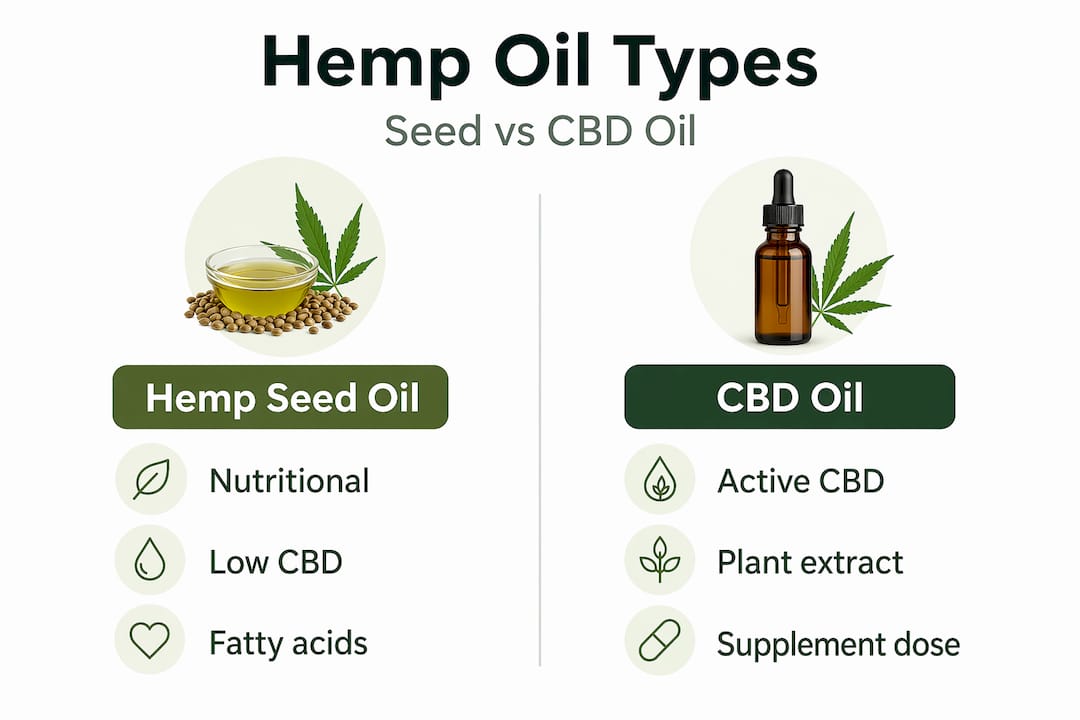
CBD-rich hemp oil (also called CBD oil or hemp extract) is drawn from the flowers and leaves of the plant. It contains meaningful concentrations of cannabidiol (CBD) and other cannabinoids that interact with your endocannabinoid system. This is the product you dose in milligrams, and the one this guide is primarily about.
The confusion between hemp seed oil and CBD oil leads directly to dosing errors and failed expectations. Someone buys a bottle labelled “hemp oil,” takes one tablespoon as instructed on the back, and wonders why they still can’t sleep. They had the wrong product all along.
How to read the label correctly:
- Look for “CBD” or “cannabidiol” listed in the ingredients, along with a mg figure (e.g. 500 mg, 1000 mg)
- Check for a “serving size in mg of CBD” per dose, not just volume (ml)
- If the label only shows omega-3, omega-6, and vitamin E, you have hemp seed oil
- Third-party lab reports (certificates of analysis) confirm actual cannabinoid content
Pro Tip: If your hemp oil bottle does not state the number of milligrams of CBD it contains, treat it as a nutritional supplement, not a wellness product for pain or anxiety.
UK safety limits and who should take care
The UK’s Food Standards Agency (FSA) has issued a provisional acceptable daily intake for CBD. The FSA sets this limit at 10 mg CBD per day for a healthy 70 kg adult. That is a conservative, precautionary figure based on liver enzyme effects seen at higher doses in clinical reviews. It is not a therapeutic dose recommendation. It is a ceiling for everyday supplement use without professional supervision.
“The FSA’s 10 mg per day provisional limit reflects a precautionary approach for unsupervised adult use, not a hard cap on therapeutic potential. Many people use higher doses under guidance from a healthcare professional.”
This distinction matters. Condition-specific doses for pain, anxiety, and sleep tend to sit above this limit. If you are considering doses above 10 mg daily on a sustained basis, speaking to your GP first is a sensible move, particularly if you take other medications.
Who should avoid CBD products entirely:
Pregnant or breastfeeding women, children, and people on prescription medications should avoid CBD without medical advice. The safety data for these groups is insufficient, and there are real risks including liver toxicity potential and interactions with medications that affect the same enzyme pathways (particularly drugs with a “grapefruit warning” on their packaging).
Excessive dosing carries its own risks too. CBD follows what researchers describe as a bell-shaped dosing curve. Taking more than your optimal dose does not produce better results. It can actually reduce effectiveness while increasing the chance of side effects like drowsiness, nausea, or elevated liver enzymes at very high doses.
How to calculate your starting dose
The most reliable starting point for your hemp oil dose is a simple bodyweight formula. Multiply your weight in kilograms by 0.2 to get a sensible beginner dose in mg. So, a 70 kg person would start at 14 mg. A 60 kg person would start at 12 mg. This gives you a personalised baseline rather than guessing.
Here is how to build up your dose sensibly:
- Week one: Start at 5 to 10 mg per day. Take it at the same time daily, ideally with food.
- Days seven to ten: If you have experienced no adverse effects, increase by 5 mg.
- Every three to five days: Continue increasing in 5 mg steps until you notice improvement.
- Track your response: Note sleep quality, pain levels, or anxiety on a simple 1 to 10 scale.
- Hold at the effective dose: Once you notice improvement, stay there for at least two weeks before adjusting further.
First-time users typically start at 10 to 15 mg per day, staying at that dose for at least seven days before increasing. This patience pays off. Your endocannabinoid system needs time to respond, and jumping ahead too quickly muddies the results.
Condition-specific target ranges:
| Condition | Typical effective dose range | Notes |
|---|---|---|
| Chronic pain | 40 to 60 mg per day | Often split into morning and evening doses |
| Anxiety | 25 to 50 mg per day | Lower doses may engage 5-HT1A receptors effectively |
| Sleep improvement | 20 to 50 mg per day | Take 30 to 60 minutes before bedtime |
| General wellness | 15 to 30 mg per day | A good maintenance dose for everyday support |
These condition-specific ranges are averages drawn from user data and current research. Your effective dose might sit lower or higher based on your metabolism, body composition, and the severity of your symptoms. The Smokocbd safe dosage guide for 2026 goes deeper into personalising these ranges if you want to explore further.
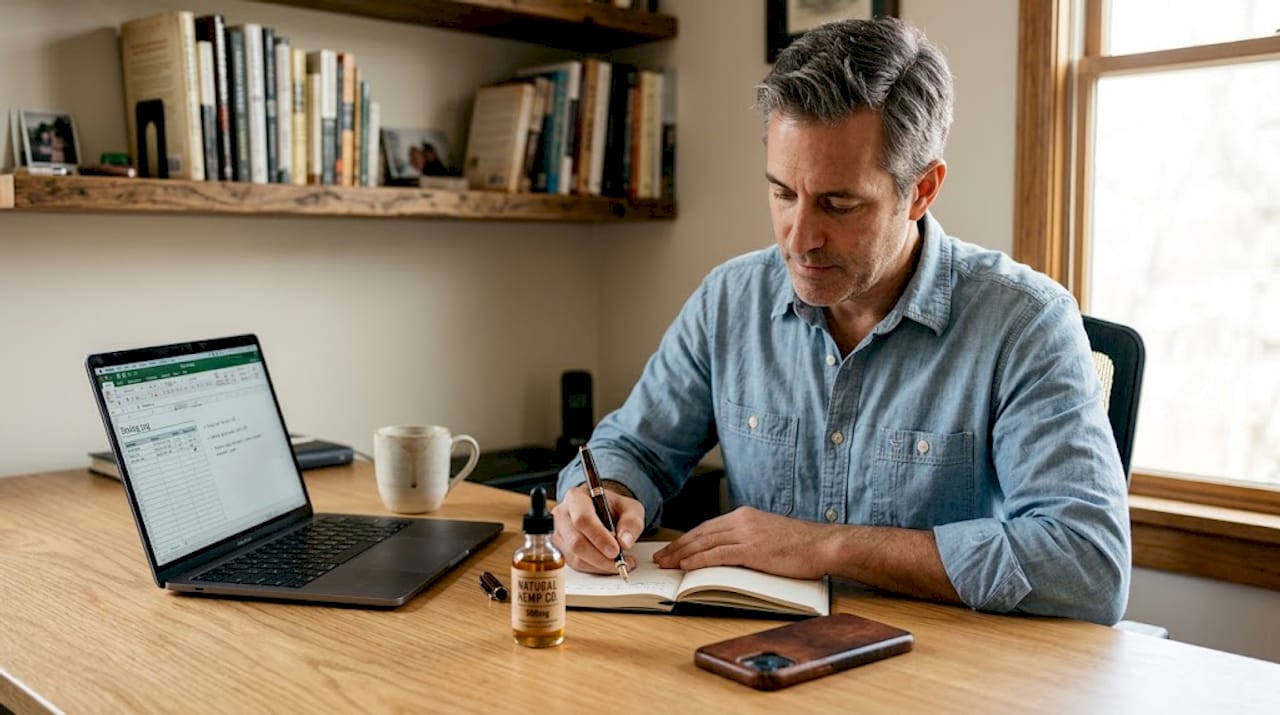
Pro Tip: Keep a simple dosing diary in your phone’s notes app. Log the dose, time, product format, and how you felt two hours later. After two weeks, patterns become surprisingly clear.
How your chosen format affects the dose
The hemp oil dosage on your label is not the dose your body actually receives. Bioavailability, which is the percentage of CBD that reaches your bloodstream, varies dramatically depending on the product format you choose.
Here is how the main formats compare:
- Sublingual oils (drops under the tongue): Bioavailability of 20 to 40%, with onset between 15 and 45 minutes. Hold the oil under your tongue for 60 to 90 seconds before swallowing. This is generally the most efficient non-inhaled method.
- Capsules and soft gels: Bioavailability of 6 to 15%, onset 60 to 90 minutes. The liver processes much of the CBD before it reaches the bloodstream. You may need a higher labelled dose to achieve the same effect as a smaller sublingual dose.
- Gummies: Similar bioavailability to capsules, but the added advantage of consistent, pre-measured doses that remove any guesswork from your hemp oil serving size.
- Vaping: Bioavailability of 30 to 50%, onset 5 to 15 minutes. The fastest method, but comes with its own set of dosing challenges and respiratory considerations.
- Topicals (creams, balms): Minimal systemic absorption. Primarily useful for localised discomfort rather than systemic anxiety or sleep support. Do not count these towards your daily mg total.
| Format | Bioavailability | Onset time | Best for |
|---|---|---|---|
| Sublingual oil | 20 to 40% | 15 to 45 minutes | Flexibility, faster effect |
| Capsules/soft gels | 6 to 15% | 60 to 90 minutes | Consistency, discreet use |
| Gummies | 6 to 15% | 60 to 90 minutes | Easy dosing, measured serving |
| Vaping | 30 to 50% | 5 to 15 minutes | Rapid relief |
| Topicals | Minimal | 15 to 60 minutes | Localised relief only |
If you switch formats midway through a dosing trial, you are effectively starting again. The effective hemp oil drops dosage for a sublingual product will not translate directly to a capsule-based regimen. Adjust accordingly and give your body time to recalibrate.
Common dosing mistakes and how to avoid them
Even well-intentioned users get this wrong. Here are the pitfalls that cause the most frustration:
- Confusing product types. Taking tablespoons of hemp seed oil and expecting CBD-like effects is the single most common error. Always confirm your product contains measurable CBD before counting milligrams.
- Starting too high. Jumping to 30 or 40 mg on day one because you read about high doses online can cause drowsiness or nausea, which puts people off CBD permanently. Start low and respect the titration process.
- Giving up too soon. Consistency over two to four weeks is needed to reliably assess whether CBD is working for you. Many people quit after three days and conclude it does not work.
- Ignoring individual variability. Two people of the same weight can respond completely differently to the same hemp oil dose. Your metabolism, sleep habits, diet, and stress levels all play a role.
- Not checking product quality. A 1000 mg bottle from an unverified source may contain far less CBD than stated, or trace THC that causes unwanted effects. Always choose products with third-party lab certificates.
Pro Tip: When you find a dose and product that works, do not switch brands without re-titrating from a low dose. Differences in carrier oils, extraction methods, and actual CBD concentrations mean brand switching is not a straight swap.
My take on hemp oil dosing: patience is the actual active ingredient
I have spoken with hundreds of people who tried CBD and concluded it was useless. In almost every case, one of two things happened. Either they had hemp seed oil and no CBD at all, or they took it for four days, felt nothing dramatic, and moved on.
What strikes me most is the expectation mismatch. People approach CBD like a paracetamol, expecting a noticeable shift within an hour. But CBD is not that kind of compound. It supports the body’s own regulatory system rather than overriding it. That takes time. CBD supports body homeostasis and requires sustained use. It ramps up and tones down. It does not flip a switch.
The most honest thing I can tell you is this: the best dosage for hemp oil is the lowest one that meaningfully improves your quality of life. Not the highest one you can tolerate. Aim for the minimum effective dose, track it carefully, and give it a real four-week window. Most people who do that are surprised by the results.
The FSA limit of 10 mg per day is a sensible starting framework for most people. If you are working towards higher therapeutic doses for pain or sleep, do it gradually and ideally with a GP’s knowledge. The UK safety guidance on CBD is genuinely useful reading before you ramp up.
— Mike
Find the right SMOKO CBD product for your dose
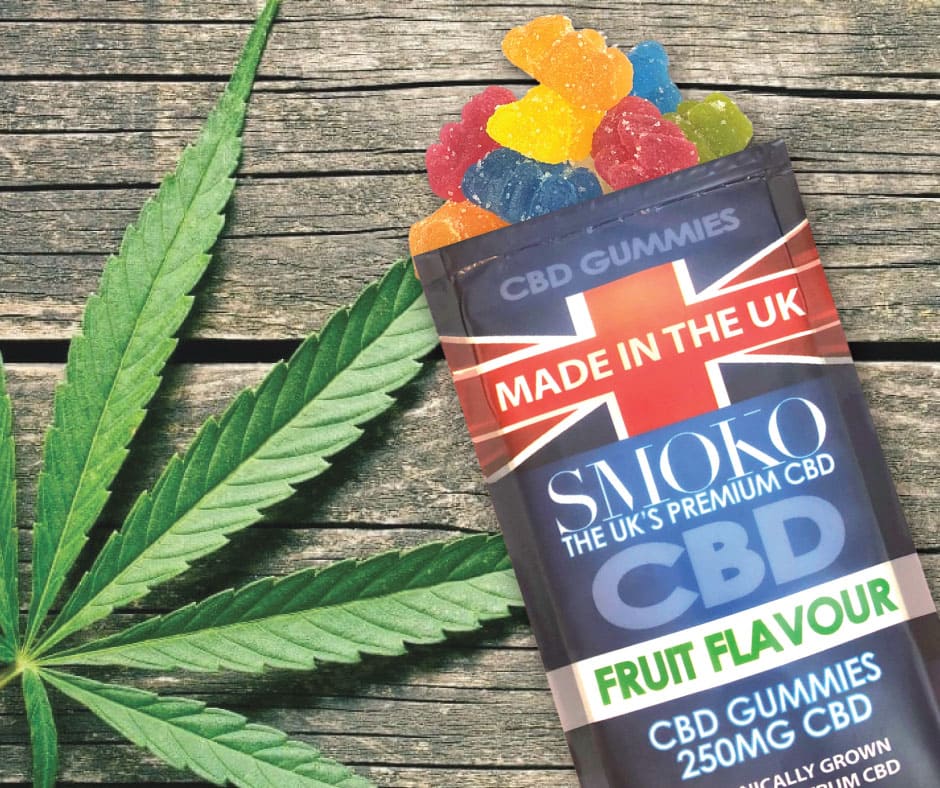
Once you know your target dose range, choosing the right product makes all the difference. Smokocbd offers a range of broad-spectrum CBD tinctures, soft gels, and gummies designed specifically to help you hit your personal hemp oil dosage with confidence. For beginners working up to a moderate dose, the 500 mg citrus tincture delivers approximately 5 mg per drop and is a natural place to start. Those targeting higher doses for chronic pain or persistent sleep issues will find the 1000 mg mint tincture gives better value per mg. If you prefer a consistent, pre-measured hemp oil serving size with no counting involved, the CBD gummy bears and 750 mg soft gel capsules are worth exploring. All Smokocbd products are third-party lab tested with zero THC, so you know exactly what you are taking.
FAQ
What is a standard dose of hemp oil for beginners?
A typical starting hemp oil dose for beginners is 5 to 10 mg of CBD per day, held for at least seven days before any increase. First-time users generally begin at 10 to 15 mg and increase in 5 mg steps weekly as needed.
How much hemp oil should I take for anxiety?
The recommended hemp oil dose for anxiety typically falls between 25 and 50 mg of CBD per day, with lower doses engaging serotonin receptors effectively for mild to moderate symptoms. Always start low and build up over several weeks.
How long does it take for hemp oil dosage to work?
Noticeable relief for sleep, anxiety, or pain typically emerges between one and twenty-eight days of consistent daily use. Sublingual oils act faster (15 to 45 minutes per dose), whilst capsules and gummies take 60 to 90 minutes.
Is hemp seed oil the same as CBD oil for dosing purposes?
No. Hemp seed oil contains negligible CBD and is dosed in tablespoons for nutritional benefits, not milligrams. CBD oil requires mg-based dosing for any therapeutic effect on pain, anxiety, or sleep.
What is the UK recommended daily limit for CBD?
The UK Food Standards Agency has set a provisional acceptable daily intake of 10 mg of CBD per day for a healthy 70 kg adult. This is a precautionary guideline for unsupervised supplement use, not a therapeutic ceiling.