TL;DR:
- CBD may reduce acid reflux symptoms by decreasing inflammation and gastric acid secretion through ECS activation. However, it can relax the lower oesophageal sphincter in some individuals, potentially worsening reflux; careful monitoring is essential. Using low doses of sublingual CBD oil alongside lifestyle modifications can offer supportive benefits while ensuring safety.
CBD is a non-intoxicating cannabinoid compound with the potential to ease several acid reflux symptoms through its anti-inflammatory and digestive system interactions. Gastro-oesophageal reflux disease, known as GERD, affects around 20% of Western populations, making it one of the most common chronic digestive complaints. That scale drives growing interest in CBD for acid reflux as a complementary option alongside conventional treatment. This article explains how CBD interacts with the gastrointestinal system, what the current evidence actually shows, and how to use it safely if you decide to try it.
How does CBD interact with acid reflux and the gut?
CBD works primarily through the body’s endocannabinoid system (ECS), a network of receptors found throughout the digestive tract, oesophagus, and stomach lining. When CBD binds to CB1 and CB2 receptors in this system, it can influence gastric acid secretion, inflammation, and pain signalling. Understanding these mechanisms helps explain both the potential benefits and the genuine risks.
Here is what the science currently suggests about CBD’s effects on the gastrointestinal system:
- Gastric acid reduction. ECS activation has been linked to reduced gastric acid output, which is the core driver of oesophageal irritation in reflux sufferers.
- Anti-inflammatory effects. CBD reduces inflammation and visceral pain via ECS and TRPV1 receptors, which may soothe the oesophageal lining damaged by repeated acid exposure.
- Stress and anxiety relief. Stress exacerbates reflux symptoms, and CBD’s anxiolytic effects may indirectly reduce the frequency and severity of reflux episodes by calming the nervous system’s influence on digestion.
- Pain perception. CBD modulates TRPV1 receptors, which are directly involved in the burning sensation associated with heartburn, potentially reducing perceived discomfort.
- The LES paradox. This is the most important caution. Delta-9-THC relaxes the lower oesophageal sphincter (LES) significantly, increasing reflux risk. CBD’s effects on LES tone vary per individual and are less pronounced, but the possibility of some relaxation still exists.
Dr Elizabeth Barnes notes the paradox clearly: CBD may simultaneously provide anti-inflammatory benefits while also relaxing the LES muscle in some people, which underlines the need for individual monitoring rather than a one-size-fits-all approach.
Pro Tip: If you notice your reflux symptoms worsening in the first two weeks of using CBD, this may indicate LES relaxation rather than a therapeutic response. Reduce your dose and consult a healthcare professional before continuing.
What does the research say about CBD and GERD?
The evidence base for using CBD for gastrointestinal health is still developing, but early data is genuinely encouraging. A 2025 pilot study produced some of the most striking numbers seen so far in this area.
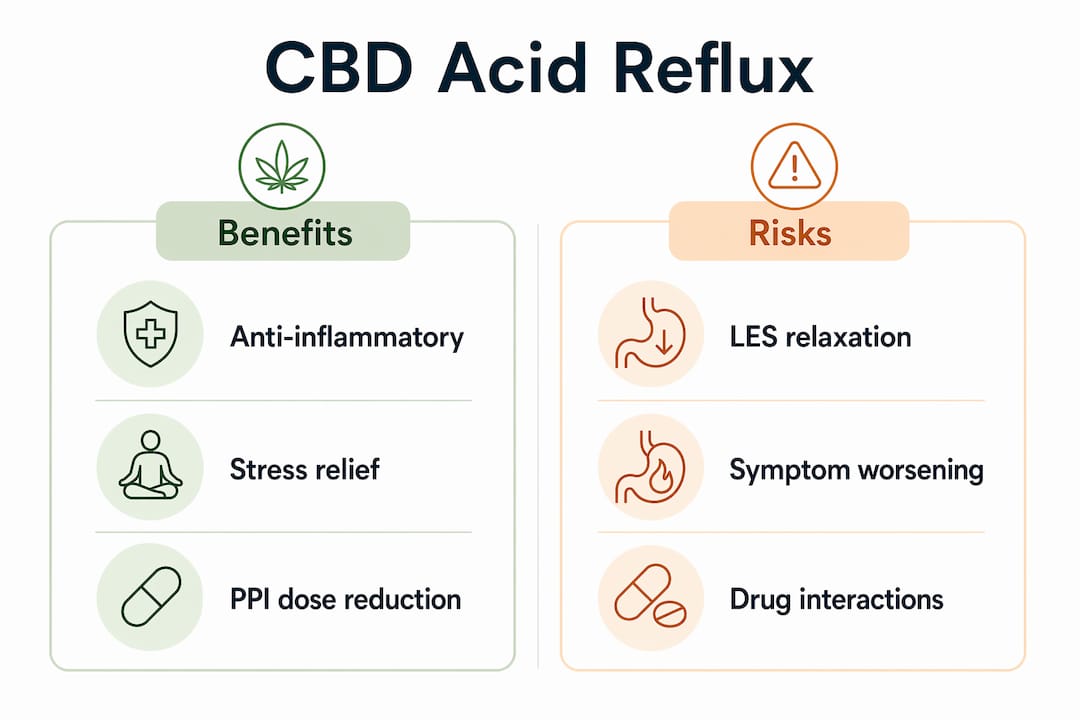
| Finding | Detail |
|---|---|
| PPI dose reduction | 58% of GERD patients reduced proton pump inhibitor doses by at least 50% with CBD |
| PPI discontinuation | 34% of participants stopped PPIs completely while maintaining symptom control |
| Drug interaction safety | CBD safe up to 100mg daily without significant drug interactions observed clinically |
| Symptom worsening risk | A subgroup of users reported increased reflux, likely linked to LES relaxation |
These figures suggest CBD can play a meaningful complementary role, particularly for people seeking to reduce dependence on long-term PPI use. However, the study was a pilot, not a large randomised controlled trial, and the results should be interpreted with appropriate caution.
Gastroenterologists who follow this area consistently position CBD as a complementary tool for stress-related reflux and inflammation, not a replacement for medical GERD treatment in severe or complicated disease. That framing is important. CBD oil for digestion works best when it is part of a broader management plan, not a standalone fix.
One risk that does not get enough attention is the role of carrier oils. MCT and hemp seed oils can cause gastrointestinal irritation in sensitive individuals, which means the very product you are using to soothe reflux could aggravate it if the carrier oil does not suit your stomach. Checking the full ingredient list before purchasing is not optional; it is necessary.
CBD also interacts with the cytochrome P450 enzyme system, which metabolises many pharmaceutical drugs including common GERD medications. This can alter how quickly those drugs are processed in the body, potentially affecting their efficacy or increasing side effects. Anyone taking prescription medication for reflux must discuss CBD use with their GP or gastroenterologist before starting.
“CBD should be viewed as a complementary tool for stress-related reflux and inflammation, not a replacement for medical GERD treatments, especially in severe disease.” — Expert consensus, WellnessWithCBD
How to use CBD safely for acid reflux
Practical guidance matters here because the difference between a helpful experience and a frustrating one often comes down to product choice, timing, and dose. Follow these steps to give CBD the best chance of working for you.
-
Start low and titrate slowly. Experts recommend starting at 10 to 15mg of CBD daily, then increasing by 5mg every one to two weeks based on your response. This conservative approach minimises the risk of side effects and helps you identify your effective dose.
-
Choose sublingual CBD oil over capsules initially. Sublingual administration (drops held under the tongue for 60 to 90 seconds) delivers CBD into the bloodstream faster and bypasses the digestive tract to a greater degree than oral capsules. For GERD sufferers, this reduces the time the product spends in the stomach, lowering the risk of irritation.
-
Separate CBD from your PPIs by at least two hours. Because CBD interacts with cytochrome P450 enzymes, taking it too close to a proton pump inhibitor like omeprazole or lansoprazole may alter the drug’s metabolism. A two-hour gap is the current clinical recommendation.
-
Check your carrier oil. Opt for products that use olive oil or fractionated coconut oil in smaller concentrations rather than high-dose MCT oil if your stomach is sensitive. Read the product label carefully and look for third-party lab reports confirming ingredient quality.
-
Take CBD with a small amount of healthy fat. CBD has low oral bioavailability on an empty stomach, so pairing it with a small portion of avocado, nuts, or a light meal improves absorption. Avoid high-fat meals late at night, as these can independently worsen acid reflux.
-
Monitor your symptoms for four weeks. Keep a simple diary noting reflux frequency, severity, and any changes after starting CBD. This gives you and your doctor useful data for adjusting the approach.
Pro Tip: Mint-flavoured CBD oils are popular, but peppermint is a known LES relaxant. If you have GERD, consider an unflavoured or citrus-based CBD oil to avoid compounding the LES relaxation risk.
How does CBD compare with other natural remedies for reflux?
CBD does not exist in isolation as a natural remedy. Placing it alongside other evidence-backed approaches helps you understand where it genuinely adds value and where the evidence for other methods is actually stronger.
Lifestyle changes including weight management, sleeping position adjustments, and diaphragmatic breathing show meaningful benefit for acid reflux over weeks and carry the strongest evidence base of any non-pharmaceutical approach. These are foundational. CBD works best when layered on top of these changes, not instead of them.
Here is how the main natural approaches compare:
| Approach | Evidence strength | CBD’s unique contribution |
|---|---|---|
| Weight management | Strong | CBD does not address this directly |
| Sleeping position (left side, elevated head) | Strong | CBD does not address this directly |
| Diaphragmatic breathing | Moderate to strong | CBD may amplify benefit via stress reduction |
| Dietary modification | Moderate | CBD may reduce inflammation from dietary triggers |
| Apple cider vinegar | Weak, anecdotal | CBD has a stronger mechanistic rationale |
| CBD supplementation | Emerging, promising | Stress relief, inflammation, pain modulation |
Apple cider vinegar deserves a specific mention because it is widely recommended online for acid reflux despite a lack of clinical evidence and a plausible mechanism for making symptoms worse by introducing more acid into an already irritated oesophagus. CBD, by contrast, has a clearer mechanistic rationale through the ECS, even if the clinical trial data is still catching up.
CBD’s most distinctive contribution among natural remedies is its dual action on stress and inflammation. No other commonly used natural remedy addresses both the psychological trigger (stress-driven reflux) and the physical consequence (oesophageal inflammation) at the same time. That combination is what makes CBD for gut health genuinely worth considering as part of a broader plan.
Key takeaways
CBD for acid reflux works best as a complementary approach, combining anti-inflammatory and stress-reducing effects with foundational lifestyle changes rather than replacing conventional GERD treatment.
| Point | Details |
|---|---|
| Mechanism is dual | CBD reduces oesophageal inflammation and stress-driven reflux, but may relax the LES in some individuals. |
| Pilot data is promising | A 2025 study found 58% of GERD patients reduced PPI doses by at least 50% using CBD. |
| Start dose conservatively | Begin at 10 to 15mg daily and separate intake from PPIs by at least two hours. |
| Carrier oil matters | MCT and hemp seed oils can irritate sensitive stomachs; check the full ingredient list before buying. |
| Lifestyle changes come first | Weight management, sleep position, and diaphragmatic breathing have stronger evidence than any supplement. |
Why I think CBD deserves a place in your reflux toolkit, with caveats
Having followed the CBD and digestive health space closely, what strikes me most is how often the conversation goes to one of two extremes. Either CBD is presented as a cure-all for every gut complaint, or it is dismissed entirely because the clinical trial data is not yet comprehensive. Neither position reflects the actual evidence.
What I find genuinely compelling is the stress-reflux connection. Most people with chronic reflux know that a difficult week at work or a period of anxiety reliably makes their symptoms worse. CBD’s anxiolytic properties address that mechanism directly, and that is not a trivial benefit. Combining that with its anti-inflammatory action gives it a more credible rationale than most supplements marketed for digestive health.
The LES relaxation risk is real and should not be glossed over. My honest view is that anyone with severe or complicated GERD, particularly those with confirmed oesophageal damage, should approach CBD cautiously and only with medical supervision. For people with milder, stress-aggravated reflux, the risk-benefit calculation looks considerably more favourable.
The most practical advice I can offer is this: do not use CBD as a reason to delay the lifestyle changes that have the strongest evidence. Use it alongside them. Track your symptoms honestly. And if you are on prescription medication, have the conversation with your GP before you start. Informed use is always better than hopeful use.
You can read more about CBD and gut health to understand the broader picture before making a decision.
— Mike
Explore Smokocbd’s natural options for digestive support
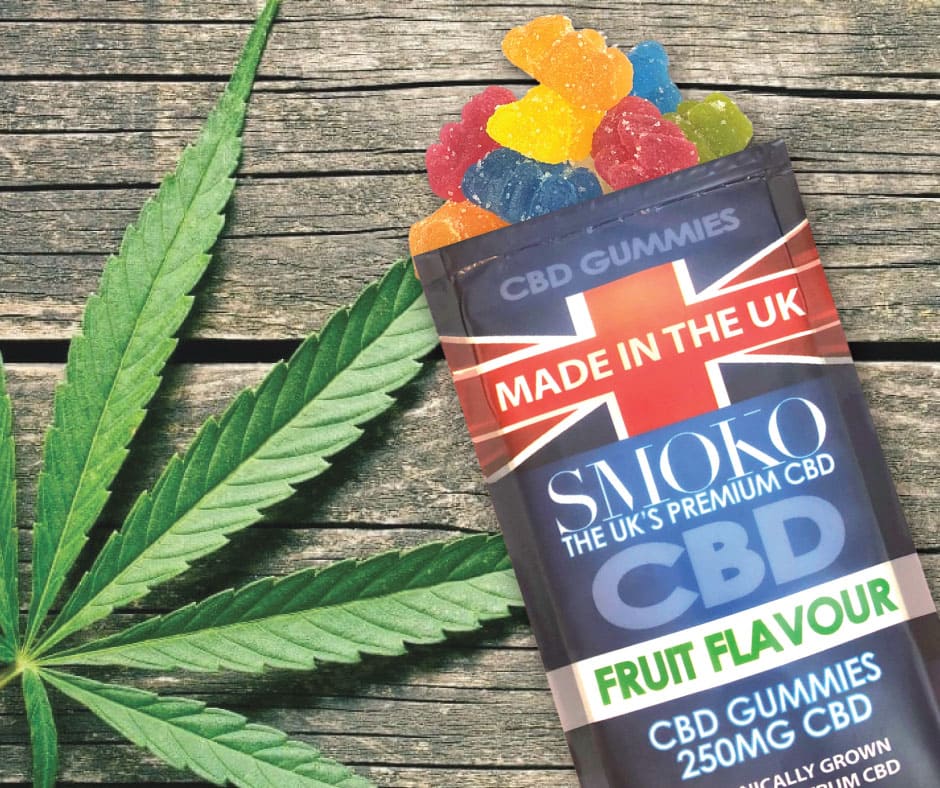
If you are ready to try CBD as part of your natural reflux management plan, Smokocbd offers broad-spectrum CBD products made from organically grown hemp, third-party lab tested to confirm zero THC levels.
The SMOKO CBD Mint 1000mg broad-spectrum tincture is a popular starting point, offering a clean sublingual oil with clearly labelled dosing. For those who prefer a capsule format, the 750mg CBD soft gels provide a convenient daily option. Both products are designed for adults seeking natural wellness support, with straightforward ingredient lists and accessible customer guidance to help you find the right fit.
FAQ
Does CBD help with acid reflux symptoms?
CBD may reduce oesophageal inflammation and stress-driven reflux through ECS activation, and a 2025 pilot study found that 58% of GERD patients reduced their PPI doses by at least 50% using CBD. Results vary by individual, and it works best as a complement to lifestyle changes rather than a standalone treatment.
Can CBD make acid reflux worse?
Yes, in some individuals. CBD may relax the lower oesophageal sphincter, which can increase acid reflux in a subgroup of users. If symptoms worsen within the first two weeks of use, reduce your dose and consult a healthcare professional.
What is the best form of CBD for GERD?
Sublingual CBD oil is generally preferred over oral capsules for GERD sufferers because it absorbs faster and spends less time in the stomach. Choose a product with a carrier oil that suits sensitive stomachs and avoid peppermint flavouring, which can relax the LES.
How much CBD should I take for acid reflux?
The recommended starting dose is 10 to 15mg daily, increasing gradually based on your response. Always separate CBD intake from proton pump inhibitors by at least two hours to avoid interactions via the cytochrome P450 enzyme system.
Is CBD safe to use alongside GERD medication?
CBD is observed to be safe at doses up to 100mg daily without significant drug interactions, but it does interact with cytochrome P450 enzymes, which metabolise many GERD medications. Always consult your GP or gastroenterologist before combining CBD with prescription treatments.