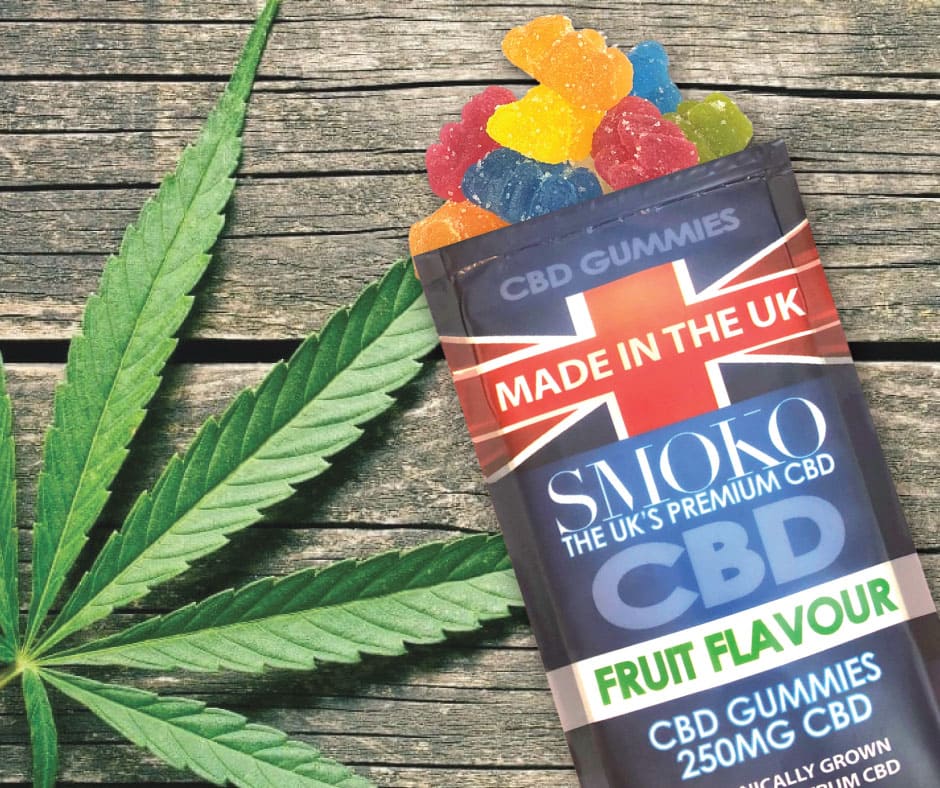
One of the biggest misconceptions about CBD oil is that it causes a psychoactive ‘high’ similar to cannabis. This belief is incorrect because CBD products sold in the UK contain THC under 0.2%, ensuring no intoxicating effects occur. Legal UK CBD oils provide potential health benefits for pain, anxiety, and sleep without altering your mental state. This guide explains what CBD oil actually is, how it interacts with your body, and how to choose quality products safely within UK regulations.
Table of Contents
- Understanding CBD Oil: Definition And Origins
- How CBD Oil Works In The Body
- Health Benefits Of CBD Oil: Pain Relief, Anxiety Reduction And Sleep Improvement
- CBD Product Types And Quality Markers
- Legal And Safety Considerations For CBD Oil In The UK
- Common Misconceptions About CBD Oil
- Practical Usage And Dosage Guidance
- Safety And Side Effects Of CBD Oil
- Discover High-Quality Broad-Spectrum CBD Oil
- Frequently Asked Questions
Key takeaways
| Point | Details |
|---|---|
| CBD oil definition | Hemp extract containing cannabidiol with THC below 0.2%, legal and non-intoxicating in the UK. |
| Biological mechanism | Interacts with endocannabinoid receptors affecting pain, anxiety, and sleep regulation pathways. |
| Clinical evidence | Studies show 30-40% pain reduction, significant anxiety relief at 300-600mg daily, and 66% sleep improvement. |
| UK legal requirements | Products must contain under 0.2% THC, pass safety tests, and comply with MHRA labelling standards. |
| Quality markers | Broad-spectrum, lab-tested oils ensure zero THC, verified potency, and absence of contaminants. |
| Safe usage approach | Start with 10-20mg daily, monitor effects, and consult healthcare professionals about medication interactions. |
Understanding CBD oil: definition and origins
CBD stands for cannabidiol, a naturally occurring compound extracted from hemp plants. Hemp is a Cannabis sativa variety with THC below 0.2% in the UK, which distinguishes it legally from psychoactive cannabis. This crucial difference ensures CBD oil delivers potential therapeutic benefits without causing intoxication or altered consciousness.
The botanical source matters significantly for both legality and safety. UK regulations strictly define what qualifies as legal hemp, establishing clear boundaries between medicinal CBD products and controlled substances. Understanding the distinction between cannabinoid oil vs hemp oil helps consumers recognise what they’re purchasing and what effects to expect.
Key characteristics of legal CBD oil include:
- Extracted from industrial hemp containing less than 0.2% THC
- Non-intoxicating compound that does not produce a ‘high’
- Available in various concentrations and formulations for different needs
- Subject to UK safety regulations and quality standards
- Distinct from full-strength cannabis products sold for medical use
The chemical nature and hemp source determine both the legal status and physiological effects of CBD oil. Products meeting UK standards offer a regulated, safe option for adults seeking natural wellness support.
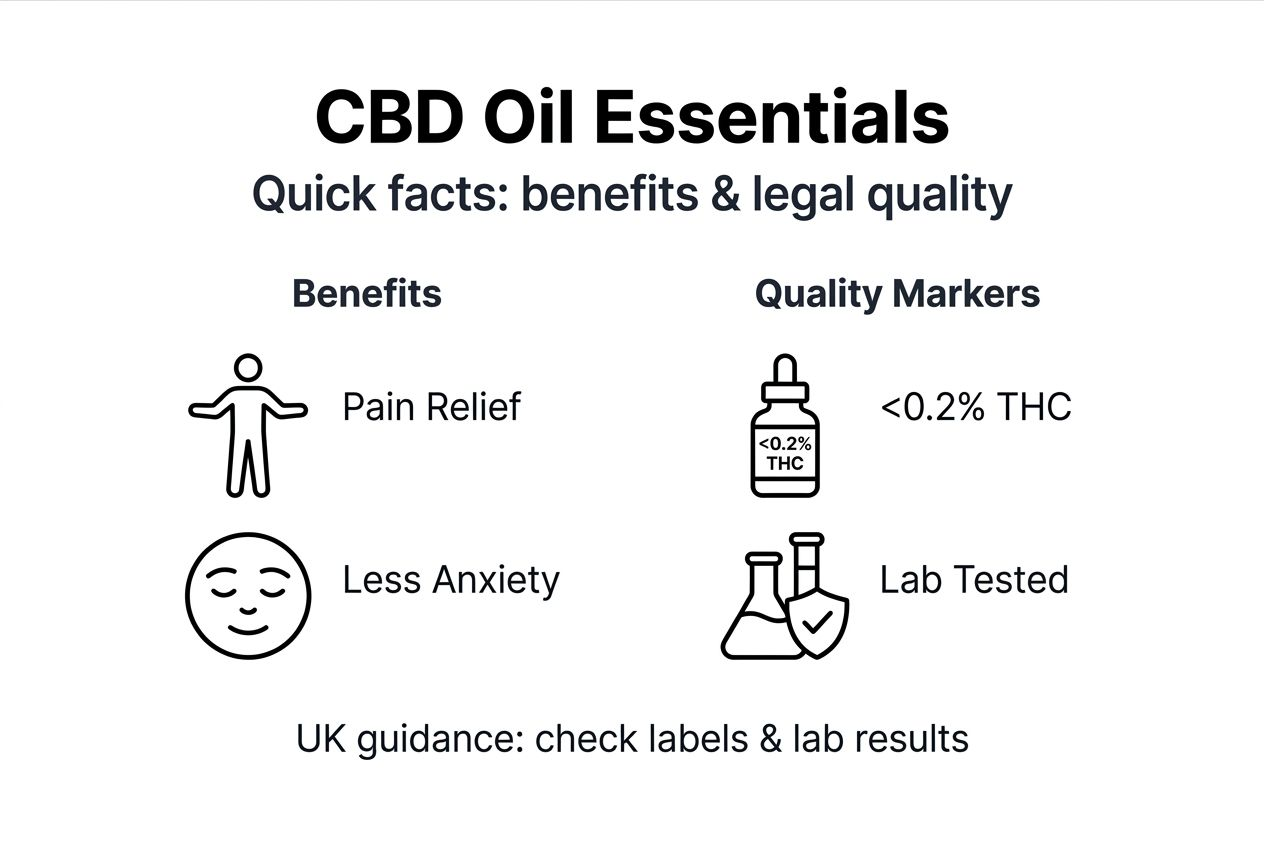
How CBD oil works in the body
Your body contains an endocannabinoid system that regulates essential functions including pain perception, emotional responses, and sleep cycles. This complex network involves cannabinoid receptors throughout your nervous and immune systems. CBD interacts with CB1 and CB2 receptors indirectly, modulating rather than directly activating them like THC does.
The biological mechanism differs fundamentally from psychoactive substances. CB1 receptors concentrate in your brain and central nervous system, whilst CB2 receptors appear primarily in immune cells and peripheral tissues. CBD influences these receptors through indirect pathways, altering how they respond to your body’s natural endocannabinoids. This modulation affects pain signalling, anxiety responses, and sleep regulation without creating intoxication.
Understanding this interaction explains why effects develop gradually:
- Pain relief occurs through altered nociceptive signalling pathways
- Anxiety reduction results from modulated serotonin receptor activity
- Sleep improvement comes from regulated circadian rhythm functions
- Effects accumulate over consistent use rather than immediate impact
- Individual responses vary based on endocannabinoid system differences
Pro Tip: Recognising that CBD works through complex biochemical pathways helps set realistic expectations. Benefits typically emerge over days or weeks of consistent use, not immediately after the first dose. This interaction mechanism contrasts sharply with pharmaceutical drugs that produce rapid, direct effects.
Health benefits of CBD oil: pain relief, anxiety reduction and sleep improvement
Clinical research demonstrates measurable improvements across three primary wellness areas. Studies consistently show CBD reduces chronic pain by 30-40% compared to placebo in controlled trials. This significant reduction applies particularly to neuropathic pain, arthritis discomfort, and inflammatory conditions.
Anxiety disorders respond notably to CBD intervention. Research indicates that dosages of 300-600mg daily produce significant anxiolytic effects in clinical studies, reducing generalised anxiety symptoms and social anxiety markers. These doses appear most effective when taken consistently rather than sporadically.
Sleep quality improvements represent another validated benefit. Approximately two-thirds of patients experience improved sleep following CBD treatment, especially those with PTSD or pain-related insomnia. The improvement stems from both direct sleep regulation effects and indirect benefits from reduced pain and anxiety.
Key evidence points include:
- Pain reduction appears dose-dependent, with higher doses producing greater relief up to optimal thresholds
- Anxiety benefits emerge at moderate to high doses, typically 300mg or above daily
- Sleep improvements occur in 66% of users, particularly when underlying pain or anxiety disrupts rest
- Effects vary individually based on metabolism, body weight, and specific condition severity
- Consistent daily use produces more reliable benefits than occasional dosing
Statistic spotlight: Research shows 66% of CBD users report improved sleep quality, making sleep support one of the most commonly experienced benefits.
These outcomes align with what many adults seeking CBD effects on sleep disorders report anecdotally. The clinical anxiety evidence and sleep research provide scientific backing for these widely reported experiences.
CBD product types and quality markers
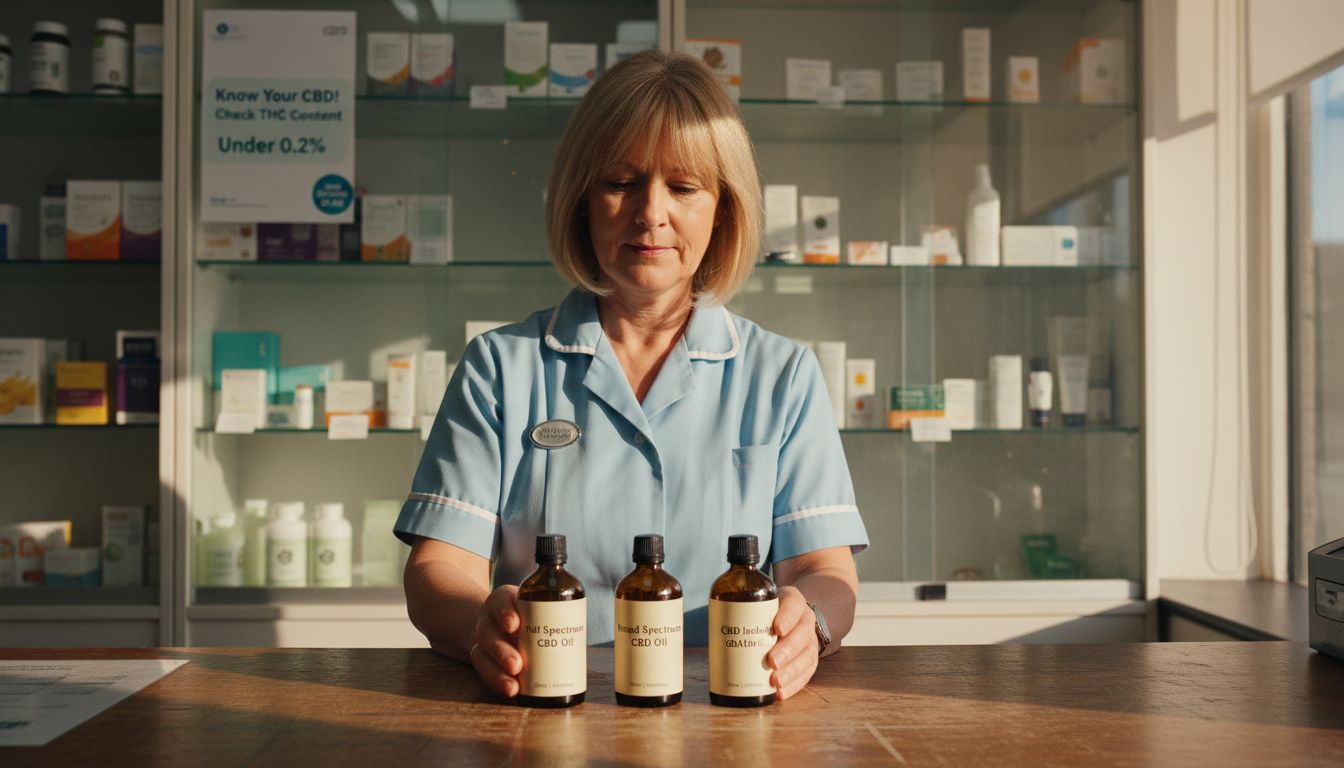
Three primary CBD oil types exist, each offering distinct cannabinoid profiles. Full-spectrum contains CBD alongside trace amounts of THC and other cannabinoids, creating an “entourage effect” where compounds work synergistically. Broad-spectrum provides multiple cannabinoids whilst removing THC entirely, ideal for UK consumers prioritising zero THC content. Isolate offers pure CBD without other cannabis compounds.
| Product type | THC content | Other cannabinoids | Pros | Cons |
|---|---|---|---|---|
| Full-spectrum | Up to 0.2% | Yes | Entourage effect, comprehensive benefits | Contains trace THC |
| Broad-spectrum | 0% | Yes | No THC, multiple cannabinoids | Slightly reduced entourage effect |
| Isolate | 0% | No | Pure CBD, predictable dosing | No entourage effect |
Quality assurance separates premium products from questionable alternatives. Third-party laboratory testing verifies cannabinoid content, confirms THC levels, and screens for contaminants like pesticides, heavy metals, and solvents. Lab-tested CBD oils in the UK provide certificates of analysis documenting these results.
Essential quality markers include:
- Independent lab verification of potency and purity
- Clear labelling showing CBD concentration per dose
- Source transparency regarding hemp origin and cultivation methods
- Extraction method disclosure, preferably CO2 extraction
- Batch-specific testing results available for review
Pro Tip: Always request laboratory certificates before purchasing CBD oil. Reputable brands display these openly, whilst companies avoiding transparency may sell substandard products. This quality CBD oil guide explains what documentation to expect from trustworthy suppliers.
Legal and safety considerations for CBD oil in the UK
UK legislation permits CBD products containing less than 0.2% THC, establishing a clear legal threshold. This limit ensures products remain non-intoxicating whilst allowing beneficial cannabinoid content. Manufacturers must comply with multiple regulatory bodies including the Medicines and Healthcare products Regulatory Agency and Food Standards Agency.
Products must undergo rigorous safety testing before reaching consumers. Testing screens for microbial contamination, heavy metals, pesticides, and residual solvents from extraction processes. Companies cannot make unauthorised medical claims about CBD treating or curing diseases without proper licensing. Labelling must accurately state CBD content, ingredients, and appropriate usage guidance.
Key legal and safety requirements:
- THC content verified below 0.2% through independent testing
- Novel food authorisation for CBD products intended for ingestion
- Accurate labelling compliant with MHRA and FSA standards
- Prohibition of unauthorised medicinal claims on packaging or marketing
- Transparent sourcing and manufacturing process documentation
- Batch traceability from cultivation through final product
Consumers should verify these compliance markers before purchasing. Understanding CBD legality in the UK protects you from inadvertently purchasing illegal products. The complete guide to UK CBD law and compliance details current regulations affecting product availability and marketing.
Common misconceptions about CBD oil
Several persistent myths create confusion about CBD oil’s effects and safety profile. The most widespread misconception claims CBD produces a psychoactive ‘high’ similar to cannabis. CBD does not produce intoxicating effects because legal products contain negligible THC levels. The compound interacts with your endocannabinoid system differently than THC, lacking psychoactive properties.
Another common misunderstanding positions CBD as a cure-all remedy for every ailment. Whilst research supports specific benefits for pain, anxiety, and sleep, CBD is not a pharmaceutical cure. It supports symptom management and wellness maintenance rather than treating underlying disease causes. Expecting miraculous cures leads to disappointment and obscures genuine therapeutic value.
Product quality assumptions also mislead consumers. Many believe all CBD oils offer equal safety and efficacy, yet quality varies dramatically between manufacturers. Unregulated products may contain inaccurate CBD levels, excessive THC, or dangerous contaminants.
Key myths and corrections:
- Myth: CBD gets you high. Fact: Legal CBD contains under 0.2% THC and produces no intoxication.
- Myth: CBD cures diseases. Fact: CBD supports symptom relief but is not a pharmaceutical cure.
- Myth: All CBD products are safe. Fact: Quality varies widely; only lab-tested products ensure safety.
- Myth: Higher doses always work better. Fact: Optimal doses vary individually; more is not necessarily more effective.
- Myth: CBD works immediately. Fact: Benefits typically develop over consistent use, not instantly.
“CBD oil contains cannabidiol from hemp with THC levels far too low to produce psychoactive effects, making it fundamentally different from intoxicating cannabis products.”
Understanding these psychoactivity misconceptions prevents unrealistic expectations and helps you evaluate marketing claims critically.
Practical usage and dosage guidance
Starting CBD oil safely requires a methodical approach prioritising gradual introduction. Begin with 10-20mg daily, typically equivalent to several drops of standard concentration oil. This conservative starting point allows you to assess tolerance and initial response without overwhelming your system.
Choosing reliable products forms the foundation of safe usage. Select broad-spectrum, lab-tested oils from transparent manufacturers who provide certificates of analysis. Verify THC content remains at zero and check for contaminant screening results. Understanding CBD dosage in the UK helps establish appropriate starting points.
Safe dosing steps:
- Begin with 10-20mg daily for the first week, observing any effects or side effects
- Maintain this dose for 5-7 days before making adjustments to gauge consistent response
- Increase by 5-10mg increments weekly if desired effects do not appear
- Monitor for mild side effects like dry mouth, fatigue, or appetite changes
- Consult healthcare professionals before use if taking other medications, particularly those metabolised by liver enzymes
- Keep a symptom journal tracking dose, timing, and observed effects
Pro Tip: Track your daily dose, timing, and symptom changes in a simple journal. This record helps identify optimal dosing patterns and provides valuable information if consulting healthcare providers. Following step-by-step CBD dosing guidance ensures you find effective levels safely.
Patience matters significantly. Most people require two to four weeks of consistent use before experiencing full benefits. This CBD dosage determination guide explains factors affecting optimal doses.
Safety and side effects of CBD oil
Adverse effects from CBD oil remain uncommon, affecting fewer than 10% of users in clinical studies. When side effects occur, they typically present as mild and transient rather than serious or lasting. The safety profile compares favourably to many pharmaceutical alternatives, though this does not eliminate the need for informed caution.
Common mild side effects include dry mouth, which results from cannabinoid effects on salivary gland receptors. Fatigue occasionally occurs, particularly at higher doses or when first starting use. Some users report appetite changes, either increased or decreased depending on individual responses. These effects generally diminish as your body adjusts to regular CBD intake.
Drug interactions represent the most significant safety consideration. CBD influences liver enzymes that metabolise many medications, particularly cytochrome P450 enzymes. This interaction can alter blood levels of certain drugs, including blood thinners, antidepressants, and seizure medications. Always disclose CBD use to healthcare providers to avoid problematic interactions.
Safety considerations:
- Side effects affect under 10% of users and remain mild when they occur
- Dry mouth, fatigue, and appetite changes represent the most common effects
- Drug interactions require professional consultation before combining CBD with medications
- Starting with low doses minimises side effect likelihood
- Discontinue use and consult a doctor if concerning symptoms develop
- Pregnant or breastfeeding individuals should avoid CBD due to insufficient safety data
Monitor your response carefully during initial weeks. Note any unusual symptoms and discuss concerns with healthcare professionals promptly. The generally favourable safety profile makes CBD accessible for most adults, but individual circumstances vary.
Discover high-quality broad-spectrum CBD oil
Now that you understand CBD oil’s benefits, mechanisms, and safe usage practices, finding quality products becomes the practical next step. SMOKO offers premium, lab-tested broad-spectrum CBD oils specifically designed for UK consumers seeking natural relief from pain, anxiety, and sleep difficulties.
Our broad-spectrum formulations contain zero THC whilst preserving beneficial cannabinoids, ensuring full legal compliance and peace of mind. Every batch undergoes rigorous third-party testing to verify potency, purity, and safety. Whether you prefer the refreshing Mint 1000mg CBD oil, the citrusy Orange 500mg option, or convenient 750mg soft gels, SMOKO provides reliable quality at multiple strengths. Our commitment to transparency, UK compliance, and customer satisfaction ensures you receive exactly what the label promises.
Frequently asked questions
What is the best way to take CBD oil?
Start with low doses of broad-spectrum CBD oil, typically 10-20mg daily. Place drops under your tongue and hold for 60-90 seconds before swallowing for optimal absorption through sublingual membranes. Gradually adjust dosage based on your response over several weeks. Following proper CBD dosage guidance for the UK ensures safe, effective use.
Is CBD oil legal in the UK?
CBD oil containing less than 0.2% THC is completely legal to purchase and use throughout the UK. Products must comply with safety regulations, undergo proper testing, and meet labelling standards set by the MHRA and FSA. Verify products display lab certificates confirming THC content stays below legal limits. Understanding CBD’s legal status in the UK protects you from inadvertently purchasing non-compliant products.
Can CBD oil cause side effects?
Side effects from CBD oil are rare and typically mild, affecting fewer than 10% of users. The most common include dry mouth, slight fatigue, or minor appetite changes. These effects usually diminish as your body adjusts to regular use. Consult your doctor before using CBD if you take other medications, as cannabidiol can interact with drugs metabolised by liver enzymes.
How long does CBD oil take to work?
Effects vary by administration method and individual factors. Sublingual CBD oil typically produces initial effects within 15-45 minutes, though full therapeutic benefits develop over consistent use spanning two to four weeks. Pain relief may appear sooner than anxiety or sleep improvements. Patience and consistent daily dosing produce the most reliable results.
What is the difference between CBD oil and hemp oil?
CBD oil contains concentrated cannabidiol extracted specifically for therapeutic purposes, whilst hemp seed oil comes from pressing hemp seeds and contains minimal cannabinoids. Hemp seed oil offers nutritional benefits but lacks the therapeutic cannabidiol content that produces pain relief, anxiety reduction, and sleep improvements. Always verify products clearly state CBD content to ensure you receive cannabidiol rather than basic hemp seed oil.