TL;DR:
- The best remedy for energy combines exercise, proper nutrition, and emotional recovery practices. These strategies support mitochondrial function, which directly influences vitality and alertness. Consistent physical activity, targeted nutrient intake, stress management, and deliberate pacing enhance sustainable energy levels.
The most effective remedy for energy is not a single pill or drink. It is a combination of physical activity, targeted nutrition, and emotional recovery practices that work together at a cellular level. Your body produces energy through mitochondria, tiny structures inside cells that convert nutrients into adenosine triphosphate (ATP), the molecule that powers every function in your body. When mitochondrial function drops, so does your vitality. The good news is that natural strategies, from exercise and herbal supplements to sleep and stress management, directly support this process. This guide covers the most evidence-backed approaches available in 2026.
What is the best remedy for energy?
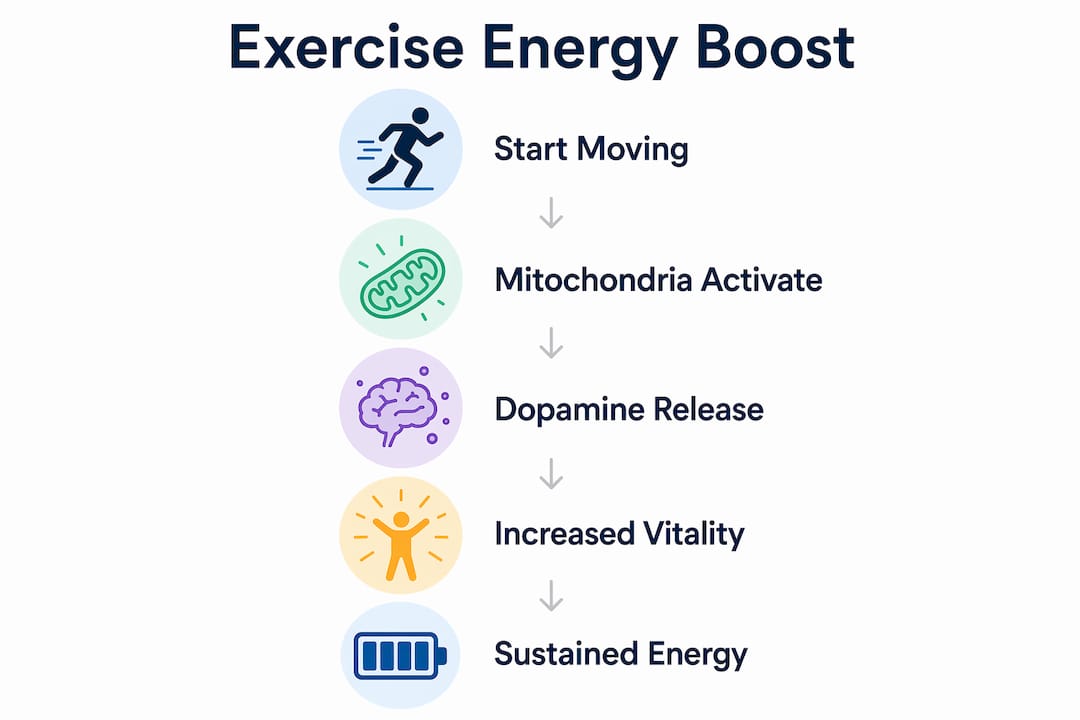
Exercise is the single most underutilised natural energy booster available. Just 10–30 minutes of physical activity can lift mood and energy within three hours, with benefits occurring at both cellular and neurological levels. That means even a brisk walk before lunch produces measurable improvements in how alert and motivated you feel for the rest of the afternoon.
The biochemical reason is straightforward. Exercise stimulates mitochondrial function and triggers the release of dopamine and serotonin, two neurotransmitters that regulate motivation, mood, and mental clarity. These effects outlast any caffeine hit and do not come with a crash.
Which types of exercise work best?
Three categories of exercise deliver the strongest energy benefits:
- Aerobic exercise (walking, cycling, swimming): builds cardiovascular fitness and improves oxygen delivery to muscles and the brain
- Resistance training (weights, bodyweight exercises): increases muscle efficiency and supports metabolic rate over time
- High-intensity interval training (HIIT): produces rapid mitochondrial adaptations in shorter sessions, useful when time is limited
Consistent aerobic exercise of at least 150 minutes per week reduces fatigue and improves vitality over the long term. That works out to roughly 30 minutes on five days, which is achievable for most people.
Pro Tip: If you feel too tired to exercise, start with five minutes. The act of moving almost always generates enough momentum to continue, and even short sessions produce biochemical improvements in mitochondrial efficiency.
Avoid overtraining, which depletes rather than builds energy. Rest days are not optional. They are when your body consolidates the gains from exercise.
What dietary and herbal approaches effectively increase natural energy levels?
Food is your body’s fuel, and the quality of that fuel determines how steadily your energy burns throughout the day. A diet high in added sugars and processed foods creates sharp spikes and crashes in blood glucose. Low glycaemic index foods, such as oats, legumes, and most vegetables, release energy gradually and keep you alert for longer.

Key nutrients that support energy
Correcting vitamin D and B12 deficiencies improves alertness and energy, particularly where dietary intake is insufficient. Vitamin D also plays a direct role in sleep regulation. Low vitamin D levels contribute to fatigue and disrupt sleep quality, creating a cycle that compounds tiredness over time. Natural sunlight exposure is the most accessible way to raise vitamin D levels, especially during the winter months in the UK.
Vitamin B12 supports the production of red blood cells, which carry oxygen to your tissues. Without adequate B12, your cells cannot produce ATP efficiently. Good dietary sources include eggs, dairy, meat, and fortified plant milks.
Herbal remedies with evidence behind them
Several herbal remedies for fatigue have genuine research support. The table below summarises the most studied options:
| Herb | Primary benefit | Notes |
|---|---|---|
| Ginseng | Reduces mental fatigue | Well-studied adaptogen; supports stress response |
| Rhodiola rosea | Improves endurance and focus | Particularly effective during periods of high stress |
| Guarana | Sustained alertness | Contains natural caffeine; use in moderation |
| Peppermint | Reduces mental tiredness | Effective as an aroma or tea; low risk |
These herbs work best as part of a broader approach rather than as standalone quick energy solutions. Relying on any single herb without addressing sleep, hydration, or diet produces limited results.
Hydration and meal timing
Dehydration is one of the most common and overlooked causes of fatigue. Even mild fluid loss reduces concentration and physical performance. Aim for consistent water intake throughout the day rather than drinking large amounts infrequently.
Aligning meal timing with your circadian rhythm also matters. Eating larger meals earlier in the day and lighter meals in the evening supports your body’s natural energy cycle. Late, heavy meals interfere with sleep quality, which then reduces the following day’s energy.
Pro Tip: Pair your largest meal with your most demanding task of the day. Your body’s digestive and cognitive peaks often align in the late morning to early afternoon window.
You can find a broader overview of evidence-based natural approaches to reducing fatigue, including how CBD fits into the picture, on the Smokocbd blog.
How can managing stress and circadian rhythms serve as natural energy remedies?
Emotional fatigue is frequently mistaken for physical tiredness. You can sleep eight hours and still wake up exhausted if your emotional reserves are depleted. Managing stress is therefore not a soft lifestyle choice. It is a direct energy intervention.
Your circadian rhythm, the internal 24-hour clock that governs sleep, hormone release, and body temperature, determines when your energy peaks and troughs naturally. Disrupting it through irregular sleep schedules, artificial light at night, or stimulants at the wrong time drains your reserves faster than almost any other factor.
Practical strategies to protect your energy through stress and rhythm management include:
- Consistent sleep and wake times: going to bed and rising at the same time each day, even at weekends, stabilises cortisol and melatonin cycles
- Morning sunlight exposure: 10–20 minutes of natural light in the morning anchors your circadian clock and improves alertness throughout the day
- Daily journalling or mindfulness: even five minutes of structured reflection reduces the cognitive load that emotional fatigue creates
- Avoiding stimulants after 2PM: caffeine has a half-life of approximately five hours, meaning an afternoon coffee still affects your sleep quality at midnight
- Charging your emotional battery: activities that restore rather than drain you, such as time in nature, creative hobbies, or quiet social connection, prevent burnout beyond what physical rest alone can achieve
Clinical guidance recommends 7–9 hours of quality sleep as a foundation for managing daily energy. Sleep is not passive recovery. It is when your brain clears metabolic waste, consolidates memory, and resets neurotransmitter levels.
For those whose sleep disruption is a primary driver of low energy, the Smokocbd guide on natural sleep remedies covers practical, non-pharmaceutical options in detail.
Understanding CBD’s role in wellness alongside vitamins D and B12 is also worth exploring if you are looking at a broader supplement approach.
What practical lifestyle adjustments help conserve and maximise daily energy?
Energy is a finite resource managed better through frugal expenditure than through attempts to generate more of it. The Harvard Health “Four Ps” framework makes this concrete and practical.
- Planning: map your day around your natural energy peaks. Schedule demanding cognitive work in the morning and routine tasks in the afternoon when energy naturally dips.
- Pacing: break tasks into shorter segments with deliberate rest between them. A 25-minute focused work block followed by a five-minute break outperforms two hours of diminishing-returns effort.
- Positioning: small physical adjustments add up. Sitting during tasks you normally stand for, using a trolley instead of carrying heavy bags, or rearranging your workspace to reduce unnecessary movement all conserve energy dollars across the day.
- Prioritising: not every task deserves the same energy investment. Identify the two or three activities that genuinely matter each day and protect your best energy for those. Decline or delegate the rest where possible.
Prioritising and pacing help preserve energy for the tasks that matter most. The Four Ps approach works because it treats energy as a budget rather than an unlimited resource, which is a more accurate model of how your body actually operates.
A practical addition to the Four Ps is breaking up long periods of sitting with brief movement. Even two minutes of walking every hour improves circulation and prevents the sluggishness that builds from prolonged stillness.
Key takeaways
The most sustainable remedy for energy combines exercise, targeted nutrition, emotional recovery, and deliberate pacing rather than relying on any single method.
| Point | Details |
|---|---|
| Exercise first | Even 10–30 minutes of activity boosts energy within three hours at a cellular level. |
| Fix nutrient gaps | Correcting vitamin D and B12 deficiencies directly improves alertness and reduces fatigue. |
| Protect your sleep | 7–9 hours of quality sleep is the foundation of daily energy management. |
| Manage emotional fatigue | Stress and emotional depletion drain energy as effectively as physical exertion. |
| Use the Four Ps | Planning, pacing, positioning, and prioritising conserve energy throughout the day. |
What I have learned about sustainable energy after years of trial and error
Most people approach low energy the wrong way. They reach for another coffee, push through the afternoon slump, and then wonder why they feel wired but exhausted by evening. I spent a long time doing exactly that before I understood what was actually happening.
The shift that made the biggest difference for me was treating emotional fatigue as a real, measurable drain rather than a vague complaint. Once I started protecting recovery time with the same seriousness I gave to work commitments, my energy became far more consistent. Journalling for five minutes each morning and spending time outdoors without a phone were not “wellness habits.” They were maintenance, the same way sleep is maintenance.
The other thing most articles miss is that these strategies compound. Exercise improves sleep. Better sleep reduces stress. Lower stress means your body spends less energy on cortisol regulation and more on the things you actually want to do. No single remedy works in isolation. The people who report the most sustained improvement are those who combine at least three or four of these approaches consistently, not perfectly, but consistently.
Individual variation matters too. Some people respond strongly to rhodiola rosea; others notice little difference. Some find HIIT energising; others find it depletes them for days. Pay attention to your own patterns rather than following a generic prescription. Your body gives you clear signals if you slow down enough to notice them.
— Mike
Smokocbd’s broad-spectrum CBD tinctures for natural wellbeing
If you are building a natural wellness routine and want to explore how CBD might support mood regulation and emotional recovery, Smokocbd offers broad-spectrum CBD tinctures made from organically grown hemp, third-party tested for quality and zero THC.

The 1000mg broad-spectrum CBD tincture is a practical starting point for those new to CBD, while the 2000mg option suits those looking for a stronger daily dose. Both are available in a mint flavour and are designed to complement the lifestyle strategies covered in this guide, not replace them. Smokocbd’s products are made in the UK and backed by transparent lab reports, so you know exactly what you are taking.
FAQ
What is the fastest natural remedy for energy?
Physical activity of just 10–30 minutes produces an energy lift within three hours, making it the fastest evidence-backed option. A brisk walk or short resistance session outperforms most supplements for immediate effect.
Which herbal remedies for fatigue have the strongest evidence?
Ginseng and rhodiola rosea have the most consistent research support among herbal options. Both act as adaptogens, helping the body manage stress responses that otherwise drain energy.
How does vitamin D affect energy levels?
Low vitamin D contributes to fatigue and disrupts sleep regulation, creating a cycle of tiredness. Morning sunlight exposure and supplementation during winter months are the most practical corrections.
Can emotional stress cause physical fatigue?
Yes. Emotional fatigue is frequently mistaken for physical tiredness, and managing daily stress through mindfulness or journalling directly restores energy reserves beyond what sleep alone provides.
What is the Four Ps energy management strategy?
The Four Ps, planning, pacing, positioning, and prioritising, is a framework from Harvard Health for conserving energy throughout the day. It treats energy as a finite budget and helps prevent the exhaustion that comes from overcommitment.